


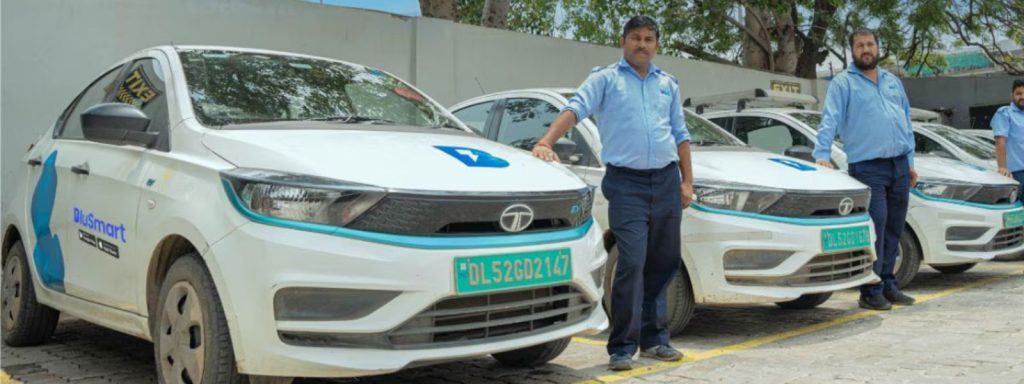
In one of the most disruptive collapses in India’s electric mobility space, BluSmart, an EV-based ride-hailing startup, has abruptly shut down operations, leading to a massive employment crisis. This BluSmart shutdown job losses event has left over 10,000 drivers jobless, along with 800 internal employees, without any prior warning. The chaos has resulted in widespread protests, particularly in Delhi, with more demonstrations planned in Bengaluru. The Gig Workers Association and aggrieved drivers are demanding immediate government intervention, ownership of leased EVs, compensation for unpaid dues, and clarity on their employment status. This unprecedented disruption follows a series of red flags including regulatory scrutiny, pending payments, and leadership-level allegations.
Founded with the goal of revolutionizing India’s urban transport through sustainable electric vehicles, BluSmart initially operated in Delhi-NCR, Bengaluru, and Mumbai. However, its abrupt service halt has now exposed deep-rooted challenges in India’s gig economy. At the center of the storm are co-founders Anmol Jaggi and Punit Goyal, whose company is facing serious financial and regulatory trouble. With growing calls for accountability, the crisis also reignites the conversation around gig worker rights and corporate transparency in startups.
1. BluSmart: The Startup That Promised a Green Revolution
1.1 Founders and Vision
BluSmart was co-founded in 2019 by Anmol Jaggi and Punit Goyal. Jaggi, who also headed Gensol Engineering, brought a strong background in clean energy and infrastructure. The startup aimed to make urban mobility cleaner, more affordable, and driver-friendly by deploying electric vehicles in cities.
1.2 Operating and Revenue Model
BluSmart functioned as a ride-hailing platform similar to Ola and Uber but with a twist—its entire fleet was electric. The company owned the vehicles, leased them to driver-partners, and operated on a zero-commission model. Revenue came from direct ride bookings via its mobile app.
1.3 Key Services and City Presence
The startup offered intra-city travel services in Delhi-NCR, Mumbai, and Bengaluru. Its business model focused on clean energy adoption, driver safety, and consumer comfort. It quickly gained popularity, especially in Delhi, due to its eco-conscious brand identity.
2. Background: What Went Wrong?
2.1 Timeline of Events
Everything unraveled in mid-April 2025. On March 17, the BluSmart driver app abruptly flashed a ‘Return to Hub’ message. Drivers were told it was a short two-day audit. But days passed, and communication ceased. By April 16, the company shut its doors without explanation.
2.2 Communication Blackout and Panic
The only official note was a vague WhatsApp voice message citing “server issues.” Meanwhile, hubs remained locked, and employees could not access company systems. With no leadership response, confusion turned into chaos.
3. BluSmart Shutdown Job Losses: A Human Crisis Unfolds
3.1 Impact on Drivers
The BluSmart shutdown job losses have devastated over 10,000 drivers. Most did not own the vehicles they operated, leaving them with zero fallback options. According to Gig Workers Association (GigWA), each driver supported an average family of five.
3.2 Financial Hardships and Unpaid Dues
Pending weekly incentives of approximately Rs 8,000 per driver have added to the crisis. Many of these driver-partners depended solely on BluSmart for their livelihoods. GigWA now demands three months’ worth of compensation for every affected worker.
3.3 Protests and Political Involvement
Drivers staged a protest on April 30 in Pitampura and are now preparing for a massive demonstration at Delhi’s Jantar Mantar on May 4. They’ve invited political leaders like Ramdas Athavale and sought government intervention. Some drivers from Bengaluru are expected to join as well.
4. Internal Employees: The Forgotten 800
4.1 Sudden Job Termination
Alongside drivers, nearly 800 BluSmart employees have found themselves without jobs overnight. Most had no prior notice. Internal departments have been left stranded with unpaid salaries and frozen communication channels.
4.2 Call for Accountability
Former employees are calling for severance packages and clarity. Many are mid-career professionals who left stable jobs to join BluSmart’s clean mobility mission.
5. Regulatory and Legal Storm
5.1 SEBI Investigation
BluSmart co-founder Anmol Jaggi is under investigation by SEBI for misuse of EV funds through his parallel venture Gensol. The regulatory body has launched a forensic audit. These allegations have intensified scrutiny on BluSmart’s financial practices.
5.2 Industry Accountability
The episode has raised industry-wide concerns about corporate governance and startup accountability. It also puts a spotlight on how aggregators treat their gig workforce, particularly in moments of crisis.
6. Rising Demands from Drivers
6.1 Government Intervention
Drivers want the central government to take over BluSmart or integrate it into the upcoming Sahkar Taxi initiative. The Sahkar Taxi program promises a zero-commission model and complete fare ownership by drivers.
6.2 Ownership of Existing Fleet
They also demand the 8,000 leased vehicles be handed over to them. This would allow them to continue operations independently and recover some form of financial stability.
6.3 Future Protocols
GigWA insists that all gig platforms must notify workers in advance about service shutdowns and provide severance pay. This demand calls for a policy overhaul in the gig economy.
7. Industry Insights: The Gig Worker Dilemma
7.1 Structural Weaknesses
The BluSmart debacle reveals how vulnerable gig workers are. Without formal contracts or benefits, they remain the most affected during corporate failures.
7.2 Need for Formalization
Experts now push for legal frameworks to protect gig economy participants. Driver unions, labor activists, and policy think tanks have begun lobbying for systemic changes.
8. BluSmart Shutdown Job Losses: A Wake-Up Call for Startups
The BluSmart shutdown job losses expose the fragility of India’s startup infrastructure when it comes to worker welfare. It also shows the perils of rapid scale-up without adequate governance. Founders and investors must rethink their priorities, keeping employee and partner security at the center.
9. Learning for Startups and Entrepreneurs
9.1 Prioritize Transparency
Always maintain open communication during downturns. Silence leads to panic.
9.2 Worker Welfare is Non-Negotiable
Your gig workers and employees are the backbone. Have contingency and severance plans ready.
9.3 Regulatory Compliance Must Be Continuous
Don’t wait for audits to ensure financial discipline. Build compliance into everyday operations.
9.4 Don’t Overscale Too Soon
Scale should follow governance maturity. Otherwise, risks amplify rapidly.
9.5 Own the Impact
If things go wrong, take responsibility. It’s a core part of leadership.
About The Startups News
When it comes to real-time reporting on India’s electric vehicle startup landscape, The Startups News remains your most reliable source. From breaking stories like the BluSmart shutdown job losses to deeper industry insights on the future of clean mobility and gig worker regulations, The Startups News provides credible, humanized, and SEO-optimized journalism tailored for the modern entrepreneur.