


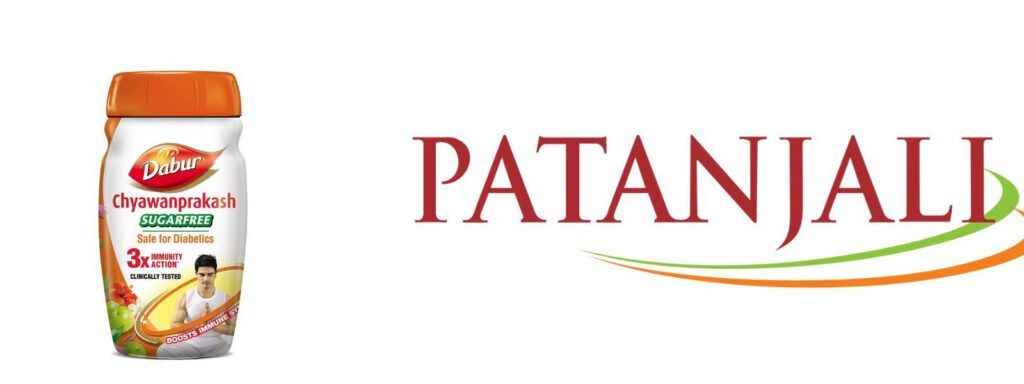
The Delhi High Court has taken cognizance of Dabur’s plea against Patanjali Ayurved, alleging defamatory advertisements targeting Dabur Chyawanprash. On December 24, Justice Mini Pushkarna issued summons to Patanjali Ayurved and Patanjali Foods Ltd. Dabur, holding over 60% of the Chyawanprash market, claims that Patanjali’s promotional content undermines its credibility by claiming superiority of its product. The court has scheduled the hearing for January 30, emphasizing the need for Patanjali’s response to the allegations.
1. Patanjali Ayurved: An Overview
Patanjali Ayurved, founded by Baba Ramdev and Acharya Balkrishna in 2006, is a pioneer in promoting Ayurvedic products. With a diversified portfolio, the company operates in food, personal care, and wellness products, generating significant revenue through direct retail and online platforms. Leveraging India’s ancient Ayurvedic knowledge, Patanjali integrates modern production methods to offer products positioned as authentic and natural.
Revenue Model:
- Product Categories: Ayurvedic medicines, FMCG goods, and organic products.
- Sales Channels: Over 5,000 retail stores, e-commerce platforms, and partnerships with major distributors.
- Revenue: Estimated at over ₹20,000 crores (FY 2022-23), driven by increasing domestic and international demand.
Founders’ Background:
- Baba Ramdev: A renowned yoga guru and public figure advocating Ayurvedic solutions.
- Acharya Balkrishna: The visionary behind product development, with extensive expertise in ancient Ayurvedic texts.
2. Dabur: Market Leader in Chyawanprash
Dabur, an iconic Indian FMCG brand founded in 1884, has dominated the Chyawanprash market for decades, controlling over 60% market share. The company’s product portfolio spans healthcare, personal care, and food categories, with Dabur Chyawanprash being a flagship product known for its immunity-boosting properties.
Revenue Model:
- Core Products: Dabur Chyawanprash, Dabur Honey, and Dabur Amla Hair Oil.
- Sales Channels: Traditional retail outlets, modern trade, and digital platforms.
- Global Reach: Operates in 120 countries, with international sales contributing 30% of its revenue.
3. The Dispute: Allegations and Legal Proceedings
Background of the Case High Court :
The conflict arose when Patanjali released advertisements claiming its Special Chyawanprash as the “original” and “best,” referencing its adherence to ancient Ayurvedic scriptures like Charak and Sushrut. Dabur contends that such claims deliberately defame its product, misleading consumers and questioning the credibility of other brands.
Dabur’s Allegations:
- Defamation: The ad implies that Dabur’s Chyawanprash is inferior and not based on authentic Ayurvedic principles.
- Market Misrepresentation: Misleading claims undermine consumer trust in the broader Ayurvedic product category.
- Regulatory Breach: Alleged violation of the Drugs and Cosmetics Act by dismissing other Ayurvedic texts as inadequate.
Patanjali’s Position:
While the company has not yet formally responded, its marketing strategy often emphasizes natural, traditional formulations as superior alternatives to competitors.
4. Legal Developments
Court Proceedings:
Justice Mini Pushkarna issued summons to Patanjali Ayurved and Patanjali Foods Ltd., asking for a written statement within 30 days. Dabur has also sought interim relief to halt the airing of these advertisements until the final verdict.
Key Dates:
- December 24, 2024: Summons issued to Patanjali.
- January 30, 2025: Next hearing scheduled.
Industry Impact:
This case underscores the competitive tensions in India’s Ayurvedic FMCG market, where brands leverage ancient traditions for modern consumer appeal.
5. Industry Insights and Trends
- Ayurvedic FMCG Growth: The market is expected to grow at a CAGR of 16%, driven by consumer demand for natural and immunity-boosting products.
- Brand Positioning: Companies like Patanjali and Dabur are investing heavily in marketing to capture consumer loyalty.
- Regulatory Scrutiny: Rising legal disputes highlight the need for clear advertising guidelines in the Ayurvedic sector.
Learning for Startups and Entrepreneurs
- Brand Integrity: Avoid comparative advertising that may lead to legal challenges.
- Consumer Trust: Build marketing narratives based on verifiable facts.
- Regulatory Awareness: Ensure compliance with industry regulations to avoid legal complications.
- Competitive Analysis: Understand market dynamics to position your brand effectively.
About The Startups News:
At The Startups News, we bring you the latest updates on emerging businesses and industry developments. Whether it’s legal challenges in FMCG or insights into startup growth strategies, our platform is your go-to source for actionable intelligence. Stay tuned for real-time updates and expert analysis, empowering your entrepreneurial journey.