


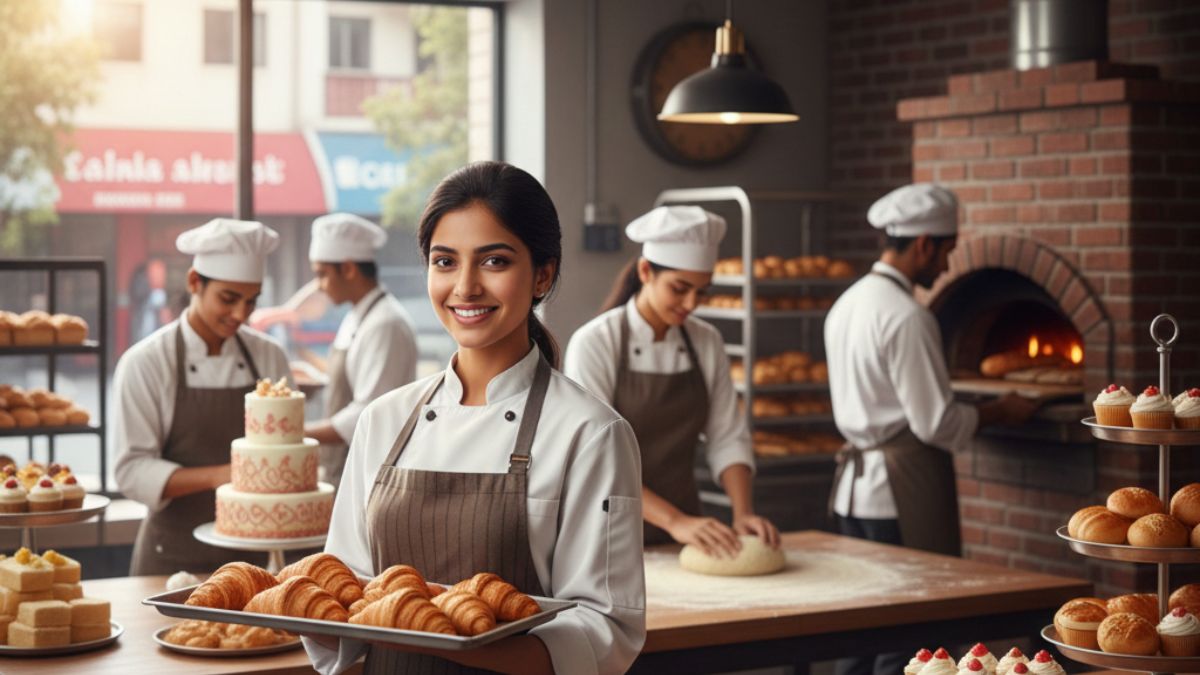
Summary: The Complete Bakery Startup Playbook for India
Starting a bakery is one of the most emotionally rewarding and commercially resilient business ideas in India. From early-morning bread runs to celebration cakes that mark life’s milestones, bakeries are woven into the daily rhythm of Indian households. This guide on how to start a bakery business in India is written for aspiring founders who want clarity, realism, and a ground-level understanding of what it actually takes to build a sustainable bakery brand.
What exactly is a bakery business in today’s India?
What exactly is a bakery business in today’s India? It is no longer limited to a neighbourhood bread shop. Modern bakeries span artisanal sourdough brands, cloud bakeries selling via delivery apps, home bakers monetising Instagram audiences, café-style dessert bars, and scalable packaged baked-goods startups. The problem they solve is simple but powerful: consistent access to fresh, hygienic, trustworthy baked food in a market where quality varies widely.
The opportunity exists because Indian consumption habits are changing. Urbanisation, nuclear families, working professionals, rising disposable incomes, and celebration-driven food culture have created year-round demand for bakery products. From metros to Tier-2 cities, customers are willing to pay a premium for taste, hygiene, and brand trust.
Who should start a bakery business in India? You do not need to be a professionally trained pastry chef, but you must respect the craft. Founders typically include home bakers scaling demand, chefs wanting ownership, first-time entrepreneurs looking for a food business with repeat consumption, and families converting legacy bakeries into modern brands.
Where can you start? Anywhere demand meets consistency. This could be a residential colony, a high-footfall market, a mall kiosk, a cloud kitchen, or even your own home kitchen. When is the right time? Right now. India’s bakery market is growing steadily, and consumer willingness to experiment has never been higher.
How do you start, and how much does it cost? A home bakery can begin with ₹50,000–₹2 lakh. A small retail bakery typically requires ₹10–20 lakh. A café-format bakery may go up to ₹40 lakh or more. This article breaks down every step, cost, license, and decision so you can move from idea to execution with confidence.
1. Startup Idea Overview
The bakery business in India is a growing and resilient sector that goes beyond selling bread, cakes, and pastries—it combines culinary creativity, retail strategy, and lifestyle branding. With urbanization, rising disposable incomes, and changing consumer preferences, the bakery market was valued at ₹67,000 crores in 2024 and is growing at 7–8% annually. Opportunities exist across traditional staples, premium desserts, health-focused products, and personalized gifting solutions. Urban lifestyles and convenience have increased demand for ready-to-eat baked goods, while health-conscious consumers drive interest in gluten-free, low-sugar, and vegan options. Digital platforms like Zomato and Swiggy allow bakeries to reach broader audiences, enabling even small home-based or cloud kitchen operations to scale.
1.1 Key market trends include:
- Customization & Gifting: Birthdays, weddings, corporate events, and festivals drive high-margin sales for designer and personalized cakes.
- Health-conscious products: Gluten-free, sugar-free, multi-grain, and vegan baked goods are gaining traction.
- Digital and delivery growth: Aggregator platforms make small-scale and cloud kitchens viable.
- Urban lifestyle demand: Millennials and working professionals prefer convenient, visually appealing baked products.
A successful bakery offers a mix of staple and specialty products, appealing to diverse customer segments. Typical offerings include:
- Staples: Bread, buns, muffins, cookies, and pastries.
- Specialty & Designer Cakes: Themed cakes, eggless cupcakes, and custom orders.
- Savory Snacks: Quiches, pies, sandwiches, and bakery snacks.
- Seasonal Items: Festival-specific or limited-edition baked goods.
- Health-focused variants: Low-sugar, gluten-free, and fortified options.
Target customers range from urban families, millennials, students, and working professionals to corporate clients and event planners. Purchase decisions are influenced by taste, visual appeal, and gifting potential, with social media playing a significant role in shaping preferences. Real-world examples show that signature products combined with trending experimental items drive revenue and brand recognition. For instance, a Pune bakery found that eggless and designer cakes contributed 40% of revenue within 6 months, highlighting the importance of high-margin niches.
1.2 Revenue streams typically include:
- Physical storefront sales
- Delivery through aggregators or in-house systems
- Custom cake and corporate catering orders
- Workshops or DIY baking kits
Operational success depends on location, high-quality equipment, skilled staff, and consistent ingredient supply. Pricing strategies often include value-based pricing, bundles, seasonal promotions, and subscription models. Marketing through social media and digital platforms can significantly enhance visibility. For example, a Jaipur bakery grew its Instagram following to 20,000 in 4 months, resulting in a 25% increase in custom cake orders.
1.3 Challenges and mitigation strategies:
- High competition: Focus on unique products or niche segments.
- Seasonal demand fluctuations: Plan for peak seasons and diversify product range.
- Supply chain consistency: Build relationships with multiple suppliers.
- Skilled staff retention: Hire part-time or freelance bakers during peak periods.
Financially, a small-to-medium bakery requires ₹5–15 lakhs investment, with a break-even timeline of 12–18 months. Gross margins range from 40–50%, with net margins around 15–20%. Case studies show that bakeries investing in customized and high-margin offerings often see faster growth and higher profitability.
2. Problem Statement & Solution
2.1. Problem Statement
The bakery market in India is growing, but several challenges make it difficult for new entrants and small bakeries to thrive. Despite increasing demand for baked goods, consumers often face limited access to fresh, high-quality, and customized products, especially in tier-2 and tier-3 cities. Many local bakeries offer standard products with little variety, lack health-conscious options, or fail to provide convenient delivery and online ordering. Additionally, high competition from established brands, inconsistent supply chains, and skilled labor shortages create operational difficulties. For startups, navigating pricing, marketing, and customer loyalty while maintaining quality and profitability is a significant challenge.
2.2. Key problems include:
- Limited variety and customization: Most bakeries focus only on traditional bread and basic cakes, leaving a gap in designer, healthy, or niche products.
- Accessibility issues: High-quality baked goods are often unavailable outside metro cities or through reliable delivery channels.
- Health-conscious demand unmet: Gluten-free, sugar-free, and vegan options are scarce in most local bakeries.
- Operational hurdles: Consistency in product quality, supply chain reliability, and skilled labor retention are major issues for small startups.
- Marketing and brand visibility: Many bakeries fail to leverage digital channels, social media, or online ordering to reach potential customers.
2.3. Solution
A modern bakery startup can address these challenges by combining quality, customization, and technology-driven accessibility. By offering a curated product mix that includes signature staples, designer cakes, health-focused baked goods, and seasonal offerings, a bakery can attract diverse customer segments while creating a premium experience. Leveraging online ordering, delivery platforms, and social media marketing ensures wider reach and stronger brand engagement. Operational efficiency can be maintained through cloud kitchen models, reliable supplier networks, and trained staff, reducing costs and improving consistency.
The solution framework includes:
- Product Differentiation: Offering a mix of staples, designer cakes, healthy variants, and savory snacks to cater to various customer needs.
- Customization and Personalization: Designer cakes, themed pastries, and gifting options to enhance customer experience and increase high-margin sales.
- Digital Presence and Delivery: Leveraging platforms like Zomato, Swiggy, and in-house delivery apps to expand market reach beyond physical stores.
- Operational Efficiency: Cloud kitchens, reliable ingredient sourcing, and skilled baker training ensure consistency and cost-effectiveness.
- Targeted Marketing: Using social media, festive campaigns, and influencer collaborations to create brand awareness and drive orders.
Real-world insight: A bakery in Pune increased revenue by 40% within six months by introducing eggless and designer cakes alongside regular products and promoting them through Instagram and local delivery apps. Similarly, Jaipur-based bakeries leveraged social media storytelling to boost custom cake orders by 25%, demonstrating the effectiveness of combining product quality with digital marketing and accessibility.
3. Target Audience & Customer Persona
3.1 Target Audience
The bakery business in India caters to a diverse and expanding customer base. With changing lifestyles, rising disposable incomes, and growing urbanization, baked goods have become a staple for daily consumption, celebrations, gifting, and corporate needs. The primary audience includes urban families, millennials, students, and working professionals who value convenience, freshness, and aesthetic appeal in their baked products. Secondary audiences include corporate clients, event planners, and health-conscious consumers, who often seek bulk orders, customized desserts, or specialty products. Across metros and tier-2 cities, demand is driven not only by taste but by visual appeal, gifting potential, and social media influence, which often shape purchasing behavior.
3.1.1. Key segments include:
- Urban Families: Seek fresh, daily-use bakery products like bread, buns, pastries, and snacks. Convenience, quality, and consistent availability are their priorities.
- Millennials & Working Professionals: Prefer quick, ready-to-eat options, specialty desserts, and personalized cakes for birthdays or social occasions. They are highly influenced by social media trends.
- Students & Young Adults: Budget-conscious buyers who enjoy affordable snacks, muffins, cookies, and small indulgences. Social sharing and trendy products appeal to them.
- Corporate Clients & Event Planners: Purchase in bulk for events, celebrations, or gifting purposes. Value high-quality, premium packaging, and timely delivery.
- Health-Conscious Consumers: Interested in low-sugar, gluten-free, vegan, or multi-grain products. They are willing to pay a premium for healthy alternatives.
3.2. Customer Persona
To better understand and target bakery customers, representative personas help in shaping product offerings, marketing strategies, and delivery models:
3.2.1. Persona 1: Urban Family – “The Busy Parents”
- Age: 30–45
- Occupation: Professionals with children
- Needs: Fresh bread, buns, snacks for daily meals; occasional customized cakes for birthdays or celebrations
- Buying Behavior: Values convenience, quality, and consistency; prefers home delivery or local stores with reliable availability
3.2.2. Persona 2: Millennials & Working Professionals – “The Trend Seekers”
- Age: 22–35
- Occupation: IT/Corporate jobs
- Needs: Designer cakes, cupcakes, pastries, quick indulgences
- Buying Behavior: Influenced by Instagram, X/Twitter, and social trends; open to trying new flavors and limited-edition products; prefers online ordering
3.2.3. Persona 3: Students & Young Adults – “The Social Snackers”
- Age: 18–25
- Occupation: College students, young working professionals
- Needs: Affordable snacks, muffins, cookies
- Buying Behavior: Driven by price and novelty; likely to share products online, increasing organic marketing reach
3.2.4. Persona 4: Corporate Clients – “The Event Planners”
- Age: 30–50
- Occupation: Office managers, HR professionals, event coordinators
- Needs: Bulk orders of cakes, cookies, and pastries for events, gifting, and corporate celebrations
- Buying Behavior: Values quality, punctual delivery, attractive packaging, and customization options
4.2.5. Persona 5: Health-Conscious Consumers – “The Mindful Eaters”
- Age: 25–40
- Occupation: Working professionals, fitness enthusiasts
- Needs: Gluten-free, vegan, sugar-free, and fortified baked goods
- Buying Behavior: Willing to pay a premium for healthy options; influenced by product labeling, ingredient quality, and brand reputation
4. Market Opportunity & Timing
The bakery industry in India is positioned for strong growth, making it an opportune time for startups to enter the market. Urbanization, rising disposable income, and evolving lifestyle choices have created a significant demand for both everyday baked goods and premium, customized offerings. While metros remain the primary hubs for premium bakeries, tier-2 and tier-3 cities are witnessing rapid growth in demand for fresh, high-quality, and health-focused baked products, presenting an underserved opportunity for new players. The convergence of digital ordering platforms, social media influence, and increasing consumer willingness to pay for quality and personalization has further accelerated the market potential.
4.1. Key factors that define the market opportunity include:
- Growing consumer base: With an expanding middle class and urban population, the demand for bakery products is steadily increasing. India’s bakery market is expected to grow at 7–8% CAGR, signaling long-term potential.
- Premium and niche segments: Health-conscious products, designer cakes, and artisanal baked goods represent high-margin opportunities with limited competition outside metro cities.
- Festival and gifting culture: India’s diverse festivals, weddings, and corporate celebrations create seasonal spikes in demand, particularly for customized and visually appealing products.
- Digital adoption: Platforms like Zomato, Swiggy, and Dunzo, coupled with increasing smartphone penetration, allow bakeries to scale quickly through delivery and online visibility.
- Underserved tier-2 and tier-3 markets: Many smaller cities lack quality bakeries or options for customization, giving startups a first-mover advantage in these regions.
4.2. Timing Advantage:
- The shift in lifestyle and eating habits post-pandemic has accelerated the preference for convenience and online ordering.
- Consumers are increasingly open to experimentation, trying new flavors, dietary options, and premium products.
- With social media shaping trends and brand visibility, early adopters can capture mindshare quickly before the market becomes saturated.
- Rising awareness of health and wellness offers an opportunity to introduce gluten-free, vegan, and fortified baked goods, catering to a niche yet growing segment.
Real-world insight: A bakery in Pune introduced a gluten-free, eggless cake line during festival season and saw a 30% revenue increase in 3 months, demonstrating how timing and product-market fit can create significant growth spikes. Similarly, bakeries in tier-2 cities leveraging Swiggy and Instagram saw rapid adoption, capturing demand that larger competitors had overlooked.
5. USP & Value Proposition
In a competitive bakery market, a startup’s success depends on clearly defining its Unique Selling Proposition (USP) and delivering a compelling value proposition that differentiates it from local bakeries and established brands. The USP should focus on what makes the bakery distinct—be it product quality, customization, health-conscious offerings, convenience, or an exceptional customer experience. By clearly communicating these differentiators, a bakery can attract loyal customers, command premium pricing, and establish a strong brand presence in both metro and tier-2 cities.
5.1. Unique Selling Proposition (USP):
- Customization & Personalization: Offering designer cakes, themed pastries, and gifting options tailored to individual preferences.
- Health-Conscious & Specialty Products: Gluten-free, sugar-free, vegan, and fortified baked goods that appeal to modern health-conscious consumers.
- Freshness & Quality: Emphasis on freshly baked, high-quality ingredients with consistent taste and presentation.
- Visual & Lifestyle Appeal: Instagram-worthy presentation, premium packaging, and an aesthetically pleasing store or product design.
- Convenience & Accessibility: Delivery through aggregators and in-house channels, ensuring customers receive fresh products at home.
5.2. Value Proposition for Customers:
- For Urban Families: Fresh, convenient, and daily-use bakery products that simplify life without compromising quality.
- For Millennials & Professionals: Trendy, visually appealing products for celebrations, gifting, and indulgence.
- For Students & Young Adults: Affordable, fun, and shareable bakery items that enhance social experiences.
- For Corporate Clients & Event Planners: Reliable, premium-quality, and customizable baked goods for events, gifting, and bulk orders.
- For Health-Conscious Consumers: Wholesome, nutritious, and safe options that align with their dietary preferences.
Real-world insight: A bakery in Hyderabad differentiated itself by introducing eggless, gluten-free, and designer cakes marketed through Instagram reels and delivery apps. Within six months, this USP allowed the startup to capture a niche audience willing to pay premium prices, contributing nearly 50% of total revenue. Similarly, aesthetically designed packaging and themed products often lead to repeat orders and social sharing, amplifying organic marketing.
6. Business Model & Pricing Strategy
A successful bakery business in India relies on a multi-channel business model that balances physical sales, digital reach, and high-margin product offerings. The business model should combine direct-to-consumer sales, delivery partnerships, corporate and event orders, and experiential services such as workshops or DIY kits. This diversified approach not only increases revenue streams but also mitigates risk from seasonal demand fluctuations or local competition.
6.1. Business Model Overview:
- Physical Storefront Sales: Traditional bakery setup offering daily staples like bread, muffins, cookies, pastries, and savory snacks.
- Online & Delivery Channels: Partnering with aggregators like Zomato, Swiggy, and Dunzo, along with in-house online ordering, to reach a wider audience efficiently.
- Customization & Gifting: Designer cakes, themed pastries, and festival-specific products with premium pricing for personalization.
- Corporate & Bulk Orders: Bulk cakes, snack boxes, and catering for offices, events, and gifting purposes.
- Workshops & Classes: Baking classes, DIY kits, or experiential events that drive engagement and an additional revenue stream.
6.2. Pricing Strategy:
- Value-Based Pricing: Prices are aligned with product quality, customization, and customer willingness to pay. Signature and designer products command premium margins.
- Cost-Plus Margin: Standard bakery items like bread, buns, and cookies are priced to cover costs while ensuring a reasonable gross margin of 40–50%.
- Bundling & Promotions: Offer combos, festive bundles, and subscription plans to increase average order value and encourage repeat purchases.
- Tiered Pricing for Customization: Simple customizations at affordable rates, while complex, designer, or health-focused options carry higher premiums.
- Dynamic Seasonal Pricing: Adjust pricing during festivals, weddings, or corporate seasons to capitalize on peak demand without eroding margins.
Real-world insight: A mid-sized bakery in Bangalore reported ₹3–5 lakhs monthly revenue, with designer cakes contributing nearly 50% of profits, despite forming a smaller share of total orders. Another bakery in Hyderabad successfully introduced a subscription-based weekend cake box, increasing recurring revenue by 20% within three months. These examples highlight that combining staples with high-margin, premium offerings, and smart promotions maximizes profitability.
7. Execution Plan & Launch Strategy
Launching a bakery successfully in India requires meticulous planning, phased execution, and a strong focus on product quality, customer experience, and market penetration. The execution plan should integrate location strategy, operational setup, marketing, and digital outreach to ensure a smooth launch and rapid adoption. By combining a phased rollout with targeted promotions, startups can minimize risk, build brand visibility, and create an early loyal customer base.
7.1. Execution Plan:
- Phase 1 – Setup & Product Development:
- Finalize bakery concept, menu, and signature offerings based on market research and customer preferences.
- Procure high-quality equipment and establish reliable supplier relationships for fresh ingredients.
- Hire and train skilled bakers, front-end staff, and delivery personnel.
- Conduct test runs and small focus-group tastings to refine products and gather feedback.
- Phase 2 – Soft Launch:
- Launch in a limited capacity, either through a physical store, cloud kitchen, or pop-up outlet.
- Leverage friends, family, and early adopters to generate initial reviews and word-of-mouth.
- Introduce social media presence with high-quality visuals, behind-the-scenes content, and teaser campaigns.
- Collect real-time customer feedback to adjust product offerings, packaging, and pricing.
- Phase 3 – Full Launch:
- Begin full-scale operations with delivery channels (aggregators and in-house), social media campaigns, and local marketing.
- Introduce festival or seasonal specials to create excitement and increase footfall/orders.
- Partner with corporates, event planners, and influencers for bulk orders and visibility.
- Implement loyalty programs, subscription plans, and promotional bundles to encourage repeat business.
7.2. Launch Strategy:
- Digital-first Approach: Focus on Instagram, X/Twitter, and local social media groups to create buzz and engage target audiences.
- Sampling & Promotions: Offer free samples, introductory discounts, or combo deals to attract early customers.
- Partnerships & Collaborations: Tie-up with cafes, co-working spaces, and events to expand reach without high marketing costs.
- PR & Community Engagement: Participate in local events, food festivals, and workshops to increase brand recognition and credibility.
- Feedback Loop: Use online reviews, surveys, and in-store feedback to continuously refine products and service quality.
Real-world insight: A bakery in Jaipur executed a phased launch with a soft opening for two weeks, promoting through Instagram reels and delivery apps. This approach created anticipation, allowed product testing, and ultimately led to a 25% increase in custom cake orders within the first month of full-scale operations. Similarly, a Pune-based startup used early partnerships with local cafes to introduce signature baked goods, capturing market share before competitors noticed the niche.
8. Budget, Resources & Infrastructure
Starting a bakery in India requires careful planning of capital allocation, operational resources, and infrastructure setup to ensure smooth operations, consistent quality, and scalability. While costs vary based on the scale and model—be it a small storefront, cloud kitchen, or premium patisserie—strategic budgeting helps maximize efficiency and reduce risks. Early investment decisions directly impact product quality, staff efficiency, and customer experience, which are critical for brand building and profitability.
8.2. Budget Overview:
- Initial Capital Investment: ₹5–15 lakhs for small-to-medium scale bakeries, covering equipment, store setup, initial inventory, and marketing.
- Breakdown of Key Costs:
- Equipment & Machinery: Ovens, mixers, refrigerators, proofers, display counters, and baking tools (~₹2–5 lakhs depending on scale).
- Raw Materials & Ingredients: Flour, sugar, eggs, chocolate, dairy, flavorings, and specialty ingredients (~₹50,000–1 lakh for initial stock).
- Rent & Utilities: Storefront or kitchen space, electricity, water, and gas (~₹30,000–1 lakh/month depending on location).
- Staffing: Bakers, helpers, delivery personnel, and front-end staff (~₹1–2 lakhs/month depending on scale).
- Packaging & Branding: Boxes, bags, labels, and marketing materials (~₹50,000 initially).
- Digital & Marketing Costs: Website, social media campaigns, and online promotions (~₹30,000–50,000 initially).
8.3. Resource Requirements:
- Human Resources: Skilled bakers, kitchen staff, front-end staff, delivery personnel, and a small marketing/operations team.
- Raw Material Suppliers: Reliable, consistent suppliers for high-quality ingredients, including specialty items like gluten-free flour or vegan alternatives.
- Technology & Tools: POS systems, inventory management software, digital ordering platform integration, and basic analytics tools.
- Marketing Resources: Social media content creation, photography, influencer collaborations, and community engagement materials.
8.4. Infrastructure Requirements:
- Bakery Space / Kitchen: Physical storefront or cloud kitchen with sufficient space for baking, storage, and packaging.
- Storage & Refrigeration: Refrigerators, freezers, and dry storage to maintain freshness and prevent spoilage.
- Delivery Infrastructure: Partner delivery network (aggregators) or in-house delivery vehicles and personnel.
- Customer Experience Setup: Attractive display counters, branded packaging, and comfortable in-store experience (for storefront models).
Real-world insight: A small bakery in Hyderabad started with ₹8 lakhs investment, prioritizing equipment and high-quality ingredients while keeping décor minimal. This allowed them to deliver consistently fresh products and build customer trust early. Similarly, bakeries leveraging cloud kitchen setups significantly reduce rent and infrastructure costs while focusing capital on product quality and digital marketing.
9. Brand Strategy
A strong brand strategy is critical for a bakery startup to stand out in India’s competitive market, build customer loyalty, and command premium pricing. Beyond just products, a bakery brand represents taste, quality, aesthetics, and an emotional connection with customers. A well-defined brand strategy ensures that every touchpoint—from packaging to social media, in-store experience, and delivery—is consistent, memorable, and aligned with the startup’s USP.
9.1. Key Elements of Bakery Brand Strategy:
- Brand Identity & Positioning:
- Define a clear brand persona (e.g., premium artisanal, health-conscious, fun and trendy, or neighborhood-friendly).
- Position the bakery based on quality, customization, freshness, or health-focused offerings to differentiate from competitors.
- Visual Identity & Packaging:
- Use aesthetically appealing logos, store design, and packaging to create a premium feel.
- Instagram-worthy presentation enhances social sharing and brand recall.
- Sustainable and eco-friendly packaging can appeal to conscious consumers.
- Customer Experience:
- Ensure consistency in taste, quality, and service across products, stores, and delivery.
- Personalized touches (customized notes, special wrapping for events) reinforce brand loyalty.
- Engaging customer support and easy online ordering improve satisfaction and repeat purchases.
- Digital & Social Media Presence:
- Use Instagram, X/Twitter, and Facebook to showcase behind-the-scenes baking, product launches, and festival specials.
- Collaborate with micro-influencers and food bloggers to expand reach.
- Leverage local SEO, Google Maps, and aggregator reviews to improve visibility for delivery and in-store customers.
- Storytelling & Brand Narrative:
- Highlight the bakery’s values: handmade quality, fresh ingredients, health-conscious options, or family-friendly approach.
- Share founder stories, baking processes, and customer experiences to create emotional connections.
Real-world insight: A Jaipur-based bakery built a strong identity by focusing on Instagram-worthy packaging and themed desserts, creating a buzz that translated to a 25% increase in custom cake orders within months. Similarly, Pune bakeries offering “healthy indulgence” branding for sugar-free and gluten-free products captured a niche audience willing to pay premium prices.
10. Vendor & Partner Strategy
A bakery’s success heavily depends on reliable vendors and strategic partners to maintain consistent product quality, reduce costs, and ensure smooth operations. Selecting the right suppliers for raw materials, equipment, and services, as well as building collaborative partnerships with delivery platforms and corporate clients, can significantly influence profitability and brand reputation. A well-structured vendor and partner strategy ensures that a bakery can scale efficiently, maintain freshness, and meet the expectations of diverse customer segments.
10.1. Key Vendor Strategy:
- Raw Material Suppliers:
- Partner with reliable suppliers for flour, sugar, dairy, eggs, chocolate, and specialty ingredients.
- Prioritize quality, consistency, and timely delivery to avoid production delays.
- Maintain relationships with multiple suppliers to mitigate risks and negotiate better pricing.
- Equipment & Machinery Vendors:
- Source ovens, mixers, refrigerators, and display counters from trusted vendors.
- Ensure maintenance and after-sales support to reduce downtime and preserve product quality.
- Packaging Vendors:
- Collaborate with packaging suppliers for aesthetically appealing, durable, and eco-friendly boxes, bags, and labels.
- Branding through packaging reinforces customer experience and social sharing potential.
10.2. Key Partner Strategy:
- Delivery & Aggregator Partnerships:
- Tie up with Swiggy, Zomato, and Dunzo for efficient order fulfillment and wider market reach.
- Explore in-house delivery for premium or bulk orders to retain higher margins.
- Corporate & Event Collaborations:
- Partner with offices, event planners, and wedding organizers for bulk orders.
- Offer customized branding options for corporate gifting or events to increase long-term partnerships.
- Marketing & Influencer Partnerships:
- Collaborate with food bloggers, micro-influencers, and local social media creators for product promotions.
- Partner with cafes, co-working spaces, and lifestyle stores to cross-promote products and increase visibility.
Real-world insight: A Hyderabad bakery maintained relationships with multiple ingredient suppliers, ensuring uninterrupted production even during festival demand spikes. Simultaneously, partnering with corporate clients for monthly bulk orders contributed nearly 30% of revenue consistently, highlighting the importance of strategic partnerships. Similarly, bakeries leveraging delivery aggregators early captured untapped markets in tier-2 cities, driving faster adoption and brand awareness.
11. Go-to-Market & Customer Acquisition Channels
A bakery’s success depends not only on quality products but also on how effectively it reaches and engages its target audience. A well-structured go-to-market (GTM) strategy ensures rapid visibility, builds brand awareness, and drives consistent sales from day one. Combining digital channels, local marketing, partnerships, and experiential initiatives creates multiple touchpoints with customers, fostering loyalty and long-term growth.
11.1. Key Go-to-Market Channels:
- Physical Presence & Storefront Marketing:
- Location-based visibility in high-footfall areas to attract walk-in customers.
- In-store promotions, tastings, and festival specials to create excitement and awareness.
- Attractive display counters and packaging that reinforce the brand identity.
- Digital & Social Media Marketing:
- Instagram, X/Twitter, Facebook, and reels to showcase behind-the-scenes baking, seasonal products, and visual storytelling.
- Targeted paid ads and promotions to reach local audiences.
- Email newsletters and SMS campaigns for special offers, product launches, and event notifications.
- Delivery & Online Ordering Platforms:
- Partnering with aggregators like Zomato, Swiggy, and Dunzo to access a broader urban and tier-2 customer base.
- Maintaining an in-house online ordering system to retain higher margins and provide personalized customer experience.
- Collaborations & Partnerships:
- Tie-ups with cafes, co-working spaces, gyms, and corporate offices for cross-promotions and bulk orders.
- Work with event planners, wedding organizers, and corporate gifting programs to capture high-margin orders.
- Collaborate with micro-influencers or local food bloggers for product reviews and social buzz.
- Experiential Marketing:
- Baking workshops, tasting events, and DIY kits to engage the community and attract loyal customers.
- Seasonal or festival-based campaigns that create urgency and excitement.
- Referral programs, loyalty schemes, and subscription plans to encourage repeat purchases.
Real-world insight: A bakery in Pune leveraged Instagram reels showcasing cake customization and partnered with a corporate office for recurring monthly orders. Within six months, social media engagement drove 40% of online orders, while corporate partnerships contributed 30% of total revenue, demonstrating the effectiveness of a multi-channel GTM approach. Similarly, tier-2 city bakeries that combined cloud kitchen delivery with social media storytelling captured underserved markets rapidly, creating early brand loyalty.
12. Growth & Retention Strategy
Sustaining a bakery business in India requires a clear focus on growth and customer retention, as repeat customers and referrals often drive the majority of revenue. While new customer acquisition is important, loyal customers contribute to consistent cash flow, brand advocacy, and profitability. Growth and retention strategies for a bakery combine product innovation, operational excellence, digital engagement, and experiential initiatives, ensuring customers remain connected and engaged over time.
12.1. Key Growth Strategies:
- Product Line Expansion:
- Introduce seasonal, festive, and trending products to attract new customers.
- Offer health-conscious options like sugar-free, gluten-free, and vegan baked goods to capture niche markets.
- Launch limited-edition or signature products to generate buzz and drive trial purchases.
- Geographic & Channel Expansion:
- Open additional outlets or cloud kitchens in untapped areas, especially tier-2 and tier-3 cities.
- Expand delivery services and aggregator partnerships to reach a wider audience.
- Collaborate with corporate clients and event organizers for recurring bulk orders.
- Digital Growth & Engagement:
- Leverage social media campaigns, influencer collaborations, and visual storytelling to increase brand awareness.
- Implement email newsletters, app notifications, and online promotions to maintain engagement.
- Collect customer data to analyze preferences, optimize offerings, and drive repeat sales.
12.2. Key Retention Strategies:
- Loyalty Programs & Subscriptions:
- Offer point-based reward systems, birthday or festival discounts, and subscription boxes for regular customers.
- Encourage pre-orders and recurring purchases with incentives.
- Personalized Customer Experience:
- Maintain records of customer preferences to offer tailored suggestions, messages, or customized cakes.
- Provide exceptional packaging, timely delivery, and responsive customer support.
- Community Building & Experiential Engagement:
- Host baking workshops, tasting sessions, and DIY kits to engage customers beyond transactions.
- Build a strong social media community where customers share their experiences, photos, and reviews.
Real-world insight: A bakery in Hyderabad implemented a loyalty subscription box for weekly cake deliveries and personalized customizations. Within three months, 30% of customers became repeat subscribers, providing predictable revenue and stronger brand loyalty. Similarly, social media engagement through contests, reels, and community features resulted in a 25% increase in referrals for a Pune bakery, demonstrating the impact of retention-focused strategies.
13. Team Structure & Responsibilities
A bakery’s success depends heavily on having a well-organized team with clear roles and responsibilities. Efficient allocation of tasks ensures consistency in product quality, smooth operations, timely delivery, and excellent customer experience. Even for small or medium-sized bakeries, a clearly defined team structure allows the business to scale, manage peak seasons, and maintain operational discipline while minimizing dependency on any single individual.
13.1. Key Roles & Responsibilities:
- Founder / Owner:
- Oversees overall strategy, brand vision, and business development.
- Handles financial planning, partnerships, and major marketing decisions.
- Monitors operational performance and growth initiatives.
- Head Baker / Pastry Chef:
- Manages the baking team, ensures product quality, and develops new recipes.
- Maintains consistency in taste, texture, and presentation across all products.
- Coordinates ingredient sourcing with suppliers for specialty items.
- Baking Team / Assistants:
- Prepares daily bakery items, follows recipes accurately, and manages production schedules.
- Maintains hygiene, cleanliness, and equipment upkeep.
- Assists in packing and product presentation for delivery or storefront.
- Front-of-House / Customer Service Staff:
- Handles walk-in customers, orders, and in-store sales.
- Provides excellent service, addresses complaints, and promotes products.
- Manages inventory display and ensures a welcoming store environment.
- Delivery & Logistics Team:
- Manages deliveries via in-house or aggregator platforms, ensuring timely and safe delivery.
- Maintains proper packaging and temperature control for perishable products.
- Marketing & Social Media Manager:
- Plans and executes digital campaigns, content creation, and social media engagement.
- Coordinates promotions, influencer collaborations, and community engagement.
- Tracks performance metrics and optimizes marketing strategies.
- Finance & Operations Executive (Optional for small setups):
- Handles accounts, supplier payments, cost tracking, and budgeting.
- Ensures smooth operational processes, inventory management, and procurement.
Real-world insight: A mid-sized bakery in Pune structured its team with two head bakers, four assistants, one social media manager, and delivery staff, allowing founders to focus on strategy and expansion. This structure ensured consistent quality, timely delivery, and increased customer satisfaction, even during festival peaks. Similarly, small bakeries that cross-train staff (bakers assisting in packaging or delivery during busy periods) maintain operational flexibility without hiring excessive personnel.
14. Risks, Challenges & Mitigation
14.1. Risks, Challenges & Mitigation
While the bakery business in India offers significant growth potential, it also comes with inherent risks and challenges. Startups must anticipate these issues and implement proactive mitigation strategies to protect revenue, maintain brand reputation, and ensure operational continuity. Addressing challenges systematically helps bakeries scale sustainably and compete effectively in a crowded market.
- Key Risks & Challenges:
Mitigation: Continuously innovate with new flavors, product variants, and health-focused options. Conduct surveys, tastings, and pilot launches to validate offerings.
- High Competition:
Established brands, local bakeries, and cloud kitchens create intense competition for customer attention.
Mitigation: Focus on differentiation through signature products, customization, health-focused offerings, and superior customer experience. Leverage social media to build brand awareness and visibility.
- Seasonal Demand Fluctuations:
Sales spike during festivals, weddings, and holidays, but may drop during off-peak periods.
Mitigation: Introduce seasonal promotions, subscription models, and loyalty programs to stabilize revenue throughout the year.
- Supply Chain Disruptions:
Inconsistent ingredient availability or price fluctuations can impact quality and profitability.
Mitigation: Maintain relationships with multiple suppliers, stock critical ingredients, and establish clear contracts with quality standards.
- Skilled Labor Shortage:
Recruiting and retaining experienced bakers and staff can be challenging.
Mitigation: Provide competitive pay, training programs, and flexible schedules. Cross-train staff to manage production peaks efficiently.
- Operational & Quality Risks:
Product inconsistency, equipment failures, or hygiene issues can harm brand reputation.
Mitigation: Implement standardized processes, regular equipment maintenance, and strict quality control protocols. Conduct periodic audits to maintain hygiene and taste consistency.
- Regulatory & Compliance Issues:
Food safety regulations, GST compliance, and local licensing can be complex for new entrants.
Mitigation: Stay updated on local and national regulations, maintain proper documentation, and seek guidance from industry experts or consultants.
- Market Acceptance & Changing Preferences:
Consumer tastes evolve rapidly; a product that’s popular today may lose relevance tomorrow.
15. Legal, Compliance & Fundamentals
Running a bakery in India requires adherence to food safety, regulatory, and business compliance standards. Ensuring proper licenses and compliance not only protects the business from legal penalties but also builds customer trust, enhances brand credibility, and enables smooth operations. Startups that proactively address legal and regulatory requirements reduce risk, streamline operations, and lay a foundation for scalable growth.
15.1 Key Legal Requirements & Compliance Areas:
- Business Registration:
- Register as a Proprietorship, Partnership, LLP, or Private Limited Company depending on scale and funding plans.
- Obtain a PAN & GST registration for taxation purposes.
- Food Safety & Hygiene Compliance:
- Obtain FSSAI (Food Safety and Standards Authority of India) license, mandatory for any food business.
- Maintain proper hygiene in kitchen, storage, and delivery operations.
- Ensure staff hygiene training and periodic audits to prevent contamination.
- Local Licenses & Permissions:
- Shops & Establishment Act registration for store or kitchen.
- Trade license from local municipal authorities.
- Fire safety and NOC (No Objection Certificate) for physical stores or commercial kitchens.
- Health & Labor Compliance:
- Follow labor laws for employees including minimum wages, working hours, and safety measures.
- Provide protective gear, training, and safe working conditions for kitchen and delivery staff.
- Packaging & Labeling Compliance:
- Comply with FSSAI labeling regulations, including ingredient lists, manufacturing date, expiry, and nutritional information.
- Use safe and approved packaging materials to maintain food quality and customer safety.
- Taxation & Financial Fundamentals:
- Maintain proper books of accounts for GST, income tax, and audits.
- Keep track of expenses, revenue streams, and margins to ensure sustainable profitability.
Real-world insight: A Pune-based bakery avoided operational disruptions by obtaining all FSSAI licenses, municipal approvals, and labor compliance documentation before launch. This not only enabled smooth operations but also enhanced credibility with corporate clients and delivery partners. Similarly, bakeries that ensure proper labeling and packaging gain consumer trust, especially when offering health-focused products like gluten-free or sugar-free options.
16. Long-Term Vision & Goals
A clear long-term vision and well-defined goals provide direction for a bakery startup, ensuring that day-to-day operations align with growth, brand building, and market leadership. While short-term strategies focus on launching and scaling, the long-term vision positions the bakery as a trusted brand, market innovator, and lifestyle choice. By setting measurable goals across product, market, and operational dimensions, a bakery can sustain profitability, expand geographically, and create meaningful customer relationships over time.
16.1. Long-Term Vision:
- Establish the bakery as a leading brand in quality, customization, and innovation across metros and tier-2 cities.
- Build a customer-first, health-conscious, and aesthetically appealing brand recognized for both taste and experience.
- Expand from a single storefront or cloud kitchen to a regional or national chain, leveraging delivery, retail, and corporate partnerships.
- Incorporate sustainable and eco-friendly practices in sourcing, packaging, and operations.
16.2. Strategic Long-Term Goals:
- Product & Innovation:
- Continuously introduce new flavors, seasonal offerings, and health-focused options to maintain relevance.
- Develop signature products that become synonymous with the brand and generate high-margin sales.
- Market Expansion:
- Enter new cities and regions, starting with tier-2 markets underserved by quality bakeries.
- Expand online presence and delivery channels to capture a broader audience.
- Customer Loyalty & Experience:
- Build a loyal customer base through subscription boxes, loyalty programs, and personalized experiences.
- Create a strong emotional connection with customers through storytelling, events, and engagement initiatives.
- Operational Excellence:
- Standardize processes to ensure consistent quality and efficiency across multiple locations.
- Invest in skilled workforce, training, and technology to scale without compromising standards.
- Financial Growth:
- Achieve a steady revenue growth rate of 20–25% annually while maintaining healthy margins.
- Explore corporate partnerships, events, and B2B channels as recurring revenue streams.
Real-world insight: Successful bakeries in Pune and Hyderabad have scaled by combining innovative product lines, multi-city delivery, and strong brand storytelling, achieving 20–30% annual growth within the first 3–4 years. Signature products and health-conscious offerings often contribute disproportionately to revenue, highlighting the importance of innovation aligned with customer preferences.
Future Outlook
The future of bakery businesses in India is quietly powerful. As consumers prioritise quality, transparency, and local brands, small and mid-sized bakeries will continue to thrive. Technology will simplify operations, while social media will democratise brand-building. The fundamentals, however, will remain unchanged: good ingredients, disciplined execution, and trust. For those asking how to start a bakery business in India, the answer lies not in shortcuts, but in patience. The oven rewards those who respect time.
About foundlanes.com
foundlanes.com is India’s leading startup idea and business knowledge platform, built for founders who value depth over hype. We focus on real-world execution, grounded research, and human-first storytelling.
Every guide on FoundLanes.com is designed to help entrepreneurs move from curiosity to clarity. Whether you are exploring how to start a bakery business in India or evaluating your next startup idea, FoundLanes exists to support informed decision-making.