


Introduction
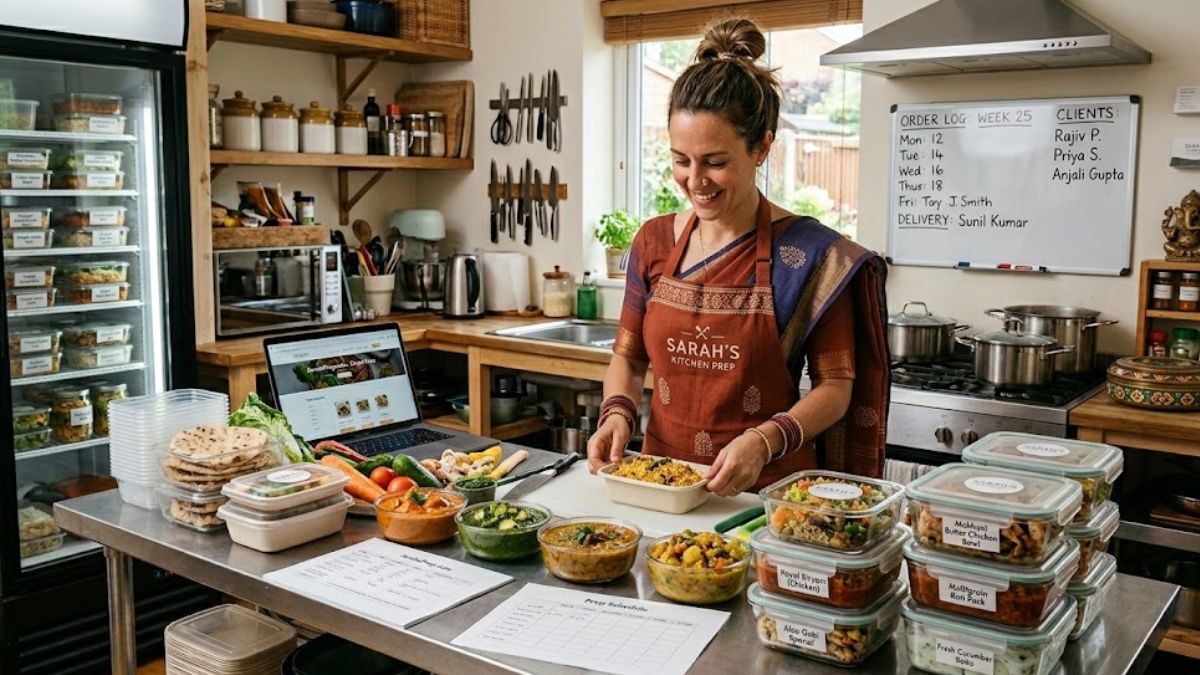
Starting a meal prep business at home has quickly evolved from a niche side hustle into one of the most practical and profitable food business ideas in India. At its core, this business involves preparing ready-to-eat or ready-to-cook meals for customers who want convenience without compromising on health. The growing demand for healthy, home-style food has created a strong opportunity for individuals to start a meal prep business with relatively low investment and high scalability.
The “what” is simple. A home-based meal prep business delivers pre-portioned, nutritious meals tailored to customer needs. The “why” lies in changing lifestyles. Busy professionals, fitness enthusiasts, students, and even families are increasingly outsourcing their daily meals to save time and maintain a healthier diet. The “who” includes aspiring entrepreneurs, home chefs, nutritionists, and even small-scale food operators looking to formalize their offering. The “where” is flexible. You can begin from your home kitchen in cities like Jamshedpur, Mumbai, or Bengaluru and expand through delivery channels. The “when” is now, driven by rising health awareness and the growth of digital ordering platforms. The “how” involves planning menus, sourcing ingredients, setting up packaging and delivery, and building a customer base through online channels. As for “how much,” a basic setup can start from ₹30,000 to ₹2 lakh depending on scale and quality of operations.
This article breaks down how to start a meal prep business in a structured, actionable, and realistic way for FoundLanes.com readers. From identifying your niche to building a profitable meal prep business model, you will get a complete roadmap to launch, operate, and scale your venture in today’s competitive food ecosystem.
1. Startup Idea Overview: Building a Home-Based Meal Prep Business
A meal prep business is designed around convenience, nutrition, and consistency. Unlike traditional restaurants, this model focuses on planned meals rather than on-demand cooking. The idea is to prepare meals in advance, portion them, and deliver them to customers either daily or on a subscription basis. This makes it a highly predictable and scalable business compared to typical food services. A home-based meal prep business solves a real-world problem. People want healthy food but lack time to cook. Restaurants often provide oily or expensive options. This gap creates space for a reliable, affordable, and health-focused alternative. For entrepreneurs, this is one of the most accessible ways to start a food business at home. It requires limited space, manageable investment, and can be scaled gradually with demand.
1. Problem Statement & Solution
1.1 What’s Broken in the Current Food Market
Urban lifestyles have made cooking a daily challenge. Long working hours, commuting, and changing eating habits have reduced the time people spend in kitchens. At the same time, food delivery platforms often promote convenience over nutrition. Many options are high in calories, preservatives, and unhealthy fats. Another issue is inconsistency. Even good restaurants struggle to maintain the same quality every day. Customers looking for long-term meal solutions often feel dissatisfied.
1.2 The Practical Solution
A meal prep company startup addresses these problems directly. It offers structured meal plans, controlled ingredients, and consistent quality. Customers get the benefit of home-style cooking combined with professional planning. Meals can be customized for weight loss, muscle gain, diabetic diets, or general wellness. This model also introduces predictability. Customers know what they will eat in advance, which helps them stick to their health goals.
2. Target Audience & Customer Persona
The success of any meal prep business depends heavily on understanding its audience. The primary customers are working professionals aged 22 to 45. They are time-constrained but willing to spend on convenience and health. Many of them live alone or in nuclear families. Fitness enthusiasts form another major segment. They need controlled portions, high protein intake, and calorie tracking. A healthy meal delivery startup can directly target this group with specialized plans.
Students and young couples also represent a growing market. They prefer affordable meal subscriptions instead of cooking daily. In smaller cities like Jamshedpur, there is an emerging demand for meal prep delivery at home. As incomes rise and digital adoption increases, this segment is expected to grow rapidly. Understanding customer behavior is key. They value taste, consistency, hygiene, and timely delivery. Price matters, but reliability matters more.
3. Market Opportunity & Timing
India’s food services industry is undergoing a major shift. The focus is moving from indulgence to health and convenience. The rise of fitness culture, influenced by gyms, social media, and wellness awareness, has created demand for structured diets. This directly supports the growth of diet meal delivery services. The subscription economy is another key trend. Customers are increasingly comfortable paying weekly or monthly for services, including food.
The COVID-19 pandemic also played a role in building trust in home-cooked meals. Many people now prefer hygienic, home-style food over restaurant options. A weekly meal planning business fits perfectly into this ecosystem. It offers predictability, cost efficiency, and long-term customer retention. This is the right time to start your own meal prep business because the market is still fragmented. There is space for local players to build strong, loyal customer bases.
4. USP & Value Proposition
The core strength of a meal prep business lies in its ability to combine health, convenience, and personalization. Your unique selling proposition could be based on several factors. It could be calorie-controlled meals, region-specific cuisine, or specialized diets like keto or vegan. Consistency is another powerful differentiator. If customers trust your quality, they are likely to stay for months. Customization also adds value. Allowing customers to choose meal plans or tweak ingredients increases satisfaction and retention. The value proposition is simple. Save time, eat healthy, and enjoy home-style meals without daily effort.
5. Business Model & Pricing Strategy
A meal prep business plan typically revolves around subscriptions. Customers can choose weekly or monthly plans. Pricing depends on meal type, portion size, and delivery frequency. For example, a standard plan might cost ₹150 to ₹250 per meal. Premium plans with specialized diets can go up to ₹400 per meal. The margins come from efficient sourcing, bulk cooking, and optimized logistics. A well-run operation can achieve 20–40% margins. Add-ons like snacks, juices, or desserts can increase revenue. Upselling is an important part of a profitable meal prep business.
6. Execution Plan & Launch Strategy
6.1 Step-by-Step Launch
Start small. Test your concept with a limited menu and a small group of customers. This helps you understand demand and refine your offering. Build an MVP. Offer 3 to 5 meal options and focus on quality rather than variety. Collect feedback actively. Early customers will help you improve your recipes, packaging, and delivery process.
6.2 Scaling Gradually
Once you have consistent demand, expand your menu and delivery areas. Invest in better packaging and branding. This improves customer perception and retention. Gradually move from manual operations to structured processes.
7. Budget, Resources & Infrastructure
Starting a home-based meal prep business is more about smart planning than massive capital. I’ve seen many first-time entrepreneurs get overwhelmed thinking they need a full-fledged commercial kitchen—this isn’t true. You can begin with a well-organized kitchen, the right set of utensils, and quality storage and packaging materials. A refrigerator or freezer is non-negotiable; food safety can make or break your reputation.
Ingredient sourcing will be your largest recurring cost. One trick I’ve learned is buying in bulk from local wholesale markets it reduces cost and ensures fresh supply. For delivery, I’ve observed that relying on a mix of local riders and trusted third-party services works best. You don’t need fancy apps at the start; simple tools like WhatsApp Business for orders, Google Forms for tracking, and digital payment apps are enough. The goal is to keep operations lean, responsive, and human customers notice when care goes into every step.
8. Brand Strategy
Your brand is your promise, and in the food business, that promise is everything. A name should immediately communicate trust, health, and simplicity. I’ve seen small meal prep brands fail simply because their name or logo was confusing customers couldn’t remember it or didn’t feel it aligned with healthy living.
Invest in a clean, minimal logo and colors that evoke freshness, nutrition, and vitality greens, soft yellows, or neutral tones work well. Your brand voice matters as much as your food. Speak with warmth, reliability, and genuine care. People should feel that when they order from you, it’s more than a meal it’s a step toward better health. Position yourself not just as a food provider but as a partner in your customer’s wellness journey. This subtle distinction builds trust and keeps people coming back.
9. Vendor & Partner Strategy
Quality starts before the food hits the plate. Work only with vendors who consistently deliver fresh vegetables, meats, and grains. I’ve experienced firsthand that even one inconsistent ingredient can destroy the taste and reputation of your dishes. Packaging is equally crucial durable, eco-friendly packaging tells your customers you care about both their experience and the planet.
Delivery partners are the unsung heroes of your business. A single late delivery can undo weeks of effort in building trust. When choosing delivery channels, prioritize reliability over cost-cutting. Think of them as an extension of your brand the way they handle your food reflects directly on you.
10. Go-to-Market & Customer Acquisition Channels
Digital marketing is your frontline. Instagram and WhatsApp are incredibly effective because they let you tell a story visually and personally. Share high-quality photos, customer testimonials, and detailed meal plans. I’ve seen simple posts with authentic captions outperform glossy ads because people connect with real experiences, not just marketing speak.
Local channels still work wonders. Flyers in gyms, collaborations with fitness trainers, and word-of-mouth within health-focused communities can bring in your first loyal customers. Partnerships with nutritionists are particularly powerful they are trusted advisors, and their recommendations carry weight. Listing on food delivery platforms can expand your reach quickly, but margins can take a hit. Balance visibility with profitability; sometimes direct relationships with customers are more valuable long-term.
11. Growth & Retention Strategy
In a meal prep business, retention beats acquisition. You can spend heavily on ads, but if your customers don’t come back, growth will stall. Offer subscription discounts and loyalty programs that reward consistency—customers notice when they feel valued.
Menu variety keeps engagement high. I’ve experimented with rotating weekly menus and seasonal specials, and customer excitement consistently rises. Personal touches, like remembering preferences or customizing meals, create an emotional connection that no discount can match. When customers see real results better energy, weight management, improved health they become ambassadors for your brand. Retention is about creating a community, not just a transaction.
12. Team Structure & Responsibilities
In the beginning, you will wear many hats chef, marketer, delivery manager, and customer service agent. I’ve done this, and it teaches you the pulse of the business better than any manual ever could.
As demand grows, hire selectively. Start with cooking, packaging, and delivery support. Bringing on a part-time nutritionist adds authority, making your brand credible. Non-core tasks like accounting and digital marketing can be outsourced, but never compromise on anyone who touches the food it’s the heart of your operation. Building the right team is a balance of trust, skill, and shared passion.
13. Risks, Challenges & Mitigation
The food business is a high-stakes game. Scaling without losing quality is one of the toughest challenges I’ve faced. Standardizing recipes helps, but vigilance is key taste is what keeps customers loyal. Food safety is non-negotiable. Proper hygiene, storage, and handling are not just regulations they protect your customers and your reputation. Customer churn is another reality; even satisfied clients can drift away if you stop engaging. Continuous feedback, menu updates, and small personal touches can turn occasional buyers into lifelong fans.
Finally, managing costs while maintaining quality is a constant balancing act. I’ve learned that cutting corners on ingredients or service hurts more in the long run than carefully planning budgets and optimizing operations. Treat every decision as an investment in trust, because in food, trust is everything.
14. Legal, Compliance & Fundamentals
When I started my first home-based meal prep venture, the legal side felt overwhelming but it’s actually manageable if approached step by step. In India, the most critical requirement is an FSSAI registration. This isn’t just a formality it’s a mark of trust for your customers. People are increasingly conscious about food safety, and displaying your FSSAI license can give you an instant credibility boost. Depending on your city or town, local municipal approvals might also be necessary. I’ve seen entrepreneurs underestimate this, only to face delays or fines later. It’s always better to clarify early with your local authorities.
Packaging and labeling aren’t just about compliance they’re a communication tool. Labels should clearly indicate ingredients, expiration dates, and any allergen information. Proper hygiene in your kitchen is non-negotiable. Beyond legal compliance, it protects your reputation. One food safety lapse can undo months of customer trust. Treat every meal as if it’s going to a close friend or family member. That mindset alone sets you apart.
15. Long-Term Vision & Goals
A meal prep business can start small but has immense potential to scale. In my experience, those who think beyond day-to-day operations thrive. Within 3–5 years, you can expand to multiple kitchens, cover several cities, and diversify your offerings think different cuisines, dietary preferences, or fitness-focused plans. Technology becomes your secret weapon. Even a simple subscription model can turn casual buyers into committed customers. Data analytics tracking orders, preferences, and peak demand helps optimize menus, reduce waste, and increase profit margins. Apps and digital tools also enhance the customer experience, making ordering seamless and personal.
Your ultimate goal should be to build a trusted brand. People aren’t just buying food; they’re buying a promise of health, consistency, and care. When they know your name guarantees freshness and taste, you gain not only repeat customers but loyal advocates who become part of your brand story.
16. Future Outlook: Why You Should Start a Meal Prep Business Now
The future of food is clear: it’s healthy, convenient, and personalized. People want meals that fit their lifestyle, save time, and contribute to long-term well-being. A meal prep business sits perfectly at this crossroads. I’ve seen firsthand how consumer behavior is shifting. Urban professionals, parents, and fitness enthusiasts are all looking for structured, reliable meal solutions. The demand isn’t just a trend it’s a lasting shift in lifestyle choices. Those who enter the market now get the advantage of building relationships and trust early.
When executed properly, a meal prep business is not only profitable but also emotionally rewarding. Watching customers report better energy, weight management, or simply relief from daily meal stress is incredibly fulfilling. The recurring revenue from subscriptions, combined with high retention, creates a stable, sustainable business model. For anyone with a passion for food, health, and entrepreneurship, this is one of the most practical, scalable, and future-ready ventures you can start at home today. It’s more than a business it’s an opportunity to touch lives, one meal at a time.
About foundlanes.com
foundlanes.com is India’s leading platform for startup ideas, business insights, and entrepreneurial guidance. It focuses on practical, execution-driven content that helps aspiring founders turn ideas into real businesses. From deep-dive startup breakdowns to actionable business strategies, FoundLanes empowers readers to build, launch, and scale ventures in today’s competitive market.