


Introduction
If you’ve ever tried renting a flat, buying land, or even just verifying property documents in India, you already know how messy the process can get. Information is scattered, trust is fragile, and a lot of decisions still depend on offline networks or brokers. That gap between what people expect and what actually exists is exactly where the idea to Start a PropTech Startup begins to make sense.
At its core, a PropTech startup is about using technology to simplify real estate. This could mean building a digital real estate platform that helps users discover verified listings, using AI in real estate to predict prices, or creating tools that make property management smoother for landlords. The “why” is simple. Real estate is one of India’s largest sectors, yet it still runs on outdated systems in many areas. This opportunity is especially relevant now. With increasing internet penetration, rising smartphone usage, and a younger population more comfortable with digital tools, the timing feels right. Cities like Bengaluru, Mumbai, and even Tier-2 markets are seeing growing demand for better property tech solutions.
The “who” includes homebuyers, renters, brokers, developers, and even investors. The “where” is both urban and semi-urban India, where digitization is still catching up. The “when” is now, as digital adoption is accelerating post-2020. And the “how much”? Starting a PropTech startup in India can range anywhere from ₹5 lakh for a lean MVP to ₹50 lakh or more for a full-scale launch, depending on the product and team. But more than capital, what really matters is clarity of problem and execution.
1. Startup Idea Overview
If you’ve ever tried finding a house in India, you probably remember that feeling. You open multiple tabs, scroll through endless listings, call a few numbers that don’t respond, and somewhere in between, you start wondering what’s actually real and what’s not. That frustration is not rare, it’s almost expected. And that’s exactly where the idea to build a PropTech startup begins, not from ambition alone, but from a very real, very personal problem that almost everyone has faced at some point.
Starting a PropTech startup isn’t about building just another property website that adds to the noise. It’s about quietly fixing the things that have been broken for years. When you think about it closely, most of the pain in real estate comes from uncertainty. You’re never fully sure if the price is right, if the listing is genuine, or if the person you’re dealing with is trustworthy. A well-thought-out proptech business model focuses on removing that uncertainty piece by piece. Something as simple as verified listings or real-time price insights can change how confident a user feels while making decisions. And when you layer that with features like virtual tours or digital tenant management, it stops being just a platform and starts becoming a part of someone’s real-life journey. In a market like India, where multiple middlemen are often involved, even a small shift toward transparency can feel like a huge relief. That’s where real estate innovation in India is slowly heading, toward making the experience less stressful and more predictable.
2. Problem Statement & Solution
The deeper you go into Indian real estate, the more you realize that the core issue isn’t just inefficiency, it’s trust. People don’t trust listings completely. They don’t trust prices fully. And most importantly, they don’t trust the process. There’s always this underlying doubt, “Am I making the right decision, or am I missing something?” That doubt doesn’t just stay in your head, it affects how long you take to decide, how many people you consult, and sometimes whether you move forward at all. It slows everything down.
Then there’s the issue of scattered information. One detail is with a broker, another on a portal, something else through a friend or a local contact. You end up piecing things together like a puzzle, hoping it forms a clear picture. But often, it doesn’t. This is where a PropTech startup starts making sense in a very practical way. By bringing everything into one place, verified listings, AI-driven price trends, document checks, and direct communication, it reduces that constant back-and-forth. It gives users a sense of control they didn’t have before. And over time, that changes behavior. People stop relying entirely on intermediaries and start making more informed decisions themselves. It’s not just about solving a problem in the moment, it’s about slowly changing how people experience real estate altogether.
3. Target Audience & Customer Persona
When you think about who actually uses a PropTech platform, it’s easy to assume it’s just buyers or renters. But when you look closer, it’s a much wider mix of people, each with their own expectations, doubts, and habits. There’s the first-time homebuyer who feels overwhelmed by everything they don’t know. They spend hours researching, often second-guessing every step because the stakes feel so high. Then there’s the young renter who just wants something quick, reliable, and hassle-free. They don’t want long calls or unnecessary delays. They want clarity.
A typical user could be someone in their late twenties, working in a city, juggling work and personal life, and trying to find a place that fits both their budget and comfort. They’re used to apps that respond instantly, so waiting days for a callback feels outdated to them. At the same time, if you move slightly outside metro cities, you’ll find users who are just beginning to trust digital platforms. For them, the need isn’t speed, it’s reassurance. They want things to feel simple and dependable. Understanding these small but important differences is what shapes a strong product. Because in the end, a property tech platform isn’t just about features, it’s about fitting into different lives in a way that feels natural.
4. Market Opportunity & Timing
There’s something interesting about the real estate market in India. On one hand, it’s massive, deeply rooted, and touches almost every family in some way. On the other hand, when it comes to technology, it still feels like it’s catching up. You see this gap everywhere, traditional systems trying to operate in a world that has already moved online. And that gap, as challenging as it looks, is also where the opportunity lies.
If you’re planning to start a PropTech startup, timing matters more than people often admit. Over the last few years, things have quietly shifted. More people are comfortable making big decisions online. Digital payments have become normal. Smartphones are everywhere, not just in big cities but across smaller towns too. And then there’s the growing influence of global trends like AI in real estate or virtual property tours. They’re no longer distant ideas, they’re slowly becoming part of how people expect things to work. Early players who step in now aren’t just entering a market, they’re helping shape how this market evolves. And when you look at it that way, it’s not just about starting a business at the right time. It’s about being part of a shift that’s already happening, whether people notice it or not.
5. USP & Value Proposition
If you sit back and really think about why people hesitate while using property platforms, it almost always comes down to one thing. They don’t fully trust what they’re seeing. It’s not that there aren’t enough options. In fact, there are too many. Listings everywhere, promises everywhere, but very little clarity. That’s why the real differentiator in PropTech isn’t flashy features or a long list of offerings. It’s trust, built in a way that feels simple and effortless to the user.
A strong value proposition doesn’t try to impress with complexity. It tries to remove doubt. Something as straightforward as “verified listings only” can quietly change how a user feels while browsing. They don’t have to second-guess every detail. Or an end-to-end digital journey where a user can search, evaluate, and move forward without jumping across platforms. That continuity matters more than we often realize. Personalization also plays a role here, not in a heavy, technical way, but in a subtle, thoughtful way. When a platform starts showing properties that actually match what someone is looking for, it feels less like searching and more like being understood. And in a crowded space where everyone is trying to offer more, the ones who simplify the experience often stand out the most.
6. Business Model & Pricing Strategy
When you look at how PropTech startups make money, it’s rarely just one straight path. It’s usually a mix of different streams that come together over time. Listing fees from developers, subscription models for brokers, commissions on successful deals, these are all common pieces of the puzzle. But what’s interesting is how these models evolve as the business grows.
In the early days, revenue often takes a back seat. The focus is on getting users in, understanding their behavior, and building something they keep coming back to. It can feel a bit uncertain at times, especially when expenses are steady but income is still catching up. But that’s part of the journey. As the user base grows, monetization starts to feel more natural. Premium features begin to make sense, like advanced insights or priority visibility, because users already see value in the platform. Pricing, in this case, isn’t about matching competitors. It’s about reading your users carefully. What are they willing to pay for without hesitation? What actually solves a problem for them? When pricing aligns with real value, it doesn’t feel like a transaction, it feels like a fair exchange.
7. Execution Plan & Launch Strategy
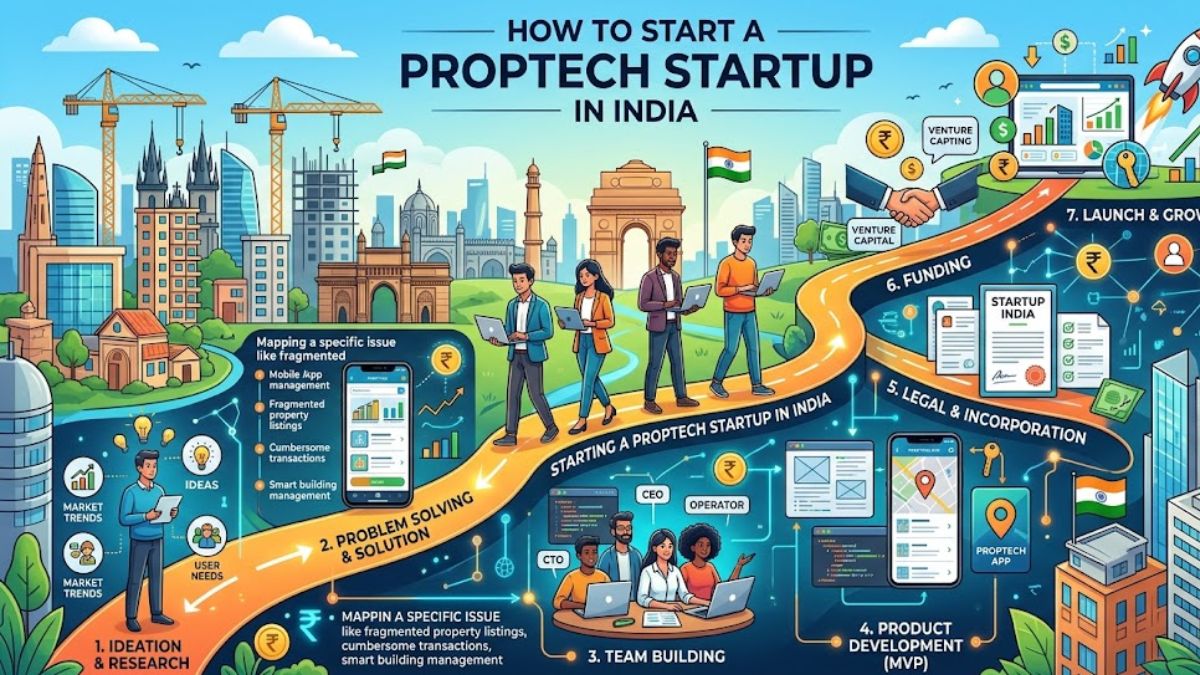
Every startup idea sounds clear in your head until you try to build it. That’s when things start getting real. The first step, and probably the most important one, is being brutally honest about the problem you’re solving. If that part isn’t clear, everything that follows feels scattered. It’s easy to get excited about features, design, and technology, but without a strong foundation, none of it holds up.
Building an MVP is where you start grounding that idea. It’s not supposed to be perfect. In fact, it rarely is. It’s just a basic version of your vision, enough to test if people actually care. You launch it, you share it with early users, and then you watch closely. The feedback you get at this stage can be uncomfortable sometimes, but it’s also the most valuable. It shows you what’s working and what isn’t, without any filters. Starting in one city or one segment often makes this process easier. It gives you space to learn without being stretched too thin. And slowly, as things start making sense, you expand. Not in a rush, but with a bit more confidence each time.
8. Budget, Resources & Infrastructure
There’s always this temptation to build everything perfectly from day one. A big team, advanced technology, heavy marketing. It sounds ideal, but in reality, it often creates more pressure than progress. Starting lean isn’t just about saving money. It’s about staying focused on what actually matters in the beginning.
Most early-stage PropTech startups run on small teams wearing multiple hats. A developer handling both backend and frontend, a founder managing product and marketing, a designer figuring things out as they go. It’s not always smooth, but it’s real. Costs usually revolve around development, hosting, and basic marketing efforts. And with tools available today, cloud services, no-code platforms, APIs, you don’t always need to build everything from scratch. This helps keep expenses under control. The goal in this phase isn’t to look big. It’s to learn fast, adjust quickly, and make sure every rupee spent is moving you forward.
9. Brand Strategy
When people interact with a PropTech platform for the first time, they’re not just evaluating features. They’re feeling something, even if they don’t realize it. Does this feel reliable? Does this look like something I can trust? That first impression often comes from the brand, not the product.
A strong brand in this space doesn’t try too hard to impress. It focuses on being clear, simple, and consistent. The name should feel easy, something people can remember without effort. The design should feel clean, not overloaded with information. And the tone should feel human, not overly technical or distant. Whether the brand positions itself around affordability, transparency, or premium experience, that message needs to stay consistent across everything. Because over time, that consistency is what builds recognition. And in a space where trust is already fragile, a strong, steady brand can quietly become one of your biggest advantages.
10. Vendor & Partner Strategy
If you’ve ever tried to build something from scratch, you’ll know this pretty quickly, you can’t do everything alone, no matter how strong your idea is. In PropTech, this becomes even more real because you’re not just dealing with technology, you’re dealing with people, processes, and systems that have existed for years. Developers, brokers, legal advisors, data providers, all of them become part of your journey whether you plan it that way or not. And the truth is, the quality of these relationships quietly shapes how fast or slow you grow.
Choosing the right partners isn’t just about cost or convenience. It’s about alignment. Do they understand what you’re trying to build? Do they care about the same level of quality and trust you’re aiming for? A weak partnership doesn’t always fail loudly. Sometimes it just slows things down, missed timelines, unclear communication, small compromises that add up over time. And that can be frustrating when you’re trying to move fast. On the other hand, when you find the right people, those who believe in your vision even a little, things start feeling smoother. Conversations become easier, problems get solved faster, and over time, these relationships turn into something more stable than just transactions. In a space like real estate, where trust already takes time to build, having partners who stand by you consistently becomes one of your strongest foundations.
11. Go-to-Market & Customer Acquisition Channels
In the early days, getting your first set of users feels harder than building the product itself. You’ve put in the effort, solved a real problem, and still, no one knows you exist. That phase can feel slow, sometimes even discouraging. But this is where your go-to-market approach starts to matter more than anything else.
Most startups begin with digital channels, and for good reason. SEO, social media, and performance marketing give you visibility, even with a limited budget. But what really works over time is content. When you start explaining things clearly, writing guides, sharing insights, helping users understand real estate better, something changes. People begin to trust you before they even use your product. And that trust makes acquisition easier. At the same time, in India, you can’t ignore offline channels. Broker networks, local events, word-of-mouth in smaller cities, they still play a huge role. Sometimes, one strong local connection brings more users than a full digital campaign. The key is to keep testing, keep observing, and slowly figure out where your audience actually listens. Because growth doesn’t come from being everywhere, it comes from being present where it matters.
12. Growth & Retention Strategy
It’s easy to get caught up in numbers when you start growing. More users, more sign-ups, more traffic. It feels like progress, and in many ways, it is. But after a point, you start noticing something important. Not everyone comes back. And that’s when you realize that acquiring users is just the beginning. Keeping them is where the real challenge lies.
Retention is built quietly, through small but consistent efforts. A smoother experience, faster responses, features that actually solve problems instead of just looking good, these things matter more than big announcements. When users feel like the platform is improving over time, they stay. When they feel heard, they come back. Simple things like responding to feedback, fixing issues quickly, or even acknowledging user concerns can create a sense of connection. Referral programs and loyalty incentives help too, but only when the base experience is strong. Over time, a loyal user base becomes more than just numbers. It becomes your biggest strength. They recommend you, defend you, and grow with you. And that kind of growth feels very different from anything driven purely by ads.
13. Team Structure & Responsibilities
In the beginning, a startup team rarely looks like a “team” in the traditional sense. It’s usually a small group of people, sometimes just the founders, trying to do everything at once. One moment you’re discussing product features, the next you’re replying to users, and then figuring out marketing. It’s messy, a bit overwhelming at times, but also very real. That phase teaches you more than any structured role ever could.
As the startup starts growing, things slowly begin to take shape. You realize you can’t do everything alone forever. That’s when roles start becoming clearer. You bring in people who are better than you at specific things, tech, sales, marketing, operations. And with each addition, the structure becomes stronger. But even then, flexibility matters. Early teams that stay adaptable tend to move faster. Outsourcing certain tasks can also help, especially when you want to keep costs under control. The goal isn’t to build a large team quickly. It’s to build the right team, one that understands the journey, believes in the vision, and is willing to figure things out together.
14. Risks, Challenges & Mitigation
No matter how well you plan, there are always moments in a startup where things don’t go as expected. In PropTech, these challenges can feel even heavier because you’re dealing with a sector that’s deeply regulated, highly competitive, and built on trust. There are legal requirements to follow, strong existing players to compete with, and users who are naturally cautious. It can feel like you’re trying to build something new in a space that resists change.
But over time, you start understanding that risks aren’t something you eliminate completely. You manage them. Staying compliant with regulations, being transparent with users, and continuously improving your product are not just good practices, they’re necessary for survival. There will be setbacks, maybe a feature that doesn’t work as expected, a partnership that falls through, or slower growth than planned. Those moments can feel discouraging. But what makes a difference is how you respond. Being adaptable, learning quickly, and staying consistent even when things feel uncertain, that’s what helps you move forward. In the end, challenges don’t just test your idea. They shape how strong your startup becomes over time.
15. Legal, Compliance & Fundamentals
This is the part most founders don’t feel excited about in the beginning. It doesn’t feel creative, it doesn’t feel like growth, and it definitely doesn’t give you quick wins. But if there’s one area in PropTech where you simply cannot afford to be casual, it’s this. Real estate deals involve real money, often someone’s life savings. And the moment users sense even a slight gap in legality or documentation, trust disappears faster than anything you can build through marketing.
Registering your business properly, understanding RERA guidelines, setting up clear agreements, these aren’t just formalities. They’re signals. Signals that you’re serious, that you’re accountable, that you’re not here to cut corners. In the early days, it might feel like overkill to spend time and money on legal consultations. You might think, “We’ll handle it later once we grow.” But that “later” often comes with complications that are much harder to fix. Founders who’ve been through it will tell you, a small legal mistake can slow you down more than a failed feature ever could. Getting professionals involved early doesn’t just protect you, it gives you confidence to operate without constantly worrying about what might go wrong. And in a space like real estate, that confidence quietly reflects in how users perceive you.
16. Long-Term Vision & Goals
When you start out, most of your focus is on survival. Getting the product right, finding users, making sure things don’t fall apart. It’s intense, and sometimes it feels like you’re just moving from one problem to the next. But somewhere in between all that, there’s a bigger question that slowly starts becoming important, where is all of this going?
A strong PropTech startup doesn’t stop at solving one problem. It keeps expanding its role in the user’s journey. Today, it might help someone find a property. Tomorrow, it could help them finalize the deal, manage paperwork, handle payments, or even manage that property after purchase. That’s how the idea of becoming a full ecosystem begins to take shape. It’s not about adding features randomly, it’s about growing in a way that feels natural to the user. Scaling across cities is part of this, but it comes with its own learning curve. Every city behaves differently, every market has its own rhythm. Alongside that, integrating new technologies like AI or data-driven insights becomes less of an option and more of a necessity. Over time, what you’re really building is not just a platform, but a brand people rely on during one of the most important decisions of their lives.
17. Future Outlook
If you look at where real estate technology in India stands today, it feels like we’re still in the early stages of something much bigger. There’s been progress, no doubt. More people are using apps to search for properties, more transactions are moving online, and there’s a growing openness to digital solutions. But at the same time, you can still see gaps. Processes that feel outdated, systems that could be simpler, experiences that could be smoother.
That’s what makes the future of this space so interesting. The foundation is already shifting. With better internet access, increasing smartphone usage, and a younger generation that prefers doing things digitally, the demand for smarter solutions is only going to grow. For anyone thinking about whether to Start a PropTech Startup, this is both exciting and slightly intimidating. The opportunity is real, but so is the responsibility. Because building in this space isn’t just about creating a product, it’s about solving problems that people genuinely care about. And the startups that succeed will be the ones that don’t just follow trends, but actually understand what users are going through and build something that quietly makes their lives easier.
About foundlanes.com
foundlanes.com is India’s leading startup idea discovery platform. It helps entrepreneurs find actionable startup opportunities, market insights, and industry-specific guidance to turn ideas into real businesses. With deep research and practical resources, foundlanes supports founders at every stage, from idea validation to launch and growth.