


Introduction
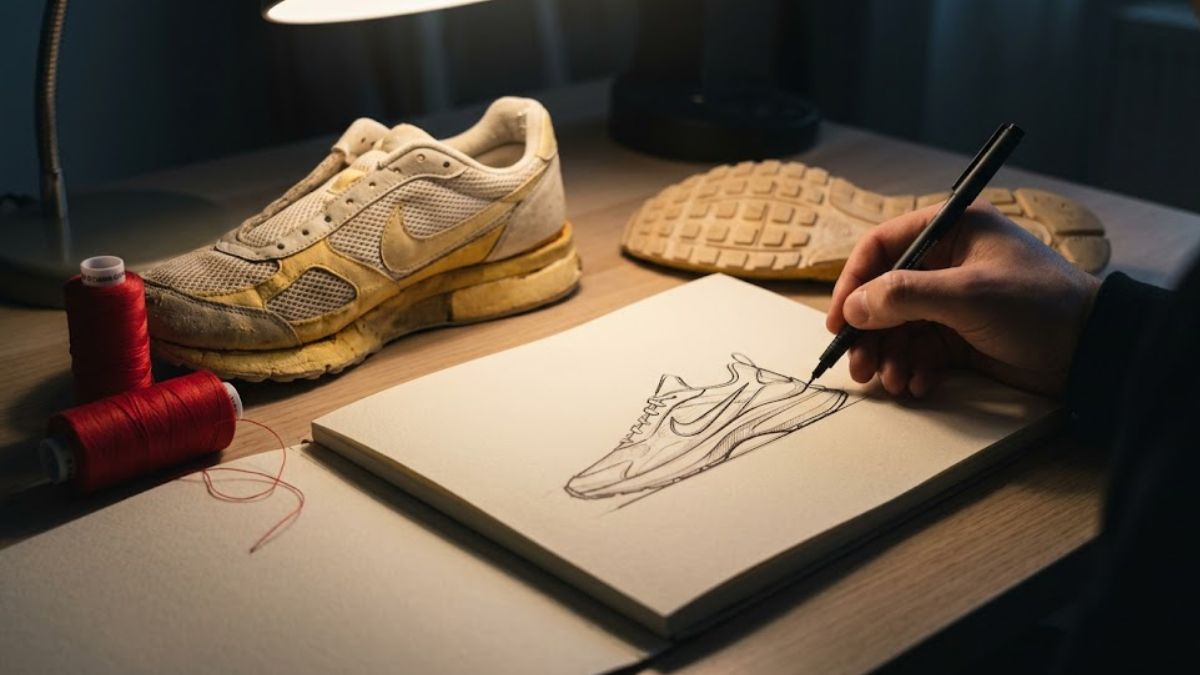
Starting a sneaker business today is no longer limited to global giants or large-scale manufacturers. It has evolved into a dynamic, accessible opportunity for entrepreneurs who understand culture, branding, and digital commerce. At its core, to start a sneaker business means entering a market that blends fashion, street culture, sportswear, and resale economics into a single high-growth category. The demand is driven by Gen Z and millennials who see sneakers not just as footwear, but as identity, status, and even investment assets.
The rise of sneaker culture in India and globally has created multiple entry points. You can build your own brand, operate a sneaker resale business, or launch a curated online store. Each model caters to a slightly different audience, from collectors and enthusiasts to everyday consumers looking for stylish yet comfortable shoes. The business can be started online, through Instagram or e-commerce platforms, or offline via boutique stores in urban markets.
Timing plays a crucial role. With the growth of digital payments, influencer marketing, and global fashion awareness, the Indian sneaker market is expanding rapidly. Entrepreneurs exploring how to start a sneaker business online are benefiting from lower entry barriers and direct-to-consumer models. Investment can range from ₹2 lakh for a small resale operation to ₹20 lakh or more for launching a private label brand. Margins vary widely depending on sourcing and positioning, but sneaker business profit margin can reach 30%–60% in premium segments. With the right strategy, branding, and execution, a sneaker business can evolve from a side hustle into a full-scale brand.
1. Startup Idea Overview
Starting a sneaker business today is not just about selling footwear. It is about stepping into a culture that has grown far beyond sports. Sneakers have become a form of identity, influenced by music, streetwear, sports icons, and social media trends. In India, this shift is no longer subtle. You can see it in college campuses, Instagram pages, and even small-town markets. People are no longer buying shoes just for utility. They are buying them for expression, for status, and sometimes even for collection. That creates a very real opportunity. But the opportunity isn’t one-size-fits-all. There are multiple ways to enter this space, and each one comes with a different mindset. Some choose the resale route. They source high-demand sneakers, often limited releases, and sell them at a premium. This model depends heavily on timing, access, and understanding hype cycles.
Others go deeper and build their own brand. This path is harder but more rewarding in the long run. It involves designing products, building a story, and slowly earning trust in a crowded market. Then there are those who curate. They don’t manufacture or chase hype. Instead, they build platforms that bring together multiple brands, offering customers variety with authenticity. All three paths are different, but they revolve around the same truth: people want sneakers that feel real, accessible, and aligned with their identity.
2. Problem Statement & Solution
2.1 What is Broken in the Market
The sneaker market in India looks exciting from the outside, but once you step in, the gaps become obvious. Access is still limited. Many global releases never officially reach India, or if they do, they arrive late and in limited quantities. This creates frustration among buyers who follow trends but can’t participate in them. Then there’s pricing. Import duties and resale markups often push prices beyond what most people are willing to pay. What should feel aspirational starts to feel inaccessible.
And then comes the biggest issue, trust. Counterfeit products are everywhere. For a new buyer, it’s almost impossible to tell what’s real and what’s not. That uncertainty makes people hesitate, even when they are willing to spend. On the other side, local brands are trying to emerge, but many struggle with visibility and positioning. They might have good products, but without strong branding or distribution, they rarely reach the right audience.
2.2 How This Business Solves It
A well-built sneaker business doesn’t just sell products. It solves these exact frustrations. For a reseller, the value lies in authenticity and access. If you can consistently provide verified sneakers and deliver them without hassle, you remove the biggest fear customers have. Over time, that builds trust, which is far more valuable than a one-time sale.
For someone building a brand, the opportunity is deeper. It’s about creating products that feel global in design but local in understanding. Indian consumers don’t just want copies of international styles. They want something that fits their lifestyle, climate, and price sensitivity. For curated platforms, the focus is on experience. Making discovery easier, ensuring every product is genuine, and giving customers confidence in their purchase decisions. At its core, this business works when it reduces confusion and increases confidence. That’s what customers are really paying for.
3. Target Audience & Customer Persona
The sneaker audience in India is not one single group. It’s layered, and understanding that difference changes how you build the business. The most visible segment is urban youth, roughly between 16 and 35. They are deeply influenced by global culture. They follow trends, watch what celebrities wear, and spend time discovering styles online. For them, sneakers are part of identity, not just fashion.
Then there are sneaker enthusiasts and collectors. This is a smaller group, but incredibly valuable. They care about details. They know release dates, track limited editions, and are willing to pay a premium for exclusivity. For them, a sneaker is not just a product, it’s an asset, sometimes even an investment. And then there’s the everyday buyer. This group doesn’t necessarily follow sneaker culture closely, but they are evolving. They want comfort, quality, and something that looks good. They might not chase limited drops, but they are willing to spend more for something that feels worth it. Each of these segments behaves differently. And the success of a sneaker business often depends on choosing which one to serve first, rather than trying to serve all at once.
4. Market Opportunity & Timing
Globally, the sneaker market is massive and still growing. But what makes India interesting is that it’s still in the early stages of that growth curve. Rising disposable income, increased exposure to global trends, and the explosion of digital platforms have changed how people discover and buy products. What used to feel distant now feels accessible. E-commerce has removed entry barriers. You don’t need a physical store to start. Instagram pages, niche websites, and online communities have made it possible to build a brand or resale business from scratch. At the same time, trends like limited drops, collaborations, and sneaker reselling are slowly gaining traction in India. They are not yet saturated, which means there is still room to experiment and stand out.
That’s what makes the timing important. The market is not fully mature, which means it’s still open. But it’s also not early enough to ignore competition. This is a phase where the right positioning and execution can define long-term success. For anyone thinking about entering this space, this window matters. Because once the market fully organizes itself, it becomes much harder to break in.
5. USP & Value Proposition
In a market where sneakers are everywhere, the real question isn’t what you sell, it’s why someone should buy from you. That’s where the entire business either stands or collapses. For resellers, the strongest edge is trust. Not just saying “100% authentic,” but proving it consistently. In a space flooded with fakes, even one bad experience can break credibility. But if you get it right, if customers know they can rely on you without second-guessing, they don’t just come back, they bring others with them. Exclusivity adds another layer. Limited drops, rare pairs, early access, these are not just products, they’re moments. People don’t just want the sneaker, they want the feeling of getting something not everyone else has.
For those building their own brand, the game changes completely. Here, design matters, but design alone is not enough. What really connects is the story behind it. Why this sneaker exists, what it represents, and who it’s for. Because at that level, customers are not just buying footwear, they are choosing an identity. And then there’s community. The brands that grow fastest are not just selling, they’re interacting. Posting content, replying to DMs, sharing customer stories, collaborating with creators, all of this builds something deeper than transactions. It builds belonging. Especially online, where attention is short and choices are endless, that connection becomes your real advantage.
6. Business Model & Pricing Strategy
A sneaker business doesn’t follow a single path. The model you choose defines everything, your costs, your margins, your risk, and even your brand perception. The resale model is the most accessible starting point. You buy sneakers at retail or through connections, and sell them at a markup. The real money here comes from understanding demand. Limited releases, hype cycles, and timing can turn a single pair into a high-margin sale. But it’s not as easy as it sounds. You need access, speed, and a strong sense of what will actually sell.Then comes the private label route. This is where things get serious. Designing your own sneakers means dealing with manufacturing, sampling, quality control, and branding. It requires more capital and patience, but it gives you something resale never can, control. Control over pricing, margins, and most importantly, identity.
There’s also the hybrid model, where you combine both. Start with reselling to build cash flow and audience, then slowly introduce your own line once you understand the market better. Pricing, in all of this, is not just about numbers. It’s about perception. Premium positioning allows higher margins, but only if the product and experience justify it. Mass-market pricing, on the other hand, depends on volume and efficiency. Typically, margins can range anywhere between 20% to 60%, but that number means nothing without context. What matters is how consistently you can maintain it while scaling.
7. Execution Plan & Launch Strategy
Starting a sneaker business can feel overwhelming, but the smartest way to begin is by keeping things simple. First, choose your path. Resale, private label, or a mix of both. Trying to do everything at once usually leads to confusion and wasted money. Then comes validation. Before investing heavily, test the market. Buy a small set of sneakers or create a limited batch and start selling through Instagram or marketplaces. Watch how people respond. What they ask, what they hesitate on, what they actually buy. That feedback is more valuable than any plan.
Next, build your brand, even if it’s basic. A clean logo, clear communication, and honest product descriptions go a long way. In a trust-driven market, how you present yourself matters as much as what you sell. When you launch, don’t go big. Start with a limited collection. Focus on delivering a great experience to a small group of customers. Fast replies, smooth delivery, and genuine products. Those first customers shape your reputation. Once that foundation is strong, expansion becomes much easier and far less risky.
8. Budget, Resources & Infrastructure
One of the reasons many people are drawn to this space is that you don’t need massive capital to start, but you do need clarity on where your money goes. If you’re starting with resale, you can begin with around ₹2–5 lakh. This covers initial inventory, basic branding, and some marketing. It’s a manageable entry point, but it still requires careful planning. Buying the wrong inventory can lock up your capital quickly. For a private label brand, the investment jumps significantly, often ₹10–20 lakh or more. This includes product development, manufacturing, sampling, packaging, and building a brand from scratch. It’s a bigger risk, but also a bigger long-term opportunity.
Your main expenses will usually include:
- Inventory or production costs
- Branding and packaging
- Marketing and content creation
- Logistics and delivery
The good part is infrastructure. You don’t need a fancy office or a physical store in the beginning. A small storage space, reliable courier partners, and a basic online presence are enough to get started. What matters more than setup is discipline. Managing cash flow, choosing the right products, and building trust step by step. Because in the end, this business is not won by who starts big. It’s won by who stays consistent long enough to build something real.
9. Brand Strategy
In the sneaker space, branding isn’t a layer you add later. It is the business. People don’t just buy sneakers because they need them. They buy them because of how they feel wearing them, what they represent, and how they fit into their identity. That means your brand has to stand for something clear from day one. It starts with the name. Not something random or trendy, but something that reflects your personality and speaks to the kind of audience you want to attract. A strong name doesn’t just sound good, it feels right when people say it out loud or see it on a box. Then comes the visual side.
Sneakers are extremely visual products. Before anyone reads your description, they see your images, your logo, your packaging. If that first impression feels off, you’ve already lost attention. Consistency across your website, social media, and packaging builds familiarity. And familiarity builds trust. But what really holds it together is your voice. Whether your brand feels edgy, premium, street, or minimal, it has to stay consistent. You can’t sound luxury one day and casual the next. Customers notice that inconsistency, even if they don’t consciously point it out. A strong sneaker brand feels like a personality people recognize, not just a store they visit.
10. Vendor & Partner Strategy
Behind every successful sneaker business, there’s a network of people making things work quietly in the background. If you’re a reseller, your entire business depends on sourcing. One unreliable supplier can damage your reputation overnight. Authenticity is everything, so building relationships with trusted vendors isn’t optional, it’s survival. Over time, these relationships become your biggest advantage, giving you access others don’t have.
If you’re building your own brand, the stakes are even higher. Choosing the right manufacturer decides how your product feels, fits, and lasts. Working with manufacturers in India, China, or Vietnam each comes with trade-offs. Cost, quality, timelines, and communication all play a role. And in the early stages, you’ll likely face delays, sampling issues, and revisions. That’s part of the process. Then comes logistics. This is where many businesses lose customers without realizing it. Late deliveries, damaged boxes, or poor packaging can ruin an otherwise great product experience. On the flip side, smooth delivery and thoughtful packaging can turn a first-time buyer into a repeat customer. The customer doesn’t see your operations, but they feel the result of it.
11. Go-to-Market & Customer Acquisition Channels
Today, most sneaker businesses are built online before they ever exist offline. Platforms like Instagram and YouTube are not just marketing channels, they are discovery engines. This is where people find trends, follow creators, and decide what’s worth buying. A single post, if it resonates, can bring more attention than weeks of paid ads.
Influencer collaborations work well, but only when they feel real. Forced promotions are easy to spot and easy to ignore. The best partnerships happen when the product genuinely fits the person promoting it. Search-driven platforms and marketplaces also play a strong role. Many customers don’t browse randomly, they search with intent. They look for trending sneakers, resale opportunities, or specific styles. Being visible in those moments can directly translate into sales. Offline, even in a digital-first world, still matters. Pop-up stores, sneaker events, or small exhibitions give customers a chance to touch and try. That physical experience builds confidence, especially for first-time buyers. It also strengthens your brand in a way digital alone cannot. The smartest approach is not choosing one channel, but making them work together.
12. Growth & Retention Strategy
Growth in a sneaker business is not just about selling more pairs. It’s about staying relevant. New collections, limited drops, and collaborations keep the brand fresh. They create moments that people look forward to. But growth without consistency can backfire. If quality or authenticity slips, customers don’t forget. Retention is where the real business is built. A customer who buys once is good. A customer who comes back regularly is the foundation of your brand. And that only happens when they trust what you deliver.
They need to feel confident that:
- The product is genuine
- The quality matches expectations
- The experience will be smooth every time
But beyond that, the strongest brands build something deeper, a community. When customers feel connected, when they follow your drops, engage with your content, and talk about your brand, they stop being just buyers. They become part of what you’re building. And that’s when growth starts to feel less like effort and more like momentum.
13. Team Structure & Responsibilities
In the beginning, a sneaker business is usually just one person doing everything. And honestly, that phase matters more than people realize. When you’re handling sourcing, replying to customer messages, packing orders, and posting content yourself, you understand the business at a level no hire ever will. You see what customers actually ask, where they hesitate, what excites them, and what frustrates them. That experience shapes better decisions later. But as orders grow, that same setup starts to break. You can’t be everywhere at once. Delayed replies, missed orders, or inconsistent content slowly start affecting the experience. That’s when structure becomes necessary.
Operations usually come first. Someone to manage inventory, track orders, and keep things running smoothly. Then marketing, someone who understands content, trends, and how to keep the brand visible. Logistics follows closely, ensuring deliveries are fast and reliable. Creative work, like photography, reels, or branding design, doesn’t always need a full-time hire early on. Many founders work with freelancers to keep costs flexible while still maintaining quality. The shift from doing everything yourself to trusting others is not easy. But it’s the only way the business moves from survival mode to growth mode.
14. Risks, Challenges & Mitigation
The sneaker business looks exciting from the outside, but it comes with risks that can quietly damage your brand if you’re not careful. The biggest one is authenticity. Selling even one fake product, intentionally or by mistake, can break trust instantly. In this market, reputation spreads fast, especially online. That’s why sourcing carefully and verifying products isn’t just important, it’s non-negotiable. Then there’s inventory.
Buying the wrong stock can block your cash flow. Sneakers don’t always sell just because they look good. Trends shift quickly, and what feels like a sure bet today can sit unsold tomorrow. Many early founders learn this the hard way. And trends, that’s another challenge. Sneaker culture moves fast. New drops, collaborations, and styles keep changing what people want. If you’re not paying attention, you fall behind without even realizing it. Managing these risks comes down to discipline. Buy small before you scale. Track what actually sells, not what you think will sell. Stay close to your audience and keep learning from them. There’s no way to remove risk completely, but you can reduce costly mistakes by staying sharp and patient.
15. Legal, Compliance & Fundamentals
This is the part many people ignore in the excitement of starting, but it’s what keeps your business stable in the long run. At a basic level, you need proper registration. GST, a business entity, and required licenses depending on your setup. It might feel like paperwork, but it builds legitimacy, especially when customers and partners start taking you seriously.
If you’re building your own brand, trademarking your name becomes important. Your brand is your identity, and protecting it early avoids problems later when you start growing. If you’re sourcing from outside India, imports bring another layer. Duties, documentation, and compliance rules can impact both cost and timelines. Not understanding this can eat into your margins or delay deliveries. These things don’t directly increase sales, but they protect what you’re building. And once the business grows, having a clean, compliant structure saves a lot of stress.
16. Long-Term Vision & Goals
A sneaker business, if built right, rarely stays just a sneaker business. Over time, it can evolve into something much bigger, a lifestyle brand, a fashion label, or even a cultural platform. Many global brands started small, selling limited products to a niche audience, and slowly expanded by building strong identity and community. Growth can take multiple directions. You might open physical stores once your brand has enough pull. You might start shipping internationally as demand grows. Collaborations with designers, creators, or even other brands can open new audiences. But the real goal isn’t just expansion. It’s building something people trust and connect with. A brand they come back to, not because of discounts or hype, but because it consistently delivers what it promises. That kind of growth is slower, but far more sustainable.
17. Future Outlook
The decision to start a sneaker business today is not just based on a trend. It’s aligned with a deeper shift in how people dress and express themselves. Fashion is becoming more casual, and sneakers are at the center of that change. They’re no longer just part of an outfit, they often define it. In India, this movement is still growing. The market hasn’t fully matured, which means there’s still room to build something meaningful. Consumers are becoming more aware, more selective, and more open to new brands that feel authentic.
That creates a rare window. Entrepreneurs who understand culture, branding, and digital behavior have a real chance to stand out. Not by copying what already exists, but by building something that feels original and relevant. Whether you’re starting small online or aiming to build a full-scale brand, the direction is clear. The next few years will likely see more Indian sneaker brands stepping onto the global stage. And the ones that succeed won’t just sell shoes. They’ll build something people believe in.
About foundlanes.com
foundlanes.com is India’s leading startup idea discovery platform. It helps entrepreneurs find actionable startup opportunities, market insights, and industry-specific guidance to turn ideas into real businesses. With deep research and practical resources, foundlanes supports founders at every stage, from idea validation to launch and growth.