


Summary
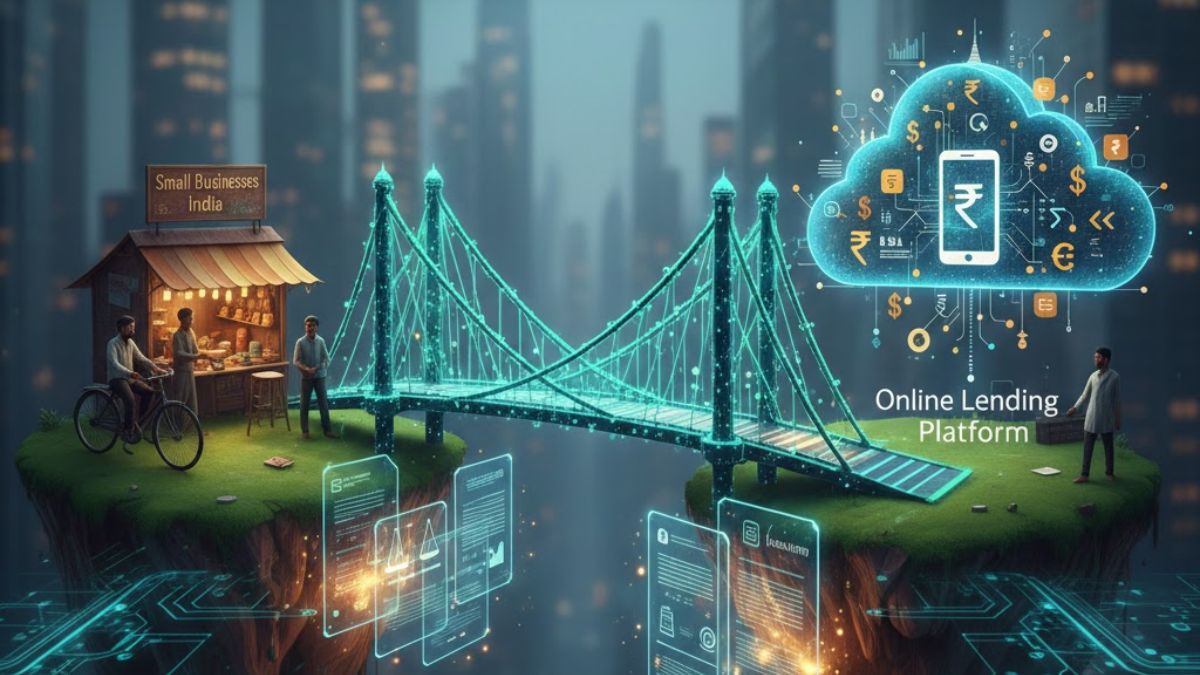
Starting an online loan business in India has become one of the most discussed entrepreneurial ideas in the country. The space has exploded because people now expect money to move as quickly as messages do. The old lending system still feels slow, intimidating, and unfair, and millions of Indians who need small loans frequently hit a wall. This has created an opening for digital platforms that simplify borrowing without owning an NBFC license. These platforms don’t lend their own money. Instead, they partner with licensed NBFCs or banks and act as the bridge between borrowers and capital.
Why is this model growing so quickly? Because demand for instant credit is at an all-time high. India’s shift toward digital payments, online KYC, and app-based banking has unlocked a new chapter in lending. Even people who once feared loans now expect an app that can approve them in minutes. At the same time, NBFCs are struggling to acquire customers at scale. When a founder steps in and builds a smooth, digital-first loan journey, everybody wins. Borrowers get faster approvals. NBFCs get customers. The platform earns commissions on every loan.
Who can build such a business?
Who can build such a business? Practically anyone willing to understand compliance, borrower psychology, and the art of building trust. You don’t need to be a banker. You need a clean operational model, a reliable NBFC partner, and a digital platform that can validate identity, assess affordability, and pass applications through to the lender.
Where does this business operate? Entirely online. It can be built from any city because your platform becomes your office. When should you start? Right now while the digital lending wave is still young and India’s credit gap remains wide. How much does it cost? Much less than people imagine. You can begin with a lean team, a white-label lending solution, and a partnership contract. The opportunity is real, and it’s unfolding fast.
1. Startup Idea Overview
Starting an online loan business in India without an NBFC license has become a viable model because lending and technology have finally found common ground. India has over 400 registered NBFCs engaged in lending, yet most of them struggle to acquire customers efficiently. Their offline branches are expensive. Their legacy systems slow down approvals. Reach is limited to specific towns or states. This friction creates a vacuum, and your platform fills that vacuum by becoming the digital face of lending.
The problem is simple. Borrowers don’t know how to navigate financial paperwork. Many feel intimidated when they walk into traditional branches. Some don’t even know which loan option suits their situation. They want clarity. They want trust. And more than anything, they want speed. Your platform solves this by offering a clean, transparent, app-based experience. It becomes a place where people can compare loan types, upload documents, complete KYC, and check eligibility instantly. You’re not giving them money yourself; you’re giving them access. The backend is powered by your NBFC partner’s capital and underwriting, while the frontend is your digital product.
1.1 This model works because it separates the risks from the operations
This model works because it separates the risks from the operations. NBFCs handle risk, compliance, underwriting, and disbursement. You handle customer acquisition, onboarding, and user experience. Every loan disbursed through your platform generates revenue. Sometimes it’s a commission. Sometimes it’s a percentage of the loan amount. it’s a service fee charged to the borrower.
The idea is clean, scalable, and surprisingly accessible. If a founder can build trust, simplify information, and move fast with technology, this business can grow across India without a single branch. Digital lending is no longer limited to metros. Tier-2 and Tier-3 borrowers are now equally comfortable uploading Aadhaar, PAN, and salary slips online. The shift is cultural, not just technical. Your startup becomes the bridge between need and approval.
2. Problem Statement & Solution
Lending in India has always been tangled in distrust and bureaucracy. People talk about banks the way they talk about distant relatives they exist, but they don’t always show up when you need them. This emotional distance has created a deeper financial gap. Many Indians who deserve credit don’t get it. Not because they can’t repay, but because they don’t know how to navigate the system or don’t meet outdated eligibility filters. Walk into a bank branch, and you’ll feel the problem immediately. Piles of forms, long queues, vague instructions, and staff who may or may not treat you with empathy. Borrowers feel judged. They feel lost. And when their application gets rejected without explanation, the trust breaks forever.
Digital lending fixes this, but only when done responsibly. India’s first wave of loan apps damaged trust again by using aggressive collection tactics or predatory pricing. Borrowers began to fear digital lending as much as offline lending. This makes the space ripe for responsible founders who want to build transparent, compliant lending experiences. Your platform solves these issues by becoming a place of clarity. The borrower sees exactly what they’re getting into. They upload documents in minutes. know the final interest rate before they apply. get instant updates instead of waiting for a branch to call them. And most importantly, they never interact with middlemen who often twist the rules for commission.
By partnering with a licensed NBFC, your platform becomes a legal, compliant digital lending service provider. The NBFC decides eligibility. You create the journey. The borrower moves from confusion to clarity, and that is where the real value lies. The solution is emotional and operational at the same time. You make borrowing feel safe again.
3. Target Audience & Customer Persona
India’s credit market is almost a portrait of the country itself diverse, unpredictable, and full of ambition. Your target audience depends on the type of online loan platform you choose to build. But in general, three segments dominate the digital lending space. The first is salaried individuals who need small, fast loans to handle sudden expenses. These are young professionals who live in cities, move frequently for work, and treat their phone as their financial command center. They expect approvals instantly because everything else in their life works instantly too.
The second group is self-employed individuals and small-business owners. These borrowers aren’t always well-documented in traditional financial systems, which often misinterprets them as high-risk. But the truth is different. Many run stable shops, can repay consistently, and simply need flexible loan options that don’t drown them in paperwork. The third is new-to-credit customers from Tier-2 and Tier-3 cities. These are people trying to build their financial identity for the first time. They might be students, freelance workers, delivery partners, technicians, or micro-entrepreneurs. They don’t have a long credit history, but they do have a smartphone and a desire to grow.
All three groups share a common trait: they feel underserved by traditional lenders. They don’t want to visit branches or negotiate with staff who judge their reliability based on outdated metrics. want speed, clarity, and fairness. want someone who talks to them like a human being. Your online loan business, built without an NBFC license but powered by partnerships, can become that human voice. If your platform respects borrower dignity and explains things simply, you will build loyalty faster than any discount or cashback can.
4. USP & Value Proposition
Building an online loan business without an NBFC license may sound limiting at first, but it often becomes a strength. When you aren’t burdened with underwriting, capital risk, or loan books, you can pour all your energy into the borrower journey. This is where digital lending truly needs innovation. Your USP comes from doing what traditional lenders never prioritized: simplifying trust. The most powerful value proposition is speed with clarity. Borrowers want approvals fast, but they also want to understand what they’re signing up for. Many loan apps push hidden fees or confuse users with misleading sliders. If your platform treats borrowers with respect and transparency, you stand out instantly. Even small elements like showing the exact EMI before they apply build a relationship that could last years.
Another strong USP is specialization. India doesn’t need another generic loan app that tries to serve everyone. It needs platforms that understand a particular community deeply. For example, a digital lending service aimed at gig workers will resonate more than a broad loan marketplace. A platform designed for small shops with predictable but uneven cash flow could fill a gap most lenders ignore. When you tell a borrower, “This platform is built for people like you,” they feel seen. You can also stand out by offering better documentation support. Many borrowers don’t know which version of a bank statement is acceptable, or why their PAN doesn’t match their Aadhaar name. A platform that guides them patiently through these details wins trust before money even enters the picture. Your biggest advantage is being human in a business that often forgets humans exist.
5. Business Model & Pricing Strategy
The beauty of starting an online loan business without an NBFC license is that revenue doesn’t depend on lending your own capital. This brings your risk down dramatically while keeping your earning potential high. The standard way to monetize this model is to act as an LSP Loan Service Provider for NBFC partners. Your first revenue stream comes from commissions. Every time a borrower applies through your platform and gets approved, the NBFC pays you a fee. The fee varies depending on loan type and risk class, but it’s usually a percentage of the disbursed amount. Even a one percent fee adds up quickly when disbursements scale into crores.
Another source of revenue is service charges. Some platforms charge borrowers a small processing fee to cover document verification, e-KYC, or tech infrastructure. This must always be transparent because hidden fees can ruin trust instantly. But when done cleanly, borrowers are willing to pay for speed and convenience. A third revenue stream is cross-selling. Loan applicants often need credit cards, insurance, or financial planning advice. Once they trust your platform, they become open to these services. This turns your business from a single-touchpoint lender into a long-term financial partner.
You can also explore white-label arrangements. Many NBFCs want ready-made digital loan platforms but don’t have the time or tech talent to build them. If you create a strong platform, you can license it to smaller lenders. Margins in this business depend heavily on operational efficiency. If your cost of acquiring a borrower is low and your NBFC partners are reliable, the business scales with surprising speed. Digital lending in India is vast enough to absorb new players who operate responsibly. The key is to build trust faster than your competitors.
6. Execution Plan & Launch Strategy
Building an online loan business without an NBFC license requires thoughtful sequencing. You don’t start with an app. You start with a regulatory framework and an understanding of your NBFC partner’s rules. Every detail interest limits, borrower eligibility, documentation, customer support style depends on the lender you partner with. The first step in execution is to choose your category. Are you offering personal loans, business loans, or something more specialized? This shapes everything: the loan size, the documentation, the pricing model, and even the kind of NBFCs you approach.
Once the category is clear, your next step is to secure an NBFC partnership. This is the backbone of your operation. NBFCs evaluate your business plan, tech capabilities, compliance approach, and borrower acquisition strategy. You need to show them the value you bring: better user experience, high-quality leads, and responsible onboarding practices. When you secure the partnership, you move to building your MVP. In digital lending, an MVP doesn’t need to be flashy. It needs to be stable, fast, and compliant. Borrowers should be able to upload documents, complete e-KYC, check eligibility, and track their application. Clarity matters more than design in the initial version.
6.1 Launch strategy in this field is subtle
Launch strategy in this field is subtle. You don’t blast out ads on the first day. start by onboarding a small pool of borrowers. You observe where they struggle. they understand the documentation section? Do they hesitate when they see the interest rate? they drop off at the KYC stage? Every insight from these early users becomes your biggest advantage.
Once your flow is stable, you scale through controlled marketing. You test channels. Some founders discover that influencers work best for their niche. Others rely on search traffic. Some grow through partnerships with local shops or gig platforms. The real launch isn’t when your app goes live. It’s when borrowers start telling their friends that your platform actually made borrowing painless.
7. Budget, Resources & Infrastructure
Contrary to what people imagine, starting an online loan business in India without owning an NBFC doesn’t require crores in capital. The infrastructure is digital, compact, and mostly remote-friendly. What matters more than money is expertise and patience.
A lean setup can begin with a basic tech stack. Many founders use white-label lending platforms during the initial phase. These platforms handle onboarding modules, document uploads, e-KYC integration, loan application flows, and dashboards. This cuts down your development cost drastically. A good white-label solution can cost anywhere from a few lakhs to a modest monthly fee. Your biggest expense initially is compliance and legal documentation. Lender partnerships, KYC norms, data handling policies, privacy statements, and borrower disclosures need to be drafted carefully. A mistake here can haunt you for years. This is where investing in a strong legal advisor pays off.
Staffing requirements are minimal in the early phase. A small team of engineers, one compliance expert, one operations manager, and a few customer support members is enough to launch. Customer support is more important than people realize. Borrowers often apply late at night, confused and stressed about their loan status. A platform that listens and responds with empathy becomes their go-to for years. Marketing budget depends on your approach. Many founders start organically by building content that helps borrowers understand credit. This builds trust without burning through cash. Paid ads come later, once you know exactly which borrower persona converts best. Infrastructure becomes heavier only when you scale. For the first few months, the business is surprisingly light, agile, and financially manageable.
8. Brand Strategy
Branding in the online loan business carries a different weight compared to other startups. You are not selling clothes or gadgets. You are dealing with people’s financial anxieties, hopes, and emergencies. Borrowers don’t choose a loan platform because it looks cool. They choose it because it feels safe. And safety is a feeling you have to earn through tone, design, and experience.
Your brand name needs to signal trust without sounding like a traditional financial institution. Names that are simple, clear, and emotional work better. Borrowers remember brands that speak like a friend, not a bank branch. When a customer feels judged by traditional lenders, your platform should make them feel understood. That begins with how your brand talks. The logo should avoid aggressive colors or complex symbols. Simple shapes, soft gradients, and approachable typography go a long way. People should feel calmer when they look at your icon on their phone screen. You are guiding them through one of the most sensitive parts of their life. Let the brand reflect that responsibility.
Your brand voice must sound human. Not technical. Not corporate. Borrowers facing financial stress don’t want jargon. They want clarity. They want a platform that explains interest rates in plain language and tells them honestly what they qualify for. A brand that communicates like this will win users even before offering them a loan. Positioning matters too. You are not just a marketplace. an enabler.help people unlock opportunities jobs, education, emergencies, travel, or business growth. When your brand stands for empowerment rather than borrowing, people will trust you beyond convenience. Brands in this field don’t grow on flashy marketing. They grow on credibility.
9. Vendor & Partner Strategy
The success of an online loan platform without an NBFC license depends almost entirely on the quality of your partners. You become the bridge, but partners supply the pillars. If even one collapses—KYC vendor, payment partner, NBFC partner—the borrower’s trust collapses with it. That is why the vendor and partnership ecosystem must be chosen with extreme precision.
Your first and most critical partner is the NBFC or bank that funds the loans. Their lending policy becomes your lending policy. Their approval timeline becomes the borrower’s experience. Some NBFCs are fast but strict; others are flexible but slow. You need one that aligns with your target audience. If you are serving gig workers, choose an NBFC comfortable with alternative underwriting. If you target salaried applicants, choose a lender optimized for small personal loans.
KYC partners come next. India’s digital space offers several e-KYC providers, each with different reliability and compliance levels. A mismatch here means applications stuck for hours, frustrated users, and rising drop-offs. Smooth KYC is half the battle in digital lending. Payment partners for disbursement and repayment must also be carefully vetted. Failed payments lead to loan delays, which borrowers take personally. They rarely blame the fintech. They blame the platform they applied through. This is why a strong payment gateway with good settlement timelines makes a huge difference.
You may also partner with credit bureaus for soft pulls and eligibility checks. Having instant insights builds confidence in your underwriting pipeline. Borrowers appreciate platforms that don’t make them upload unnecessary paperwork when their credit history already explains everything. The right partners make your platform look smarter than it is. The wrong ones turn every borrower interaction into a complaint.
10. Go-to-Market & Customer Acquisition Channels
Most first-time founders assume digital lending companies scale through big marketing budgets. The reality is different. Borrowers don’t respond well to loud advertising when it comes to money. They need reassurance, not hype. This is why your go-to-market strategy has to feel personal, patient, and rooted in credibility.Your first acquisition channel should be content. Borrowers search questions like “best instant loan app” or “loan without salary slip” hundreds of thousands of times every day. When your platform becomes the one that answers these questions honestly, you gain trust before you spend a rupee. Organic acquisition in digital lending is slow but incredibly powerful.
The second channel is partnerships. Local businesses, gig platforms, coaching centers, and small merchants often refer borrowers to loan platforms. These partnerships work because they build on existing trust. When someone’s employer or service provider says, “Try this app, it’s safe,” people listen. Paid ads come later, but they must be precise. Instead of blanket campaigns, focus on high-intent keywords. People who search for personal loans are already halfway sold. They are looking for someone who won’t treat them like a number.
Influencer-led acquisition also works for this sector if the influencer genuinely understands finance. Borrowers don’t trust flashy reels. They trust calm, relatable explanations about how loans work, what to avoid, and how to borrow responsibly. Your go-to-market isn’t about grabbing eyeballs. It’s about building comfort. Borrowers don’t seek loan apps. They seek relief during stressful moments. If your platform becomes the trusted name during those moments, your acquisition takes care of itself.
11. Growth & Retention Strategy
Digital lending businesses often obsess over new borrowers and forget the goldmine sitting in their existing base. Borrowers who repay on time are your most valuable asset. They convert faster, complain less, and recommend the platform more than any marketing channel can. If your retention engine is strong, your growth becomes inevitable.
Retention begins with communication. Borrowers expect transparency. They want timely updates on their application, reminders before due dates, and reassurance if something looks delayed. A simple message saying, “Your application is under review, we will update you soon” can reduce panic for a first-time borrower. Another retention lever is rewards for responsible borrowing. When users repay their first loan without issues, they deserve recognition. A slight increase in eligible loan amount or a small incentive can turn them into loyal customers. People remember platforms that treat them well.
As your user base grows, you can add new categories of loans. A user who came for a personal loan might later need a credit card or an MSME loan. When your platform provides all these options, the relationship deepens.
Scaling also involves improving risk models. Even though you don’t underwrite loans yourself, your partner NBFCs will appreciate clean, high-quality leads. Better lead quality means better approval rates, which improves borrower satisfaction. This cycle feeds growth naturally. Customer retention isn’t about forcing users to return. It’s about making them feel that your platform cares about their future, not just their loan application.
12. Team Structure & Responsibilities
Running an online loan business without an NBFC license becomes far more real when you reach the point where people matter more than code. The early excitement fades, and what remains is the steady rhythm of operations, customer emotions, lender expectations and regulatory pressure. At this stage, the team becomes the backbone holding everything together. You don’t need dozens of employees. You need a handful of dependable people who understand how sensitive this business is. When borrowers feel confused or anxious, they reach out to your staff for guidance. When an NBFC worries about compliance or performance, they look to your leadership for reassurance. That is why the founder’s role becomes intensely emotional. Your reactions set the tone for everyone else. A calm founder creates a calm company. A chaotic founder amplifies pressure across every department.
12.1 Founders and Core Leadership
Leadership in lending means absorbing uncertainty so your team doesn’t have to. The founder usually handles partner negotiations, ensures compliance stays tight, reviews performance metrics, and decides the product roadmap. Every decision carries weight because it influences risk, customer trust and revenue. Lending doesn’t reward impulsive leadership. It rewards steady, thoughtful decision-making.
12.2 Operations and Customer Support
Operations becomes the heartbeat of the business. This team deals with borrowers during their most vulnerable moments, especially when they’re confused about documents or worried about repayments. A short and patient conversation can turn a frustrated user into a loyal customer. This department shapes how people feel about your brand long after the loan is repaid.
12.3 Collections Team
Collections is the most emotionally demanding part of the business. It requires firmness without aggression and empathy without losing boundaries. Borrowers often carry financial stress and emotional weight, and the way your team handles repayment calls directly impacts repayment rates. The best collections teams rely on clarity and respect instead of pressure and fear.
12.4 Risk and Verification Team
The risk team quietly protects the business by catching weak profiles before they turn into defaults. They analyze documents, verify income patterns, spot inconsistencies and ensure only borrowers with a reasonable chance of repaying make it through. Their decisions save more money than any marketing campaign ever could.
12.5 Tech & Product
Your tech support doesn’t have to be huge, but it has to be reliable. A stable platform, smooth onboarding, accurate data flows and clean dashboards keep operations running without chaos. Even a small glitch at the wrong time can frustrate borrowers or break compliance workflows. Stability is more valuable than fancy features.
12.6 Compliance & Documentation
Compliance becomes the silent guardian of your business. One overlooked guideline can create the kind of legal trouble that takes months to fix. This team ensures that RBI’s digital lending rules are respected, agreements are updated, customer consent is documented, and communication stays transparent. Their work isn’t glamorous, but it keeps you safe.
13. Risks, Challenges & Mitigation
Every loan business carries risk, and ignoring that reality is the fastest way to fail. The emotional weight of these risks can be heavy. Some days you worry about default rates. Other days you face borrowers angry about payment reminders. And sometimes, an NBFC partner may tighten its policies overnight, forcing you to adapt. These experiences are part of the journey. What matters is how prepared you are.
13.1 Credit Risk
This is the most obvious risk. Borrowers may delay payments or stop responding, especially during personal or financial stress. You can’t eliminate credit risk altogether, but a strong risk team, careful document checks and a reliable verification process reduce the chances of major losses.
13.2 Operational Risk
Even small mistakes can cause big problems. A wrong entry, an incorrect due date, or a misunderstood instruction can ruin the borrower’s experience or disrupt collections. This risk reduces when you train your team well, maintain simple processes and automate routine tasks.
13.3 Reputational Risk
Lending creates intense emotions. When a borrower feels misunderstood or mistreated, they may leave negative reviews. These reviews spread quickly and discourage new users. A transparent, respectful and patient approach, especially during collections, protects your brand more effectively than any marketing strategy.
13.4 Legal and Compliance Risk
This risk becomes even more critical when you operate without your own NBFC license. You cannot lend from your own balance sheet. cannot charge interest. must follow RBI rules meticulously. Partner agreements must be solid, communication must be transparent, and data must never be misused. Compliance mistakes can become expensive very quickly.
13.5 Dependence Risk
Your earnings depend on the NBFCs you partner with. If one partner becomes rigid, changes policy or slows down approvals, your operations suffer. The solution is to establish multiple partnerships over time and maintain strong performance so that partner NBFCs view you as an asset, not a liability.
13.6 Emotional Risk
This is rarely discussed but always felt. Running a loan business means dealing with people’s crises daily. Some stories will weigh heavily on you. default cases will frustrate you. Some operational issues will drain you. Founders burn out because they try to absorb everything alone. Delegating, taking breaks and relying on data instead of emotion helps maintain balance.
14. Legal, Compliance & Fundamentals
When you don’t hold an NBFC license, the legal boundaries become sharper and more important. You must operate as a Loan Service Provider or Technology Service Provider, depending on your agreement. You cannot lend from your own pocket. The NBFC handles the lending. Your job is to facilitate the experience. RBI’s Digital Lending Guidelines dictate the rules for transparency, customer consent, data handling, documentation and pricing. Disclosure must be clear.
Every fee must be visible. Every consent must be tracked. Borrowers should receive loan agreements directly from the NBFC, and all repayment schedules must be accessible. Data protection becomes a daily responsibility. You must store information securely, avoid unnecessary data collection and ensure no data is sold or shared without borrower consent. Agreements with NBFC partners must be solid because they define your responsibilities, revenue share and collection rights. A weak agreement creates conflict later. A strong one protects both sides. Legal compliance isn’t about fear. It’s about long-term survival.
15. Long-Term Vision & Goals
Thinking about the future of your online loan business is less about ambition and more about direction. In the first year, stability matters more than speed. You grow by staying consistent. You focus on borrower experience, repayment quality and operational discipline. In the second year, you can expand your product range, introduce more NBFC partnerships, explore new regions and refine your tech. Growth at this stage should feel controlled, not chaotic. By the third year, you should aim to build a brand that stands for trust.
A name that borrowers remember not because you gave them money, but because you treated them with honesty and respect. Eventually, if you choose, you can pursue your own NBFC license, build advanced risk models and create co-branded products. But growth should feel earned, not forced. In the long run, your real goal is simple: become a lending platform that delivers clarity and dignity during financial stress. Many companies offer loans, but only a few offer peace of mind. If you build a company that people trust when they’re at their lowest, you’ve created something meaningful, lasting and genuinely valuable.
About foundlanes.com
foundlanes.com is India’s leading startup idea and deep-dive platform built for founders, operators, and serious entrepreneurs. We go beyond surface-level advice to deliver grounded, research-backed, and experience-driven startup content. Every guide on foundlanes.com is designed to help readers think clearly, act strategically, and build sustainably.