


IndiGo, India’s aviation juggernaut, just made a bold statement by roping in Amitabh Kant as a non-executive director on the board of its parent company, InterGlobe Aviation Limited. This isn’t some dry procedural move—it’s a clear sign that IndiGo is dead serious about becoming a global powerhouse. Of course, the appointment still needs the Ministry of Civil Aviation’s green light and shareholder nods, but the direction is unmistakable.
Kant isn’t just another name in the bureaucratic hall of fame. He’s the man behind some of India’s most iconic campaigns—“Incredible India” and “God’s Own Country” were his brainchildren. He’s got decades of experience not just shaping policy but driving change—urban mobility, digital infrastructure, sustainable growth—you name it. His stints as CEO of NITI Aayog and India’s G20 Sherpa only further sharpened his global acumen.
IndiGo’s recent launch of long-haul routes to Amsterdam and Manchester, alongside business class rollouts, shows it’s playing a different game now. And with Kant joining the cockpit—well, the boardroom—the airline is tightening its grip on policy alignment, infrastructure partnerships, and tourism integration. Chairman Vikram Singh Mehta summed it up: IndiGo’s 2030 vision just found one of its key navigators.
This report unpacks not just the move, but the layers behind it—IndiGo’s scaling playbook, Kant’s legacy, the broader aviation ecosystem, and the kind of blueprint this creates for startups hungry for transformation.
1. Introduction: A Non-Executive Director Who Symbolizes Global Vision
IndiGo’s decision to bring Amitabh Kant on board as a non-executive director isn’t just a symbolic appointment—it’s a deliberate pivot toward policy-driven growth and international expansion. Kant’s reputation for fusing diplomacy with actionable reform makes him more than a bureaucrat; he’s a bridge between governance and enterprise.
As India’s most dominant airline with a 60% market share, IndiGo has spent years perfecting efficiency. Now, it wants to reach a global, seamless, and strategic. Kant’s arrival validates this shift. It’s a power move aimed at redefining not just routes and revenues, but India’s aviation narrative.
2. Who is Amitabh Kant? The Man Behind India’s Iconic Branding
2.1 Career Highlights
Amitabh Kant, an IAS officer from the 1980 Kerala cadre, has worn many hats—and worn them well:
- G20 Sherpa during India’s 2023 presidency
- CEO, NITI Aayog (2016–2022)
- Architect of “Incredible India” and “God’s Own Country”
- Board member, NHAI
- Member, National Statistical Commission
Kant isn’t just a resume. He’s a force. Someone who has turned Indian tourism from brochures into bold branding. Someone who speaks fluent policy and fluent impact.
2.2 Track Record of Infrastructure and Policy Reform
Kant’s work isn’t buzzwords. From cleaning up urban spaces in Kerala to launching national missions on green hydrogen and battery storage, his footprint is everywhere. He’s pushed digitization, mobility, and district development—not from a distance, but hands-on. These aren’t just reforms. These are systems that moved.
3. IndiGo: India’s Aviation Powerhouse
3.1 The Working Model
Launched in 2006, IndiGo didn’t just compete; it bulldozed competition. Under InterGlobe Aviation Ltd, it followed a no-frills, high-efficiency model. No distractions—just scale, punctuality, and affordability. With a 320+ aircraft fleet and over 100 destinations, it runs like a well-oiled machine.
3.2 Revenue Model
The airline makes money through:
- Domestic and international ticket sales
- Add-ons like meals, baggage, and seat selection
- Cargo and logistics
- Charter services
Each stream is a cog in the larger wheel of low-cost dominance.
3.3 International Expansion
Now IndiGo is flying further. Literally. With new long-haul routes to Amsterdam and Manchester, using leased Boeing 787-9 Dreamliners, the airline is inching toward intercontinental relevance. Business class cabins have also landed, breaking away from their strictly budget DNA.
3.4 Services and Innovations
IndiGo isn’t tinkering—it’s upgrading. From premium economy to tailored solutions for corporates, and even a sharpened cargo strategy, the airline is rebranding itself without losing what made it big: consistency and scale.
4. Why This Appointment Matters
4.1 Strategic Fit
Kant fits into IndiGo’s strategy like a custom-cut puzzle piece. Infrastructure? Check. Tourism? Double check. Policy access? He wrote the playbook. With airports set to become hubs for trade and tourism, Kant’s insight is gold.
4.2 Synergies with Tourism and Trade
Kant’s entire career has been about using travel as an economic lever. IndiGo can now weave air routes into trade corridors, and link destinations to tourism boards. It’s not just planes—it’s a marketplace in the sky.
4.3 Leverage on Policy Front
Let’s face it—aviation runs on policy as much as fuel. Kant, as a non-executive director, gives IndiGo not just a seat at the table but possibly influence over the menu. Expect smoother infrastructure approvals, smarter partnerships, and faster turnarounds.
5. Kant’s Fairfax Appointment and the Ecosystem Play
A week before this boardroom leap, Kant joined Fairfax Financial Holdings as a senior advisor. Fairfax owns chunks of Thomas Cook and SOTC. This isn’t a coincidence. It’s a symphony. The ecosystem is aligning—and Kant is the conductor.
He’s now embedded at two nodes of the tourism-trade-finance triangle. And that makes him a catalyst for alignment between investment capital, travel infrastructure, and execution.
6. Aviation Industry Trends and Competitors
6.1 Industry Growth Trends
India’s aviation sector is a pressure cooker of potential. By 2026, it’s projected to be the third-largest globally. What’s fueling it?
- A swelling middle-class
- Revamped airports
- Government push for regional air connectivity
- The surge in foreign tourist arrivals
6.2 Competitive Landscape
Direct Competition:
- Air India: Rebranding with a vengeance
- Vistara: Merging with Air India, adding muscle
- Akasa Air: The new kid with fresh aircraft
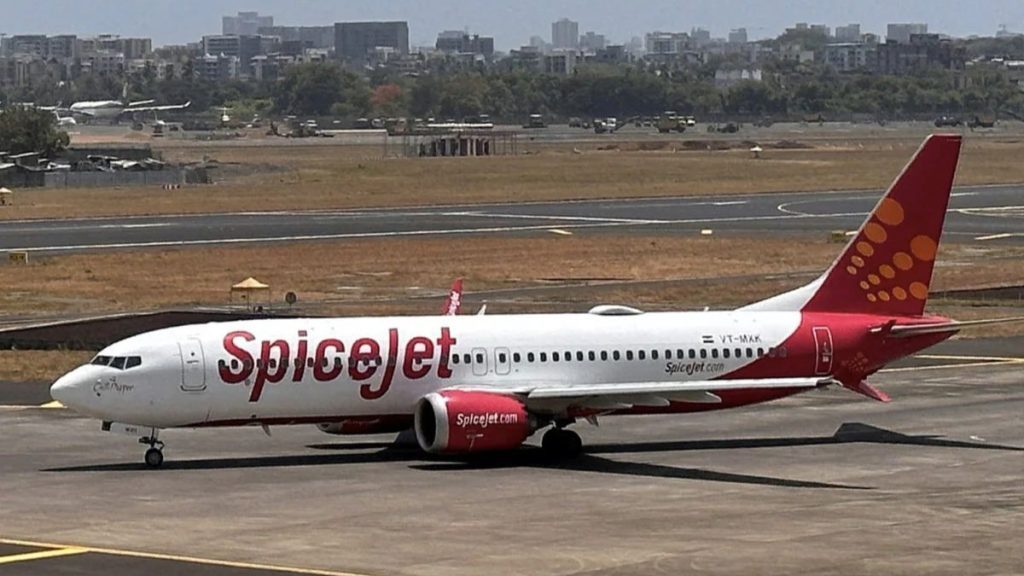
- SpiceJet: Holding on, despite turbulence
Indirect Competition:
- Indian Railways: Still the giant for price-sensitive travel
- Intercity cabs (Ola, Uber): Nibbling at regional flyers
6.3 Global Ambitions
Air India has the budget. Vistara has the polish. But IndiGo? It has the model—and now, with Kant, the mind. Its mix of low-cost efficiency and high-level policy navigation is a rare combo.
7. Background and Journey of IndiGo
7.1 Founding and Vision
Rahul Bhatia and Rakesh Gangwal didn’t just start another airline in 2006. They built a discipline-first, customer-obsessed, relentlessly consistent machine. “On time, every time” wasn’t a tagline—it was a religion.
7.2 Milestones
- 2011: Crowned India’s largest airline
- 2015: Successful IPO
- 2020: Dominated 60% of domestic skies
- 2024: First leap into intercontinental territory
7.3 Growth Strategies
- Serve smaller cities no one’s watching
- Obsess over tech and automation
- Keep turnaround times brutal and fast
8. The Broader Impact on Indian Aviation and Economy
Kant joining IndiGo isn’t just about flight plans—it’s about economic maps. Expect:
- Tourism to diversify beyond Delhi and Goa
- Cargo exports to get wings
- Airport investments to heat up
- Regional players to ride IndiGo’s coat-tails
Kant’s playbook merges vision with viability, and that’s what IndiGo needs to scale smartly.
Learning for Startups and Entrepreneurs
Look closely—there’s startup gold here:
- Hire for Access, Not Just Skills: Kant brings doors, not just ideas.
- Think Ecosystem, Not Product: IndiGo is now building a tourism-trade-aviation web.
- Local Expertise > Global Dreams Alone: Know your turf, then leap.
- Public-Private Sync is an Edge: Government alignment saves years of struggle.
- Vision is Strategy: IndiGo knew where it wanted to be by 2030, and backfilled the plan.
About Foundlanes
At foundlanes.com, we don’t just track announcements—we track momentum. IndiGo’s strategic pivot mirrors what we see across thriving startups: the courage to evolve, the clarity to hire right, and the conviction to scale beyond limits. Kant’s arrival may be an airline story today, but it’s also a startup lesson in foresight, execution, and alignment. For startups in aviation, infrastructure, or tourism—we’re watching this space and bringing you every move that matters.