


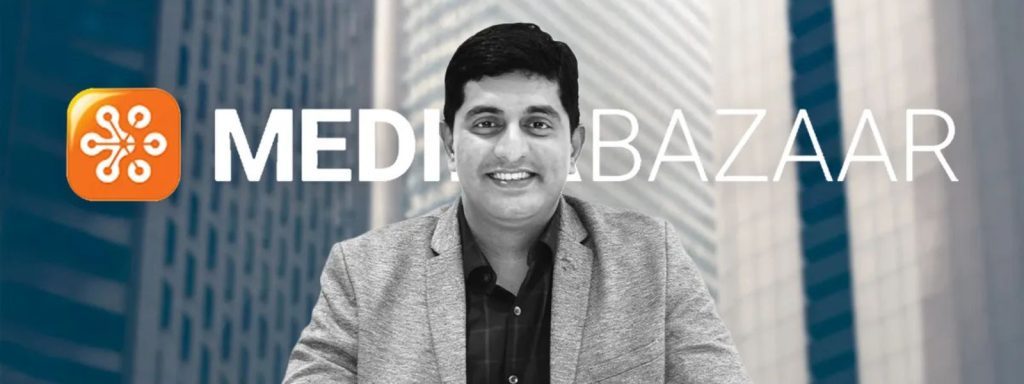
Medikabazaar ousts ex-CEO Vivek Tiwari amid fraud claims after a detailed internal probe exposed serious financial mismanagement. The startup, known for streamlining medical supplies across India, discovered gross negligence and inflated revenue numbers under Tiwari’s leadership. Investigations conducted by Uniqus India, Alvarez & Marsal, and Rashmikant & Partners revealed that Tiwari had breached his fiduciary duties, leading to a massive governance shakeup. This decision followed a special resolution backed by investors like Rebright Partners, HealthQuad, Ackermans & van Haaren, and Creaegis, which resulted in Tiwari being officially removed from the board. Regulatory filings accused Tiwari of misappropriating funds, committing financial fraud, and harming the company irreparably. This comes on the heels of a July 2024 PwC audit that flagged overstated revenue, leading to losses and investor backlash. Medikabazaar’s leadership is now working to recover trust with Dinesh Lodha stepping in as Group CEO. As part of a growing trend of governance challenges in Indian startups, this development underlines the need for stronger oversight.
1. Introduction to Medikabazaar and Its Business Model
1.1 Medikabazaar is a Mumbai-based B2B medical-supplies marketplace that caters to hospitals, clinics, and healthcare institutions across India. The platform enables seamless procurement of critical medical products, streamlining logistics and pricing for clients.
1.2 The startup operates on a marketplace model where it connects suppliers with buyers. Medikabazaar earns revenue through commissions, value-added services, and logistics support. Its offerings span across diagnostics, surgical instruments, hospital furniture, and wellness products.
1.3 Founded in 2015 by Vivek Tiwari and Ketan Malkanlal, the company aimed to disrupt India’s fragmented healthcare supply chain. Tiwari, an IIM-Calcutta alumnus with experience at Piramal Healthcare, initially positioned Medikabazaar as a one-stop-shop for institutional healthcare procurement.
1.4 Over time, Medikabazaar raised close to $194 million in funding. Notable investors include HealthQuad, Creaegis, Rebright Partners, Ackermans & van Haaren, and Lighthouse India. A $65 million Series D round in 2022 valued the startup at over $500 million.
2. Financial Background and Operational Growth
2.1 In FY23, Medikabazaar reported revenue of Rs 908 crore (~$181 million), up nearly 2X year-over-year. However, the company also posted a net loss of Rs 304 crore.
2.2 The financials looked promising on paper until auditors discovered irregularities. A PwC audit in July 2024 revealed that at least 60% of the gross merchandise value (GMV) was wrongly recorded as revenue. This significantly overstated the company’s performance.
2.3 Several subsidiaries were left unaudited, despite significant losses. Assets and inventories worth over Rs 80 crore had missing records, and internal controls were found to be weak.
3. Medikabazaar Ousts Ex-CEO Vivek Tiwari Amid Fraud Claims
3.1 Medikabazaar ousts ex-CEO Vivek Tiwari amid fraud claims after an internal investigation confirmed his involvement in financial mismanagement.
3.2 The probe, led by Uniqus India, Alvarez & Marsal, and Rashmikant & Partners, concluded that Tiwari misused company funds, made false statements, and failed to fulfil his fiduciary duties.
3.3 A special resolution passed by investors holding 47% equity removed Tiwari from the board. The filing noted his actions caused “irreparable harm” to the startup.
3.4 The company’s regulatory filing explicitly accused him of gross negligence, fraud, and breach of trust.
3.5 In parallel, Series C investors filed an indemnity claim of Rs 278.7 crore due to earlier financial misreporting. Although Medikabazaar contests the claim, it signals widespread investor dissatisfaction.
4. Timeline of Events Leading to the Boardroom Shakeup
4.1 Tiwari stepped down as CEO in July 2024, shortly after the PwC audit findings were made public.
4.2 However, he continued to remain on the board until April 2025. On April 17, investors formally voted to expel him from the company’s leadership structure.
4.3 In August 2024, Medikabazaar appointed Dinesh Lodha, former Samsung India executive, as Group CEO. Lodha has since initiated reforms to restore investor and client trust.
4.4 Notably, co-founder Ketan Malkanlal, who stepped down as CFO in 2023, still remains on the board despite the shakeup.
5. Legal and Regulatory Complications
5.1 Medikabazaar’s troubles extend beyond governance. The Income Tax Department searched the startup’s offices in June 2022 and later raised a tax demand of Rs 2.5 crore for FY22, which was paid under protest.
5.2 The company has also received multiple notices for non-compliance and regulatory lapses. Auditors issued a qualified opinion, citing poor internal financial controls.
5.3 Allegations emerged that products were sold multiple times via different entities, further questioning the startup’s business integrity.
6. Broader Context of Governance Failures in Indian Startups
6.1 Medikabazaar joins a growing list of Indian startups facing corporate governance issues. BharatPe, GoMechanic, SustainKart, and most recently Gensol have faced similar crises.
6.2 The Securities and Exchange Board of India (SEBI) has intensified its scrutiny on startups following such high-profile controversies.
6.3 These repeated failures raise questions about the due diligence practices of venture capital firms and the effectiveness of internal audit mechanisms.
7. Industry Reaction and Future Outlook
7.1 Investors have expressed concern over the rise in startup frauds. Many are now tightening governance frameworks before committing capital.
7.2 Medikabazaar’s new leadership under Lodha is promising transparency and better compliance. However, recovering from such a blow will require time, audits, and possibly more legal battles.
7.3 For now, the startup remains operational and continues to serve hospitals, albeit under stricter oversight.
8. Learning for Startups and Entrepreneurs
8.1 Governance is not optional. Every startup must build robust internal control systems from the outset.
8.2 Transparency with investors is critical. Misreporting—even if unintentional—can destroy trust and derail growth.
8.3 Hiring independent audit and compliance teams can prevent small issues from becoming full-blown crises.
8.4 Founders must separate personal and professional responsibilities. Fiduciary duties, once breached, rarely get second chances.
8.5 Lastly, investor alignment and regular board communication can catch red flags early.
Why The Startups News Matters
When it comes to keeping pace with India’s fast-evolving startup world, The Startups News is your go-to source. From tracking funding updates and startup governance issues to decoding trends like the rise and fall of unicorns, we bring in-depth, actionable insights. Whether you are a founder, investor, or analyst, The Startups News ensures you never miss a beat in India’s innovation economy.