


Summary
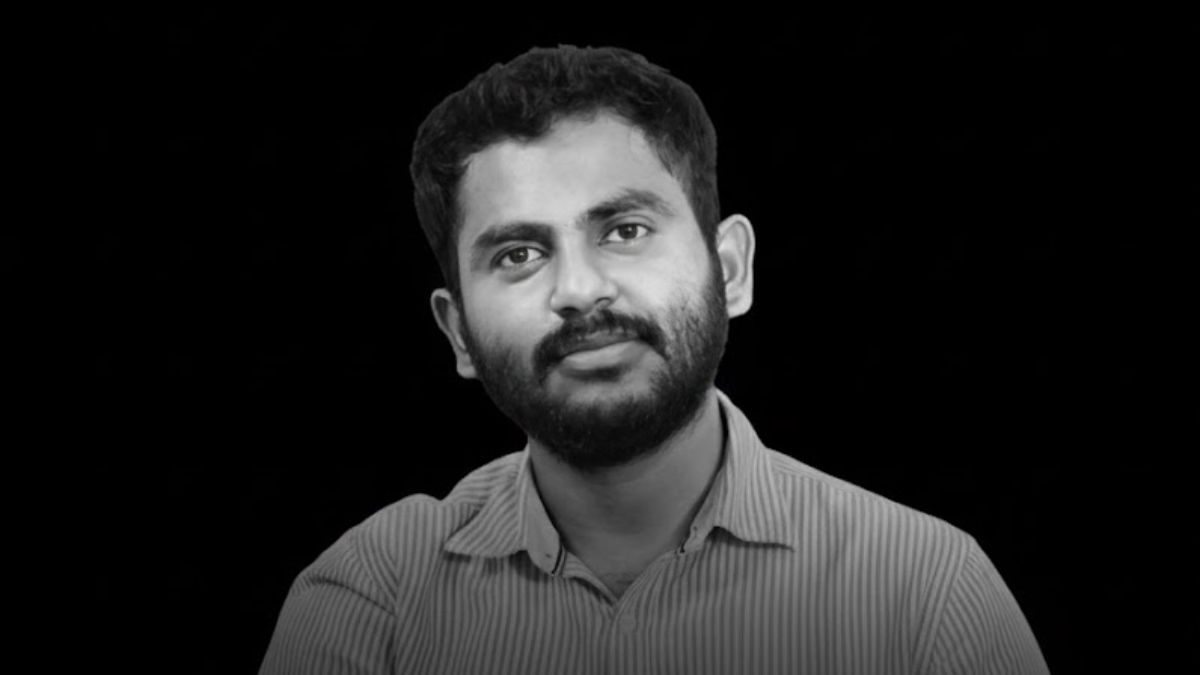
Reeju Datta is the co‑founder of Cashfree Payments, one of India’s fastest‑growing fintech platforms that power digital payments and API banking solutions for businesses across the country and abroad. Founded in 2015 in Bengaluru, Cashfree has emerged as a full‑stack payments gateway and banking infrastructure company at the heart of India’s digital payments revolution. It enables businesses to collect payments online and make payouts seamlessly via multiple modes, including cards, UPI, net banking, wallets, and instant settlement solutions.
Datta co‑founded the company with Akash Sinha during a period when the Indian digital payments ecosystem was still nascent and fragmented. The pair drew early inspiration from solving persistent cash‑on‑delivery bottlenecks and simplifying payment reconciliation for hyperlocal businesses and restaurants. Over time, Cashfree evolved into a robust API‑first platform trusted by hundreds of thousands of merchants including large enterprises and small SMEs.
Under Datta’s strategic guidance in growth, brand strategy, marketing, finance, and customer experience, Cashfree expanded beyond payment acceptance into payouts, cross‑border commerce, identity verification, and full API banking offerings. The company has raised significant funding, including Series B and Series C rounds and has strategic backing from investors such as Y Combinator, Apis Partners, State Bank of India (SBI), and most recently, global digital entertainment investor Krafton.
This article traces Datta’s journey from early assumptions and orientation within India’s fintech landscape to the founding of Cashfree Payments, its early validation and traction, setbacks and leadership evolution, scaling challenges, personal sacrifices, and long‑term vision for the future of fintech infrastructure and digital payments in India.
1. Background and Early Life
Reeju Datta’s personal biography, including details about his early childhood and family background, is not widely documented in public sources. What is known is that he graduated from Indian Institute of Technology (IIT) Kharagpur, where he received a strong technical foundation that would later be instrumental in building fintech infrastructure solutions.
The early influences on Datta’s life are rooted in the high‑pressure academic environment of an IIT campus, where students often balance rigorous coursework with entrepreneurial ambition and exposure to technology trends. This kind of environment cultivates analytical thinking, problem solving, and a hands‑on approach to building technology essential attributes for someone who would later co‑found a fintech startup tackling complex payments architecture in a rapidly evolving market.
The Indian fintech landscape was beginning to take shape during Datta’s early career years. Rapid mobile internet adoption, policy shifts like demonetisation, and the rise of UPI reshaped how digital payments were perceived. It was the context as much as the technical and analytical grounding that helped inform his later decisions as an entrepreneur.
2. Founder and Company Overview
2.1 Who Is Reeju Datta?
Reeju Datta is best described as a fintech entrepreneur whose role as co‑founder of Cashfree Payments spans strategy, marketing, growth, finance, hiring, and customer experience. He is known for fostering a technology‑first culture that drives brand positioning and customer trust across a diverse merchant base.
Before founding Cashfree Payments, Datta’s early professional background is not extensively documented in major public sources, though his academic credentials from IIT Kharagpur suggest a strong foundation in engineering and analytical rigour. His partnership with fellow engineer Akash Sinha combined complementary skills technology and product perspective with business strategy which later became a cornerstone in Cashfree’s evolution.
2.2 What Is Cashfree Payments?
Cashfree Payments is a fintech company headquartered in Bengaluru, India, that provides a full suite of digital financial infrastructure products. Since its inception in 2015, the company has grown into a platform that supports payment collection, payouts, cross‑border settlements, and API banking solutions for over 800,000 merchants.
The company’s offerings include payment gateways, auto‑collect virtual accounts, split payment solutions for marketplaces, identity verification services, enterprise payouts, and more. It distinguishes itself through an API‑first model that enables developers and enterprises to integrate payment operations quickly. Cashfree also holds regulatory approvals from the Reserve Bank of India (RBI) as a payment aggregator and prepaid payment instrument provider, underlining its compliance credentials in a tightly regulated financial ecosystem.
2.3 Market and Target Audience
Cashfree’s platform serves a broad range of customers, from startups and small‑medium enterprises to large digital businesses across sectors such as e‑commerce, SaaS, marketplaces, logistics, and financial services. Its API‑centric infrastructure appeals strongly to technology companies that require seamless, scalable payment and payout solutions. The company’s expansion into cross‑border payments, identity verification APIs, and advanced orchestration services reflects an ambition to serve global merchants and tech platforms, while strengthening India’s position within the global digital payments ecosystem.
3. The Problem, Insight, and Trigger
3.1 The Problem Cashfree Was Built to Solve
When Cashfree Payments was conceptualised in 2015, India’s digital payments infrastructure was fragmented. Despite the growth of UPI and mobile wallets, many merchants particularly small restaurants and local shops struggled with cash‑on‑delivery (COD) inefficiencies, delayed settlements, and manual reconciliation. API‑centric payment solutions were nascent, leaving many businesses to grapple with cumbersome integration and unreliable success rates.
The core problem Cashfree sought to address was simple yet profound: how to make payment collection and money disbursal seamless, reliable, and developer‑friendly for businesses of all sizes. Early fintech solutions focused primarily on collections, but payouts especially for refunds, vendor settlements, and wage payments remained a pain point that Cashfree’s API‑driven approach would later solve adeptly.
3.2 Personal Insight Behind the Idea
Datta and Sinha’s initial insight was triggered by real‑world inefficiencies they saw firsthand. In the early days of Cashfree, the co‑founders built simple solutions even prototypes such as SMS‑based payment links that helped local merchants and delivery personnel collect digital payments instead of relying on cash or manual methods. This product intuition was rooted in an understanding that payment infrastructure shouldn’t be a barrier, but an enabler for every business to transact easily.
3.3 The Trigger Moment
There wasn’t a single dramatic trigger, but rather a confluence of signals: rising smartphone and internet penetration, policy shifts like UPI’s launch, and increasing demand for developer‑friendly fintech APIs. The founders realised that creating an API‑first platform with strong payout capabilities wasn’t just a niche opportunity, it was a macro trend aligned with the broader digital transformation in India. This recognition became the catalyst for pivoting from rudimentary tools to building a full‑stack payments and API banking suite.
4. Early Days and Initial Struggles
The Cashfree journey began with modest ambitions. Like many fintech startups, early assumptions underestimated the complexity of payments infrastructure and the depth of integration needed across different payment modes and banking partners. Data integration, risk management, and reconciliation workflows turned out to be far harder to build reliably than the founders originally anticipated.
Operating without a large engineering team in the earliest days, Datta and his co‑founder wore many hats from building product flows to convincing merchants to adopt their nascent platform. Teaching developers how to integrate APIs, managing merchant expectations, and iterating against feedback cycles were constant demands. Many small businesses lacked technical resources of their own, which required Cashfree’s team to act both as product builders and implementation partners.
One early hurdle was processing payouts reliably. The concept of vendor disbursals and automated refunds was novel in the Indian market. Traditional payment gateways in the early 2010s emphasised collections but rarely addressed payouts effectively. Cashfree’s technical stack had to be robust enough to handle both directions of money flow a challenge that took repeated experimentation and engineering refinement.
5. Failures, Setbacks, and Self Doubt
Like most startup journeys, Cashfree’s early days were rife with setbacks. Initial integrations with banks and payment partners often failed, creating friction for merchants and slowing adoption. Some product features underperformed, resulting in delayed transactions or technical glitches, which eroded confidence temporarily. Datta has spoken about the emotional toll of early failures. Investor skepticism, fluctuating cash flow, and the pressure to deliver solutions at scale often led to self-doubt. Despite technical expertise and strategic clarity, there were moments when the founders questioned whether Cashfree could achieve large-scale adoption in India’s fragmented payments ecosystem.
A notable setback involved merchant churn due to delayed payouts and recurring technical errors. These challenges forced Datta and his team to pause growth campaigns and focus on stabilizing the platform. Learning from these experiences, Cashfree improved its core infrastructure, emphasizing reliability and rapid dispute resolution, which later became a differentiator in the market.
6. Validation and Early Traction
The first signs of market validation arrived when small and medium businesses successfully implemented Cashfree’s API for collections and payouts. Positive word-of-mouth referrals from early merchants helped build a modest but loyal customer base. The introduction of automated payout services and simplified reconciliation tools marked a turning point. Merchants could now process refunds, pay vendors, and manage accounts in ways that were previously manual and time consuming. This early traction gave Datta confidence in the product-market fit and confirmed the vision of building a platform beyond traditional payment gateways.
A key validation moment came when Cashfree successfully facilitated high-volume events, like subscription collections for online businesses and marketplace payouts during peak sales periods. These events demonstrated the platform’s robustness and scalability, reinforcing investor confidence and attracting strategic partners.
7. Funding, Money, and Growth Constraints
Cashfree’s initial growth was bootstrapped by the founders, supplemented by early seed investments from Y Combinator. Managing cash flow was a constant challenge, as building a fintech platform required substantial investment in technology, compliance, and operational infrastructure. Subsequent funding rounds, including Series B and Series C, brought in strategic investors like Apis Partners and State Bank of India. These funds enabled expansion into new product lines, international payouts, and scaling the engineering team.
Cashflow management remained critical. Datta emphasized strategic allocation, ensuring that resources were focused on high-impact initiatives like merchant acquisition, API improvements, and building robust compliance systems. This disciplined approach helped Cashfree scale without compromising platform stability or merchant trust.
8. Team Building and Leadership Evolution
Hiring the right talent was a continuous challenge. Early team members were often multi-taskers, handling engineering, customer support, and operations simultaneously. Datta learned that hiring engineers with both fintech experience and a problem-solving mindset was essential for building a resilient platform. Leadership evolution was equally important. Initially hands-on in all functions, Datta gradually delegated responsibilities to senior managers while maintaining oversight on strategy and vision. He cultivated a culture of accountability and innovation, empowering teams to take initiative while staying aligned with Cashfree’s mission to simplify payments for businesses.
The founders also focused on creating a merchant-centric culture. Dedicated teams worked closely with clients, ensuring seamless integration and continuous support. This approach strengthened relationships with early adopters, forming a foundation for Cashfree’s reputation as a reliable and developer-friendly payments platform.
9. Growth, Scaling, and Operational Challenges
As Cashfree Payments gained momentum, scaling operationally became a complex undertaking. Handling thousands of simultaneous transactions, ensuring regulatory compliance, and managing payouts across multiple banks required robust engineering infrastructure. Datta emphasized continuous investment in secure. low-latency systems capable of handling high transaction volumes during peak periods like festival seasons or large-scale marketplace events.
Brand positioning evolved alongside product development. Cashfree transformed from a simple payment gateway to a trusted fintech infrastructure platform, highlighting reliability, speed, and developer-friendliness. Marketing campaigns reinforced the message of seamless collections and payouts, differentiating Cashfree from competitors and establishing credibility in a market where trust is paramount. Operationally, challenges included merchant onboarding, dispute resolution, and compliance adherence. Datta implemented structured processes, created a dedicated merchant success team. And integrated technology-driven monitoring to maintain service quality as the user base scaled. This combination of human oversight and technological automation became a hallmark of Cashfree’s operational model.
10. Personal Sacrifices and Burnout
Building Cashfree was more than a professional journey for Reeju Datta it was a test of endurance. Resilience, and personal sacrifice. From the company’s earliest days, Datta was immersed in every facet of the business: overseeing engineering sprints. Managing operations, negotiating strategic partnerships, and shaping growth strategy. The demands often stretched him to the limits, with 14–16 hour workdays becoming routine.
There were nights when server issues threatened transaction stability, days when investor meetings collided with critical product deadlines, and weeks when the pressure to scale the platform for thousands of merchants felt overwhelming. Datta recalls moments of self-doubt and anxiety, wondering if the company could sustain growth while maintaining trust and operational reliability.
Yet, he approached these challenges with deliberate discipline. He relied on structured routines, setting clear priorities and delegating effectively to senior team members. Even in periods of intense workload, he carved time for reflection, ensuring decisions were guided by strategy rather than stress. More importantly, these experiences informed the culture at Cashfree: mental health. Realistic workloads, and work-life balance became values he embedded from the top down. Employees were encouraged to communicate challenges openly, preventing burnout from becoming systemic. Datta’s journey illustrates that entrepreneurship. Especially in fintech where reliability is non-negotiable. Requires not just skill and vision but the emotional fortitude to endure and learn from pressure and adversity.
11. Lessons, Beliefs, and Values
Datta’s approach to entrepreneurship is deeply grounded in real-world lessons from running a fintech startup. At the core is a belief that technology must solve tangible problems rather than exist for innovation’s sake. For Cashfree, this meant building a platform that merchants could trust implicitly for collections, payouts, and daily operations. Reliability was non-negotiable; even minor downtime could disrupt livelihoods and erode trust.
Another central lesson is the constructive power of failure. Datta sees setbacks not as endpoints but as feedback loops. Early product glitches, integration failures, or funding hurdles became opportunities to iterate quickly, strengthen systems, and refine processes. These experiences cultivated resilience in both Datta and his team. Creating an environment where challenges were met with learning rather than fear.
Transparency, accountability, and customer-centricity are the values that guide every decision at Cashfree. Datta ensures that engineering, operations, and partnerships all align with a singular mission: to empower merchants, reduce friction in financial transactions, and enable business growth. For him, success is measured not by revenue alone but by the tangible impact on merchants’ operations and the trust they place in the platform.
Through these principles, Datta has transformed personal struggles and high-pressure experiences into a structured philosophy of leadership. The lessons he embodies discipline, empathy, learning from failure, and relentless focus on solving real problems resonate throughout Cashfree. Creating a company culture that values human experience as much as technical excellence.
12. Present Challenges and Future Vision
Today, Cashfree faces a competitive fintech landscape with both domestic and international entrants. Datta continues to focus on innovation in API banking, cross-border payments, and enterprise-grade payouts while ensuring merchant satisfaction remains high.
The long-term vision is to build a comprehensive financial infrastructure platform that goes beyond basic payment processing to include identity verification, financial services, and global payment solutions for Indian and international businesses. Datta remains committed to addressing persistent pain points in digital payments and creating a scalable. Secure, and developer-friendly ecosystem that can support the next generation of fintech innovation.
About foundlanes.com
foundlanes.com is India’s leading startup idea discovery platform. It helps entrepreneurs find actionable startup opportunities, market insights, and industry-specific guidance to turn ideas into real businesses. With deep research and practical resources, foundlanes supports founders at every stage, from idea validation to launch and growth.