


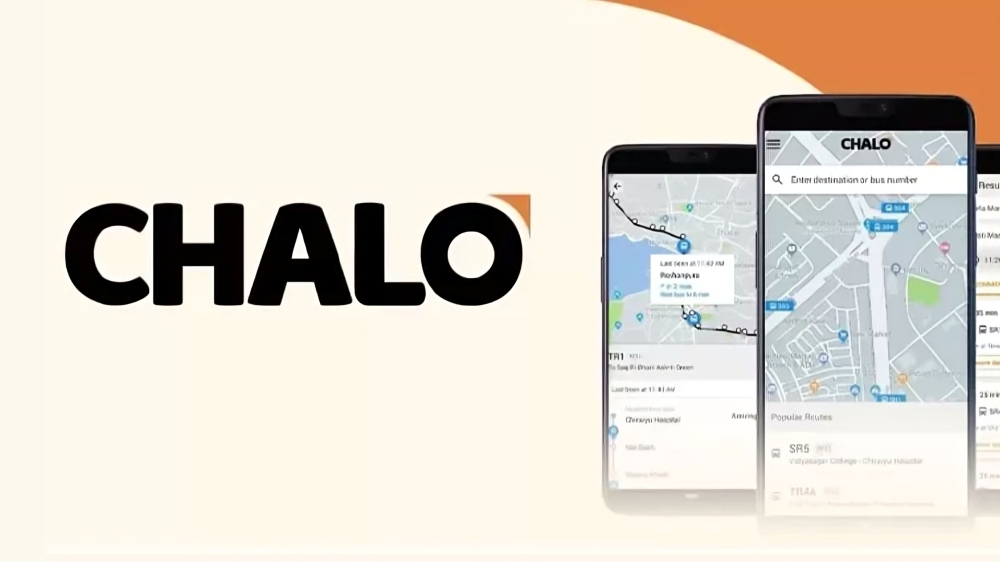
Mobility startup Chalo secures INR 53 Cr, disrupting bus travel in Indian cities with roughly $6.1 million funding. This isn’t just straightforward equity; it’s a cocktail of equity and debt, with existing backers Filter Capital joining forces with Chalo’s own cofounders—Mohit Dubey, Priya Singh, and Vinayak Bhavnani—to fuel the growth engine. Official filings reveal that Chalo rolled out 2.1 lakh Series K OCRPS (optionally convertible redeemable preference shares), raking in INR 32.5 crore from Filter Capital India Fund I, MGB Resources, plus the trio of founders themselves. On the flip side, INR 20 crore arrived as debt from Blacksoil Capital and Caspian Impact Investments. The company’s clear-cut plan? To funnel this fresh capital mainly into general corporate activities.
Launched back in 2014, Chalo isn’t your average transport startup. It’s built a sprawling tech platform designed to tackle everyday headaches faced by urban bus riders: live tracking to shave down agonizing waits, digital ticketing that ditches the cash hassle, contactless payments, and even fleet management tech that bus operators swear by. Safety hasn’t been an afterthought either—panic buttons, especially for women, bring a tangible layer of security. Plus, the company’s footprint extends beyond buses; it runs premium office commute buses under the Shuttl brand and offers EV bikes for the tricky first- and last-mile travel via Vogo.
1. Introduction to Mobility Startup Chalo and Its Recent Funding
1.1 Overview of the Funding Round
Chalo’s latest funding round, totaling INR 53 crore, comes via an intriguing blend of equity and debt. The equity chunk? 2.1 lakh Series K OCRPS, raising INR 32.5 crore, sourced from Filter Capital India Fund I, MGB Resources, and the founding trio—Mohit Dubey, Priya Singh, and Vinayak Bhavnani. Debt financing chipped in another INR 20 crore, courtesy of Blacksoil Capital and Caspian Impact Investments. This mix reinforces Chalo’s foothold in India’s tech-powered public transport space, where innovation is no longer optional.
1.2 Founders Behind Chalo
It all began in 2014 with a group of visionaries: Mohit Dubey, Priya Singh, Vinayak Bhavnani, and Dhruv Chopra. The blend of technical acumen and relentless ambition has been pivotal. Mohit and Priya, married and co-founders, have especially driven Chalo’s trajectory, weaving their personal and professional lives into a shared vision of transforming bus transport through tech.
2. Chalo’s Business Model and Service Offerings
2.1 Core Mobility Solutions
Chalo’s platform is a digital powerhouse aimed at completely overhauling bus operations. Here’s a quick rundown of the features shaking up urban commutes:
- Live Bus Tracking: A literal game changer—cuts waiting time by as much as 30%.
- Digital Ticketing and Passes: Bye-bye cash, hello frictionless travel.
- Live Passenger Indicators: Know exactly how packed your bus is before you board.
- Fleet Management Solutions: Routes, schedules, revenues—optimized to the nth degree.
- Safety Features: Panic buttons aren’t just add-ons; they’re lifelines, especially for women riders.
This is not just tech for tech’s sake. It’s a focused assault on the biggest pain points dogging urban bus travel.
2.2 Expansion Through Acquisitions
Chalo’s no one-trick pony. By snapping up:
- Shuttl: Offering premium office shuttle buses in Delhi NCR, Pune, and Hyderabad.
- Vogo: EV bikes for the notorious first- and last-mile travel hassles.
They’re stitching together a mobility ecosystem that goes far beyond ordinary buses.
3. The Problem Chalo Solves in Urban Transport
3.1 Challenges in Indian Urban Mobility
Over half of India’s urban population relies on buses daily. Yet, the system groans under its own weight: endless, unpredictable waits; cash-based chaos; safety concerns that no one addresses adequately; and inefficient fleet use leading to revenue drains for operators.
3.2 Chalo’s Tech-Driven Solutions
By weaving digital into the fabric of bus travel, Chalo slashes wait times and wipes out payment hassles. Fleet owners get a high-tech boost that tightens efficiency and opens new revenue streams. Safety, especially for women commuters, is front and center—panic buttons aren’t just features, they’re a statement.
4. Industry Trends and Market Growth in Urban Mobility
4.1 Urban Mobility Landscape in India
India’s cities are bursting at the seams. Rising populations demand smarter, leaner transport solutions. GPS tracking, mobile ticketing, contactless pay—these aren’t luxuries anymore, but essentials.
4.2 Growth of Mobility Tech Startups
Startups like Chalo are flipping the script on traditional transport. They bring transparency, convenience, and sustainability into a sector hungry for change. Add government pushes for EVs and green transport, and you’ve got a perfect storm for growth.
5. Revenue Model of Chalo
Chalo’s money flows from multiple avenues:
- Subscription fees from bus operators for fleet management tech.
- Transaction fees from digital ticketing and payment systems.
- Corporate tie-ups, particularly via Shuttl’s premium services.
- Vehicle leasing and ride operations under Vogo’s electric bikes.
Despite the current losses, this diversified portfolio hints at scalable, long-term potential.
6. Financial Performance and Funding History
6.1 Recent Financials
FY24’s books show a loss after tax of INR 135.7 crore—a 42% uptick in losses year-on-year. Yet, operating revenue climbed 34% to INR 137.5 crore. This paints a picture of a company investing heavily to carve out a future market lead.
6.2 Previous Funding Rounds
Before this INR 53 crore round, Chalo closed a hefty $57 million Series D in 2023, with Avataar Ventures leading the charge alongside Lightrock India, WaterBridge Ventures, and ex-Google ace Amit Singhal. All told, Chalo has raised about $119 million from investors like Trifecta Capital and Stride Ventures.
7. Competitors in the Mobility Tech Sector
7.1 Direct Competitors
- Ola Fleet Technologies: Big player with app-based transport and fleet management.
- Rapido: Known for bike taxis and first-mile solutions.
- Bounce: Popular for bike rentals and last-mile connectivity.
7.2 Indirect Competitors
- Uber: Ride-hailing giant but less focused on bus digitization.
- Local Public Transport Authorities: Traditional, tech-light operators.
Chalo’s laser focus on digital bus transport and multi-modal mobility integration makes it stand apart.
8. Journey and Background Story of Chalo
8.1 Inception and Early Years
2014 was the spark. Founders saw a glaring void: millions battling unreliable bus services. Their answer? A tech platform merging live tracking, cashless payments, and fleet efficiency—making bus travel less of a chore.
8.2 Growth and Evolution
From a single-city startup to a presence in 66 cities plus overseas markets like China, the Philippines, and Thailand—Chalo’s evolution is a textbook case of scaling with strategy. Acquisitions like Shuttl and Vogo broadened their horizon and offerings.
9. Strategic Use of Fresh Funding
The INR 53 crore won’t sit idle. Plans likely include:
- Beefing up tech infrastructure.
- Expanding geographical reach.
- Fast-tracking product innovation.
- Powering marketing and partnerships.
Investors are clearly betting on Chalo’s vision to remake urban mobility.
10. Learning for Startups and Entrepreneurs
Chalo’s story serves up some no-nonsense lessons:
- Solve real, pressing problems.
- Use technology as a disruptive tool.
- Don’t hesitate to diversify via acquisitions.
- Prioritize safety alongside convenience.
- Smart funding mixes can sustain growth.
- Early losses? Part of the game if revenue and market share climb.
At the heart, resilient business models and customer obsession fuel lasting success.
The Startups News
TheStartupsNews.com remains a go-to source for deep dives into startups like Chalo, delivering sharp insights on funding, trends, and the pulse of India’s startup ecosystem. As urban mobility reshapes, such platforms keep the spotlight on pioneers and opportunities.