


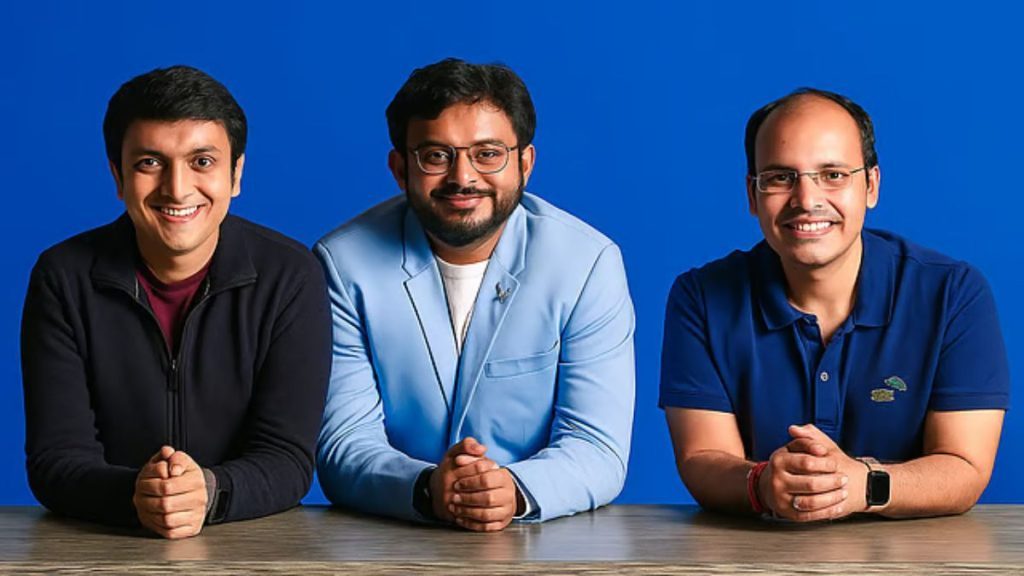
It’s not every day that a team known for transforming healthcare decides to flip the script entirely. Yet that’s exactly what PharmEasy co-founders Dharmil Sheth, Dhaval Shah, and Hardik Dedhia have done. Their latest venture, All Home, plunges them into the vibrant and chaotic world of an interior design startup. This isn’t a cautious step—it’s a full-blown leap into a $60 billion market that’s ripe for reimagining.
All Home isn’t just another interior design startup trying to sell furniture. It’s a full-stack interior design platform aiming to declutter India’s tangled web of home improvement. Think of it as a turbocharged blend of tech, taste, and tactical execution—already profitable and valued at north of $120 million.
After six months flying under the radar, the venture has launched with curated omnichannel brands like Colour Coats, House of W, and Fiamarc. Their pitch? Streamlined manufacturing, data-powered design intelligence, and a digital ecosystem that lets home brands breathe easy and scale fast.
Backed by heavyweights like Bessemer Venture Partners and angels from the likes of Motilal Oswal and Warburg Pincus, All Home is betting that Indians are ready to splurge not just on what they wear or eat, but where they live. “After roti and kapda, makaan is the next frontier,” say the founders. And they’re not wrong. Urban India is hungry for homes that reflect identity, comfort, and sophistication—all at once.
In this chaotic, fragmented space, All Home could either be a passing trend or the blueprint that changes how India designs.
1. Introduction: Disruption in the Making
1.1 A Vision Shift from Health to Home
When the PharmEasy founders stepped away from India’s most talked-about healthtech unicorn, many wondered what was next. Few expected them to take on kitchens, wardrobes, and designer tiles. But that’s exactly what’s unfolding in early 2025 with All Home.
The leap may seem drastic—medicine to modular—but in hindsight, it fits. Their new mission is about creating organised experiences in yet another broken ecosystem: India’s interior design landscape. And this time, they’re not distributing pills. They’re delivering style, structure, and trust to the middle-class Indian consumer.
1.2 Market Opportunity: India’s Next Consumer Boom
The country’s growing obsession with aesthetic homes isn’t just anecdotal. As incomes rise and cities expand, so do aspirations. This space—estimated at $60 billion—is still dominated by contractors, informal vendors, and piecemeal solutions. All Home walks in with one promise: cohesion. They’re here not to participate, but to redefine.
2. The Startup’s Working Model
2.1 Platform as a One-Stop Solution
What makes All Home more than a fancy catalogue is its full-stack, tech-led model. It’s not just about products—it’s about the system. The startup offers:
- A cloud-based operating layer
- Predictive design tools and analytics
- Backend manufacturing and logistics optimisation
Brands onboarded to the platform aren’t just clients—they’re co-builders.
2.2 Category Coverage
The platform isn’t dipping toes; it’s going deep. Categories currently include:
- Smart kitchens
- Modular furniture
- Designer lighting
- Sustainable sanitaryware
- Custom wardrobes
- High-end furnishings
- Every day, home hardware
Everything is curated, data-informed, and tailored to what Indian consumers crave now.
2.3 Brand Partners
At launch, All Home isn’t empty-handed. It’s already powered by:
- Colour Coats
- House of W
- Fiamarc
These aren’t side gigs—they’re serious brands helping prove the platform’s operating thesis: scale, trust, and consumer delight can co-exist.
3. Revenue Model: How All Home Makes Money
3.1 Partnership-Driven Profits
Rather than burn cash chasing customers, All Home earns by building with its partners. It takes either equity stakes or a cut from sales, depending on the level of involvement. The result? Skin in the game, aligned interests, and sustainable unit economics.
3.2 Value-Added Services
Beyond that, it monetises services like:
- Bespoke design consultations
- Integrated supply chain services
- Growth marketing and brand playbooks
It’s a “marketplace-plus” model—selling the picks and shovels while co-owning the mines.
4. Founders and Their New Roles
4.1 Leadership Transition
In January 2025, Sheth, Shah, and Dedhia handed PharmEasy over to co-founder Siddharth Shah. Since then:
- Sheth runs ops
- Shah oversees brand, finance, and governance
- Dedhia drives tech
They may have left the old building, but their coordination and clarity remain intact.
5. Funding and Valuation
5.1 Seed Round Highlights
In a world where early-stage fluff is common, All Home landed solid backing with a $ 120 M+ valuation—without press releases or buzzwords. Their seed round—part equity, part debt—was led by seasoned investors who’d seen their execution firsthand.
5.2 Key Investors
Among those backing them:
- Bessemer Venture Partners
- Siddharth Shah (PharmEasy CEO)
- Niket & Shalibhadra Shah (Motilal Oswal)
- Kabir Narang (B Capital)
- Ankur Gulati (Warburg Pincus)
This isn’t just funding. It’s validation.
6. The Problem They Solve
6.1 Fragmented Market, Frustrated Consumers
Interior work in India is often chaos wrapped in quotes. Missed deadlines. No quality control. Sketchy warranties. All Home wants to flip that script with transparency, speed, and accountability.
6.2 Lack of Reliable Brands
The average homeowner can name a clothing brand, but not a lighting one. That brand trust gap? All Home is gunning to close it by nurturing identity-driven, mass-premium labels in each segment.
7. Industry Growth and Trends
7.1 Real Estate and Renovation Demand
The numbers don’t lie. As more Indians own homes, renovations are rising. The interior space is growing at 8–10% CAGR, backed by:
- Urban sprawl
- Nuclear family expansion
- A digital-first shopping mindset
7.2 Rising Aspirations
From Pinterest boards to Instagram Reels, Indian buyers want more than function—they want flair. Whether it’s Japandi minimalism or maximalist desi-modern, taste is evolving fast. All Home sees this not as a challenge, but a goldmine.
8. Competitor Landscape
8.1 Direct Competitors
- Livspace: Great on execution, but limited on consumer brand building
- HomeLane: Modular, but less diverse in aesthetics and tech
8.2 Indirect Competitors
- Urban Ladder, Pepperfry, IKEA: Retail-first, not full-stack
- Local contractors: Cheaper, but unpredictable
9. Startup Journey and Background
9.1 From PharmEasy to All Home
PharmEasy wasn’t just a startup. It became a lifeline for millions during COVID. But after rapid expansion came regulation and margin pressure. The trio didn’t leave because they failed—they left because they were ready for what’s next.
Their playbook? Use what worked in health—tech, ops, logistics, and apply it to homes.
9.2 Stealth to Scale
For six months, they built quietly. No LinkedIn teasers. No influencer buzz. Just product, process, and proof of concept. The reward? Profitability even before the official launch.
10. What Lies Ahead
10.1 Expansion Goals
In the next quarter, they plan to bring in three more brands. In the long haul? A nationwide presence and potential forays into overseas markets where similar fragmentation exists.
10.2 Future Funding and Growth
Series A is on the horizon. But unlike many startups, All Home won’t chase hype. Expect expansions into:
- AI-generated interior recommendations
- Augmented reality home previews
- IoT and smart-living integrations
11. Learning for Startups and Entrepreneurs
- Timing isn’t luck—it’s pattern recognition: They saw the rise of “makaan” before the wave crested.
- You don’t need to stay in one lane: Healthcare to homes? Why not.
- Build in silence; launch with impact: Stealth gave them time to iterate without noise.
- Use your strengths differently: Ops and tech skills from PharmEasy are now powering home decor.
- The founding trio matters: clear role division and a shared vision—it shows.
About Foundlanes
At foundlanes.com, we’re not just covering startups—we’re documenting revolutions in real time. All Home isn’t just a new venture; it’s proof that India’s entrepreneurial spirit can leap across domains. As the country evolves from jugaad to interior design thinking, we’re here capturing every pivot, pitch, and possibility