


Let’s be honest—how often do you hear about a popsicle startup making waves in the venture capital world? But here we are. Skippi raises $1.4 million (Rs 12 crore) in an extended pre-Series A round, and it’s not just pocket change. With Rs 10 crore pumped in by Surya’s Dubai-based family offices and another Rs 2 crore chipped in by angel investors, this isn’t a casual side bet. Bestvantage Investments helped steer the round, bringing sharp focus and global ambition into the mix.
Why’s this such a big deal? Because Skippi, co-founded by the scrappy and ambitious Ravi and Anuja Kabra, has managed to pull off what most food startups struggle with—scaling fast while staying relevant. It started with clean, no-preservative ice pops and is now pushing into snack food territory with Crazy Corn and Cream Rolls. Over 20,000 stores across India stock their stuff. They’re also plastered across Zepto, Swiggy Instamart, Amazon, BigBasket, and even Cred.
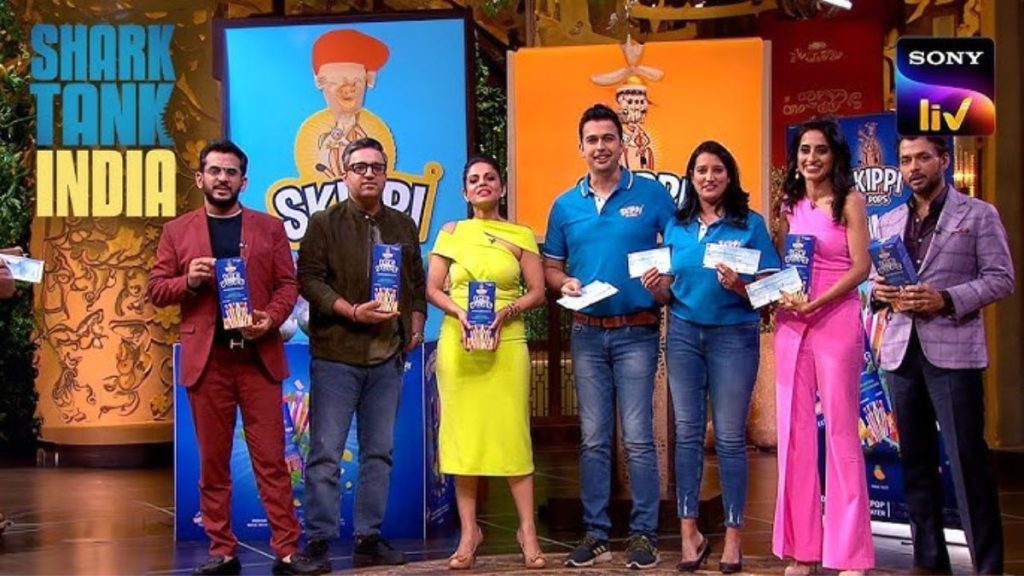
They didn’t just get lucky on Shark Tank India, either. After walking away with Rs 1.2 crore from all six sharks, the startup surged, boasting an 80x jump in revenue. Skippi raises $1.4 million in funding isn’t just cash—it’s a launchpad for international plans, particularly the Middle East. In a sector often dominated by stale, preservative-laced big brands, Skippi’s fresh, direct-to-consumer punch is the kind of disruption worth watching.
1. Introduction to the Funding Milestone
1.1 Skippi Raises $1.4 Million to Fuel Expansion
Let’s not downplay this—Skippi raises $1.4 million, and it’s more than just another line on a startup resume. This pre-Series A round isn’t their first rodeo, but it’s the one that could vault them into serious FMCG contention. Backed now by heavyweight family offices from Dubai, this isn’t incremental growth—it’s a full-throttle push.
1.2 Major Contributors in the Investment Round
Rs 10 crore came in hot from Surya’s strategic family offices based in Dubai. The balance is Rs 2 crore? Sourced from sharp-eyed angel investors who believe this ice pop pioneer has far more than sugar and water up its sleeve. Bestvantage Investments played matchmaker, pulling together the right minds and the right money.
2. Background of Skippi
2.1 Founders’ Journey
Ravi and Anuja Kabra aren’t just founders—they’re rebels in the ice pop world. They launched Skippi in 2021 with one core belief: India deserved better frozen treats. Their mission? Simple but radical—ditch the preservatives, ditch the artificial stuff, and bring nostalgia back into the freezer aisle.
2.2 From Shark Tank to National Recognition
They didn’t just survive Shark Tank—they dominated. All six sharks bought in. That’s no accident. Their Rs 1.2 crore deal in exchange for 18% equity didn’t just fill their bank—it put them on the map. After that, the momentum didn’t slow. It exploded.
3. The Business Model
3.1 Skippi’s Operating Structure
This isn’t a one-trick pony. Skippi has nailed the omnichannel approach. Their products sell directly through their site and across e-commerce bigwigs like Zepto, Amazon, BigBasket, Swiggy, Instamart, and Cred. And let’s not forget—20,000 retail shelves across India already stock Skippi.
3.2 Revenue Streams
Margins from D2C? Solid. But they’re also leveraging scale with B2B and retail tie-ups. Their growth isn’t seasonal luck—it’s engineered through smart distribution and deep consumer insight. And yes, the spikes during summer and festivals help too.
4. Product Portfolio
4.1 Original Offering: Natural Ice Pops
Their launch product was more than a nostalgia trip. It was a revolution in a wrapper—ice pops made with RO water and real fruit flavours like Kala Khatta and Mango Twist. No preservatives, no junk—just childhood vibes with a health-conscious twist.
4.2 Diversification into Snack Foods
Once the ice pops gained traction, they expanded. Crazy Corn, Cornsticks, Cream Rolls—each new product feels like a calculated move into India’s $12B snack food market, growing at a healthy 10% CAGR. They’re not following the market. They’re leading it.
5. Market Landscape and Industry Trends
5.1 FMCG and D2C Boom in India
India’s FMCG sector is charging toward $220 billion by 2025. Thanks to digital commerce and 10-minute delivery platforms, D2C brands like Skippi are in pole position. The consumer now expects convenience, and Skippi’s freezer-to-door model fits perfectly.
5.2 International Expansion Strategy
The Middle East is next. Hot climate? Check. Large Indian diaspora? Check. Appetite for innovative snacks? Double check. With Surya’s backing, Skippi isn’t just dreaming of overseas success—they’re building the pipeline.
6. Financial Growth and Performance
6.1 Revenue Spike Post Shark Tank
Going from Rs 5–7 lakh a month to several crores? That’s not a fluke. That’s what happens when timing, execution, and branding collide. An 80x jump isn’t just startup folklore—it’s proof of demand done right.
6.2 Previous Funding Rounds
Back in April 2024, Skippi banked $1.43 million from the likes of Hyderabad Angels, Soonicorn Ventures, and Venture Catalysts. That cash was wisely funnelled into production and expanding their offline footprint.
7. Competitive Landscape
7.1 Direct Competitors
Brands like NOTO, Get-A-Way, and Paper Boat are also chasing health-conscious consumers. But Skippi’s angle—frozen fun meets clean label—is distinctive enough to carve its niche.
7.2 Indirect Competition
Big guns like Amul and Nestlé are in the game, but they move more slowly and innovate less. Skippi doesn’t have legacy baggage—it has agility, and that’s proving to be a serious competitive weapon.
8. Challenges and Opportunities
8.1 Navigating Seasonality
Yes, frozen treats are seasonal. But Skippi isn’t sitting still. They’re hedging their bets with shelf-stable snacks and festive specials. Seasonality might be a factor, but it’s not a roadblock.
8.2 Supply Chain and Cold Storage
Cold chains in India are tricky—temperature swings and infrastructure gaps are real. But this round gives them the funds to tighten up logistics and keep products consistently top-tier.
9. The Road Ahead
9.1 Short-Term Objectives
The immediate focus? Hire visionary leaders, launch edgy new SKUs, and keep the brand buzz alive. Their playbook is aggressive, but it’s working.
9.2 Long-Term Vision
Ravi and Anuja aren’t shy about their ambition. A $100 million valuation? Very much on the radar. Becoming a global Indian FMCG brand? They’re building toward it with each funding round.
Learning for Startups and Entrepreneurs
Skippi’s rise isn’t luck—it’s laser-sharp branding, consumer listening, and ruthless execution. They didn’t wait for trends; they created them. For other founders, the takeaway is this: don’t just chase funds—find the right investors. Build a brand that people remember, and scale beyond the obvious. Diversification and speed are no longer optional—they’re survival tools.
About Foundlanes
At foundlanes.com, stories like Skippi’s are the reason we exist. This isn’t just a tale of capital raised—it’s about vision, hustle, and impact. From Shark Tank India to Middle East expansion, Skippi’s journey is everything the modern Indian startup dream stands for. We’re proud to amplify stories that matter—groundbreaking ideas, fearless founders, and real traction. Stay tuned as we continue covering the next wave of innovation.