


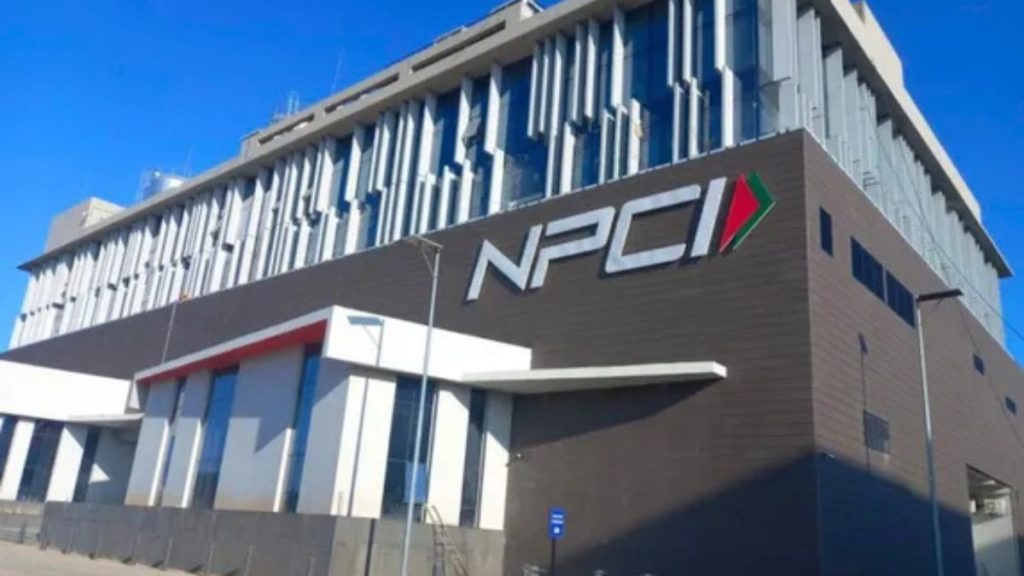
The engine behind India’s digital payment transformation, UPI developer the National Payments Corporation of India (NPCI), has logged a staggering 42% surge in surplus after tax, clocking Rs 1,552 crore for FY25. This isn’t just a line item in a financial report—it’s a loud signal of how deeply embedded UPI and NPCI’s systems have become in our daily lives. With UPI alone facilitating over 600 million transactions each day, this isn’t growth—it’s a tectonic shift in how India moves money. NPCI’s revenue also climbed, hitting Rs 3,270 crore—up 19% year-on-year—fueled by breakneck transaction volumes across UPI, IMPS, AePS, and BBPS.
Though NPCI avoids the term ‘profit’ due to its not-for-profit charter, calling it a ‘surplus’ doesn’t soften the fact: it operates like a high-performing fintech, just one that reinvests its success. Processing 21,360 crore transactions—a wild 33% leap from FY24—has put NPCI’s tech to the test. And it hasn’t always passed with flying colours. Cracks appeared in April with a service outage that revealed the stress points in its systems.
Financially, though, NPCI looks rock-solid. With a net worth of Rs 6,412 crore and an SGF of Rs 17,892 crore, it has a war chest big enough to cushion any operational bumps. Government backing, including a Rs 1,500 crore boost for small-value UPI payments, shows institutional faith in NPCI’s mission.
Still, all isn’t rosy. Fintech partners are feeling the pinch from zero-MDR rules, making monetisation tricky. Yet NPCI remains at the epicentre of India’s fintech evolution. With 65 shareholders that span every corner of banking, and with UPI now being linked to RuPay credit cards and exported globally through NIPL, NPCI isn’t just influencing the market—it’s rewriting the rules.
1. NPCI: The Powerhouse Behind India’s Digital Payments
1.1. Foundation and Mission
Born in 2008 from the vision of RBI and IBA, NPCI wasn’t built to chase profits. Its true ambition? To create infrastructure that brought every Indian into the digital fold. It runs under Section 8 of the Companies Act, built for public utility, not shareholder payouts.
1.2. UPI: The Game-Changer
UPI didn’t just launch in 2016. It exploded. Propelled by demonetization and rising smartphone adoption, it rewired how India transacts. Money now moves from bank to bank in real time—no queues, no cash.
2. Understanding NPCI’s Business and Revenue Model
2.1. Fee-Based Structure
UPI developer NPCI earns its keep by charging for every byte that moves through its pipes—be it onboarding, software licenses, or card holograms. Every interaction comes with a price tag for the ecosystem players.
2.2. Transaction-Linked Earnings
Transaction volume isn’t just a bragging metric. It’s revenue. With 21,360 crore transactions in FY25 alone, the sheer velocity of money has become NPCI’s biggest revenue engine.
2.3. Non-Operational Revenue Streams
Beyond the payments highway, UPI developer NPCI earns interest—literally. Idle funds in SGF and bank deposits are parked smartly, raking in returns. As of March 2025, it had Rs 2,288 crore in liquid assets and Rs 13,667 crore in credit lines.
3. FY25 Financial Performance
3.1. Revenue and Surplus
In a world where many fintechs struggle to break even, NPCI is swimming upstream. FY25 revenue rose to Rs 3,270 crore, while surplus after tax grew 42% to Rs 1,552 crore. Not bad for a non-profit.
3.2. Strengthened Financial Cushion
NPCI isn’t just growing—it’s insulating itself. Its SGF of Rs 17,892 crore, with Rs 2,695 crore ring-fenced for BBPS, offers operational resilience few can match.
3.3. Operating Efficiency
Efficiency isn’t about doing more with less—it’s about doing smarter. NPCI’s surplus now makes up 47.5% of its revenue. Last year? 39.8%. That’s a serious leap in productivity.
4. Product Ecosystem and Services
4.1. Key Platforms
NPCI isn’t just UPI. It’s the entire highway system of Indian payments:
- UPI: Seamless bank-to-bank mobile transfers.
- IMPS: Real-time fund transfers 24×7.
- AePS: Banking on biometrics for underserved populations.
- BBPS: Unified billing across services.
- RuPay: India’s homegrown card challenger.
- NACH: High-volume transfers like salaries and subsidies.
4.2. Subsidiaries
NIPL is taking UPI and RuPay global. Meanwhile, NBBL is changing how India pays bills—digital, fast, and trackable.
5. Operational Challenges
5.1. Platform Outages
Tech isn’t invincible. The April 12 outage proved it. An API flood brought UPI platforms like Paytm and Google Pay to a crawl. NPCI took the heat—and learned a lesson.
5.2. Monetisation Dilemma
NPCI’s success comes with a twist: it makes money, but its partners often don’t. With MDR ruled out by the government, fintechs are asking hard questions about sustainability.
5.3. Government Incentives
The Rs 1,500 crore reimbursement scheme? Helpful, yes. But many say it’s a band-aid, not a cure. The digital payments infrastructure needs deeper support.
6. Market and Industry Trends
6.1. Digital Payment Boom
India now powers 48.5% of all real-time payment transactions on the planet. UPI is a rocket ship, and May 2025 alone saw 18.6 billion transactions worth Rs 25.14 lakh crore.
6.2. Competitive Landscape
NPCI has a home turf advantage, but Visa and Mastercard aren’t out of the ring. RuPay, with UPI-linked credit cards, is NPCI’s secret weapon in this global payment war.
6.3. International Expansion
NPCI isn’t just aiming local anymore. With NIPL, it’s chasing partnerships in the UAE, Singapore, and more. Indian expats? They’re the low-hanging fruit.
7. Founders, Shareholders, and Structure
7.1. Founding Institutions
NPCI was built by giants—SBI, ICICI, HDFC, PNB, Citibank NA. Now it’s owned by 65 stakeholders across every segment of banking. A financial democracy, of sorts.
7.2. Governance
NPCI answers to the RBI, and it doesn’t play loose. From audit standards to transparency, it runs like clockwork under tight regulatory oversight.
8. Problem Solving and Impact
8.1. Financial Inclusion
NPCI is doing what brick-and-mortar banks couldn’t—bringing banking to places where branches never existed. AePS lets users bank with just a fingerprint.
8.2. Efficiency and Transparency
By streamlining subsidies and bill payments, NPCI’s platforms are reducing leaks and cutting corruption. It’s tech with a conscience.
9. Learnings for Startups and Entrepreneurs
9.1. Build Public Utility Value
Solve a real problem, and the scale will follow. NPCI’s impact proves that revenue often chases relevance.
9.2. Scale with Resilience
Growth without infrastructure is a disaster waiting to happen. Startups need to plan for surges before they hit.
9.3. Monetisation vs. Purpose
NPCI walks a tightrope—public good versus financial sustainability. Startups must decide: chase fast money or build for the long haul?
9.4. Government Collaboration
Working with the system, not around it, can be a force multiplier. Incentives, policy support, and credibility come with it.
About Foundlanes
At foundlanes.com, we follow power players like UPI developer NPCI not just for numbers, but for narratives. NPCI isn’t just about transactions—it’s about transformation. If you’re building something bold in finance, clean tech, or AI, our platform is your sounding board. From untold startup journeys to policy spotlights, we’re where your story begins.