


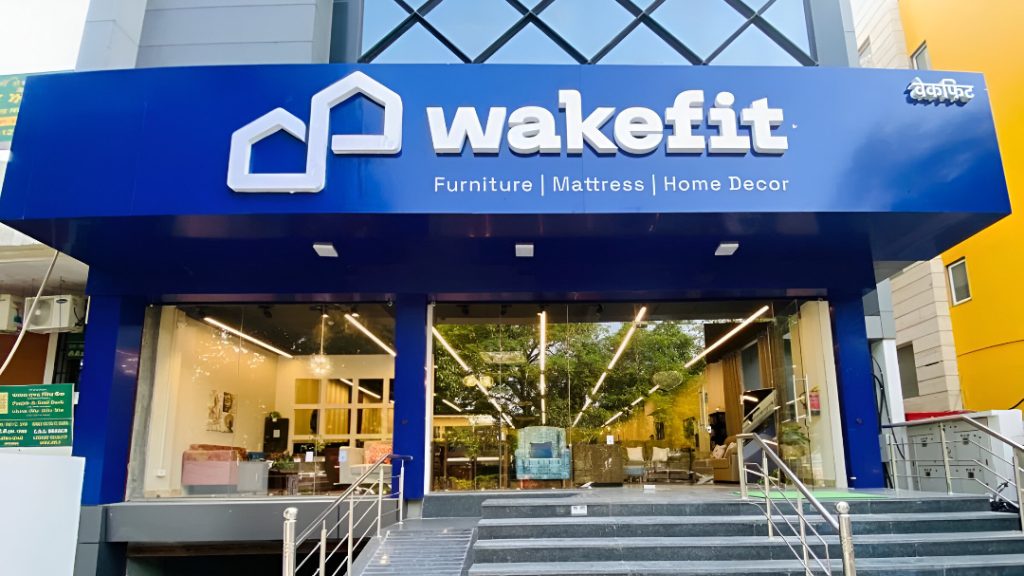
On June 27, 2025, Wakefit Innovations Limited, the Bengaluru startup that’s become a go-to for sleep and home essentials officially tossed its hat into the public market ring. With its Draft Red Herring Prospectus (DRHP) now filed with SEBI, Wakefit is laying down serious intentions: an IPO pegged at ₹468.2 crore. This isn’t just a number on paper — it’s part capital injection, part investor cash-out, and one hundred percent a signal that this once-hustling startup is entering the big leagues.
Wakefit, founded in 2016 by Ankit Garg and Chaitanya Ramalingegowda, has grown with the kind of pace that makes even seasoned entrepreneurs take notice. In FY24, the firm clocked nearly ₹986 crore in revenue. Even more striking? It slashed its net loss from a worrisome ₹145 crore last year to a comparatively lean ₹15 crore. The fuel behind this momentum? A punchy mix of tech-driven production, nationwide physical presence, and gutsy ambition.
The IPO consists of fresh shares totaling ₹468.2 crore, plus 5.83 crore shares being offloaded by early backers and founders — names like Peak XV, Verlinvest, and Investcorp. The fresh cash will go into opening more stores, building out a massive flagship outlet, dialing up marketing efforts, and bolstering the backend factory setup.
Axis Capital, IIFL, and Nomura are running point as the Book Running Lead Managers.
For Wakefit, this is more than a business move — it’s a loud and proud coming-of-age moment. And for the rest of India’s consumer startups? This could be the spark that lights a fresh wave of IPO ambition.
1. Wakefit Files ₹468 Cr IPO: A New Chapter in Indian Startup IPOs
1.1 Wakefit’s IPO Details and Breakdown
Let’s break it down. Wakefit’s DRHP reveals a twin-track strategy: raise ₹468.2 crore via fresh equity and let early believers partially cash out via 5.83 crore shares under the Offer for Sale route. It’s a balancing act — new fuel for growth, old hands taking some chips off the table.
1.2 Use of IPO Proceeds
Where’s all that money going? Here’s the breakdown:
- ₹82 crore: to open 117 regular COCO stores and a single, colossal “Jumbo” COCO outlet
- ₹15.4 crore: cutting-edge machinery and factory upgrades
- ₹145 crore: lease rentals and licenses — basically the cost of expansion real estate
- ₹108.4 crore: marketing blitzkrieg to etch Wakefit deeper into the public’s mind
- The leftover chunk? General corporate use — which usually means flexibility for whatever needs attention next
2. Startup Overview: Wakefit’s Business and Revenue Model
2.1 What Does Wakefit Do?
If you’ve ever gone mattress shopping and found the options either outrageously expensive or suspiciously lumpy, Wakefit probably felt like a godsend. From mattresses to sofas to snazzy work desks, the brand covers nearly everything you’d want to upgrade your home — and they sell it via their website, their own brick-and-mortar stores, and platforms like Flipkart and Amazon.
2.2 Operating Model and Infrastructure
Five factories. Two in Bengaluru, two in Hosur, one in Sonipat. All humming with automation — think robotic arms, conveyor belts, and waste-reduction tech. This isn’t your uncle’s furniture workshop. Wakefit’s operations are about speed, scale, and keeping a tight grip on quality.
2.3 Revenue and Profitability Journey
The numbers speak volumes:
- FY24 revenue: ₹986.3 crore
- Revenue in first 9 months of FY24 alone: ₹971 crore
- Net loss trimmed down to ₹15.05 crore from a massive ₹145.68 crore a year prior
That’s not just cost-cutting — it’s operational maturity showing through.
3. Founders, Funding, and Shareholder Details
3.1 Founders’ Background
Ankit Garg (IIT-Roorkee) and Chaitanya Ramalingegowda didn’t walk into a mature market — they built a category out of consumer frustration. Their story? From testing mattresses in apartments to building one of India’s most trusted home brands. They’re not just founders — they’re operators, thinkers, and straight-up grinders.
3.2 Funding and Investors
Big-name backers lined up over the years:
- Peak XV Partners
- Verlinvest SA
- Investcorp
- Redwood Trust
- Paramark
The IPO isn’t just about raising money — it’s a long-overdue curtain call for some of these early believers.
4. Wakefit’s Market Position and Industry Trends
4.1 Wakefit’s Market and USP
The core pitch? Cut out the middlemen, slash the prices, upgrade the experience. Whether you’re in Delhi or Dindigul, Wakefit’s D2C play ensures affordability without skimping on quality. The omnichannel strategy — physical stores + online — gives it edge and reach.
4.2 Problems Wakefit Solves
- No dealers, no nonsense — prices stay low
- Try before you buy — who does that with mattresses in India? Wakefit does
- Strong product warranties for peace of mind
- Delivers to metros and smaller cities alike, thanks to a smart logistics backend
4.3 Growth of Indian D2C and Home Furnishing Industry
India’s home furnishing sector is barreling toward ₹50,000 crore by 2030. Why? People are skipping showrooms and shopping from their sofas — literally. Wakefit, and the broader D2C wave, are surfing this shift beautifully.
5. Competitive Landscape and Industry Challenges
5.1 Who Are Wakefit’s Competitors?
Direct: SleepyCat, The Sleep Company, Flo Mattress, Urban Ladder, Pepperfry
Indirect: IKEA, local carpenters, unbranded neighborhood furniture marts
5.2 Challenges Ahead
- Delivery and logistics — still costly in India
- Raw materials? Prices keep creeping up
- Brick-and-mortar expansion burns cash
- Competitive pricing pressure from new-age D2C brands and legacy players alike
6. Journey of Wakefit: From Bootstrapped Beginnings to IPO-bound
6.1 The Origin Story
Back in 2016, Wakefit started with two guys hustling mattresses out of a Bengaluru flat. That scrappy energy never left. What changed? Scale, capital, and a nation finally ready to buy furniture online.
6.2 Key Milestones
- 2016: Wakefit is born
- 2018: Breaks ₹100 crore revenue barrier
- 2020: Dives into furniture, not just sleep
- 2022: 25 COCO stores live
- 2024: Revenue nearly hits ₹1,000 crore
7. Financial Insights and Future Outlook
7.1 Financial Performance
Here’s the deal:
- 21.9% YoY revenue growth
- Losses narrowed almost tenfold
- Margins trending upwards
- Marketing and expansion burn is strategic, not reckless
7.2 Strategic Plans Ahead
- Add 117+ physical stores — because not everyone wants to shop online
- Roll out India’s first “Jumbo” COCO showroom — think IKEA-level experience
- Splash heavily on ads — brand recall = long-term wins
- Double down on Tier 2 and Tier 3 cities, where the next wave of demand lives
8. Learning for Startups and Entrepreneurs
What can early-stage founders learn from Wakefit?
- Start from scratch — the founders literally did
- Own your process — their in-house manufacturing is a game-changer
- Don’t chase profits too early — focus on building the infrastructure
- Serve customers like they matter — because they do
- Omnichannel is the future — hedge your bets across digital and physical
Wakefit isn’t just a company — it’s a roadmap for how to build a resilient, scalable, D2C brand in India.
Conclusion: Wakefit Files ₹468 Cr IPO — A Defining Moment for India’s Consumer Startups
This isn’t just Wakefit’s moment — it’s a landmark for every Indian D2C founder who dared to dream big. Filing for a ₹468 Cr IPO is more than a financial move — it’s a megaphone to the startup world: “We made it.” With rising revenues, minimized losses, and a sharp expansion playbook, Wakefit isn’t just ready for the public market — it’s hungry for it. This is what the future of Indian retail looks like: tech-enabled, customer-obsessed, and bold enough to go public on its own terms.
The Startups News: Wakefit and the Indian D2C Wave
At TheStartupsNews.com, stories like Wakefit’s are what we live for. This isn’t just another startup filing for an IPO — it’s a symbol of how Indian founders, once laughed off by legacy businesses, are now rewriting the rulebook. From garage dreams to stock market reality — Wakefit proves it’s possible.