


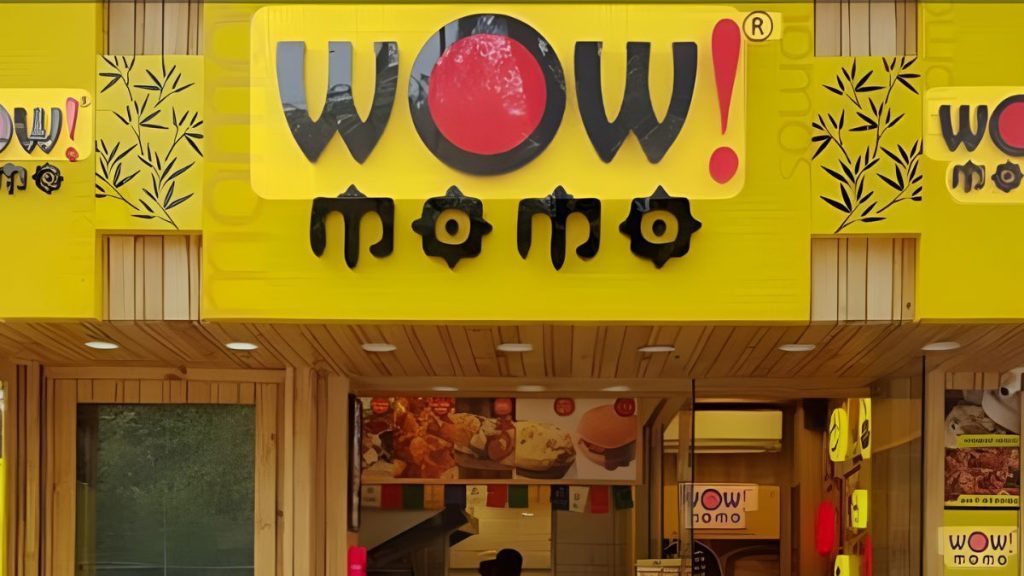
Co- Founder and CEO of Wow! Momo, Sagar Daryani invests ₹2 crore in homegrown QSR startup Wah! Puchka Wah! Litti. Alongside angel investor Abhishek Rungta and other global backers, this strategic funding accelerates Wah!’s ambition to scale India’s street snacks—like Puchka and Litti-Chokha—into a modern, hygienic quick-service experience with authentic flavor.
Founded by 26‑year‑old entrepreneur Deepak Kumar, the brand already runs 18 outlets in Kolkata, serving over 2 lakh customers and earning 4.6+ ratings on Swiggy and Zomato. They also launched a D2C platform, wahfoods.com, now delivering fresh Puchka and Litti in under 30 minutes.
The fresh ₹2 crore capital will help open 19 more outlets across Kolkata and build systems to scale to 100 locations across six metro cities in two years. This marks a clear push to formalize India’s ₹20+ billion unorganized street‑food market and tap into an online food services industry projected to double to $8 billion in the coming years.
This news report dives into the startup’s model, growth plans, market opportunity, and key learning for entrepreneurs—crafted to deliver high SEO impact with a deeply human storytelling tone.
1. Why Sagar Daryani Invests ₹2 Crore
When Sagar Daryani decided to invest ₹2 crore in Wah! Puchka Wah! Litti, he endorsed a vision: turning regional street snacks into a high‑quality, hygienic QSR chain. This investment reflects strong interest from the startup ecosystem in formalizing beloved local cuisine through scalable business models.
2. The Startup Story
2.1 The Founder’s Journey
Deepak Kumar began with one small outlet in Kolkata. Hungry for change, he dreamed of serving Puchka and Litti-Chokha with modern hygiene and consistent taste. At just 26, he built a brand that now serves 2 lakh customers and earns 4.6-plus ratings on Swiggy and Zomato—proof that authenticity and cleanliness can coexist beautifully.
2.2 Brand Promise & Products
Wah! offers classic street food flavors reimagined: fresh Puchkas filled with spicy water, and Litti-Chokha served in a clean, bright outlet. The D2C delivery platform, wahfoods.com, promises doorstep delivery in under half an hour. The goal: bring iconic street flavors into a trusted, branded QSR format.
3. Business Model & Growth Plans
3.1 Multi‑Channel Revenue
Revenue streams include dine-in at 18 city outlets, delivery via Swiggy and Zomato, and the D2C portal. This balanced model ensures reach and control.
3.2 Expansion Strategy
With ₹2 crore in fresh funding, Wah! will open 19 more outlets in Kolkata and focus on building strong systems and operations. Over the next two years, the target is scaling to 100 outlets across six metro cities—leveraging turnkey processes and shared back-end systems.
4. Funding Round & Investor Insight
4.1 Investor Ecosystem
Led by Sagar Daryani’s personal ₹2 crore infusion, the round also includes Abhishek Rungta (Dot & Key) and global angel investors. Daryani’s endorsement adds credibility, while strategic mentorship and capital accelerate growth.
4.2 How the Funds Will Be Used
Funding plans include:
- Opening 19 new outlets in Kolkata
- Building stronger management and operational teams
- Investing in digital systems and supply chain infrastructure for national expansion
5. Market Landscape & Trends
5.1 Industry Overview
India’s online food services market is projected to reach $8 billion soon. Organized QSR chains currently capture less than half of eating‑out spend. At the same time, street food remains a massive ₹20+ billion unorganized opportunity.
5.2 Consumer Behavior
Urban consumers are craving both authenticity and hygiene. They want traditional snacks in clean environments. That’s where Wah! fills a gap: classic flavors delivered safely, quickly, and reliably—whether in‑store or at home.
6. Competitor Context
6.1 Direct Competition
Brands like Goli Vada Pav, Biryani by Kilo, and chat outlets do well, but few focus deeply on Puchka and Litti. Wah! claims first‑mover advantage in turning these hyper‑regional flavors into replicable QSR outlets.
6.2 Indirect Competition
Street vendors, global fast‑food chains, and general QSR brands offer food convenience but lack regional authenticity or hygiene-first branding. Wah! sits at the intersection: strong local flavor plus modern standards.
7. Why This Investment Matters
Sagar Daryani’s decision to invest ₹2 crore signals confidence in founder Deepak’s vision. It validates the opportunity to formalize cuisine deeply rooted in Bengali street culture. More importantly, it shows that India’s startup ecosystem sees value in scaling regional specialties through smart brand building and operations.
8. Learning for Startups and Entrepreneurs
Here’s what every startup founder can take from this story:
- Deeply Niche Can Be Broadly Scalable
Choosing hyper‑regional flavor (Puchka & Litti) became a clear identity. - Cleanliness Builds Trust
High hygiene can differentiate even the most traditional food categories. - Own Your Tech & Delivery Channels
Creating a D2C portal lets you control branding and margin. - Personal Investment Signals Belief
When a respected founder invests personally, it builds trust for others. - Growth Needs Strong Systems
Building processes before scaling is vital to maintain service quality.
About Foundlanes
At foundlanes is a dedicated news and startups stories platform covering the latest trends, insights, and stories from both Indian and global startup ecosystems. Through our spotlight on Wah! Puchka Wah! Litti, we believe in showcasing businesses that transform tradition into innovation. As the Indian QSR landscape evolves, The Startups News continues to highlight startups driven by culture, technology, and expansion—especially those reshaping food services in India’s ₹8 billion online market.