News Summary
When Culture Circle quietly launched its app in January 2024, few expected the young startup to scale at the speed it did. Barely a year later, the Delhi NCR–based luxury fashion marketplace has reported operating revenue of Rs 3.4 crore in FY25, marking a remarkable Culture Circle 10x revenue growth compared to Rs 31.4 lakh in FY24.
For a company incorporated only in September 2023, FY25 was its first complete year of operations. Yet, in those twelve months, Culture Circle moved from an early-stage idea to one of India’s most talked-about fashion startups. Including other income of Rs 45 lakh, the startup’s total income reached Rs 3.8 crore.
However, rapid growth came at a cost. As Culture Circle pushed hard on marketing, hiring, and technology, its expenses climbed sharply. Total costs rose to Rs 7.1 crore, and net losses widened to Rs 3.3 crore, compared to a modest loss of Rs 11.4 lakh the year before.
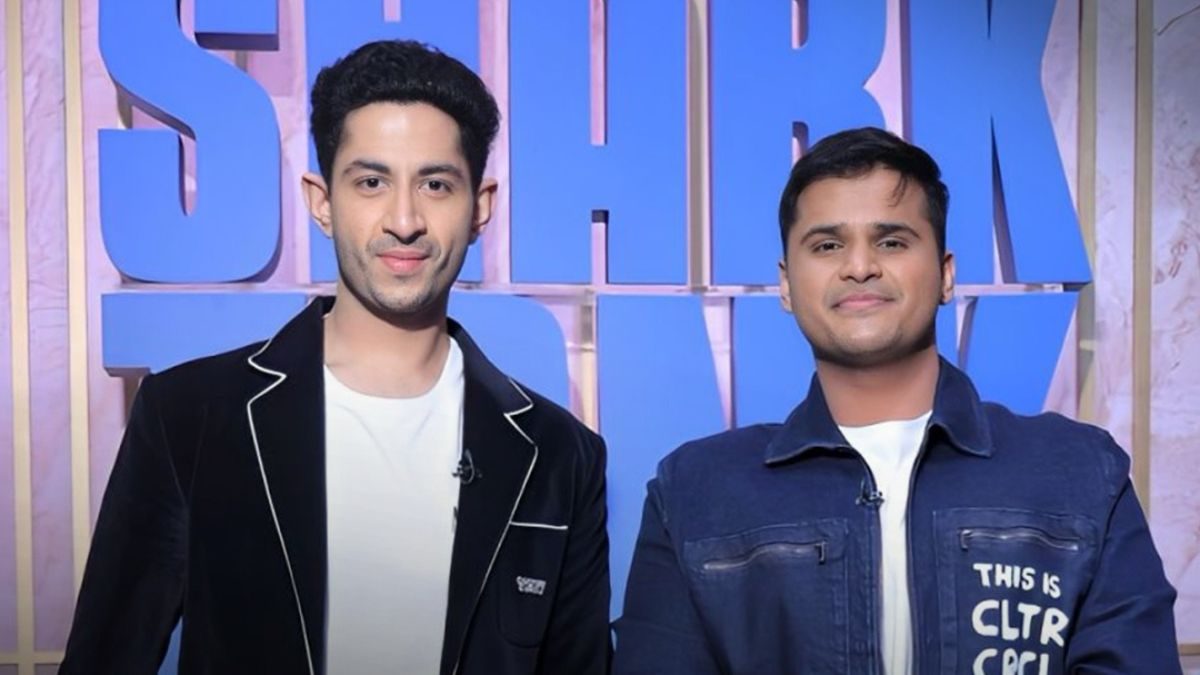
Founded by Devansh Jain Nawal and Ackshay Jain, Culture Circle operates an inventory-free luxury ecommerce marketplace focused on sneakers, streetwear, and high-end fashion. The platform connects buyers with more than 3,500 verified sellers offering products from global brands such as Nike, Yeezy, Dior, Supreme, and Louis Vuitton.
The startup’s appearance on Shark Tank India Season 4 further pushed it into the spotlight. After receiving the highest-ever offer on the show, the founders chose a strategic Rs 3 crore investment from Kunal Bahl and Ritesh Agarwal. Today, Culture Circle’s story reflects both the promise and pressure of building a fast-growing startup in India’s competitive ecommerce ecosystem.
1. A Defining Year for Culture Circle 10x Revenue Growth
FY25 will always stand out in Culture Circle’s journey. It was the year the startup proved its idea could work at scale. The reported Culture Circle 10x revenue growth was not driven by hype alone. Instead, it came from a deep understanding of what Indian luxury buyers truly want—trust, transparency, and fair pricing.
In a market flooded with counterfeits and resellers, Culture Circle positioned itself as a platform built on verification. That focus resonated. As more users joined, transaction volumes increased, and revenue followed.
At the same time, the year also revealed the realities of scaling. Marketing costs rose. Teams expanded. Losses widened. Yet, for an early-stage, venture-backed startup, this phase is often unavoidable.
2. The Origin Story: From Frustration to Startup
2.1 A Personal Problem Sparks an Idea
Culture Circle did not begin as a polished startup pitch. It began with frustration. Co-founder Ackshay Jain’s experience buying his first pair of Jordans exposed a broken market. Authenticity was uncertain. Prices were inflated. Options were limited.
Devansh Jain Nawal shared similar concerns. Together, they saw a gap that traditional ecommerce platforms were not solving. Instead of selling products, they decided to build trust.
2.2 From Campus Project to National Platform
What started as a college project soon took shape as a business. Culture Circle was incorporated in September 2023. By January 2024, the app went live.
Within months, it expanded beyond sneakers into apparel and accessories. By the end of FY25, the platform hosted around 35 lakh listings, reflecting how quickly sellers embraced the model.
3. The Founders Behind the Brand
3.1 Devansh Jain Nawal: Building with Discipline
As Co-Founder and CEO, Devansh Jain Nawal brought structure to the startup. An IIM Ahmedabad graduate with experience at Goldman Sachs, he understood both numbers and narrative.
His role focused on growth strategy, partnerships, and long-term vision. During Shark Tank India, his calm handling of tough valuation questions stood out.
3.2 Ackshay Jain: Technology at the Core
Ackshay Jain, Co-Founder and COO, shaped Culture Circle’s technical backbone. With prior experience at Google and a background in machine learning, he led the platform’s authentication systems and operations.
His belief was simple. If users trust the product, they return. That belief became central to Culture Circle’s design.
4. The Core Problem Culture Circle Solves
4.1 Authenticity in a Confusing Market
India’s luxury fashion market suffers from a credibility gap. Fake sneakers and replica luxury goods are common. Many buyers hesitate before making high-value purchases online.
Culture Circle addressed this head-on. Every product listed on the platform goes through a strict verification process. This assurance became its strongest selling point.
4.2 Price Transparency for Buyers
Another major issue was pricing. Luxury sneakers often sell at inflated rates. Culture Circle’s compare-and-shop model allows buyers to view multiple seller prices in one place.
This transparency played a direct role in the Culture Circle 10x revenue growth, as buyers felt confident completing transactions.
5. How Culture Circle Works
5.1 An Inventory-Free Marketplace
Culture Circle does not hold stock. Instead, it connects verified sellers with buyers. This inventory-free model reduces capital risk and allows rapid expansion.
The platform manages discovery, authentication, and transaction support, while sellers handle inventory.
5.2 Technology-Led Authentication
At the heart of the platform is its AI-driven system, SourceX. Products pass through a five-step authentication process that blends technology with human expertise.
This focus on verification helped build loyalty and repeat usage.
6. Revenue Model and FY25 Financials
6.1 How the Startup Makes Money
Culture Circle earns through commissions ranging from 9% to 30% per transaction. Sneakers remain the largest revenue contributor, followed by apparel and accessories.
This diversified category mix helped stabilise revenue as demand fluctuated.
6.2 Breaking Down FY25 Numbers
In FY25, operating revenue reached Rs 3.4 crore. Including other income, total income stood at Rs 3.8 crore. This marked clear Culture Circle 10x revenue growth from the previous year.
Yet, expenses climbed to Rs 7.1 crore. Losses widened to Rs 3.3 crore as the company invested heavily in scale.
7. Rising Costs: The Price of Growth
7.1 Hiring to Support Scale
Employee benefit expenses rose sharply to Rs 1.8 crore. The startup expanded teams across engineering, operations, and marketing.
For a young company, building the right team often comes before profits.
7.2 Marketing for Visibility
Advertising expenses jumped to Rs 2.6 crore. Culture Circle spent aggressively to build brand awareness and attract users in a competitive market.
This push helped fuel growth but also increased cash burn.
8. Shark Tank India and Investor Backing
8.1 A High-Pressure Pitch
Culture Circle’s Shark Tank India appearance changed its trajectory. The founders received the highest-ever offer on the show but chose a strategic deal instead.
They accepted Rs 3 crore for 3% equity from Kunal Bahl and Ritesh Agarwal.
8.2 Seed Funding and Expansion
In December 2024, Culture Circle raised $2 million in seed funding led by Info Edge Ventures. The capital supported technology upgrades and international pilots.
9. Industry Trends Fueling Growth
9.1 A Growing Luxury Market
India’s fashion market is projected to reach $17.24 billion in 2025. Online luxury demand continues to rise, especially among Gen Z consumers.
Trust-based platforms are gaining importance.
9.2 Riding the Right Wave
Culture Circle entered the market at the right time. Its growth mirrors broader ecommerce and startup ecosystem trends.
The Culture Circle 10x revenue growth aligns with rising digital adoption and premium consumption.
10. Competition in the Market
10.1 Direct Competition
Culture Circle competes with luxury resale platforms and sneaker marketplaces. However, few offer the same level of price comparison and verification.
10.2 Indirect Threats
Global ecommerce giants and offline luxury stores also compete for attention. Social media sellers remain another alternative.
Still, Culture Circle’s trust-first approach sets it apart.
11. Global Ambitions
The startup has piloted operations in six international markets, including the UAE, UK, and Singapore. These early steps signal long-term global ambitions.
Expansion remains capital-intensive but necessary for scale.
12. Challenges Ahead
Losses remain a concern. Managing expenses while maintaining growth will be critical. Competition will only intensify.
Yet, Culture Circle has already shown it can execute quickly.
13. Learning for Startups and Entrepreneurs
Culture Circle’s story offers powerful lessons. Solve a real problem. Build trust early. Accept short-term losses for long-term scale.
The Culture Circle 10x revenue growth proves that clarity of purpose can drive rapid adoption.
14. The FoundLanes View
At foundlanes, Culture Circle’s journey stands out not just for its headline-grabbing numbers but for what it reveals about building modern Indian startups—where trust, verification, and transparency can drive rapid adoption, even as losses widen. The Culture Circle 10x revenue growth reflects a clear market insight executed at speed, alongside the inevitable pressure of scaling through heavy spending on technology, hiring, and marketing. Stories like this matter because they show entrepreneurship as it truly unfolds: fast, demanding, and full of trade-offs, where short-term financial strain is often the price paid for long-term relevance and scale.