Summary
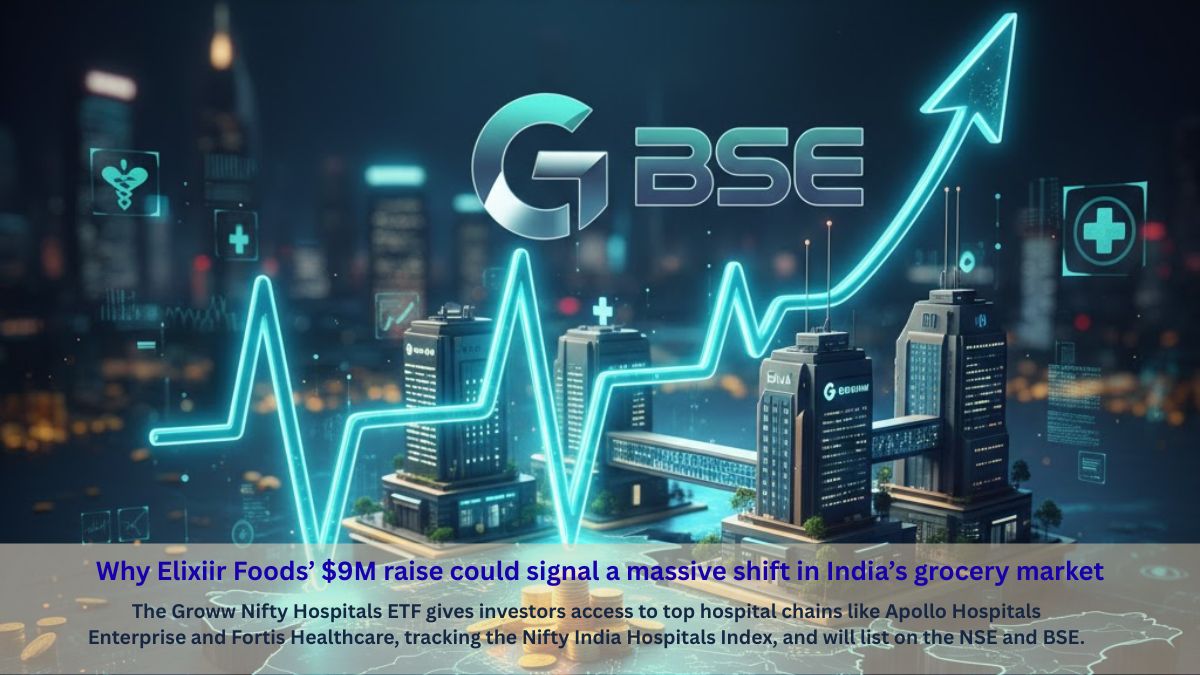
The launch of the Groww Nifty Hospitals ETF marks a significant expansion in India’s healthcare-focused investment products. The new fund, introduced by Groww Mutual Fund, is designed to track the performance of the Nifty India Hospitals Index, an index curated and maintained by the National Stock Exchange of India to capture the growth trajectory of India’s listed hospital networks.
This ETF provides investors exposure to a basket of hospital operators such as Apollo Hospitals Enterprise and Fortis Healthcare, along with other constituents representing India’s private healthcare infrastructure. By offering a diversified route into the hospital ecosystem, the fund aims to give investors access to long-term structural trends including rising healthcare demand, insurance penetration, and capacity expansion across the sector.
The ETF is available for purchase on the platforms operated by Groww and is expected to be listed on both the National Stock Exchange and the Bombay Stock Exchange. According to the fund house, the core objective is to mirror the total returns of the underlying hospitals index while maintaining low tracking error. The product targets retail investors, long-term wealth builders, and those seeking pure-play exposure to healthcare services rather than pharmaceuticals or medical devices.
Analysts note that the timing aligns with broader momentum in India’s healthcare sector, including increased capital expenditure, medical tourism recovery, and improved occupancy rates in organized hospital chains. With regulatory clarity from bodies like the Securities and Exchange Board of India and growing investor familiarity with thematic ETFs, industry observers expect the fund to draw significant interest in the coming quarters.
1. The Market Backdrop Behind the ETF Launch
India’s healthcare delivery market is moving through a period of steady expansion. Over the past decade, private hospital chains have grown faster than most service industries due to rising incomes, insurance adoption, and greater demand for specialty care. This trend gained additional momentum after the pandemic, when hospitals across the country increased capacity, upgraded technology, and expanded into new cities. The introduction of the Groww Nifty Hospitals ETF arrives at a time when investors are searching for focused exposure to healthcare services rather than broad pharmaceutical or life sciences themes.
1.1 Growth Drivers Reshaping the Hospital Sector
Several demand-side forces are converging. Lifestyle diseases continue to rise in both metros and smaller cities, pushing more patients toward tertiary care facilities. Insurance penetration has picked up due to wider adoption of government-backed schemes like Ayushman Bharat. More families are opting for cashless treatment, which boosts the revenue cycle for hospitals and reduces operational uncertainty. At the same time, India’s health-tech adoption is accelerating. Platforms such as Practo and 1mg have made it easier for patients to navigate care pathways, indirectly benefiting hospitals through higher footfall and faster diagnostics.
On the supply side, large hospital networks are expanding capacity at a steady pace. Operators like Max Healthcare Institute and Narayana Health continue to invest in more beds, advanced care units, and new clinical specialties. These expansion plans often run parallel with medical tourism, which rebounded sharply due to patients returning from Africa, the Middle East, and South Asia. Major hubs such as Chennai and Hyderabad are again seeing higher inflow, strengthening near-term revenue visibility.
1.2 Why Investors Are Turning Toward Thematic Healthcare ETFs
Investor interest in thematic products has intensified as markets become more mature. Many retail investors are looking for ways to participate in long-term structural growth without selecting individual stocks. Healthcare delivery offers this kind of consistent demand. The hospitals index tracked by the new ETF is weighted toward operators with strong balance sheets, established clinical brands, and high occupancy rates.
The regulatory environment has also matured. Guidelines from entities like Insurance Regulatory and Development Authority of India have increased confidence about health insurance expansion. Clear reporting standards and stronger disclosures helped bring institutional capital into the space. As a result, fund houses see value in offering products that mirror broader healthcare consumption patterns across India.
1.3 How This Fits Into India’s Larger Investment Ecosystem
The arrival of this ETF aligns with broader changes in the Indian investor community. More first-time investors are choosing digital platforms to diversify their portfolios. With the rise of fintech innovations, many investors now evaluate sector-specific funds rather than limiting themselves to large-cap or multi-cap mutual funds. India’s investment platforms, including players like Zerodha and Upstox, have helped bring thematic ETFs into mainstream conversations. Their user-friendly apps encourage investors to explore new sectors, compare performance, and understand index methodology.
Healthcare is also attracting global interest. International private equity firms and sovereign funds have increased their exposure to Indian hospitals. Groups like TPG Capital and KKR have invested in healthcare operators, signaling strong long-term confidence. For retail investors, a thematic ETF provides a route to participate in the same trend without navigating the complexity of individual stock selection.
1.4 Why Timing Matters for the Groww Nifty Hospitals ETF
The timing of the fund’s launch is relevant because India’s healthcare sector is entering a new growth cycle. Occupancy levels have normalized after fluctuating during the pandemic. Planned capital expenditure across major hospital chains indicates continued expansion in specialty care, diagnostics, and surgical robotics. Cities such as Bengaluru and Delhi are witnessing new multispecialty hospitals coming up in previously underserved areas.
At the macro level, India’s GDP growth, rising middle-class spending, and government initiatives to strengthen healthcare infrastructure are creating a supportive backdrop. Large insurance partnerships, corporate health programs, and the rapid growth of telemedicine are helping hospitals improve unit economics. These conditions favor long-term investors looking for stability and a consistent demand cycle.
2. Structure and Design of the Groww Nifty Hospitals ETF
The Groww Nifty Hospitals ETF is built to mirror the performance of the Nifty India Hospital Index. This index captures the country’s largest listed hospital operators and assigns weights based on free-float market capitalization. The ETF’s purpose is simple. It allows retail and institutional investors to gain exposure to the hospital services industry through one instrument. The structure removes the need for manual stock selection and ongoing rebalancing. The index methodology follows a transparent rule-based approach supervised by entities such as NSE Indices Limited. The rules ensure that market movements, corporate events, and liquidity changes reflect in the index through scheduled reviews.
The ETF holds constituent stocks in the same proportion as the index. This helps maintain low tracking error. The portfolio remains diversified across multispecialty and single-specialty chains. Demand for these services comes from diagnostics, oncology, cardiac care, transplant surgeries, and emergency medicine. Because healthcare demand does not fluctuate as sharply as other sectors, ETFs focused on hospitals tend to bring more stability than cyclical themes.
2.1 What Makes a Hospitals ETF Different from a Pharma or Healthcare ETF
Most retail investors assume that healthcare ETFs and hospital ETFs serve the same purpose. In reality, hospitals operate with a different risk and revenue profile. Pharmaceutical companies depend on R&D cycles, regulatory approvals, and export markets. Medical device firms rely on manufacturing capabilities and global competition. Hospitals, by contrast, earn revenue primarily from services and occupancy. They rely on steady patient flow, clinical outcomes, and brand reputation. This stability is one of the reasons investors see value in this new product. Other countries have similar thematic products. Markets such as Japan and United Kingdom have listed healthcare service ETFs that focus on providers rather than drug makers. India’s context is unique. The hospital sector is growing faster than many global peers due to a young population, urban expansion, and rising lifestyle disorders. The ETF gives investors a tool to participate in this growth without exposure to pharma volatility.
2.2 How the ETF Actually Works on a Daily Basis
The day-to-day functioning of the ETF is straightforward. When an investor buys a unit, the asset management team invests the inflow into the underlying hospital stocks in the same weight as the index. When investors redeem, the fund sells proportionately. The ETF trades on the exchange throughout the day, similar to shares. This creates liquidity, allowing investors to enter or exit when markets are open. Authorised participants play a crucial role by creating and redeeming units to ensure the ETF price stays close to its net asset value.
Price efficiency improves further because the ETF lists on major platforms and brokerages. Many investors will access it through digital platforms and wealth services that make transactions seamless. Payment systems are also integrated with compliance standards set by bodies like Securities and Exchange Board of India. These standards maintain transparency and ensure stability. Market makers help prevent large gaps between buying and selling prices. This helps the fund remain accessible even to small investors.
2.3 Revenue Model Behind the ETF
The primary revenue source for the ETF comes from its expense ratio. This is a small annual fee charged to manage the portfolio and replicate the index. Passive ETFs tend to keep expense ratios low. This allows investors to retain more returns. The fund house earns revenue based on total assets under management. If the ETF attracts strong inflows, the revenue naturally scales. The growth of hospital companies also contributes indirectly. As market capitalisation rises, the value of the ETF increases for investors. Fund houses may also earn small operational revenues from securities lending, depending on regulatory permissions.
The ETF does not earn revenue like a hospital chain. It does not charge patients or provide medical services. Instead, its financial performance reflects the valuation of the companies it tracks. These firms generate income through inpatient care, outpatient services, diagnostics, surgeries, emergency care, and international patient programs. The ETF serves as a passive mirror of their growth trajectory.
2.4 How Hospitals Make Their Money and Why It Affects the ETF
To understand the ETF’s long-term potential, it is helpful to understand how hospitals earn revenue. Inpatient services contribute the highest share. These include surgeries, intensive care, emergency treatment, and long-term recovery. Outpatient services such as consultations, physiotherapy, and follow-up visits add recurring revenue. Diagnostics including radiology and pathology provide stable margins. Insurance partnerships improve payment timelines. Medical tourism adds foreign patient revenue at premium pricing. Hospitals also earn from value-added services including robotic surgery programs and advanced oncology treatments. Operators such as Fortis Healthcare and Apollo Hospitals invest heavily in clinical expertise, digital records, and new specialties to expand revenue channels.
These continued investments improve clinical outcomes. Better outcomes draw more patients. More patients create higher occupancy. Higher occupancy improves margins. When margins expand, valuations rise. When valuations rise, the ETF benefits. This chain of impact is what makes the healthcare delivery theme appealing for long-term investors.
2.5 Strategic Importance of the ETF in India’s Broader Investment Landscape
The launch of this ETF represents more than a new financial product. It signals a shift in India’s investment mindset. Investors increasingly seek targeted exposure to structural, long-term themes. Healthcare delivery fits this expectation. Market confidence has grown due to increased governance standards. Investor education has improved because of financial literacy initiatives led by organisations like Association of Mutual Funds in India. Retail participation in ETFs has risen steadily in the past three years. Technological adoption has made it easier for investors to compare thematic products.
The hospitals ETF is also relevant for financial planners seeking diversified portfolios. Healthcare tends to have low correlation with cyclical sectors such as manufacturing, real estate, and consumer durables. This gives investors a defensive component within their portfolio. Fund houses such as ICICI Prudential Mutual Fund and Kotak Mahindra Asset Management have already seen success with sector-based ETFs. The arrival of a hospitals-focused product adds more choice. Over time, these thematic products help deepen India’s capital markets and broaden participation.
2.6 Signals This Launch Sends to the Wider Healthcare Ecosystem
The launch of the ETF sends strong signals to the healthcare sector. It suggests that the financial community recognises the long-term growth potential of hospitals. It also shows that healthcare is now viewed as an investable consumption theme rather than a niche category. Hospitals may gain access to more capital as investor confidence grows. This can support expansion, medical equipment upgrades, and research programs. The broader ecosystem including diagnostics networks, telemedicine platforms like MediBuddy, and health insurance aggregators may also benefit through increased patient engagement.
The signals extend beyond the private sector. Policy discussions may gain momentum. Healthcare infrastructure, insurance coverage, and talent development become more important when the sector attracts mainstream investor interest. The ETF reinforces the idea that hospitals are central to India’s development story. It shows that healthcare consumption will remain strong in both urban and semi-urban markets.
3. Competitive Landscape for Hospital-Focused Investing
India’s listed hospital sector has become more structured during the last decade. The rise of organised players has created a competitive but balanced environment. Large networks dominate metros and tier-1 cities, while regional operators maintain influence in tier-2 and tier-3 markets. The new hospitals ETF captures a mix of national and regional companies. This gives investors exposure to different strategic styles.
Each hospital group has its strengths. Some focus on advanced quaternary care while others prioritise scale and digital integration. The competitive landscape includes multispecialty networks and specialty-based chains. Operators such as Max Healthcare compete in metros by investing in high-end procedures and international patient programs. Regional chains like KIMS Health attract patients by offering affordable treatments in Southern markets. The ETF structure neutralises concentration risks by holding weighted positions rather than relying on a single winner.
Competition continues to grow as domestic and global investors inject new capital into the industry. Private equity firms and sovereign funds have backed expansions, acquisitions and brownfield projects. This capital has allowed hospitals to build new medical specialities, upgrade existing centres, and expand into fast-growing cities. The broader competition also pushes hospitals to focus on operational efficiency, patient experience and digital adoption.
3.1 Why Health-Tech Startups Strengthen the ETF’s Long-Term Potential
Health-tech startups have become a major force in India’s healthcare journey. They support hospitals by improving diagnostics, patient onboarding, telemedicine and supply chain efficiency. Digital-first companies such as Practo offer scheduling and consultation tools that increase patient footfall. Remote-care platforms like 1mg simplify prescriptions and post-treatment continuity. These digital layers reduce friction within the hospital ecosystem.
As startups scale, hospitals benefit from smoother workflows and reduced administrative costs. This allows them to focus on clinical outcomes. Higher clinical quality attracts more patients and contributes to revenue growth. As hospital revenues grow, the ETF gains long-term strength. The startup ecosystem also benefits because strong hospitals create more demand for medical devices, diagnostic technology and AI-led clinical support.
Health-tech startups play another important role. They help patients compare costs, find specialists and book appointments. This transparency builds trust in the healthcare system. Over time, increased trust leads to higher utilisation of hospital services. The ETF reflects this rising demand through the valuations of its underlying companies.
3.2 Industry Growth Trends Shaping the Future of Indian Hospitals
The Indian healthcare delivery sector is on a strong growth path. Rising lifestyle diseases, ageing population segments and urbanisation are expanding the demand for advanced medical care. The medical tourism industry is also attracting more international patients. Countries from the Middle East and Africa rely on Indian hospitals for specialised treatments. This continues to push operators to expand bed capacity and invest in equipment.
Insurance penetration has become a pivotal driver. Government-backed schemes such as Ayushman Bharat have increased access to organised care. Private insurers are expanding their hospital partnerships, which brings predictable revenue cycles. As more people purchase insurance, hospitals gain financial stability. This leads to expansion and improved infrastructure.
Infrastructure investment is expected to rise. Diagnostic companies, biotech research centres and telehealth networks are integrating with hospitals. Investment banks and advisory firms predict steady double-digit growth in healthcare delivery. Global organisations like World Health Organization estimate that India needs millions of new healthcare workers in the next decade. This will create more demand for hospitals, training institutes and digital health systems.
3.3 How Hospital Expansion Plans Will Influence the ETF’s Performance
Hospital groups are already outlining aggressive growth strategies. Many plan to add new facilities in tier-2 cities. Rapid urbanisation has created demand for advanced care in those regions. Operators are also expanding specialised units for oncology, cardiology, neurology and transplant medicine. These specialities contribute to strong margins. As more of these units open, EBITDA performance improves.
For investors, this matters because the ETF’s value reflects the long-term performance of underlying companies. If hospitals expand capacity, add high-margin specialties and attract more international patients, valuations may rise. Investors often view healthcare delivery as a dependable sector because demand continues even during economic slowdowns.
Expansion is not without challenges. Hospitals need more trained doctors, nurses and technicians. They must manage compliance, quality standards and digital security. However, supportive policies, rising insurance coverage and new health-tech tools encourage scaled expansion. Over time, this broader expansion will influence the ETF’s performance.
3.4 Indirect Competitors: Pharma, Diagnostics and Insurance Providers
Although the ETF focuses solely on hospitals, indirect competition can influence investor sentiment. Pharmaceutical companies invest heavily in R&D and export markets. Diagnostic chains compete for patient attention by offering preventive health packages. Insurance companies influence healthcare pricing structures. These segments shape the broader healthcare investment environment.
Diagnostics operators like Dr. Lal PathLabs and pharmacy aggregators enhance the ecosystem by creating complementary services. Insurance firms partner with hospitals to create cashless networks. Telemedicine players push digital consultations before patients visit hospitals. These indirect competitors do not compete on inpatient care, but they do impact how patients choose healthcare services.
For ETF investors, understanding these indirect competitors helps interpret sector risks. If diagnostics or telemedicine companies disrupt certain procedures, hospital growth rates may shift. However, hospitals hold a strong position because advanced treatments such as surgeries and emergency care cannot be digitised.
3.5 Global Comparisons and International Benchmarks
International markets provide important lessons. Countries like Singapore and United States have advanced hospital systems supported by insurance and public funding. Investors in those markets often hold healthcare service ETFs to hedge against economic cycles. India’s new hospitals ETF is aligned with similar global investment patterns.
India’s advantage lies in cost-effective medical excellence. International patients choose Indian hospitals because of advanced technology and affordable pricing. This global appeal strengthens the long-term prospects of the ETF. Many industry observers believe India could become a global medical hub. If this happens, hospital revenues would rise significantly over the next decade. Regulatory frameworks continue to improve. Market reform, transparency and digital integration have helped build trust among international investors. This strengthens the case for long-term investment in hospital-themed funds.
3.6 Role of Regulators and the Future of Thematic ETFs
Regulators play an important role in shaping the future of thematic ETFs. The oversight by bodies like Reserve Bank of India ensures financial discipline across fund houses and intermediaries. Regulatory clarity helps investors trust thematic products. Over time, more thematic ETFs are likely to emerge in sectors such as renewable energy, logistics, tourism and digital services.
The hospital-themed ETF sets a reference point. If it attracts strong inflows, other fund houses may introduce their own healthcare delivery funds. This will create healthy competition and expand the availability of investment themes for retail investors. The future of thematic ETFs looks strong. More investors want focused exposure to long-term growth stories. Hospitals fit this profile well. As India continues to strengthen its healthcare system, thematic ETFs will become an important bridge between retail investors and sectoral growth stories.
4. The Background Story Behind Groww and Its Entry into ETFs
Groww started as a digital investment platform at a time when India’s retail investing landscape was still evolving. Millions of people were opening bank accounts, but few were exploring market-linked products. The team saw this gap early. They realised that most young investors wanted simple access, transparent choices and easy-to-understand financial products. That insight shaped the next several years of their journey. Today, Groww runs a full-scale asset management platform alongside its core investment marketplace.
The company’s evolution also mirrors India’s digital transformation. Smartphone adoption surged, payment systems matured and financial literacy improved. Institutional bodies such as Reserve Bank of India and National Payments Corporation of India strengthened digital infrastructure. This wider ecosystem created the right conditions for platforms like Groww to scale quickly. As new asset classes became popular, ETFs emerged as a natural extension for both retail investors and digital-first fund houses.
Groww’s entry into thematic ETFs reflects this shift. The hospital-focused ETF is part of a broader plan to offer niche market themes supported by long-term structural growth. It also indicates rising confidence that India’s healthcare delivery segment is becoming a mainstream investment story rather than a specialist sector.
4.1 The Founders’ Vision and Their Approach to Building a Scalable Platform
Groww was created by four founders who had prior experience in technology and financial services. Their work at global platforms and established companies helped them understand how digital products influence consumer behaviour. One of the founders, Lalit Keshre, became the public face of the company and often spoke about investor education, accessibility and transparency. Under his leadership, Groww developed a product philosophy that focused on simplicity.
The founders wanted to remove complexity from investing. They noticed that many people believed market products were only for experts. So, they built an interface where users could invest with minimal friction. This design-first approach helped Groww attract millions of new investors in a short span of time. As digital transactions grew across the country, more people trusted online platforms for financial decisions.
The leadership team also invested early in customer support, compliance, risk management and data security. These safeguards helped the platform scale responsibly. Their long-term view shaped the decision to launch a mutual fund business. Once the framework was in place, thematic ETFs became a natural next step.
4.2 Funding Story and Timeline of Groww’s Expansion
Groww’s story includes several high-profile funding rounds. Over the years, it attracted investments from global venture capital firms and technology-focused funds. Investors from ecosystems such as the United States, Southeast Asia and Europe saw potential in India’s digital finance wave. Their backing allowed Groww to build stronger infrastructure, expand product lines and hire skilled teams.
International firms like Sequoia Capital and Tiger Global participated in early rounds. These investors supported technology-led startups across sectors. Their participation increased Groww’s credibility in the competitive fintech space. The company used the capital to expand operations, improve backend systems and build advisory tools for users. As the business scaled, the founders decided to acquire a mutual fund license. This move allowed Groww to offer its own ETFs and index-based products. The launch of a hospitals ETF reflects that long-term strategy. Investors gained the ability to own a portfolio of hospital stocks through one digital product. The funding timeline shows how strategic capital can influence sector innovation and accelerate new ideas.
4.3 How Groww’s Working Model Supports New-Age Investors
Groww’s working model uses a digital-first structure. It connects users to investment products, provides market information and simplifies onboarding. The platform integrates KYC processes with regulatory databases through partnerships supported by bodies like Central KYC Registry. This reduces paperwork and improves user experience. Investors can choose between mutual funds, ETFs, direct stocks, sovereign bonds and fixed-income products. The interface offers real-time tracking, charting tools and historical data. These features support transparency. They help users make informed decisions. The platform also offers SIP automation tools that encourage disciplined investing.
Groww’s model prioritises cost efficiency. By reducing operational overhead, the company keeps charges low for users. This has attracted a younger demographic that prefers digital convenience. Improved accessibility has increased retail participation across metro and non-metro cities. This broad user base also creates a solid foundation for ETF adoption. For many investors, Groww becomes their first window into passive investing.
4.4 How the Startup Solves Investor Problems in India
The Indian investor faces several challenges. These include limited financial literacy, lack of trust in market-linked products, complex onboarding and confusing product structures. Groww attempts to solve these issues with clear explanations, transparent fees and intuitive navigation. The platform provides educational content through tutorials, guides and market updates. This helps new investors understand risk and returns without jargon.
The company also reduces friction in buying thematic funds. Before digital platforms, thematic ETFs saw low participation because many investors found them difficult to access. By embedding ETFs inside a mobile-first experience, Groww removed these barriers. This also aligns with India’s broader digital adoption pattern. Platforms across sectors from transport services like Ola to online food delivery apps like Swiggy have shown that simplifying user experience can drive mass adoption. Groww follows this same principle. It gives investors confidence by showing them how products work, what fees apply and how risks evolve. This helps build long-term participation rather than speculative behaviour.
4.5 How the Indian Startup Ecosystem Influenced Groww’s Growth
India’s startup ecosystem created favourable conditions for Groww’s rise. The expansion of digital payments, low-cost data services and widespread smartphone usage changed how people interact with financial services. Government-backed initiatives including Digital India accelerated adoption. The success of online marketplaces, mobility platforms and food delivery apps created consumer confidence in digital platforms.
Investors in India also became more open to new ideas. Venture capital backed young founders building in fintech, health-tech, ed-tech and logistics. Entities such as Lightspeed Venture Partners and other firms supported startups that built user-focused digital experiences. This created a competitive environment where strong product execution mattered more than legacy brand recognition. The fintech sector benefited from these changes. Policies improved transparency. Regulatory bodies encouraged simplified onboarding. As trust increased, millions of first-time investors entered the market. Platforms like Groww used this momentum to scale rapidly. Their growth later allowed them to create their own thematic products, including the hospitals ETF.
4.6 Evolution of India’s Healthcare Investment Landscape
India’s healthcare industry has gone through major changes. Earlier, hospitals operated in isolated regional pockets. Over time, consolidation accelerated. Corporate groups acquired smaller hospitals. Technology improved diagnostic accuracy. Medical equipment became more advanced. Insurance coverage expanded. All these shifts created a mature environment that allowed investors to study healthcare delivery as an investable theme.
Private equity funds increased their presence. Global investment groups like Temasek Holdings and Abu Dhabi Investment Authority backed large hospital chains. This improved governance and pushed hospitals to adopt digital frameworks and operational controls. Thematic ETFs became the next logical step. India’s markets had seen pharma and healthcare ETFs before, but they did not isolate the hospitals theme. Now, investors can target the sub-sector directly. Groww’s ETF captures this shift. It aligns retail participation with long-term healthcare expansion.
4.7 Long-Term Impact of the Groww Nifty Hospitals ETF on Retail Investing
The hospitals ETF introduces investors to a theme that is both essential and resilient. Hospitals operate across economic cycles because healthcare needs remain constant. This stability strengthens investor confidence. The ETF adds diversity to retail investor portfolios. It reduces concentration risk that often comes from investing in single stocks.
Digital distribution ensures wider reach. Investors from large metros and smaller towns can access the product through simple user interfaces. As financial literacy continues to improve, more investors will explore sectoral and thematic funds. This shift could deepen India’s ETF market. The success of such funds may encourage asset managers to introduce more specialised themes.
5. Why the ETF Matters Now
The launch of Groww’s hospital-focused ETF comes at a time when India’s healthcare delivery system is entering a long expansion cycle. Investors are looking for structured ways to participate in essential services. Hospitals provide this stability. Demand rises across economic conditions and improves as insurance coverage expands. Policy support from entities like the Ministry of Health and Family Welfare and public programs such as Ayushman Bharat continue to strengthen infrastructure.
The entry of a digital-first fund house also signals maturity. Groww’s presence creates healthy competition in the thematic ETF space. India’s fintech platforms, including major players like Zerodha, have already shown that technology can deepen participation. As more people explore sectoral funds, hospitals become a natural choice because they sit at the intersection of need, growth and policy continuity.
This moment captures how far India’s startup ecosystem has progressed. A company that began as a simple investment app now runs a full-scale asset management business. This shift reflects the confidence of global investors such as Sequoia Capital and Tiger Global, who have backed digital transformation in India. Their belief in India’s markets helped build platforms that can create and distribute new investment themes. The Groww Nifty Hospitals ETF represents more than a financial product. It symbolises a broader movement toward accessible, thematic investing. As India’s healthcare sector prepares for the next decade of expansion, this ETF becomes a bridge for retail investors who want to participate in long-term structural growth.
5.1 Learning for Startups and Entrepreneurs
- Solve a clear, fundamental need. Groww identified that millions of Indians wanted easy access to investments. Hospitals meet essential healthcare demand. When you solve core needs, long-term growth follows.
- Build simple products for complex sectors. The healthcare market is vast. Yet a thematic ETF makes investing easier by packaging complexity into an accessible product. Startups can use the same principle when entering heavy industries.
- Use digital platforms to scale faster. India’s smartphone and payments infrastructure allowed Groww to grow rapidly. Startups in every sector can use digital rails to reach a national audience.
- Invest in trust. Compliance, security and transparent design helped Groww win trust. Healthcare operators succeed for similar reasons. Customers are loyal when trust is strong.
- Ride structural trends, not short-lived hype. Hospitals thrive because healthcare demand rises steadily. Startups that align themselves with long-term trends enjoy more sustainable growth.
- Educate the market. Groww invested heavily in investor education. This lowered fear and built adoption. Startups can accelerate growth if they teach users how to understand new products.
- Collaborate with the ecosystem. Hospitals thrive with support from diagnostics, insurance and digital health platforms like Practo. Startups should build partnerships rather than operate in isolation.
About foundlanes.com
foundlanes.com is India’s leading startup idea and deep-dive platform built for founders, operators, and serious entrepreneurs. We go beyond surface-level advice to deliver grounded, research-backed, and experience-driven startup content. Every guide on foundlanes.com is designed to help readers think clearly, act strategically, and build sustainably.