Summary
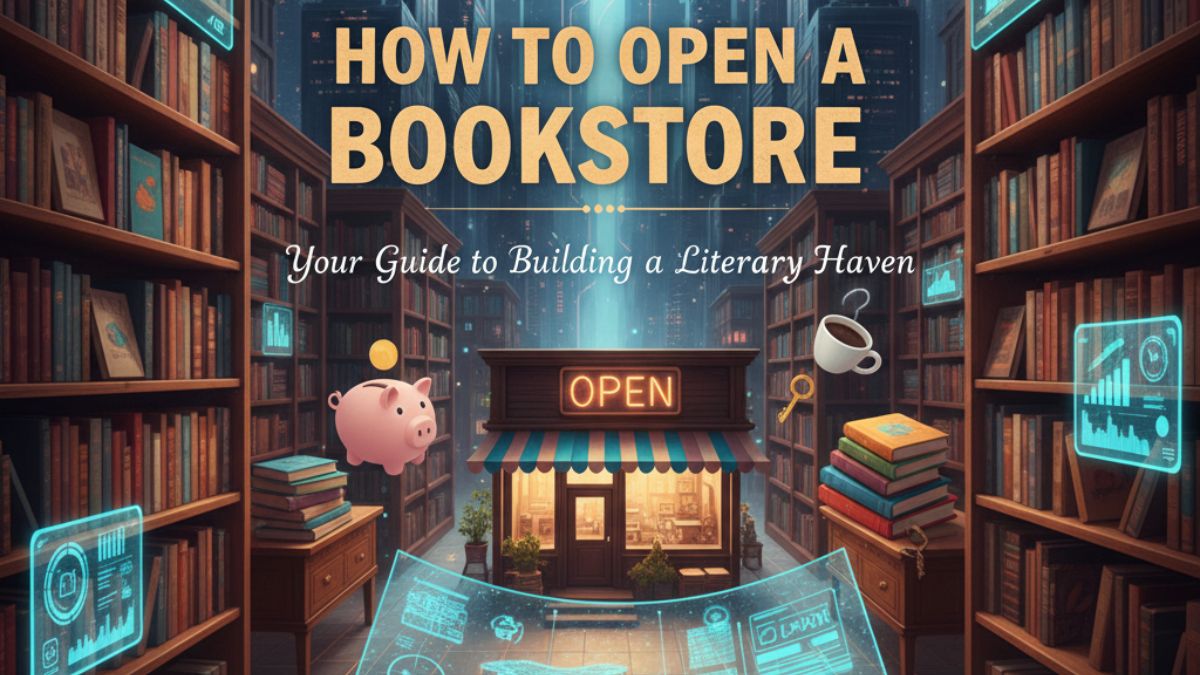
Opening a bookstore in India is no longer a nostalgic fantasy. It’s a practical small-business idea with a growing niche audience, rising demand for curated reading experiences, and a changing post-pandemic retail culture. People want physical spaces again. They want stories they can touch. And independent bookstores are quietly returning in cities, tier-two towns, and college clusters. For anyone wondering how to open a bookstore, the path today is clearer than it has been in years. A new bookstore solves a persistent problem in India’s reading market. Most cities don’t have enough well-curated spaces that go beyond textbooks or exam prep material. Many existing shops operate like warehouses, not cultural hubs. Readers want discovery, curation, events, and a sense of community. Writers want visibility. Parents want quality children’s literature. Students want affordable used books. A modern bookstore is built around these gaps.
The idea works for solo founders, couples, or small teams. The ideal location depends on the target audience—near schools, colleges, residential communities, or in high-footfall streets with café culture. Timing matters too. Rising disposable income, renewed interest in slow living, and the growth of reading clubs make this decade a strong moment to start a bookstore business.
The work begins with market research, a bookstore business plan, and clarity on startup costs. Inventory planning, supplier partnerships, licensing, and bookstore marketing follow soon after. A new founder has to decide whether to launch a bookstore from day one or start small with an online pre-launch to test demand. Costs can range widely depending on city, size, and design choices. The journey is equal parts logistical planning and creative expression. A bookstore is a retail business but also a community engine. And when built well—with thoughtful inventory, events, and a clear brand—it can become one of the most enduring small businesses in any neighborhood.
1. Startup Idea Overview
A bookstore may seem like a simple business, but its value lies in solving a clear gap in India’s reading ecosystem. Many readers feel underserved by generic retail chains and online platforms. They want curated shelves, recommendations, and a personal connection with booksellers. When you open a bookstore, you aren’t only selling products. You’re building a place where discovery feels meaningful.
The rise of independent stores around the world has shown that a reader-focused model works when the selection is tight, the pricing transparent, and the experience welcoming. India’s urban and semi-urban markets lack accessible reading spaces. New founders can step into this gap by offering well-curated genres, multilingual titles, and programming like book clubs, signings, and workshops.
The core idea is simple. Build a compact, well-designed bookstore that stocks high-demand genres, children’s literature, regional works, and trending authors. Pair it with community events, reading corners, and possibly a café. With careful planning, this becomes an affordable and sustainable small business rather than a high-risk venture.
2. Problem Statement & Solution
India’s book retail scene has long struggled between two extremes. On one side are vast textbook-first shops that feel transactional. On the other are e-commerce giants that treat books like any other SKU. Readers get speed and discounts, but they lose human recommendation. There is little discovery and almost no community engagement. Another persistent issue is accessibility. Many neighborhoods lack a reliable bookstore. College towns often have shops focused only on exam guides. Parents searching for quality children’s books frequently find poor selections. Readers who want translated works or niche genres end up ordering online without browsing.
Opening a bookstore the right way directly addresses these gaps. A modern bookshop offers experience, curation, and personal engagement. It becomes a place where readers can browse thoughtfully arranged shelves, talk to knowledgeable staff, and participate in events.
A new bookstore also serves as a discovery engine for local authors and small publishers. India’s regional publishing scene is thriving, but distribution remains weak. A curated store can bridge that gap by highlighting emerging voices. The solution is a hybrid model: a physical store that builds community, supported by online visibility and pre-orders. This makes the bookstore resilient, flexible, and better suited to today’s reading habits.
3. Target Audience & Customer Persona
A successful bookstore needs a crisp understanding of its readers. India is diverse, and reading behavior varies across cities, age groups, and languages. The most successful independent bookstores are those that focus sharply on their core audience. The first segment is young adults and working professionals between 18 and 35. They engage with global reading trends through social media, BookTok, and Instagram communities. They are willing to pay for quality editions and curated collections.
Parents with young children form another strong segment. They actively seek age-appropriate literature, picture books, activity books, and reading programs. They become repeat customers when a store offers consistent recommendations and reading events. Students in school and college towns are strong buyers of fiction, nonfiction, exam references, and second-hand books. Offering buyback programs can bring steady footfall.
Retired readers and older adults prefer newspapers, large-print editions, and regional titles. They appreciate a stable, quiet, community-oriented store. When you open a bookstore, you tailor the inventory to these personas. You also design the layout and events around them. The strongest independent stores build long-term relationships with readers by understanding their tastes and anticipating new trends.
4. Market Opportunity & Timing
India’s book market has crossed USD 7 billion and is projected to keep growing, driven by rising literacy, better access to education, and a cultural shift toward reading. The pandemic reinforced the habit of reading at home, and many first-time readers want to continue. Another strong trend is the emergence of regional language publishing. Tamil, Malayalam, Hindi, Marathi, and Bengali titles have seen strong growth. A bookstore that stocks regional and translated works can stand out immediately.
Footfall in independent bookstores across India has risen steadily over the past few years. Cities like Bengaluru, Mumbai, Delhi, Pune, Chennai, Kochi, and Kolkata have seen new stores open with strong community backing. Tier-two markets like Indore, Bhubaneswar, Coimbatore, Lucknow, and Nagpur are experiencing a similar wave.
This is the right time to explore a bookstore startup because of three key shifts. Readers want community spaces again. Parents want offline learning environments for their children. And working professionals want cultural places to escape digital fatigue. The physical retail environment has also changed. Rentals are more flexible, malls are open to indie concepts, and online-first publishers need retail partners. A modern store can succeed by tapping into these converging trends.
5. USP & Value Proposition
A new bookstore must stand out clearly in a crowded and fragmented market. Readers can buy books from anywhere, so the bookstore’s value has to go beyond selling products. The strongest USP is curation. A carefully chosen collection saves readers time and gives them confidence that every book is worth their attention. Good curation becomes a signature. The value also comes from experience. Warm interiors, reading corners, a friendly staff, and events create emotional connections that digital platforms cannot replicate.
Another differentiator is community building. A store that hosts reading clubs, writing workshops, literary festivals, and school outreach programs becomes a cultural center rather than a retail outlet. Offering multilingual and regional titles creates accessibility. Featuring independent publishers gives readers fresh voices. Integrating a café brings footfall and increases browsing time. Price transparency and strong bookstore inventory management also strengthen the USP. Readers want to trust that the books are authentic, fairly priced, and responsibly sourced. When you open a bookstore with a clear value proposition, you position it as more than a shop. It becomes a neighborhood institution with its own identity.
6. Business Model & Pricing Strategy
A bookstore business is often misunderstood as a low-margin venture, but the economics can work well when planned with clarity. The core business model revolves around retail sales of physical books across genres including fiction, nonfiction, children’s titles, academic books, and regional works. Most bookstores earn between 25 to 40 percent margin depending on the publisher and distributor. This creates a stable foundation when paired with strong inventory turnover. The model expands quickly when the store adds verticals like stationery, merchandise, reading accessories, and gift items. Many independent stores in India now earn nearly a quarter of their revenue from non-book products because they complement browsing habits. A small café inside the store can also generate consistent earnings and increase footfall.
Pricing strategy depends on location and target audience. Premium stores in metro cities maintain MRP-based pricing while offering loyalty programs. Stores in smaller towns may offer modest discounts to increase volume. The key is to maintain transparency and avoid deep-discount wars with e-commerce platforms, because the value of a bookstore lies in curation and experience rather than price. Subscription models are another growing revenue stream. Readers are willing to pay monthly fees for curated book boxes, early access to new releases, and member-only events. This stabilizes recurring income and helps with cash flow. Schools and libraries also form strong institutional clients, especially for children’s books and bulk orders.
A balanced business model ensures that the bookstore is not just a retail outlet but a multi-channel cultural business with varied income sources. A founder who wants to open a bookstore must design pricing and revenue keeping in mind long-term sustainability rather than short-term competition.
7. Execution Plan & Launch Strategy
Launching a bookstore requires a sequence of steps that move from research to setup to community-building. The first stage is location scouting. Founders typically choose high-footfall streets, neighborhoods with strong café culture, or areas near schools and colleges. A compact space works as long as it is welcoming and thoughtfully designed. Once the location is finalized, the next step is crafting the bookstore business plan. This includes inventory selection, layout planning, startup costs, and distributor partnerships. During this stage, many founders start online pre-launch campaigns to test demand. Social media teasers and early-bird memberships help build an initial customer base.
The next phase is setting up inventory. This involves meeting distributors, selecting genres, negotiating margins, and placing opening-day orders. Publishers and distributors often support new stores with credit terms, display stands, and promotional materials. Managing inventory is a crucial part of bookstore operations and helps prevent overstocking.
Design and layout follow soon after. A bookstore’s environment matters as much as its selection. Natural light, simple wooden shelves, comfortable seating, and clear categorization create a warm, engaging mood. Music, fragrances, and visual displays add character. The launch itself is a community event. Most successful indie bookstores begin with a soft opening followed by a grand launch featuring authors, poets, or local artists. This establishes the store as a cultural spot from day one. Once the store is open, the focus shifts to bookstore marketing, loyalty programs, workshops, and collaborations to maintain consistent footfall. A careful and patient execution plan ensures the store grows steadily without unnecessary operational pressure.
8. Budget, Resources & Infrastructure
Bookstore startup costs vary widely across cities and formats. A small independent store in a tier-two city may need INR 8–12 lakh to get off the ground. A mid-size store in metro locations can require anywhere between INR 20–35 lakh depending on rent, interior design, and opening inventory. These costs include deposit, furnishing, shelving, lighting, branding, and initial stock. The largest chunk of investment usually goes into inventory. Depending on the collection size, most new bookstores start with 3,000 to 7,000 titles. Combining new stock with used books lowers initial expenditure and attracts student crowds. Working with distributors reduces upfront payment burdens and helps with rotating stock.
Infrastructure needs include billing software, a point-of-sale system, reading corners, storage space, signage, and packaging supplies. A professional website helps with online visibility and click-and-collect services. Social media platforms like Instagram and YouTube also play a strong role in building reader communities. Operational resources can be minimal in the early days. Many bookstores start with one founder and one employee handling sales, inventory, and front-end management. Part-time staff can join during weekends and events. Outsourcing accounting, marketing, and design helps keep costs manageable. A lean infrastructure with a flexible inventory strategy is often the best way to begin. Over time, once the store gains a steady readership, the founder can expand space, stock, or even launch a second outlet.
9. Brand Strategy
Branding is a bookstore’s personality. It influences how readers perceive the space before they even step inside. The brand name should be simple, memorable, and reflective of the store’s identity. Many independent bookstores choose names inspired by literature, geography, or local culture. The key is to select a name that communicates warmth, curiosity, and discovery. The logo direction usually leans toward calm typography, hand-drawn motifs, or minimalist symbols like open books, quills, lamps, or windows. Earthy tones, pastel shades, and natural textures work well inside the store because they evoke comfort and encourage browsing.
Brand voice is equally important. A bookstore should speak like a trusted friend who recommends books thoughtfully. The tone is warm, conversational, and knowledgeable. This voice carries across social media captions, newsletters, website content, and in-store signage.
Positioning determines the store’s long-term perception. Some stores position themselves as literary dens with deep curation. Others focus on children’s books and family-friendly experiences. Some pair books with craft coffee and become lifestyle hotspots. The positioning decides everything from interior design to inventory choices. Branding is not about being loud. It is about being consistent. When you open a bookstore with a strong brand foundation, you create a space that feels familiar even to first-time visitors.
10. Vendor & Partner Strategy
A bookstore depends on strong relationships with publishers, distributors, event partners, and local businesses. Distributor partnerships form the backbone of inventory supply. India has multiple regional and national distributors who provide a wide range of titles. They often offer credit periods up to 30 or 45 days, which helps new stores reduce cash flow pressure. Publisher partnerships add another layer of value. Many publishers send review copies, posters, standees, and event support when a store promotes their titles well. A bookstore that builds trustworthy relationships can negotiate better margins and access exclusive early releases.
Local businesses also become valuable partners. Cafés, art studios, writing groups, and schools can collaborate on events, readings, and book clubs. These partnerships increase visibility and bring diverse footfall.
For imported books or niche genres, a founder may work with specialized suppliers who source international titles. These relationships need clear communication on timelines, pricing, and minimum order quantities. Vendor selection depends on reliability, transparency, and willingness to support long-term growth. A strong vendor network helps keep shelves fresh, customers engaged, and operations smooth.
11. Go-to-Market & Customer Acquisition Channels
A bookstore’s marketing strategy blends online presence with offline community-building. The first step is to create strong brand visibility in the neighborhood. Signboards, façade design, and window displays attract walk-in customers. Flyers and local press announcements help build early awareness. Social media, especially Instagram, plays a major role in storytelling. Behind-the-scenes videos, staff picks, reading nooks, and book recommendations build trust. Shorts and reels showcasing new arrivals appeal to younger audiences. A website with an updated catalog strengthens discoverability.
Events are a major acquisition channel for independent bookstores. Author visits, reading clubs, poetry nights, and children’s workshops bring fresh audiences who often become returning customers. Many successful stores schedule at least two events every month to maintain momentum. Collaborations with schools, institutions, and coworking spaces open additional channels. Corporate gifting, festival bundles, and reading subscription boxes also bring new customers. Email newsletters keep readers connected, while loyalty programs reward frequent buyers. Consistency is the key. When a new founder opens a bookstore, the focus should be on small but regular marketing efforts that maintain relevance and invite readers back.
12. Growth & Retention Strategy
A bookstore grows not only by attracting new readers but also by turning occasional visitors into loyal customers. The first stage of growth often comes from expanding inventory responsibly. As the store understands buying behavior, it refines collections and deepens curation. This boosts both customer satisfaction and repeat sales. Retention begins with relationships. People return to bookstores because they feel understood. Staff who remember reader preferences or recommend personalized picks make a significant difference. Small gestures like handwritten notes, curated reading lists, and early access to new releases strengthen trust.
Events are another powerful retention driver. Monthly book clubs, author meetups, and children’s workshops create habits. Readers who attend events often develop emotional bonds with the store. They treat it as a social space, not just a retail outlet.
As the store matures, new growth channels open. Some bookstores launch online catalogs for local delivery, while others collaborate with publishers for exclusive editions. Expanding into merchandise, stationery, and small crafts increases basket size. Partnerships with cafés, artists, and cultural groups add new audiences. Long-term retention relies on consistency. A store that stays active, fresh, welcoming, and transparent builds the kind of loyalty that keeps it profitable for years. When you open a bookstore with a focus on community, growth becomes a natural outcome of sustained engagement.
13. Team Structure & Responsibilities
A bookstore doesn’t require a large team when it starts, but the roles must be clearly defined. The founder usually handles purchasing, relationships with suppliers, store layout decisions, and marketing. This hands-on approach helps in understanding inventory cycles and customer behavior. A frontline bookseller plays a crucial role. They greet customers, answer questions, manage billing, and keep the space organized. Their ability to suggest the right book often shapes the reader’s perception of the store.
As the business grows, a dedicated inventory manager becomes necessary. This person monitors stock levels, manages distributor communication, and ensures that high-demand titles are always available. A small business can also benefit from a part-time events coordinator who manages workshops, readings, and collaborations.
Tasks like accounting, graphic design, and digital marketing can be outsourced initially. Freelancers and agencies help maintain professional output without the cost of full-time salaries. Weekend staff are often hired to handle increased footfall and event days. A lean team works best when everyone understands the store’s vision. Strong communication, genuine passion for books, and reliable service standards create a team culture that translates into better customer experiences.
14. Risks, Challenges & Mitigation
Every retail business carries risks, and bookstores are no exception. One common challenge is inventory management. Overstocking ties up capital and leaves shelves cluttered, while understocking disappoints customers. This risk is mitigated with careful purchasing, data-driven decisions, and strong distributor relationships. Competition from online platforms is another challenge. Many readers buy books online because of discounts and convenience. A bookstore must counter this not by matching prices but by offering discovery, experience, and community. Personalized service, curated shelves, and engaging events provide value that e-commerce cannot.
Rental pressure affects many small businesses. High rents in prime locations can erode profit margins. Founders mitigate this by choosing compact spaces, negotiating long leases, or starting in emerging neighborhoods with rising footfall. Seasonal fluctuations can also impact revenue. School vacation months and festival seasons often see higher sales, but exam months may bring slowdowns. Offering diversified products such as stationery, merchandise, and subscriptions helps balance these cycles.
External risks like supply delays, regulatory changes, or local disruptions require contingency planning. A strong network of vendors, a flexible ordering system, and a modest emergency fund help navigate such uncertainties. A bookstore survives long-term not by eliminating risks but by staying adaptable, reading the market, and serving its community with care.
15. Legal, Compliance & Fundamentals
Opening a bookstore in India requires several legal steps, many of which are straightforward. Registration is the first step. Founders typically choose between a sole proprietorship, partnership firm, or private limited company depending on their long-term goals. A GST registration is essential because books are generally GST-exempt but associated products like stationery or café items may fall under taxable categories. Maintaining clear accounting systems helps in staying compliant.
Shops and Establishments registration is mandatory for most retail outlets. The store may also require local municipal permissions for signage and interior work. Fire safety compliance applies in larger or multi-storey spaces. If the bookstore includes a café, FSSAI registration becomes essential.
Licensing for book retail is uncomplicated compared to other industries, though founders must stay informed about copyright rules, invoice compliance, and supplier documentation. Contracts with distributors and publishers should clarify returns, credit terms, and pricing norms. These fundamentals are simple but must be handled diligently. A bookstore that starts with clean compliance operates with fewer risks as it grows.
16. Long-Term Vision & Goals
A bookstore’s long-term vision shapes its cultural significance. Most indie bookstores don’t aim to become massive retail chains. Their strength lies in depth, not scale. A realistic three-to-five-year vision focuses on building a loyal community, strengthening inventory strategy, and ensuring stable margins. One common goal is to expand into a larger space or open a second outlet once the first store becomes profitable. Another path is to grow online operations through curated boxes, subscriptions, or a niche e-commerce catalog.
Some stores envision becoming literary hubs. They host festivals, writing residencies, and collaborations with schools and universities. Others aim to champion regional literature and translation, playing a role in cultural preservation. Financial goals revolve around improved turnover, consistent footfall, and diversified revenue streams. A well-run bookstore can achieve steady profitability once operational discipline sets in. The long-term vision must remain flexible. Reading habits evolve, cities change, and new trends emerge. But the core mission stays the same: to serve readers with thoughtful curation, warm spaces, and timeless stories.
Future Outlook
The future for anyone planning to open a bookstore looks stronger than it has in years. As digital fatigue grows, readers are returning to physical spaces for comfort, discovery, and connection. Independent bookstores are rising again in India because they offer experiences that online platforms cannot replicate. The coming decade will see deeper interest in regional literature, translated works, and nonfiction. Children’s literature will continue to expand as parents look for alternatives to screen-heavy lifestyles. Many bookstores will evolve into hybrid cultural spaces that combine reading with conversations, workshops, and creative learning.
Technology will support rather than replace bookstores. Inventory tools, online catalogs, and membership apps will streamline operations. Social media will amplify storytelling and visibility. And community-led growth will become the hallmark of successful stores. For founders with patience, curiosity, and love for books, opening a bookstore remains one of the most fulfilling small-business ideas in the country. With thoughtful curation, sound planning, and a strong brand voice, a bookstore can grow into a neighborhood anchor and a long-standing cultural asset.
About foundlanes.com
foundlanes.com is India’s leading startup idea and deep-dive platform built for founders, operators, and serious entrepreneurs. We go beyond surface-level advice to deliver grounded, research-backed, and experience-driven startup content.
Every guide on foundlanes.com is designed to help readers think clearly, act strategically, and build sustainably. This cloud kitchen startup guide is part of our mission to document real business pathways in India’s evolving startup ecosystem.