Summary
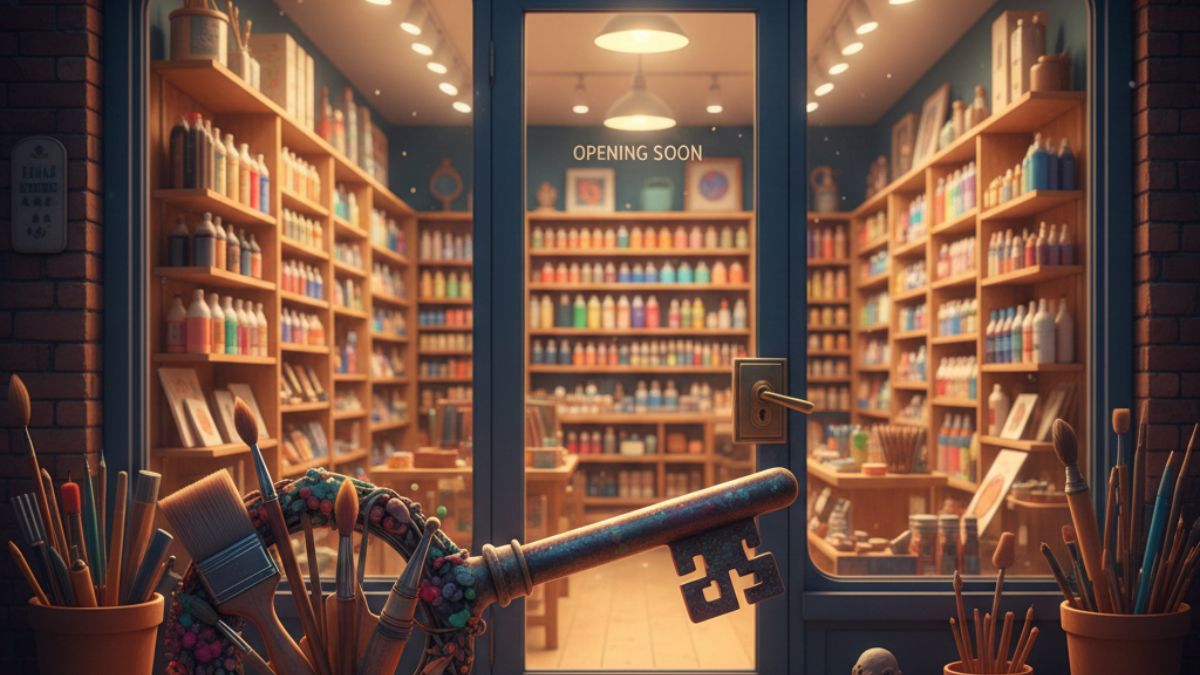
Opening an art supply store is a compelling business opportunity for anyone passionate about creativity and commerce. Art materials—from paints and brushes to sketchbooks and drafting tools—are essential for students, professional artists, hobbyists, and educational institutions alike. A well-stocked, accessible art supply shop bridges the gap between high-quality materials and the people who need them, offering both convenience and expert guidance.
The demand for art products in India is rising, driven by the growing popularity of creative learning, art-based hobbies, and professional courses in design and fine arts. Cities and urban hubs with colleges, art schools, and thriving creative communities offer prime locations, though niche towns with underserved demand can also prove profitable. Typically, starting an art supply store requires careful planning of inventory, understanding target customers, forming vendor relationships, and securing the right licenses. Startup costs for a small-to-medium store can range from ₹5 lakh to ₹15 lakh, depending on location, inventory, and scale, while larger setups may require ₹25 lakh or more.
The ideal store caters to diverse customer segments, from professional artists seeking premium paints to students buying basic art kits. With proper market research, a clear brand identity, and a strategic launch plan, the business can achieve profitability within the first 12–18 months. Marketing, both online and offline, plays a key role in attracting a loyal customer base, while consistent stock, quality service, and specialized offerings differentiate the store in a competitive market.
This guide will walk aspiring entrepreneurs through every step of opening an art supply store—from understanding the startup idea and defining target audiences to budgeting, vendor partnerships, legal compliance, and long-term vision—equipping founders to make informed decisions and build a thriving business.
1. Startup Idea Overview
An art supply store is more than a retail business; it’s a hub for creativity and inspiration. The core idea revolves around providing a one-stop shop for high-quality art materials. Customers today face fragmented choices: local stationery shops often carry limited brands, while large e-commerce platforms lack personalized guidance and immediate access. A specialized art store solves this by offering curated products, expert advice, and a tactile shopping experience where buyers can see, touch, and test items before purchasing.
The store typically stocks painting supplies, sketching tools, drafting equipment, craft materials, calligraphy pens, canvases, and specialty papers. Supplementary items like easels, storage solutions, and art kits for students or hobbyists enhance the offering. Beyond physical products, many modern art stores incorporate workshops, artist communities, and demonstration events to create engagement and recurring foot traffic.
The solution lies in combining convenience, expertise, and diversity of products. Customers benefit from guidance tailored to their skill level—beginners receive recommendations for starter kits, while professionals can access premium brands. Educational institutions and designers also find value in a reliable supplier for bulk orders. The startup model focuses on delivering curated selections, competitive pricing, and a memorable shopping experience that encourages repeat visits.
2. Problem Statement & Solution
Currently, the art supply market suffers from several gaps. Small local shops often carry limited brands and outdated products. Online platforms, though abundant in choices, cannot replicate the hands-on experience crucial for materials like paints, brushes, and specialty papers. Furthermore, bulk buyers—schools, colleges, and design studios—face challenges in sourcing consistent quality products at reasonable rates.
An art supply store addresses these problems by offering a structured solution. It provides a comprehensive inventory, covering both basic and premium items. Expert staff guide customers in choosing products suited to their needs, ensuring satisfaction and repeat business. Bulk and institutional orders are streamlined through dedicated services, while workshops and events foster a sense of community. This dual approach—retail for individuals and solutions for institutions—solves existing inefficiencies in product availability, knowledge, and convenience.
3. Target Audience & Customer Persona
The target audience for an art supply store is diverse. The first segment includes students enrolled in schools, colleges, or art academies. These buyers typically look for affordable yet reliable art materials and often make bulk purchases for projects or coursework. The second segment consists of hobbyists, ranging from casual painters to craft enthusiasts. Their needs vary widely, but they value quality, brand variety, and occasional personalized recommendations.
Professional artists form the third segment. They require premium-grade materials and may prioritize brand reputation, pigment quality, and texture over cost. Interior designers, graphic designers, and small studios also fall into the B2B segment, sourcing specialized tools and bulk orders for creative projects. Understanding these personas helps shape inventory, marketing, and service offerings.
An ideal customer persona might be a college art student aged 18–22, seeking a dependable store near campus, looking for affordability, quality brands, and occasional expert advice. Another persona could be a 35-year-old professional painter willing to invest in high-quality supplies and interested in workshops, product demonstrations, and exclusive offers. Catering to these personas ensures higher engagement, repeat visits, and positive word-of-mouth marketing.
4. Market Opportunity & Timing
The art supply market in India is entering a phase of meaningful expansion, driven by a cultural shift toward creativity, design thinking, and DIY projects. Urban centers such as Delhi, Mumbai, Bengaluru, Pune, and Kolkata are emerging as hubs for artists, students, hobbyists, and professionals who increasingly value both quality and variety in their materials. Reports indicate that the organized art supply segment is growing faster than traditional stationery, signaling a real opportunity for entrepreneurs to capture a loyal, experience-driven audience.
Demand is not uniform—it is nuanced. Eco-conscious and premium-quality materials are rising in popularity, reflecting an awareness of sustainability and the desire for long-lasting tools. Mixed-media supplies, craft kits, and specialized papers are becoming must-haves for young creators, professional artists, and design students. Online sales are complementing physical retail, enabling hybrid models where customers can browse, research, and order supplies remotely, while still valuing tactile, in-person experiences.
Timing is critical. India’s creative education sector is expanding, disposable incomes are rising, and urban populations increasingly seek personalized, niche experiences. Workshops, community events, and curated seasonal promotions provide meaningful touchpoints that draw artists into physical spaces while building a loyal following. Early movers who combine a clear brand identity with thoughtfully curated inventory have the potential to establish trust and credibility before competition intensifies, capturing both aspirational hobbyists and serious practitioners.
5. USP & Value Proposition
An art supply store succeeds when it becomes more than a retailer—it becomes a trusted creative partner. Unlike generic stationery outlets or large e-commerce platforms, this store positions itself around curation, expertise, and community. Its value proposition is multidimensional: quality products, niche and hard-to-find items, expert guidance, and a space where creativity is nurtured. Customers don’t just buy supplies—they gain access to a curated experience that helps them translate vision into tangible work.
Knowledgeable staff are central to this differentiation. Artists, educators, and craft enthusiasts guide buyers through product selection, helping beginners navigate basic tools and seasoned professionals discover specialty items. This personalized support transforms transactional interactions into meaningful experiences, instilling confidence in customers and fostering loyalty. Workshops, live demonstrations, and collaborative events reinforce this ethos, building a creative community around the store.
Additional services strengthen the proposition. Tailored art kits for students, subscription models for hobbyists, bulk supply solutions for schools or studios, and digital offerings such as online tutorials or virtual consultations integrate convenience with expertise. Each element emphasizes the store’s role as a partner in the creative journey rather than a simple point of sale, creating a compelling reason for customers to return repeatedly.
6. Business Model & Pricing Strategy
The store’s revenue model balances traditional retail with supplementary offerings that diversify income. Core earnings come from in-store and online sales of paints, brushes, sketchbooks, craft supplies, and specialty materials. Workshops, curated art kits, and institutional bulk orders provide additional income streams while reinforcing the store’s reputation for quality and expertise. Memberships or subscription services, offering premium or seasonal products, introduce recurring revenue and deepen engagement with regular customers.
Pricing is strategic, reflecting the diverse audience. Affordability is key for students and hobbyists, while professional-grade materials carry premium pricing aligned with perceived value. Margins on most products typically range from 25% to 50%, with specialized items or branded accessories achieving higher margins. Bulk orders are offered at scale discounts without eroding profitability.
Dynamic pricing ensures the store remains competitive while optimizing revenue—factors include product rarity, seasonal trends, and local demand. Bundled offerings, such as pairing sketchbooks with brush sets or starter kits for beginners, encourage larger transactions. Transparent pricing, clear labeling, and occasional promotional campaigns maintain trust with price-sensitive customers, while simultaneously highlighting the store’s commitment to quality and expertise.
By combining a curated product range, educational experiences, and thoughtful pricing strategies, the store establishes itself as an authoritative hub for creative minds—a place where artistry is both supported and celebrated.
7. Execution Plan & Launch Strategy
Bringing an art supply store to life demands meticulous planning, rooted in understanding both the market and the creative community it serves. The first step is identifying locations that naturally draw artists, hobbyists, and students. Urban neighborhoods with high foot traffic, proximity to design schools or art colleges, and a scarcity of specialized suppliers create fertile ground. Rajesh, for instance, targeted areas where emerging creative communities were forming, ensuring that the store would be within easy reach of both aspiring and professional artists.
Inventory selection and vendor relationships are equally critical. Sourcing from trusted wholesalers and distributors guarantees product consistency, availability, and quality—non-negotiable in an industry where creatives demand precision. The retail layout is more than functional; it is an experiential journey. Organized shelves, clearly demarcated sections for paints, papers, sketchbooks, and niche items, combined with aesthetically appealing displays, invite exploration. Strategic placement encourages cross-selling, while dedicated demo zones for tools or craft techniques create moments of discovery that translate browsing into purchase.
Brand identity runs parallel to operational setup. The store’s name, logo, and visual identity should communicate creativity, expertise, and inspiration at a glance. A simple, navigable website and active social media presence ahead of launch help build anticipation, providing sneak peeks of products, behind-the-scenes setup, or interactive polls that involve the community.
Soft launch events are instrumental in building early trust. Workshops, live demonstrations, or meet-and-greets with local artists allow the store to position itself as a creative partner rather than a mere retail outlet. Early feedback—on product assortment, layout, or service—guides refinements before the full-scale launch. The official opening, amplified with local PR, collaborations with art schools, and targeted online campaigns, ensures awareness, footfall, and initial revenue momentum, setting the stage for sustainable growth.
8. Budget, Resources & Infrastructure
Financial planning for an art supply store balances ambition with pragmatism. A small-to-medium store typically requires ₹5–15 lakh, while larger, more aspirational outlets can exceed ₹25 lakh. Key expenditures include rental deposits, interior setup, inventory, staff salaries, marketing, and compliance.
Inventory is the cornerstone. Stock must cover essential paints, brushes, papers, and sketchbooks, while leaving space for premium, niche, or imported items that distinguish the store. Partnering with reliable suppliers ensures consistent supply, competitive pricing, and maintenance support for specialty equipment or tools. Backroom storage, even in modest spaces, is essential for efficient stock rotation and inventory accuracy.
Human resources require thoughtful deployment. Knowledgeable sales staff, a store manager, and inventory personnel are core, while roles such as bookkeeping, social media management, or website upkeep can initially be outsourced to maintain lean operations. Technology—point-of-sale systems, inventory management tools, and accounting software—enables real-time tracking of sales, stock, and customer interactions, essential for data-driven decision-making.
Operational infrastructure extends to logistics and delivery. Partnerships with courier networks allow online orders and bulk shipments to institutions, extending the store’s reach beyond the immediate neighborhood. Backup power, climate control for sensitive materials, and security systems for valuable inventory ensure uninterrupted operations, protecting both the business and the creative materials it houses. With these foundations, the store can scale methodically, maintaining quality and efficiency as demand grows.
9. Brand Strategy
A successful art supply store thrives on identity and narrative. The brand must communicate creativity, reliability, and community. Names inspired by color, tools, or artistic movements—such as “Canvas & Colors” or “The Artisan’s Palette”—evoke curiosity while signaling purpose. Logos should be versatile, recognizable, and visually compelling, incorporating subtle artistic cues like brushes, palettes, or abstract forms to anchor the brand in its craft.
Brand voice is equally pivotal. Communications should be informative yet approachable, guiding beginners while respecting seasoned artists’ expertise. Messaging should emphasize the curated selection, quality assurance, and hands-on support the store provides. Consistent presentation across signage, packaging, social media, and promotions reinforces credibility, encouraging repeat engagement.
Positioning centers on being more than a retail outlet—it is a creative partner. Highlighting curated products for diverse skill levels, premium materials for professionals, and reliable bulk solutions for institutions sets the store apart from generic competitors and e-commerce marketplaces. Workshops, seasonal promotions, and community events reinforce this positioning, creating touchpoints that deepen customer trust and loyalty. In effect, the store transforms from a transactional space into a hub for inspiration, skill-building, and artistic exploration.
10. Vendor & Partner Strategy
Building a reliable supply chain is at the heart of a thriving art supply store. Rajesh recognized that vendor selection was more than transactional—it defined the quality, diversity, and reputation of the store itself. Core inventory relied on established wholesale suppliers, both domestic and international, chosen for consistency, timely delivery, and flexibility in order volumes. These relationships ensured that popular essentials—paints, brushes, sketchbooks—were always available, avoiding stockouts that could disappoint both casual buyers and professionals.
For niche or specialty items, the store sought out boutique brands, artisanal creators, and local craftsmen. These partnerships not only diversified the product mix but created stories that resonated with customers: a hand-crafted brush, imported pigments, or limited-edition sketchbooks became talking points and marketing tools. Collaborations often extended to co-hosted workshops or product launches, strengthening community engagement and creating a sense of exclusivity that differentiated the store from generic competitors.
Institutional partnerships were equally strategic. Aligning with art schools, colleges, and creative workshops opened recurring revenue streams through bulk orders, class kits, and event supplies. Clear contracts detailed delivery timelines, quality expectations, and payment terms, building trust on both sides. Rajesh also implemented regular vendor performance reviews and maintained alternative sources for critical items, mitigating supply disruptions and ensuring operational continuity. Over time, these supplier and partner networks evolved into a backbone of the store’s brand, enabling it to deliver reliability and creativity simultaneously.
11. Go-to-Market & Customer Acquisition Channels
Launching Frame & Focus demanded a layered, multi-channel approach that combined community immersion with digital visibility. Locally, Rajesh leveraged targeted promotions, campus collaborations, and art-focused events to embed the store within the creative ecosystem. Free workshops, live demonstrations, and student competitions not only attracted footfall but positioned the store as a trusted mentor and resource for emerging artists, creating early advocates and word-of-mouth momentum.
Digital channels complemented the physical presence. Platforms like Instagram, Pinterest, and Facebook allowed the store to showcase visually compelling content—product highlights, creative tutorials, behind-the-scenes setups—and to interact with followers through polls, Q&As, and live sessions. A functional website, even if simple, facilitated e-commerce, click-and-collect orders, and online inquiries, making the store accessible to a broader audience. Collaborations with art influencers, bloggers, and online communities amplified reach, while email newsletters and loyalty campaigns nurtured engagement over time.
This integrated approach ensured that the store was not only discoverable but deeply embedded in both the physical and virtual creative communities. Each touchpoint—from social media interaction to in-person workshops—reinforced the store’s narrative as a hub of inspiration, learning, and quality products.
12. Growth & Retention Strategy
Sustainable success depends as much on retention as acquisition. Rajesh implemented loyalty programs offering priority bookings, discounted workshops, and access to premium props. Subscription models for hobbyists encouraged regular studio visits, while personalized product recommendations and curated starter kits deepened engagement. Workshops and masterclasses evolved into recurring experiences that nurtured a sense of belonging, transforming casual buyers into long-term advocates.
Product evolution was equally important. Eco-friendly materials, limited-edition items, and exclusive brand partnerships maintained relevance for both emerging artists and seasoned professionals. Geographic growth—through either expanded delivery coverage or additional store locations—was guided by demand patterns, ensuring each new market aligned with the core brand promise.
Customer feedback became a strategic tool rather than a formality. Suggestions informed inventory choices, layout improvements, and service enhancements. The result was a loop of continuous refinement that elevated the overall experience. By consistently delivering quality products, knowledgeable guidance, and a supportive creative environment, Frame & Focus turned one-time transactions into lasting relationships, cultivating a community where artists felt seen, supported, and inspired—a dynamic that fueled both revenue and loyalty over time.
13. Team Structure & Responsibilities
In the early stages, the founder carries the weight of multiple roles—overseeing daily operations, managing inventory, negotiating with vendors, and driving marketing efforts. This hands-on involvement ensures that the store’s vision is translated into tangible processes, from product selection to customer interactions. Rajesh complemented this by hiring a store manager responsible for day-to-day workflow, coordinating staff schedules, and ensuring smooth customer experiences. Knowledgeable sales personnel became the bridge between creative products and buyers, guiding customers through choices, demonstrating materials, and providing project-specific advice. Finance oversight, whether through an in-house accountant or a trusted consultant, maintained control over budgets, cash flow, and early-stage investments.
To keep costs manageable, certain functions were outsourced. Freelance digital marketers ran campaigns, graphic designers produced promotional content, and bookkeeping and website maintenance were handled by external experts. As the business grew, the team expanded to include logistics coordinators to manage deliveries for institutions and online orders, workshop facilitators for community classes, and product specialists to curate seasonal or niche inventory.
Clear role definitions were critical. Each team member understood their responsibilities, reducing operational friction, while cross-training allowed flexibility during peak periods such as back-to-school or festival seasons. Regular performance reviews, combined with incentives for high-quality customer service and proactive problem-solving, created a culture of accountability, motivation, and shared ownership over the store’s success.
14. Risks, Challenges & Mitigation
Running a creative retail business involves navigating a spectrum of risks, each with real financial and reputational consequences. Operationally, managing inventory is a delicate balancing act. Overstocking low-demand items can tie up working capital, while understocking high-demand products leads to missed sales and dissatisfied customers. Rajesh mitigated these risks through inventory management software, constant analysis of sales patterns, and flexible supplier agreements that allowed rapid restocking or returns.
Financial risks were ever-present. Supplier price fluctuations, sudden rent hikes, or uneven initial revenue streams could threaten sustainability. Mitigation required disciplined budgeting, maintaining an emergency cash reserve, and negotiating favorable long-term terms with suppliers and landlords. Seasonal demand cycles—such as spikes during holiday gifting or school project periods—necessitated targeted promotions, curated art kits, and workshops to stabilize cash flow.
Market pressures added another layer of challenge. Competition from established e-commerce platforms and local stores demanded differentiation. Rajesh focused on curated inventory, immersive in-store experiences, expert guidance, and community-building events, creating a loyal customer base that saw value beyond price alone. Talent retention was also critical; employees with a blend of retail expertise and artistic knowledge are rare. Comprehensive training, incentives, and a supportive work environment were used to attract and retain staff who could deliver the studio’s creative vision consistently.
15. Legal, Compliance & Fundamentals
Adherence to legal and regulatory frameworks underpins both operational stability and credibility. Business registration was structured as a private limited company, providing liability protection and flexibility for future expansion. GST registration ensured tax compliance, while municipal trade licenses sanctioned retail operations.
For imported or international art materials, import licenses and customs compliance were necessary, along with clear documentation to avoid delays. Supplier and service agreements defined payment terms, delivery expectations, and quality standards, creating transparency and reducing disputes. Health and safety considerations, particularly around chemical paints, solvents, or heavy equipment, were addressed through proper storage, ventilation, and staff training.
Insurance played a pivotal role in protecting assets and personnel. Coverage for studio property, equipment, and public liability provided a buffer against accidents, theft, or unforeseen damages. Comprehensive record-keeping, meticulous contract management, and proactive compliance ensured the business could operate confidently, creating a secure foundation for both creativity and growth.
16. Long-Term Vision & Goals
Looking ahead three to five years, the ambition for an art supply store goes beyond merely selling paints and brushes—it is about creating a hub for creativity, learning, and community. Expansion is a natural next step. By year three, opening a second location in a high-demand urban area or a neighboring city with a thriving creative scene allows the business to capture new markets while leveraging learnings from the flagship store. Product lines evolve alongside this expansion, incorporating eco-friendly materials, premium specialty brands, and curated kits that reflect emerging trends in mixed media, digital art hybrids, and DIY crafts. These offerings not only enhance the store’s market position but also demonstrate a sensitivity to customer values, particularly sustainability and quality.
Parallel to physical growth, building a robust digital presence is essential. A thoughtfully designed e-commerce platform enables orders beyond local boundaries, while virtual consultations, online tutorials, and live workshops foster a sense of community even for remote buyers. Membership programs, loyalty schemes, and artist-focused events deepen engagement, transforming one-time customers into long-term patrons who feel personally connected to the brand.
Measuring success requires more than revenue alone. Metrics such as repeat purchase rates, average transaction value, workshop participation, and brand recognition within local and online creative communities serve as tangible indicators of growth and influence. Achieving a balance between profitability, reputation, and cultural impact creates pathways for partnerships, franchising, or diversification into complementary areas such as galleries, custom framing services, or curated subscription boxes.
Future Outlook
The art supply market in India stands at an exciting inflection point. The surge in interest for creative hobbies, professional art careers, and educational programs ensures a steady and growing customer base. Hybrid business models that blend physical retail with digital engagement are likely to dominate, offering the flexibility to serve both neighborhood artists and remote enthusiasts. Entrepreneurs who combine a curated inventory, strong brand identity, and immersive community experiences position themselves to thrive in this evolving landscape.
Sustainable growth will depend on nurturing vendor relationships, diversifying revenue streams, and remaining responsive to customer needs. Emerging trends—eco-conscious products, DIY art kits, interactive online communities, and thematic seasonal offerings—present avenues for differentiation and long-term relevance. Ultimately, a thoughtfully executed art supply store can become more than a retail space; it can serve as a creative sanctuary, a place where ideas flourish, skills develop, and both hobbyists and professionals find inspiration for years to come.
About foundlanes.com
foundlanes.com is India’s leading startup idea and deep-dive platform built for founders, operators, and serious entrepreneurs. We go beyond surface-level advice to deliver grounded, research-backed, and experience-driven startup content.
Every guide on foundlanes.com is designed to help readers think clearly, act strategically, and build sustainably. This cloud kitchen startup guide is part of our mission to document real business pathways in India’s evolving startup ecosystem.