Summary
India’s coffee culture is changing fast. From the streets of Bengaluru and Pune to the alleys of Delhi and tier-2 towns like Indore and Bhubaneswar, coffee shops are becoming a lifestyle choice, a daily ritual, and for many entrepreneurs, a business opportunity worth exploring. Opening a coffee shop is more than just putting up a signboard and brewing espresso. To succeed, you need a roadmap to start a coffee shop business, creating a space where people connect, work, relax, and return day after day, while mastering customer preferences, cost management, legal compliance, and brand building.
In India in 2026–2027, young professionals, students, and urban neighbourhoods are gravitating toward cafés that feel local, affordable, and unique. With domestic coffee consumption rising steadily and initiatives such as the Coffee Board of India planning franchise expansion to boost local outlets, there’s a growing appetite for new coffee experiences. This guide covers the essentials of how to start a coffee shop business in India, from concept and planning to launch, growth, and long-term vision. It explains who your customers are, how much capital you might need, where demand is growing, and what operational choices matter most. Whether you’re dreaming of a cosy neighbourhood café or a scalable café chain, this article walks you through the steps with real insights, practical advice, and industry context.
1. Startup Idea Overview
A coffee shop in India is more than just a place to grab a cup of coffee it’s a lifestyle venture, a social hub, and a curated experience rolled into one. At its heart, the business idea is simple: serve quality beverages in a space that feels welcoming, energizing, and purposeful. It’s where people meet friends, hold informal work sessions, or take a quiet moment to themselves. In a market saturated with fast food chains and traditional tea stalls, coffee shops offer an alternative. They cater to consumers who value not only taste but atmosphere, convenience, and identity. Across urban and semi-urban India, cafés have evolved into “third places” neutral grounds that are neither home nor office but offer social, professional, and personal utility.
The customer base is diverse, reflecting different motivations for visiting. Some seek the artistry of specialty coffee, others value speed and convenience, and many crave the comfort of a space to linger. From premium third-wave cafés with barista-led experiences to small kiosks serving quick takeaway options, the spectrum of concepts addresses different consumer needs and price points. A well-positioned coffee shop blends service, quality, and experience to become more than a stop it becomes a habit, a preference, and in some cases, part of daily life.
2. Problem Statement & Solution
Despite booming demand for coffee culture, gaps persist in the Indian market. Many local cafés struggle with inconsistency coffee quality varies by day, staff may lack training, and service standards fluctuate. Others fail to embrace modern conveniences like digital ordering, mobile payments, or loyalty programs. Ambiance, an increasingly critical factor, is often overlooked, leaving cafés sterile or uninspiring.
A successful coffee shop addresses these gaps holistically. It guarantees consistency in beverage quality, creates a cohesive brand experience, and designs operations around customer preferences. Urban consumers expect more than just coffee they seek entertainment, connection, and aesthetic appeal. Instagram-ready interiors, curated playlists, reliable Wi-Fi, seamless payments, and loyalty incentives often weigh as heavily as the coffee itself.
Founders who integrate these elements can differentiate themselves from competitors. A strong brand presence, carefully chosen location, well-trained staff, and operational discipline collectively build a loyal community. Beyond revenue, a café’s success is measured by repeat footfall, word-of-mouth, and the sense of belonging it creates for visitors a space where customers feel recognized, comfortable, and inspired.
3. Target Audience & Customer Persona
Understanding who walks through the door is critical to success. Most cafés in India attract three primary segments:
- Young professionals and knowledge workers: Urbanites using cafés as secondary workplaces, meeting clients, or decompressing after long office hours. These customers value quiet corners, strong Wi-Fi, ergonomic seating, and a menu that supports longer visits—beverages, snacks, and light meals. They are willing to pay a premium for convenience, consistency, and a space conducive to focus or collaboration.
- Students: College and university students spend hours in cafés studying or group-working. They are cost-conscious but loyal, driving weekday footfall and often converting into repeat customers if the café provides affordable options, reliable coffee, and an environment conducive to long stays.
- Casual visitors and social groups: Friends, couples, and families visiting cafés for leisure on weekends or evenings. They seek ambiance, aesthetic appeal, and a menu that goes beyond the basics, including specialty drinks, desserts, and light meals. The experience the vibe, service, and atmosphere matters as much as the coffee itself.
Customer behavior varies by time, day, and season, making operational planning essential. Understanding peak hours, preferred seating, and menu consumption patterns enables better staffing, inventory management, and event planning. The most successful coffee shops anticipate these patterns, shaping a space where every visitor feels catered to, whether they come to work, study, or connect socially.rketing.
4. Market Opportunity & Timing
India’s coffee culture is booming. Urbanisation, rising disposable incomes, and shifting lifestyles are creating a strong appetite for specialty coffee and curated café experiences. Over the past few years, domestic coffee consumption has grown at roughly 5.5% year-on-year, showing that more Indians are embracing coffee not just as a beverage, but as part of a lifestyle. Cafés meet both practical and emotional needs. Students flock to them for focused study sessions, professionals use them as casual workplaces or meeting hubs, and coffee enthusiasts seek variety and quality beyond the traditional filter coffee at home. The café space has evolved into a hybrid of functionality and leisure a place to work, socialize, or simply pause amidst a busy day.
Financially, the opportunity is tangible. Setting up a small café in a tier-2 city may require ₹8–15 lakh, while a medium-sized space in a metro city, factoring in rent, interiors, and initial inventory, can exceed ₹35–50 lakh. These figures, while significant, are justified by growing footfall, repeat customers, and the cultural cachet that cafés now carry. Timing is particularly favourable. Younger consumers increasingly prioritize experiences over commodities. The rise of bubble tea, Instagrammable café aesthetics, and the desire for “third places” makes cafés a sought-after lifestyle choice, even beyond metro hubs. Early entrants in tier-2 and tier-3 cities can tap this growth, building loyalty before the market saturates.
5. USP & Value Proposition
A coffee shop’s success hinges on a clearly defined Unique Selling Proposition (USP) the reason customers choose you over the shop down the street. For some cafés, the USP is product excellence. Ethically sourced beans, skilled baristas, and meticulously crafted drinks create repeat customers who return for consistency and taste. Others focus on ambiance and design spaces that invite photography, social interaction, or quiet reflection. The aesthetic becomes a talking point, attracting customers who value both comfort and visual appeal.
Convenience can also be a differentiator. Kiosk or takeaway models cater to busy commuters who prioritize speed without sacrificing quality. Innovative loyalty programs, seasonal offerings, or local collaborations provide extra incentives, giving customers tangible reasons to make your café their go-to choice. The strongest USPs blend tangible and emotional value: high-quality coffee that delights the senses, a welcoming environment that fosters connection, and experiences that make visiting the café feel special and memorable.
6. Business Model & Pricing Strategy
Coffee shop business models vary widely depending on scale, concept, and customer expectations:
- Full-service cafés: These include comfortable seating, trained staff, and a broad menu spanning espresso-based drinks, cold brews, teas, and snacks. They attract customers willing to spend slightly more for both quality and the café experience. Full-service cafés also provide opportunities to host events, workshops, or live performances, creating additional revenue streams.
- Kiosks or carts: Minimal seating or takeaway-only setups focus on high-volume, low-ticket sales. These models thrive in busy transit points or office areas where speed and convenience outweigh ambiance.
- Hybrid models: Many successful ventures combine dine-in, takeaway, and delivery via aggregator apps. Some pair cafés with coworking spaces, bakeries, or small retail sections to diversify income and attract different customer segments simultaneously.
Pricing strategy must balance perceived value and cost. In India, coffee prices typically range from ₹50–₹250 per cup, depending on drink type, presentation, and location. Offering combo deals, seasonal specials, or loyalty rewards can increase average spend per customer. Revenue streams extend beyond coffee and snacks, encompassing merchandise, event hosting, catering corporate orders, and delivery partnerships.
Ultimately, the business model is not just about selling coffee it’s about creating a sustainable ecosystem where quality, convenience, and experience drive both revenue and loyalty. The café becomes a space customers are emotionally attached to, making them advocates who return not only for the drink but for the feeling of being part of a community.
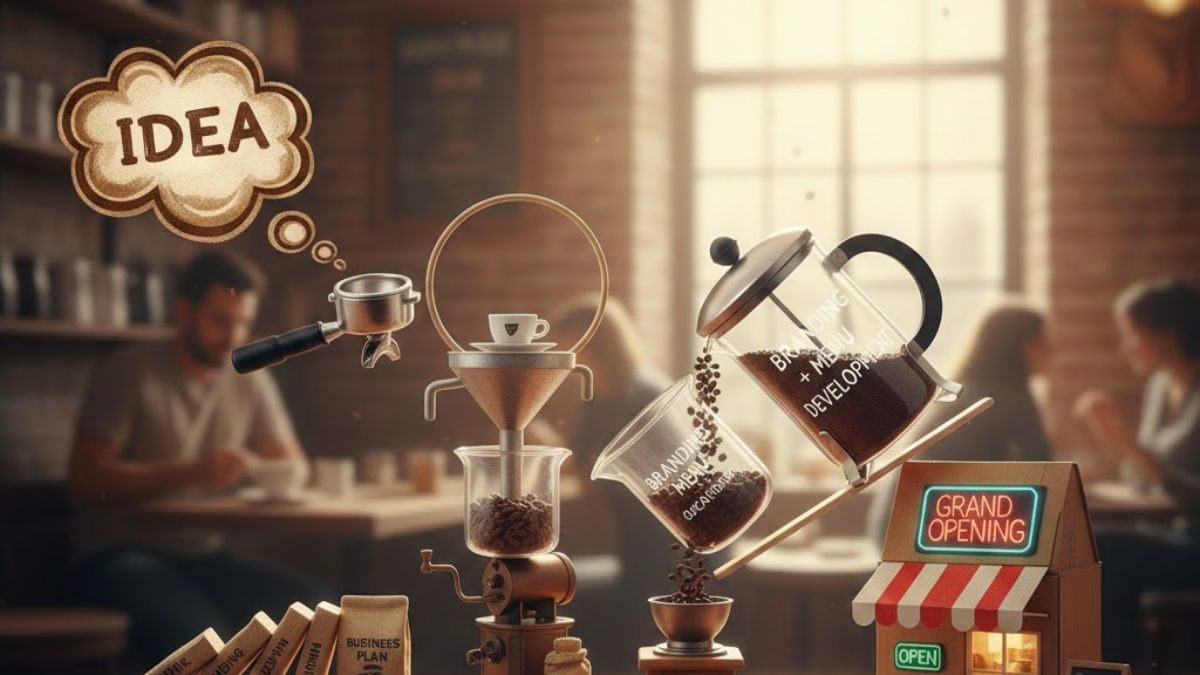
7. Execution Plan & Launch Strategy
Opening a coffee shop is more than setting up a counter and brewing beans it’s about creating a space people feel connected to. The journey begins with rigorous market research. Walk the streets of your target neighbourhood, observe where people gather, and understand customer routines. Who passes by in the morning? Who lingers in the afternoons? Which competitors are nearby, and what gaps do they leave open? These insights shape everything from menu choices to operating hours, seating design, and pricing strategy.
Next comes legal compliance, often underestimated. Shop registrations, GST, and health licenses can take weeks to process. Delays here can stall operations, so starting early is critical. Location selection is a make-or-break decision. Visibility and accessibility matter, but so does alignment with your audience. A café near offices, universities, or residential hubs sees predictable traffic patterns, while locations tucked away may require extra marketing to draw customers in. Store design is where your USP comes alive. Layout, lighting, signage, and décor shouldn’t just look good they should shape how customers feel. Comfortable nooks invite long stays; communal tables encourage conversation; soft lighting sets a mood. Every choice furniture, color palette, even music contributes to the emotional experience.
Then comes staffing and training, the human heartbeat of your café. Skilled baristas ensure every cup tastes consistent, and front-of-house staff convey warmth and attentiveness that customers remember. Train them not just on process, but on the culture and story of your café. Procurement is equally crucial. Source high-quality beans, fresh milk, and complementary ingredients consistently. Build relationships with suppliers who understand your quality standards and can scale as you grow.
Finally, generate pre-launch buzz. Social media teasers, collaborations with local businesses, and small community events create anticipation. A soft opening lets you test operations, gather early feedback, and fine-tune service before the full-scale launch. By the time doors officially open, you want every customer to feel they’ve discovered a space built for them.
8. Budget, Resources & Infrastructure
A coffee shop’s success depends on balancing investment with operational efficiency. Key cost areas include:
- Rent and deposit: Prime locations draw traffic, but they come with higher costs. Analyze trade-offs carefully.
- Interior design & décor: Beyond aesthetics, your design affects dwell time, repeat visits, and social sharing. Comfortable seating, lighting, and décor create a welcoming experience.
- Equipment: Espresso machines, grinders, refrigerators, brewing tools, and POS systems are foundational. High-quality, reliable equipment reduces downtime, maintains consistency, and builds trust.
- Inventory & working capital: Coffee beans, milk, dairy alternatives, snacks, cups, and cleaning supplies are ongoing needs. Ensure you have buffer stock and sufficient cash flow for the first months.
In smaller tier-2 cities, initial investment may run ₹8–15 lakh. In metro markets with larger spaces, premium interiors, and wider menus, setup costs can exceed ₹35–50 lakh. Staffing includes baristas, front-of-house personnel, and potentially kitchen assistants. Each person shapes the customer experience. Investing in training, creating standard operating procedures, and fostering ownership ensures your team delivers the service and quality your brand promises.
9. Brand Strategy
Your brand is the story that customers feel before they even take their first sip. It defines expectations, evokes emotions, and creates loyalty. Start with identity elements: a name, logo, color palette, and tone that reflect your café’s personality. Every touchpoint menus, signage, social media, packaging must reinforce this identity. Decide the experience you’re selling. Is your café premium and sophisticated, a space for connoisseurs and quiet reflection? Or warm and community-driven, where locals gather to connect? Or accessible and fast, catering to commuters and busy professionals? The brand voice warm, knowledgeable, inviting should consistently communicate this personality across all interactions.
Visual branding matters too. Minimalist elegance suits specialty cafés, while playful, vibrant designs resonate with younger audiences. Interior choices, lighting, and furniture should amplify your story. The café becomes more than a place for coffee it becomes a lived brand experience, where every visit reinforces trust, comfort, and connection. Ultimately, the brand isn’t just what you say; it’s what people feel when they enter your space. When done right, it turns a café visit into a ritual, a memory, and a community hub that keeps customers coming back. ether it’s minimalist elegance or quirky fun. This visual identity reinforces brand recall.
10. Vendor & Partner Strategy
In a coffee business, your vendors aren’t just suppliers they’re partners in delivering a consistent, memorable experience. Start with your coffee beans: sourcing from trusted local roasters or reputable specialty importers ensures every cup meets your quality standards. Build relationships based on transparency, reliability, and shared growth. A missed delivery or inconsistent roast can instantly undermine customer trust, so prioritize partners who understand your vision.
For complementary products pastries, sandwiches, or artisanal snacks work with local bakers or small-scale producers who share your brand ethos. Consistency in taste, presentation, and packaging matters as much as the product itself. Technology vendors also play a critical role. Your POS, inventory management, accounting, and delivery integration platforms must be robust, reliable, and easy to scale. Early investment in strong digital infrastructure pays off in operational efficiency and faster, accurate reporting.
11. Go-to-Market & Customer Acquisition Channels
Today, discovery begins online. A coffee shop’s first impression is often digital: Google Business listings, Instagram, and Facebook are critical tools for visibility. Share high-quality photos of your drinks, décor, and seasonal specials to spark curiosity. Daily updates or behind-the-scenes content help your audience feel connected to your café’s personality. Collaborations with local influencers, neighborhood businesses, and community events generate authentic word-of-mouth. A soft launch with invited guests allows early feedback, social media coverage, and buzz creation.
Loyalty programs and partnerships with food delivery apps not only extend reach but also encourage repeat visits. Even in an increasingly digital world, traditional methods flyers, local newspaper mentions, and community boards remain effective, especially in smaller towns and neighborhoods.
12. Growth & Retention Strategy
Acquiring customers is just the start; retention drives profitability. Build emotional connections: a loyalty card, exclusive seasonal drinks, or curated events can make customers feel valued and part of a community. Listen closely to feedback whether it’s about seating comfort, Wi-Fi reliability, or drink preferences and adapt quickly. Limited-time offers, artist collaborations, live music nights, or barista workshops can create excitement and encourage repeat visits.
When your flagship location is stable, explore delivery services, online ordering, or a second outlet. Expansion should never outpace operational excellence; a loyal, satisfied customer base at one location is far more valuable than multiple underperforming stores.
13. Team Structure & Responsibilities
In a coffee shop, the team is the soul of the business. In the early days, founders wear multiple hats barista trainer, marketer, customer experience lead, and operations manager all at once. Their energy, vision, and attention to detail set the tone for the brand and define the first customer impressions.
Early hires are critical. Skilled baristas are the frontline ambassadors of your coffee philosophy, delivering consistency in every cup. A front-of-house manager ensures smooth operations, handles customer concerns, and maintains service standards. If your café serves food, a kitchen assistant or cook ensures timely preparation and quality control.
As the café grows, responsibilities diversify. Social media and digital engagement require dedicated attention to maintain brand voice and visibility. Inventory management becomes more complex, and events or promotions demand a coordinator to curate experiences that bring people back. Outsourcing specialized functions accounting, cleaning, and digital marketing frees your core team to focus on the heart of the business: creating memorable, repeatable experiences for customers. Training and culture-building are not optional they are lifelines. Consistent service, attentive staff, and shared values translate into a café that feels welcoming, reliable, and alive. The team’s collective energy becomes part of the brand, creating loyalty far beyond the coffee itself.
14. Risks, Challenges & Mitigation
Running a coffee shop is exhilarating but comes with real pressures. Competition in urban centers is intense; every street corner, mall, and neighbourhood café is vying for the same footfall. High rent, utilities, and labor costs can quickly eat into profits if customer traffic fluctuates. Consistency in product quality is non-negotiable. One burnt latte or slow service can leave a lasting negative impression. Operational missteps inventory shortages, equipment failure, or untrained staff can amplify this risk.
Mitigation starts with discipline and planning. Financial projections should be realistic, cash flow monitored weekly, and inventory managed with data-driven precision. Beyond numbers, experience design is your competitive edge. Thoughtful interior design, curated events, staff engagement, and personalized service transform a visit into a memory. Customers return not just for coffee, but for the feeling your café evokes a place where they are seen, welcomed, and inspired.
15. Legal, Compliance & Fundamentals
Compliance is the invisible backbone of a coffee business it protects your customers, your team, and your long-term brand. In India, several licenses and registrations are essential:
- FSSAI Food License – ensures your beverages and food items meet safety and hygiene standards.
- Shop & Establishment License – legitimizes your retail operations and protects employees under labor laws.
- GST Registration – mandatory if your turnover crosses the statutory threshold, enabling lawful taxation.
- Municipal Health & Trade Permits – confirm that your café meets local hygiene, sanitation, and business norms.
- Fire Safety Approvals – crucial for seating areas and kitchens to prevent hazards.
- Music Licenses – required if you play background music or host live performances; local rules vary.
Early attention to compliance saves headaches and reinforces credibility with customers and suppliers alike. It signals professionalism and builds trust essential for a café that aims to be more than a transactional space, but a community hub where people feel safe, cared for, and inspired.
16. Long-Term Vision & Future Outlook
A coffee shop’s journey is as much about relationships as it is about revenue. Over 3–5 years, focus first on building a strong local following a base of customers who visit regularly, share experiences, and become brand ambassadors. Once the model is stable, consider expansion: additional outlets, franchise models, or hybrid spaces combining coffee with co-working, libraries, or events. Diversifying revenue streams packaged beans, merchandise, subscription boxes, workshops, and curated experiences can stabilize income and increase lifetime customer value.
India’s coffee culture is evolving rapidly. Boutique specialty cafés, community-centered spaces, and digital loyalty programs are all opportunities to blend physical and digital experiences. By responding to real customer behavior, market trends, and emerging lifestyle patterns, a coffee shop can evolve from a neighborhood startup into a beloved local brand with long-term sustainability and cultural impact.
About foundlanes.com
foundlanes.com is India’s leading startup idea discovery platform. It helps entrepreneurs find actionable startup opportunities, market insights, and industry-specific guidance to turn ideas into real businesses. With deep research and practical resources, foundlanes supports founders at every stage, from idea validation to launch and growth.