Summary
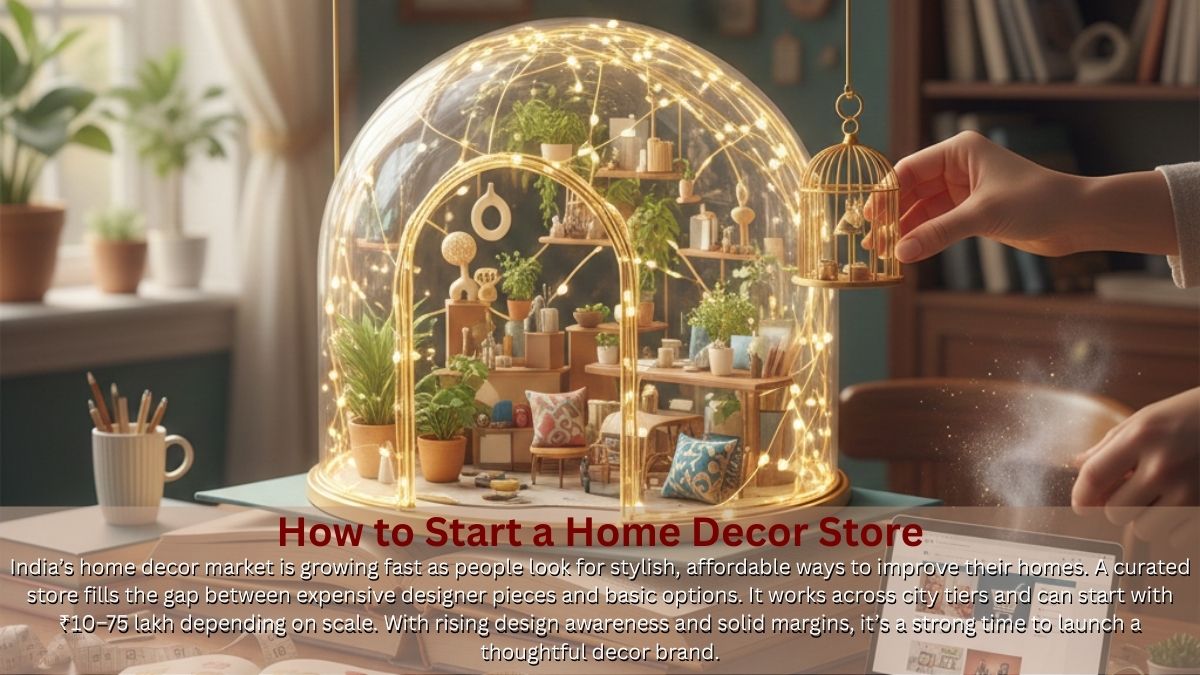
Launching a home decor store has quietly become one of the most attractive retail opportunities in India over the last decade. Rising disposable income, rapid urban migration, and a new generation of homeowners who care about design have pushed this once-niche category into the mainstream. Anyone planning to start a home decor store today is entering a market shaped by changing lifestyles, digital inspiration, and an appetite for personalised spaces. The demand is being driven by people who are rethinking how their homes look, function, and feel. They want contemporary furniture, artisanal accessories, functional decor, and aesthetic upgrades without having to commission an interior designer for every corner.
A home decor store answers a simple need: consumers want curated products that are beautiful, accessible, and fairly priced. The gap in the market appears when customers try to find these items and discover that choices are either too costly, too basic, or not available under one roof. That is where a focused home decor retail business fits in. It gives shoppers a place where they can see well-designed items in context, understand materials and design details, and buy pieces that elevate their living spaces without breaking their budgets.
The category appeals to a wide set of entrepreneurs
The category appeals to a wide set of entrepreneurs. You could be a first-time founder with a knack for interiors, an e-commerce seller wanting to step offline, a boutique owner planning to expand categories, or someone already running a small manufacturing unit. This business works well in Tier 1 cities with high incomes, Tier 2 cities with rising aspirational consumers, and emerging localities where new housing clusters are growing fast. Your launch timeline depends on your model. A simple curated boutique can go live within six to eight weeks. A larger retail buildout may take three to five months.
The cost of setting up a home decor store depends heavily on location, size, sourcing strategy, brand identity, and the complexity of the inventory. A lean, modern boutique may need an investment of ₹10–20 lakh to get started. A mid-sized store can range from ₹25–50 lakh. A premium or large-format store can cross ₹75 lakh. The business becomes profitable once inventory cycles stabilize and footfall strengthens. Margins usually sit between 25–55 percent depending on the products.
What makes this the right time? Indian consumers are buying homes later, renovating more often, and following design influencers on social platforms every day. The interior design ecosystem is evolving quickly. Retailers who offer tastefully curated products and a reliable in-store experience can stand out fast. This is why many entrepreneurs are looking for a step-by-step framework on how to begin. This article explores exactly that, giving you a complete roadmap on how to start a home decor store, scale it thoughtfully, and position it as a long-term brand in a category that’s only getting bigger.
1. Startup Idea Overview
The idea behind a modern home decor store is to give customers a curated space where they can discover products that make their homes look better. Many people want stylish, well-built items but feel overwhelmed by the scattered nature of the market. Some products are available only online without physical inspection. Others are sold through wholesale markets with limited design choices. A smart retail concept solves this by offering a focused selection of decor items backed by strong curation.
This business stands at the crossroads of aesthetics and practicality. It takes inspiration from global retail design trends but adapts well to local choices. A home decor store today can specialise in themed collections, artisanal handicrafts, urban-contemporary accessories, or sustainably produced items. The idea is to blend design sensibility with commercial viability. When customers walk in, they should find products that feel new, thoughtfully designed, and meaningfully priced.
The core business proposition is simple: create a retail destination that enhances how people furnish and express their living spaces. As India’s housing market expands and consumers invest more in shaping their interiors, this category becomes even more relevant.
2. Problem Statement & Solution
The biggest challenge customers face in this category is the fragmented nature of the market. Online stores offer large collections but lack the tactile element that decor requires. Offline markets often focus on cost over design. Branded showrooms tend to be expensive and limited to major cities. People looking for specific aesthetics struggle to find them locally.
A home decor store fixes this by bringing discovery, quality, and pricing under one roof. A well-curated store helps shoppers visualise products, compare materials, and understand how items can fit into their homes. It removes the guesswork and gives customers a reliable buying experience. A strong assortment ensures variety, while sourcing directly from artisans or manufacturers keeps pricing competitive. Many customers want guidance, which a well-trained staff can provide without making the experience overwhelming. The solution works because it simplifies the journey from inspiration to purchase. It makes home decoration easier and more accessible.
3. Target Audience & Customer Persona
The ideal customer for a home decor store is someone who values aesthetics and is willing to invest in improving their home environment. This includes young couples setting up their first flat, working professionals relocating to new cities, and families upgrading their interiors after several years. Many customers are inspired by design content on Instagram, YouTube, and Pinterest. They want modern, warm, and minimal styles that reflect who they are.
The persona usually falls between the ages of 24 and 48, with mid to high disposable income. These buyers enjoy visiting stores where products are styled well and easy to browse. They are likely to be influenced by recommendations from friends, interior designers, and social media creators. They appreciate sustainable materials, handmade items, and products that add character to their homes. This group values quality and aesthetics but remains price conscious. The store also attracts a smaller segment of gift shoppers who look for decorative items during festive seasons, housewarming events, birthdays, or corporate gifting cycles.
4. Market Opportunity & Timing
India’s home decor industry has seen significant growth in the last few years, led by changing lifestyles, smaller but better houses, and a rising design consciousness. A shift toward organised retail in Tier 2 cities has created new demand. Housing societies are being built at a faster pace, and every new home becomes a potential customer.
Urbanisation and hybrid work routines have changed how homes are used. People now want work corners, reading zones, balcony makeovers, and organised storage. Interior design is no longer reserved for premium consumers. People want accessible decor solutions they can adopt without hiring a designer for every room. A retail store offering curated products fits perfectly into this trend.
The opportunity grows further when you consider the influence of global design aesthetics. Young consumers follow trends like Scandinavian minimalism, Japandi blends, bohemian decor, and modern Indian craftsmanship. This category is becoming aspirational, with customers looking for items that match the mood of their homes. Starting a home decor store now places you in a maturing market with a long runway ahead.
5. USP & Value Proposition
A successful home decor store doesn’t compete on volume. It wins because every item feels intentional. Shoppers are overwhelmed by unlimited choices online, so your job is to narrow the field to pieces that genuinely deserve attention. When your curation is strong, customers start trusting your taste as much as their own. That trust becomes your edge.
Your value comes from offering items that feel current but not disposable. Pieces that look good in real homes, hold up over time, and feel fairly priced. When people walk into your store, they should immediately sense that someone with a real eye for design made the decisions. A thoughtful layout, collections that follow a theme, and items sourced directly from makers all reinforce that feeling.
What keeps customers coming back is the sense that the store is alive. New arrivals every few months. Displays that change with the seasons. Storytelling that helps people imagine how a lamp or vase might transform a corner of their living room. Stores that can spark inspiration and guide customers toward their own style end up building loyalty that no discount can replicate. You’re not just selling decor. You’re giving people a reason to reimagine the place they come home to every day.
6. Business Model & Pricing Strategy
Most of your revenue will come from product sales, but the real art is in balancing categories. Decorative accessories often bring healthier margins because they’re easier to source and rotate quickly. Larger furniture pieces move slower but elevate your brand. A well-run home decor store treats sourcing like a craft. Building relationships with artisans or smaller manufacturers helps you control quality and pricing. Importing can boost margins, but it demands discipline with logistics and cash flow. Your pricing has to match the identity you’re building. A premium store cannot rely on constant deals because it dilutes the brand. A mid-range store succeeds when customers feel they’re getting quality without overpaying. A boutique thrives on one-of-a-kind pieces that people can’t find online. Wherever you position yourself, remember that customers will compare prices on their phones, often while standing inside your store. Transparency, clear tags, and consistent pricing go a long way.
Seasonal shifts, holiday promotions, and curated bundles all help nudge buying decisions. Strong inventory management keeps your cash moving instead of getting stuck in overstock. The stores that stay profitable are the ones that adjust quickly, maintain clean stock levels, and price with intention rather than guesswork.
7. Execution Plan & Launch Strategy
Launching a home decor store is part creative work and part operational grit. It starts with choosing the aesthetic you want to champion. Once that vision is clear, your sourcing becomes easier because you know exactly what belongs and what doesn’t. Picking the right location is equally important. A ground-floor space in a residential area gives you natural foot traffic from people who live close enough to become repeat customers.
When the space is finalized, focus on layout. Lighting matters more than most people expect. Good lighting can make a simple object feel special. Shelving, spacing, and focal points all influence how comfortable customers feel while browsing. Keep your first inventory tight. An edited selection tells customers you care about quality over quantity, and it reduces your risk in the early months. Before opening completely, do a small soft launch. Invite friends, family, and a few early supporters to browse and give feedback on pricing, layout, and experience. These early impressions help you make adjustments before the real crowd arrives.
Even a simple website and active social pages make a difference in shaping early perception. Share behind-the-scenes content as you set up the store. Partner with local businesses or creators. Let your community know something new and exciting is coming. A memorable launch isn’t about fireworks. It’s about authenticity, warmth, and making people feel like they’re part of the beginning of your story. If you want, I can also help you develop a brand voice, inventory plan, launch calendar, or store layout guide.
8. Budget, Resources & Infrastructure
The financial side of opening a home decor store feels heavy at first, but once you break it down, it becomes manageable. Most of your investment goes into creating a space that makes customers fall in love the moment they step inside. Rent, deposits, flooring, wall treatments, shelving, and lighting usually take the biggest share. Lighting alone can transform your store from “ordinary” to a place where customers instinctively start imagining things in their own home.
8.1 Beyond the physical space, you need a budget for inventory
Beyond the physical space, you need a budget for inventory, branding, packaging, product photography, and a simple but well-designed website. These are not optional. Without them, your store looks unfinished and customers notice. You also need enough working capital for the first few months because sales don’t spike immediately. A realistic cushion gives you the calm needed to run the business without panic. A small boutique can get off the ground with ₹10–20 lakh if you keep the interiors clean and minimal. A mid-range store often needs ₹25–50 lakh. A higher-end store with custom fixtures and premium detailing easily crosses ₹75 lakh. These aren’t just numbers. They’re the ranges I’ve seen people successfully start with, and they reflect what it takes to create a space that feels intentional.
You’ll also need tools that simplify daily operations. A reliable billing system, inventory software, accounting support, and digital payment solutions help you run the store efficiently. Hiring at least two or three staff members gives you breathing room. Customers feel better when there’s someone available to guide them without pressure. Behind the scenes, invest in infrastructure that most new store owners overlook: clean storage racks, proper packing materials, a comfortable billing counter, and lighting that flatters the products. Decor items sell because of how they look in the moment. If your store atmosphere feels warm and thoughtful, your products will naturally shine.
9. Brand Strategy
A memorable brand doesn’t start with a complicated concept. It starts with a name that feels like the soul of your store. Something that instantly communicates warmth, design, and personality. When your name feels right, customers sense it long before you explain what you do. Your logo should be simple and adaptable. You’ll use it everywhere: on tags, bags, boxes, signage, online posts, and even in your store’s decor.
A clean logo gives you flexibility as your collections evolve. People don’t always remember product names, but they remember how your brand made them feel. Your brand voice should sound like a thoughtful friend who understands design, not a textbook explaining decor rules. Customers connect with brands that talk to them like humans. Tell stories about the artisans behind your pieces, the inspiration behind a collection, or the reason a product deserves a place in their home. This is how you build trust.
Consistency is what turns a store into a brand. A clear color palette, photography style, and tone across your store and digital presence helps customers recognize you instantly. When a brand feels grounded and relatable, people return not just to buy something new but because they feel connected to your vision. A strong brand has personality. When people enjoy the experience you create, they’ll travel back to you, recommend you, and think of your store even when they’re not actively shopping.
10. Vendor & Partner Strategy
Your vendor relationships are the backbone of your inventory. The stores that feel fresh and inspiring are the ones with a reliable and diverse supplier network. Working with artisans brings character and soul into your collection. Customers love knowing that a piece was made by hand, not mass-produced. These items tell a story, and stories sell. Manufacturers give you consistency. You get predictable quality, repeatable designs, and quick replenishment. Both sides of the vendor mix matter because your store needs depth as well as dependability.
If you’re considering importing, be prepared for more planning. Imported items can elevate your assortment, but they come with lead times, customs processes, and variability. You need to build timelines that account for delays. The payoff can be huge when done right. Long-term partnerships are where the real magic happens. When suppliers trust you, they give you better prices, faster turnaround times, and early access to new designs. I’ve seen stores completely transform their product mix just by strengthening relationships with a few reliable vendors.
Your selection process should be clear and intentional. Look at craftsmanship, materials, price consistency, responsiveness, and transparency. If a vendor can maintain quality over multiple cycles, they’re worth keeping. A strong supplier network reduces your headaches, protects your margins, and ensures your store always feels refreshed. If you want, I can help you create sample budgets, sourcing checklists, vendor evaluation templates, or a brand kit.
11. Go-to-Market & Customer Acquisition Channels
Home decor is a visual category, so your first job is to meet customers where they already look for inspiration. Instagram, Pinterest, and YouTube aren’t just platforms. They’re modern-day design magazines. If your products look good there, customers start imagining them in their homes. That’s when interest turns into intent.
Local discovery still matters more than people admit. Many stores get their earliest and most loyal buyers from people who live within a few kilometers. A clean, welcoming storefront, good lighting at night, and signage that feels warm and modern make a real difference. Neighbourhood marketing flyers, partnerships with local cafés, small community events—creates awareness without feeling aggressive. A simple website with clean photography builds instant trust. Even if customers buy in-store, they check your website beforehand. Listing your business on local directories and map listings boosts walk-ins more than most owners expect.
Influencer partnerships, especially with micro-creators who focus on home aesthetics, can introduce your brand to design-savvy buyers. Seasonal campaigns around festivals, weddings, and gifting moments help you stay visible when spending naturally increases. At the end of the day, the most effective acquisition channel is inspiration. When you show your products in real settings styled corners, shelf arrangements, table setups customers begin imagining what their home could look like. That emotional trigger is powerful and long-lasting.
12. Team Structure & Responsibilities
A home decor store doesn’t need a massive team, but it needs a thoughtful one. The founder usually takes the lead on curation because that’s the heart of the brand. Your sourcing decisions define your identity, so this role can’t be outsourced early on.
A good store manager keeps the place running smoothly. They handle billing, vendor follow-ups, inventory tracking, and opening-closing routines. Their calm and reliability set the tone for the whole team. Sales associates should be warm, attentive, and genuinely interested in design. Customers pick up on the mood of a store through the people who greet them. Associates help customers browse, offer light styling suggestions, and make sure the displays stay visually appealing throughout the day. When your team cares about aesthetics, your store feels alive.
Photography, branding, and digital marketing can be outsourced at the beginning. It saves cost and allows you to focus on building the business. As the brand grows, hiring a merchandising lead and operations manager gives you structure. A strong merchandising lead ensures your displays tell a story. An operations manager ensures nothing falls through the cracks behind the scenes. A team that genuinely appreciates design brings warmth and personality to the store. Customers feel that energy the moment they walk in.
13. Growth & Retention Strategy
Growth in home decor comes from staying fresh. As your store stabilizes, expand your categories slowly and intentionally. Start with accessories, then introduce textiles, tableware, lighting, or small furniture. Each new category gives customers another reason to return, and it widens your average bill value. Retention isn’t about discounts. It’s about becoming a store people love visiting. When customers know they will always find something new, they start treating your store like a design destination. Keeping the assortment updated every few weeks builds that expectation. A simple loyalty program with rewards, early access, or members-only previews goes a long way. Offering styling guidance either in-store or through short consultations creates deeper emotional connection. Hosting workshops, small decor classes, or festive styling sessions helps you build a community around your brand.
Once your identity is strong and you have a reliable supply chain, you can scale confidently. Growth can come from a second location in a different neighbourhood or from building a more robust online channel. Expansion becomes easier when your vendor relationships are stable. A dependable supplier base means you can keep quality consistent even as you grow. The stores that scale well are the ones that stay committed to their aesthetic, keep their assortment fresh, and treat customers like partners in creating beautiful homes. If you want, I can help you tie all sections together into a full business plan or create templates for launch calendars, team workflows, or customer acquisition plans.
14. Risks, Challenges & Mitigation
Running a home decor store is deeply rewarding, but it comes with real challenges that can test your patience and your finances. Trends shift fast. One season everyone wants rattan and warm neutrals, and a few months later the same customers are craving glass, stone, and metallic accents. This constant evolution makes inventory management tricky. A product that felt like a safe bet can suddenly become dead stock, tying up your capital and slowing your cash flow.
Sourcing adds another layer of complexity. When you work with artisans, manufacturers, or importers across different regions, delays are common. A shipment stuck in transit or a vendor who misses a promised timeline can leave your shelves looking thinner than planned. High rentals in high-visibility areas intensify the pressure because every slow month hurts more. Mitigation starts with discipline. Keep a tight buying plan and trust your data over your emotions. Track what sells quickly, what moves slowly, and what customers consistently ask for. Test new items in small batches before committing. This approach protects your cash and keeps your assortment fresh without adding risk.
Strong vendor relationships are one of your biggest safeguards. A partner who prioritizes you will help you restock best-sellers faster, meet deadlines more consistently, and offer flexibility when you need it. When possible, negotiate your rental terms or choose a space where footfall justifies the cost. Inside the store, design your layout with conversion in mind. A layout that guides customers naturally increases the chances of a sale. Every retail business faces turbulence, but with disciplined planning, you can turn most challenges into manageable speed bumps rather than roadblocks.
15. Legal, Compliance & Fundamentals
A home decor store sits at the intersection of creativity and structure. While the creative side feels more enjoyable, the legal and compliance foundation is what keeps the business stable. Registering the business under the right structure proprietorship, partnership, LLP, or private limited—gives you clarity on taxes, ownership, and long-term scalability. It’s a decision that shapes how easily you can raise funds, expand, or onboard partners later. A GST registration is essential for selling physical goods in India. If you hire staff, basic labour compliances must be followed, including wages, working hours, and safety standards. Opening a current account is not just a formality. It keeps your finances organized and helps you separate personal and business transactions from day one.
Your rental agreement needs to spell out every detail maintenance responsibilities, repair expectations, signage rights, notice periods, and any restrictions on renovations. These small details can save you from big headaches later. Use proper invoicing and accounting software so your sales, taxes, and expenses stay transparent. Vendor agreements should be documented clearly, especially regarding pricing, quality standards, delivery timelines, and replacements. Clear documentation protects both your money and your peace of mind. A strong compliance framework gives your store a solid backbone that supports growth instead of holding it back.
16. Long-Term Vision & Goals
A home decor store has the potential to become much more than a single location. When executed well, it can grow into a brand that people recognize across cities. Your three-year vision might focus on strengthening your identity, building a loyal customer base, expanding categories, and shaping a strong online presence. With steady growth, your store becomes a name people mention when someone says they want to redecorate their home. By the fourth or fifth year, you can think bigger. You may explore franchising, strategic partnerships with interior designers, or launching your own private-label collections. Private label is especially powerful because it lets you control quality, pricing, and margins while offering something customers can only find at your store.
Your long-term vision should revolve around trust. You want customers to see your brand as a place where good taste meets accessibility. India’s design culture is evolving. More people are paying attention to how their homes look and feel. This shift creates an opportunity for brands that combine honest curation, warm service, and authenticity. If you build with heart and clarity, your store won’t just sell decor. It will shape how people experience their homes. That’s the kind of impact that lasts. If you’d like, I can help you craft a full long-term roadmap, year-by-year goals, or a growth blueprint tailored to your brand.
About foundlanes.com
foundlanes.com is India’s leading startup idea discovery platform. It helps entrepreneurs find actionable startup opportunities, market insights, and industry-specific guidance to turn ideas into real businesses. With deep research and practical resources, foundlanes supports founders at every stage, from idea validation to launch and growth.