Summary
When Rajesh first picked up a camera as a teenager, he was captivated by the way light could tell stories. Years later, after helping friends and local businesses with their photography needs. He realized there was a glaring gap in his city. Professionally managed, fully equipped photography studios that catered to both aspiring photographers and clients seeking high-quality portrait. Product, and event photography.
Starting a photography studio is not just about owning a space with cameras and lights. It’s about creating an environment where creativity, precision, and business converge. The demand spans multiple segments—weddings, corporate events, product shoots, personal portraits, and content for social media. Customers range from individuals seeking personal photography to brands needing high-quality visuals for marketing.
A photography studio can be set up anywhere from a 500–1,000 sq ft urban space to larger studios for commercial work. Startup costs in India typically range from ₹5 lakh for a basic setup with essential cameras, lighting, and backdrops. To ₹25 lakh for a professional-grade studio equipped with premium gear. The timeline for launch depends on securing location, sourcing equipment, recruiting staff, and marketing the studio effectively.
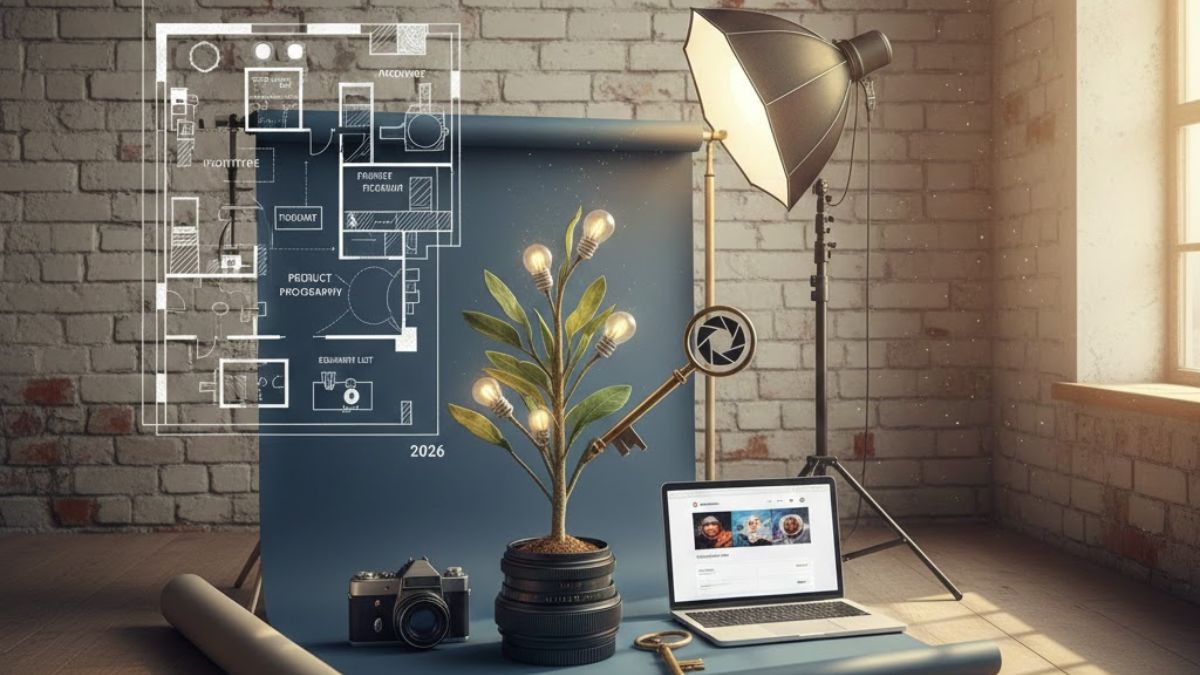
This guide covers the practical and strategic steps to launch a photography studio. From conceptualization to execution, and finally, to scaling the business. It dives into understanding market demand, defining a unique value proposition. Choosing equipment and infrastructure, planning pricing strategies, and managing legal and compliance requirements. By the end, readers will have a clear roadmap for turning their passion for photography into a profitable studio business.
1. Startup Idea Overview
Rajesh’s idea for a photography studio was born out of frustration and inspiration. Many local photographers operated from home or rented spaces that lacked professional lighting and controlled environments. Clients were often dissatisfied with inconsistent results, and photographers struggled with unreliable equipment and limited setups.
The core business idea was straightforward. Provide a professional photography studio equipped with modern cameras, lighting setups, and backdrops that cater to multiple genres. Portraits, events, product shoots, and creative content. Unlike a freelance setup, the studio would offer a controlled environment, expert guidance, and additional services such as editing, props, and styling consultations. The solution was holistic. Beyond just providing the space, the studio would include a team of trained assistants, high-quality cameras, lighting gear, and flexible backdrops. Workshops for aspiring photographers and rental options for creative professionals further expanded the value proposition.
2. Problem Statement & Solution
The photography ecosystem in urban India is riddled with challenges that often go unnoticed by outsiders. Freelance photographers, despite their talent, frequently struggle with the lack of fully equipped, professional spaces. Many rely on makeshift setups at home or rent studios that are either exorbitantly priced or woefully under-resourced. Limited access to quality lighting, backdrops, and cameras constrains creative expression and often forces compromises on output. Clients, in turn, experience inconsistent results—poorly lit portraits, uneven color balance, or a lack of creative direction that fails to capture their vision.
A dedicated photography studio changes this equation. By providing controlled lighting, diverse backdrops, and state-of-the-art cameras, it gives photographers a playground to bring their ideas to life. Clients no longer have to worry about subpar results, while photographers avoid the burden of heavy upfront investments in equipment. Beyond tools, such studios offer expertise and guidance, whether through in-house staff or workshops, ensuring every shoot delivers a polished, professional outcome. The studio becomes more than a space. It is a creative ecosystem where talent, technology, and vision converge, fostering consistency, efficiency, and the confidence to experiment.
3. Target Audience & Customer Persona
Defining the audience for a photography studio goes beyond identifying potential users. It’s about understanding the human motivations behind every click of the camera. The first group comprises individuals seeking personal portraits—students capturing milestones, young professionals building personal brands, and families preserving memories. These clients value comfort, personalized attention, and an environment that encourages creativity without intimidation.
Corporate clients form the second segment. They need product photography, branding content, or event coverage. For them, precision, reliability, and technical expertise are paramount. A delay in delivering high-quality images can impact campaigns, product launches, or corporate messaging. The third audience includes freelance photographers and content creators. They are the lifeblood of the digital content economy but often lack access to professional setups. Flexible rental packages, advanced lighting, and equipment options allow them to execute high-quality shoots without long-term capital investment.
Lastly, educational institutions and creative workshops represent a unique niche. Photography courses, art schools, and creative training programs require hands-on experience with professional tools. Providing such access enhances learning outcomes and positions the studio as a resource for the next generation of creators. By truly understanding these personas. The studio can design pricing, marketing, and spatial layouts that resonate deeply with each segment, building both loyalty and advocacy.
4. Market Opportunity & Timing
India’s photography industry is at an inflection point, propelled by the twin engines of digital content and e-commerce. Reports indicate that the professional photography sector grows at over 10% annually. Driven by rising influencer marketing, social media demand, and the need for high-quality product visuals. Urban hubs like Bengaluru, Mumbai, and Delhi act as epicenters. Where content creation is not just a hobby but a serious business.
Trends reinforce the opportunity. Influencers and creators demand versatile studios for lifestyle and branded content shoots. E-commerce brands require crisp, professional product images to compete in crowded marketplaces. Even traditional portraiture is evolving. Families and professionals are willing to invest in curated, meaningful photography rather than settling for quick snapshots.
The timing for entering this space has never been more favorable. Entrepreneurs who combine modern equipment, flexible studio options, and creative support can tap into multiple revenue streams. The market is hungry for one-stop solutions that bridge professional quality with accessibility. The studios that succeed will not just rent space. They will become incubators of creativity, places where stories are captured with technical precision and emotional depth, and where both creators and clients feel understood and empowered.
5. USP & Value Proposition
In a crowded urban photography market, a studio cannot survive on equipment alone; it must create an experience that inspires confidence and sparks creativity. Rajesh envisioned a space that did exactly that. At the heart of the studio’s USP is its comprehensive equipment ecosystem: high-end cameras, professional lenses, versatile lighting kits, and an array of backdrops that cater to diverse creative needs. But tools are only one part of the story. Flexibility and convenience form the second pillar—photographers can book by the hour, opt for half-day or full-day packages, and access add-on services such as styling, makeup, and post-shoot editing.
Expertise is the third differentiator. Staff are not just facilitators; they are guides. Trained in lighting techniques, camera handling, and client management, they elevate every shoot from functional to exceptional. Workshops and training sessions transform the studio into more than a rental space—they make it a learning hub for aspiring photographers, building loyalty and community. This synthesis of professional-grade equipment, on-demand expertise, and operational flexibility positions the studio as a sanctuary for creativity, appealing equally to individual clients seeking meaningful portraits and professionals striving for flawless execution.
6. Business Model & Pricing Strategy
The studio operates on a multi-layered revenue model that balances accessibility with profitability. Core revenue stems from studio bookings for portraits, commercial campaigns, and events. Flexible rental services cater to freelance photographers and content creators who seek access to high-quality setups without the burden of owning expensive gear. Workshops, training programs, and corporate packages provide additional income while reinforcing the studio’s brand as an educational and professional hub.
Pricing is designed to reflect value while remaining competitive. Hourly rentals for freelancers start at around ₹1,500, allowing emerging photographers to experiment without financial strain. Full-day sessions for portrait or product shoots range from ₹10,000 to ₹25,000, depending on the equipment, space, and professional support included. Margins on service packages and equipment rentals typically hover between 30–50%, reflecting efficient utilization of shared resources and strategic bundling. Packages that combine lighting, props, and post-production editing encourage higher spend per client, while loyalty programs and subscription plans foster recurring revenue and deepen client engagement. By aligning pricing with perceived value and flexibility, the studio creates both financial sustainability and long-term customer loyalty.
7. Execution Plan & Launch Strategy
Execution began with careful site selection. Rajesh prioritized urban areas with strong foot traffic, proximity to creative institutions, and minimal competition. The chosen space needed to accommodate multiple setups, storage for cameras and props, and dedicated zones for editing and client consultations. Next came vendor sourcing. Cameras, lenses, lighting kits, and backdrops were procured from trusted suppliers, with attention to quality, warranties, and service support. Layout planning emphasized efficiency and creative flow: natural light zones, portrait corners, product tables, and organized storage ensured that every shoot could run seamlessly.
Parallel to operational preparation, brand identity took shape. The name, logo, and visual tone were crafted to evoke creativity, professionalism, and inspiration. Pre-launch social media campaigns generated anticipation, sharing behind-the-scenes glimpses and interactive polls to involve early adopters in shaping the studio’s offerings.
A soft launch allowed local photographers, content creators, and potential clients to experience the space firsthand. Workshops during this period served a dual purpose: educating users and refining internal processes, from lighting setups to client handling. The official launch blended PR outreach, influencer collaborations, and partnerships with photography schools, ensuring visibility while embedding the studio in the local creative ecosystem. By meticulously sequencing location, operations, brand, and community engagement, the studio established a foundation for sustainable growth and long-term relevance.
8. Budget, Resources & Infrastructure
Launching a professional photography studio is as much an exercise in financial foresight as it is in creativity. Rajesh carefully mapped out a budget of ₹10–15 lakh for a medium-sized studio, balancing quality with cost-effectiveness. Major allocations included the rental deposit and interior setup designed to accommodate multiple shooting zones, storage, and client areas. Camera and lighting equipment formed the core investment, complemented by versatile backdrops, props, and professional-grade editing software to ensure that every shoot could meet high standards. Staff salaries, including a studio manager, assistants, and part-time workshop instructors, were accounted for, while outsourced roles—such as social media management, bookkeeping, and website maintenance—ensured operational efficiency without overextending payroll.
Infrastructure decisions went beyond mere equipment. Reliable backup power and climate control were critical to maintain sensitive cameras and lighting systems, while security measures protected high-value assets. Logistics partnerships were thoughtfully integrated to facilitate the transport of props and specialized gear, particularly for commercial clients who required temporary setups at offsite locations. Software tools handled bookings, invoicing, and client management, creating a seamless operational backbone that allowed Rajesh and his team to focus on delivering creativity and quality. This holistic approach to budgeting and resources ensured that the studio could scale without compromising client experience or creative possibilities.
9. Brand Strategy
A photography studio is ultimately a storyteller, and the brand must reflect that narrative. Rajesh chose the name Frame & Focus to encapsulate precision, clarity, and the art of capturing moments that resonate. Every design decision reinforced this ethos. The logo, blending a subtle lens motif with a minimalist typeface, spoke to modernity and professionalism, while signage, interiors, and digital touchpoints maintained visual consistency.
Brand messaging went beyond marketing copy—it was about inspiring confidence and fostering creativity. Through social media posts, behind-the-scenes stories, and client success narratives, Frame & Focus positioned itself not just as a service provider, but as a creative partner. The brand voice emphasized trust, guidance, and the transformative power of photography, appealing to both clients seeking memorable portraits and photographers aiming to elevate their craft. By cultivating this identity, the studio clearly differentiated itself from freelancers, home studios, and impersonal online platforms, creating a space that was professional, accessible, and deeply empowering.
10. Vendor & Partner Strategy
Sourcing vendors was a strategic endeavor. Rajesh partnered with established camera distributors, lighting equipment suppliers, and backdrop manufacturers, prioritizing quality, reliable maintenance support, and flexible purchase or rental options. Boutique suppliers added creative depth—specialty props, imported lighting modifiers, and artistic backdrops allowed photographers to experiment and craft distinctive visuals.
Strategic partnerships extended beyond equipment. Collaborations with photography schools and freelance trainers enabled co-branded workshops and courses, creating additional revenue streams and enhancing credibility. Institutional alliances with local colleges, content agencies, and event planners ensured recurring bookings and stable cash flow, forming a steady pipeline of clients. All agreements were underpinned by clear contracts detailing service expectations, equipment responsibilities, and delivery logistics, reducing friction and building long-term trust. This meticulous combination of vendor selection, creative partnerships, and institutional collaborations positioned Frame & Focus not just as a studio, but as a reliable, professional ecosystem supporting both clients and creators.
11. Go-to-Market & Customer Acquisition Channels
Frame & Focus approached its go-to-market strategy with a deliberate balance of digital visibility and community engagement. Rajesh recognized early on that photography is a highly visual medium, and social media would serve as both a portfolio and a conversation starter. Instagram and Facebook became primary channels, where behind-the-scenes stories, before-and-after transformations, and interactive polls on props, lighting setups, and shoot themes allowed potential clients to engage directly with the brand. Campaigns highlighted seasonal promotions, workshop schedules, and curated packages, translating engagement into bookings while building a loyal follower base.
Offline efforts were equally intentional. Collaborations with local colleges, creative clubs, and art communities provided access to photography enthusiasts and young professionals seeking hands-on experience. Free introductory sessions and studio tours created buzz and trust, letting potential clients experience the space firsthand. Hosting photography contests not only encouraged user-generated content but also fostered a sense of belonging and excitement around the studio. Referral programs further amplified reach, incentivizing existing clients to bring friends, colleagues, or collaborators. Coupled with SEO-optimized website content, local listings, and Google My Business presence, these efforts ensured Frame & Focus was discoverable for searches like “portrait studio near me” or “professional studio rental,” creating a multi-touchpoint strategy that steadily accelerated customer acquisition.
12. Growth & Retention Strategy
Rajesh understood that sustainable growth relied on retention as much as acquisition. To foster loyalty, Frame & Focus implemented structured programs offering discounted sessions, priority booking, and exclusive access to premium backdrops and props. Subscription plans allowed amateur photographers and content creators to secure recurring studio time at lower rates, effectively converting casual users into long-term patrons.
Workshops and training programs became pivotal in both revenue generation and engagement. Seasonal events—holiday portrait sessions, thematic shoots, and portfolio review sessions—ensured consistent footfall, while adding value beyond a standard studio rental. Expansion into niche services, such as drone photography, advanced lighting techniques, or post-processing courses, kept the studio ahead of market trends, appealing to both professionals seeking skill enhancement and enthusiasts exploring creative avenues.
Integral to retention were feedback loops. Every client interaction, from session experience to post-shoot delivery, was an opportunity to learn. Suggestions influenced layout adjustments, equipment choices, and package customization. Regular follow-ups through email newsletters, social media updates, and personalized check-ins nurtured long-term relationships, transforming one-time visitors into advocates who actively promoted the brand within their networks.
13. Team Structure & Responsibilities
The Frame & Focus team reflected a careful blend of creative vision and operational rigor. Rajesh, as founder and creative director, drove the studio’s artistic direction and brand philosophy. A dedicated studio manager ensured day-to-day operations ran smoothly, supported by two skilled assistants who handled lighting setups, camera operation, and client coordination. Part-time instructors conducted workshops and photography classes, creating educational touchpoints that also served as marketing funnels.
Outsourced roles complemented the internal team, including digital marketing, website maintenance, bookkeeping, and graphic design for promotional materials. As client demand scaled, additional hires such as a post-processing editor, customer support representatives, and logistics coordinators for equipment and props were brought in, ensuring service quality remained consistent despite growth.
Roles were clearly defined but flexible. Cross-training allowed staff to handle multiple responsibilities during peak seasons or high-volume bookings, minimizing operational disruptions. Regular performance reviews, skill development sessions, and incentive programs cultivated a motivated, accountable, and creative team culture. This deliberate approach to team building allowed Frame & Focus to deliver a seamless client experience while maintaining the creative integrity that defined the studio.
14. Risks, Challenges & Mitigation
Operating a photography studio is a delicate balance of creativity, precision, and business acumen, and Rajesh understood that every decision carried potential risks. Equipment—high-end cameras, lighting rigs, and props—represents not just a financial investment but the backbone of daily operations. Failures or malfunctions could halt shoots, disrupt client schedules, and harm reputation. To mitigate this, the studio implemented rigorous maintenance routines, maintained backup equipment, and trained assistants to troubleshoot on the spot, ensuring sessions ran smoothly even under unexpected circumstances.
Financial unpredictability was another constant concern. Urban studios face fluctuating demand, seasonal peaks, and occasional booking gaps. Rajesh addressed this with conservative budgeting, emergency cash reserves, and diversified revenue streams. Workshops, training sessions, and equipment rentals provided steady income that buffered against slow periods, while corporate bookings added predictable revenue in a largely project-based business.
Market competition posed a more subtle, ongoing challenge. Freelancers, boutique studios, and online rental services competed for attention, often undercutting on price. Frame & Focus navigated this by doubling down on differentiation—consistent quality, personalized service, and brand storytelling that connected emotionally with both clients and creators. Talent retention was equally crucial; the studio cultivated a work environment that blended mentorship, recognition, and creative freedom, alongside performance incentives, to ensure continuity and high standards. Insurance policies covering property, equipment, and liability further safeguarded the studio from unforeseen losses, providing peace of mind in a high-investment environment.
15. Legal, Compliance & Fundamentals
Rajesh approached legal and compliance not as a formality but as a foundation for trust and operational integrity. Frame & Focus was registered as a Private Limited Company, with GST registration, trade licenses, and municipal approvals in place to ensure full compliance for commercial operation. This gave clients and partners confidence in the studio’s legitimacy and reliability.
Detailed contracts became a standard practice. Client bookings, vendor agreements, and workshop collaborations were formalized with clear terms on cancellations, payment schedules, and equipment responsibilities. Safety compliance was embedded in studio operations, covering electrical setups, lighting rigs, and props, ensuring the physical space was safe for staff and visitors alike.
Insurance formed a further layer of protection. Policies for studio assets, liability coverage for clients and staff, and backup arrangements for critical equipment minimized exposure to risks that could derail operations. Thorough documentation and record-keeping, from financial logs to maintenance records, allowed Rajesh to make informed decisions and respond swiftly to challenges without losing operational continuity.
16. Long-Term Vision & Goals
Frame & Focus was never envisioned as a single-location venture; Rajesh’s aspirations were expansive yet grounded in community impact. Within 3–5 years, the goal was to establish multiple studios across urban centers, each reflecting the same ethos of professional excellence, creative empowerment, and client-centric service.
Digital integration was central to this vision. Online booking, virtual workshops, remote portfolio reviews, and interactive tutorials were planned to extend the studio’s reach beyond physical walls, allowing creative learners and clients from different geographies to benefit from Frame & Focus’ expertise.
Service diversification was equally strategic. Drone photography, advanced lighting courses, commercial product shoots, and specialized post-processing services were designed not just as revenue channels but as platforms for skill development and professional growth for the creative community.
Success was measured not solely in revenue, but in engagement, trust, and reputation. Repeat client rate, workshop participation, portfolio quality, and recognition within photography networks were seen as equally important indicators. Ultimately, Rajesh’s vision combined entrepreneurship with mentorship—creating a space where individuals and businesses could realize their creative ambitions while feeling supported, inspired, and confident in every frame captured.
Future Outlook
The photography industry in India continues to evolve rapidly. Rising demand for high-quality visual content across social media, e-commerce, and personal branding presents opportunities for professional studios. Hybrid models combining physical studio access with educational programs and online booking will dominate the market. Entrepreneurs who focus on creating differentiated, client-centric studios with professional equipment, skilled teams, and engaging experiences will thrive. A studio is no longer just a workspace; it is a creative ecosystem, empowering individuals and brands to capture stories, memories, and business success in every frame.
About foundlanes.com
foundlanes.com is India’s leading startup idea and deep-dive platform built for founders, operators, and serious entrepreneurs. We go beyond surface-level advice to deliver grounded, research-backed, and experience-driven startup content.
Every guide on foundlanes.com is designed to help readers think clearly, act strategically, and build sustainably. This cloud kitchen startup guide is part of our mission to document real business pathways in India’s evolving startup ecosystem.