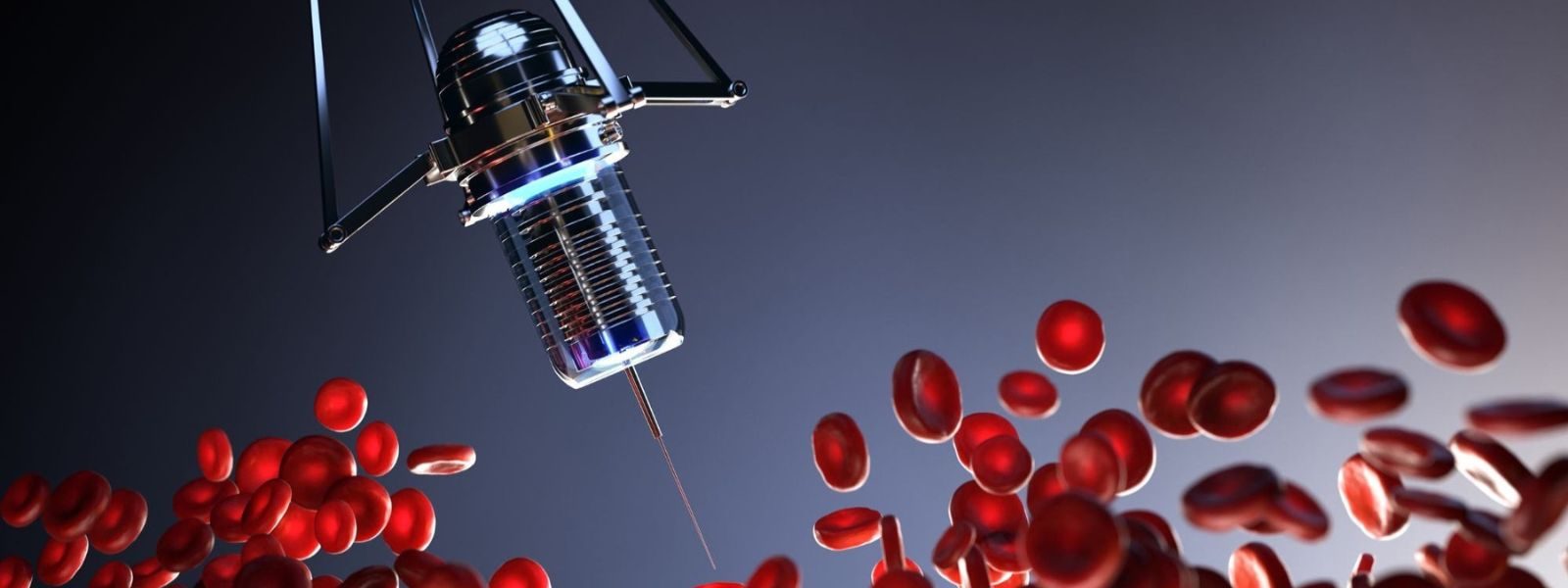
In a major leap for India’s health-tech landscape, Lytus Technologies acquires Blod.in, marking a pivotal moment in AI-powered healthcare logistics. The acquisition, routed through Lytus HealthTech, the healthcare subsidiary of Lytus Technologies, places the multinational firm at the forefront of India’s AI-led blood component delivery ecosystem. Blod.in, known as India’s first on-demand AI-powered blood logistics platform, operates currently in Chennai and is poised for aggressive expansion into Bengaluru, Mumbai, Hyderabad, and eventually, international markets.
This strategic move aligns with Lytus’ commitment to infuse Rs 1,000 crore over the next three years into digital healthcare advancements. With Blod.in’s growing presence across over 140 hospitals and a sophisticated ML-based logistics system, the platform has already shown a 20% month-on-month growth and reduced blood procurement times to as little as 90 minutes. The synergy aims to tackle India’s staggering issue of blood shortages, which causes nearly 12,000 preventable deaths daily.
Backed by scalable AI, ML, and Agentic AI tools, Blod.in’s rebranding as Blod+ signifies the birth of a hyper-automated, real-time inventory mapping system. Lytus Technologies’ CEO Dharmesh Pandya sees this acquisition as a step toward building a global community of healthcare providers, tech-integrated workflows, and outcome-based care solutions.
With this move, Lytus not only strengthens its healthtech portfolio but also redefines how medical logistics can bridge the demand-supply gap in life-saving resources. In doing so, this deal becomes one of the most significant business acquisitions news stories in the Indian health-tech ecosystem in 2024. As this acquisition unfolds, startups and stakeholders alike are closely watching how AI can solve real-world, life-critical problems at scale.
1. Understanding the Working Model of Blod.in
1.1 Real-Time Logistics Infrastructure Powered by AI
Blod.in connects blood banks and hospitals via an intelligent logistics network. The system uses artificial intelligence and machine learning to analyze supply-demand trends, minimize blood wastage, and ensure timely deliveries. The AI engines automate inventory tracking, logistics coordination, and alert-based routing for critical blood components, ensuring quick and optimized transfers.
1.2 Blod+ and Agentic AI: What’s New?
With its upcoming transformation into Blod+, the platform will integrate Agentic AI agents. These autonomous systems operate without human oversight to improve real-time decision-making. From selecting the fastest delivery routes to inventory prediction, Agentic AI is expected to revolutionize the platform’s scalability and responsiveness.
2. Revenue Model and Expansion Plans
2.1 Commission-Based & B2B SaaS-Led Structure
Blod.in primarily operates on a B2B commission model, charging hospitals and blood banks for logistics services. The platform also offers SaaS-based subscriptions to hospitals, allowing them to integrate with Blod’s AI systems for streamlined supply chain management.
2.2 Targeting Indian Metros and Global Markets
From its base in Chennai, Blod.in aims to serve over 100 new hospitals and 15 additional blood banks in 2024. Key markets include Bengaluru, Mumbai, and Hyderabad. Following national dominance, global expansion is on the roadmap—a move that could place Lytus among top-performing startups in international medical logistics.
3. Startup Origin, Founders, and Growth Timeline
3.1 Blod.in’s Founders and Their Vision
Blod.in was founded by healthcare professionals and AI engineers who recognized a critical problem in India’s fragmented blood logistics. Their goal was to apply cutting-edge AI to streamline and stabilize a life-saving resource pipeline. Though names of individual founders remain under wraps, the team’s technical and medical backgrounds enabled a fast growth trajectory.
3.2 Scaling From 30 to 140 Hospitals
In less than a year, Blod.in expanded from serving 30 hospitals to 140. This 20% monthly growth rate reflects robust product-market fit and urgent demand. The startup’s AI-driven efficiency made it an attractive acquisition for Lytus Technologies.
4. Industry Trends and Lytus HealthTech’s Strategy
4.1 India’s Health-Tech Surge
India’s health-tech sector is rapidly shifting toward AI-driven, digital-first platforms. Platforms like Blod.in solve real challenges—supply shortages, inefficiency, and outdated logistics—with technology. As blood logistics digitize, investors are taking note of scalable solutions.
4.2 Rs 1,000 Crore Investment Plan
Lytus Technologies has earmarked Rs 1,000 crore for investments in digital health services over the next three years. A significant share will go toward enhancing Blod.in’s AI core, infrastructure, and expansion. The capital will also help Lytus explore further acquisitions in adjacent verticals.
4.3 Statement from Lytus Leadership
Dharmesh Pandya, CEO of Lytus, stated that “healthcare presents a powerful intersection of business growth and societal impact.” His vision is to build tech-enabled, scalable healthcare solutions that can ensure timely interventions and better outcomes.
COO Sai Guna Ranjan Puranam echoed this sentiment, emphasizing the platform’s potential to create a tech-driven healthcare community focused on trust, precision, and patient safety.
5. Why This Acquisition Matters: An Industry Perspective
5.1 Solving India’s Blood Crisis
India faces a massive shortage of blood. With 12,000 preventable deaths each day due to unavailability, the gap between demand and supply is life-threatening. Blod.in’s AI-first model addresses this crisis by reducing procurement times to just 90 minutes, a significant improvement.
5.2 A Case Study in Tech-Driven Health Logistics
This acquisition is more than just a business merger. It’s a case study in how startup ecosystem growth and business strategies 2024 can leverage innovation to solve real human challenges. It proves that even deep-tech startups can scale fast, attract capital, and deliver impact.
Lytus Technologies Acquires Blod.in: Implications and Outlook
The statement Lytus Technologies acquires Blod.in is now synonymous with innovation in health logistics. This move positions Lytus as a leading player in AI-powered healthcare. The company is not only building a business but also bridging life-critical service gaps using AI, ML, and data analytics.
Blod.in, now Blod+, will be central to Lytus’ push into the digital healthcare frontier. As India sees more venture-backed startups like Blod.in grow into national assets, this acquisition sets a template for what tech-driven healthcare transformation could look like globally.
7. Learning for Startups and Entrepreneurs
7.1 Tech-First Thinking Wins
Early investment in proprietary AI systems can create significant differentiation. Startups must identify core problems and align technology accordingly.
7.2 Solve Real Problems with Scalable Models
Blod.in focused on a niche but critical pain point—blood logistics. Narrow focus and scalable execution made them acquisition-ready.
7.3 Partnerships Amplify Impact
Strategic acquisitions like these are not just about exits but scaling up impact, reach, and infrastructure. Founders should always be acquisition-prepared.
The Startups News: Your Trusted Partner for Startup Stories That Matter
At The Startups News, we deliver India’s most trusted startup coverage, focused on deeply humanized storytelling, robust fact-checking, and strategic insights. In the world of health-tech transformations like when Lytus Technologies acquires Blod.in, we connect the dots between capital, innovation, and impact. Our reports are not just about funding announcements; they’re about inspiring founders and investors to think bigger, act smarter, and lead change.