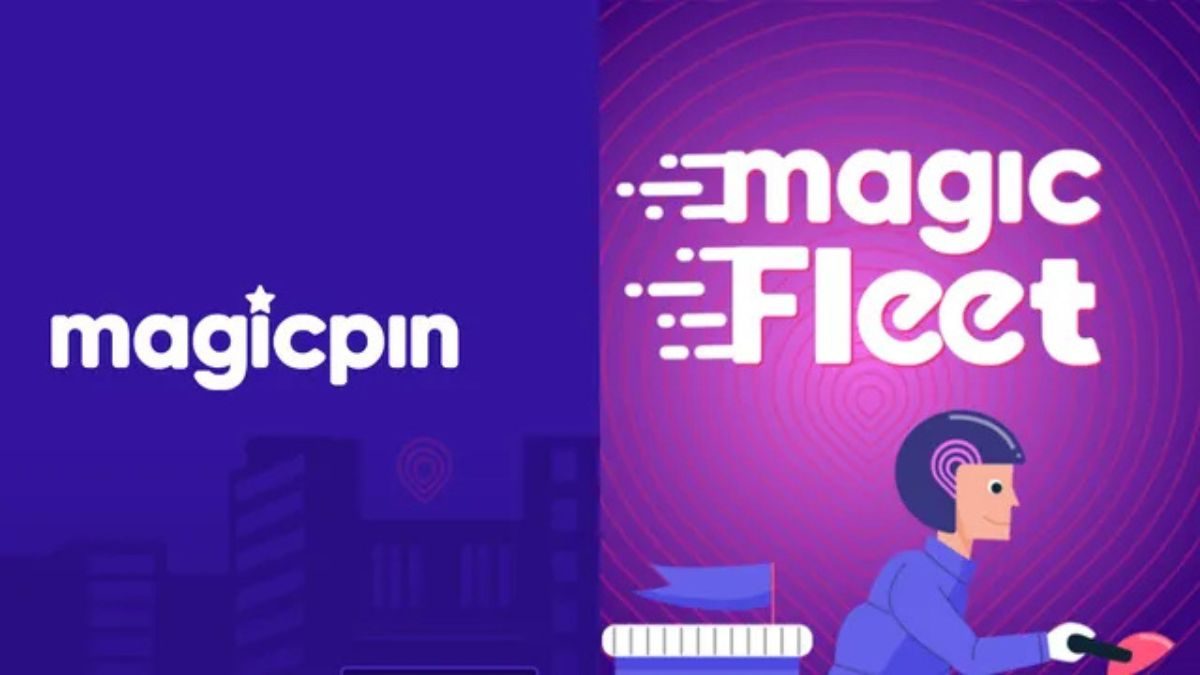
In a remarkably short time, MagicFleet—the logistics wing of Magicpin—has blasted through the milestone of 1M monthly deliveries. And get this: they pulled it off in less than a year since launching in September 2024. Now, they’re eyeing an even bigger target—two million monthly deliveries by the close of FY26. Over 100,000 riders have already been brought into the fold, navigating through the chaos of seven buzzing metros like Delhi NCR, Bengaluru, and Mumbai.
But this isn’t just another delivery outfit. MagicFleet has carved out its niche as a tech-heavy, AI-powered logistics enabler designed specifically for the underdogs—MSMEs and gig economy warriors. By syncing up with both Magicpin’s homegrown demand and the ONDC platform, the startup isn’t just scaling—it’s reshaping the playing field.
Riders aren’t left hanging either. MagicFleet offers daily payouts, bonuses, and even first-mile pick-up compensation—a rare but thoughtful perk. With tools like automated rider allocation and real-time tracking, the platform isn’t just efficient, it’s downright futuristic.
According to co-founder and CEO Anshoo Sharma, venturing into logistics wasn’t just a strategy—it was a necessity. With demand soaring and small businesses hungry for reliable delivery partners, MagicFleet has emerged as a foundational layer for India’s quick-commerce boom.
1. MagicFleet Hits 1M Deliveries: A Logistics Milestone
1.1 Magicpin’s Strategic Move into Hyperlocal Logistics
When Magicpin decided to dip into logistics in September 2024, the goal wasn’t modest. Within months, MagicFleet began delivering at a scale that stunned the industry—over a million orders per month. That surge? It wasn’t accidental. It was a combination of deep market understanding, the strength of the existing Magicpin merchant network, and a hell of a lot of smart tech.
1.2 Aiming for 2 Million: FY26 Vision
Currently clocking 1.4 million orders monthly, MagicFleet’s ambition to hit 2 million by FY26 isn’t just bold—it’s strategic. Sharma’s declaration that MagicFleet now sits among India’s top five hyperlocal delivery players isn’t just corporate talk. The numbers back it up, and the roadmap looks clear.
1.3 Rider-Focused and AI-Backed
MagicFleet isn’t treating riders like disposable assets. MagicFleet, besides 1M delivery partners onboarded, the platform offers more than just orders—it offers a better livelihood. Thanks to ONDC and Magicpin integration, riders get access to steady demand and:
- Quick payouts—often within a day.
- Performance-linked bonuses.
- First-mile compensation—a rarely seen but crucial inclusion.
- AI-enhanced dispatching and live tracking.
It’s clear: the human side of the delivery equation isn’t an afterthought here.
2. Inside MagicFleet’s Operating Model
2.1 What Makes MagicFleet Different?
Traditional logistics? Too slow, too rigid. MagicFleet plays a different game. It’s a software-as-a-service logistics layer that gives small players—some with barely a dozen riders—the infrastructure to play in the big leagues. It’s democratic and disruptive. It works.
2.2 Tech-Enabled Efficiency
No one’s running blind. With MagicFleet’s tools, every fleet owner knows what’s happening in real time:
- Smart rider allocation driven by AI.
- Demand-sensitive pricing models.
- Support for RTO and CoD—vital for urban logistics.
- Dashboard-level visibility from start to finish.
Small delivery firms finally get the visibility and control usually reserved for corporate giants.
3. The Startup’s Journey and Evolution
3.1 Magicpin’s Origins
Magicpin didn’t start as a logistics player. It launched as a way to help people discover local deals and merchants—think of it as your friendly neighbourhood rewards app. But as user engagement soared and merchant partnerships flourished, stepping into delivery was the natural next chapter.
3.2 Why Logistics Made Sense
Let’s be real—delivery is where the rubber meets the road. Magicpin had merchants, had customers, but was relying on external fleets. Creating MagicFleet wasn’t just a business decision. It was the missing puzzle piece to offer end-to-end service and lock in value across the chain.
4. Revenue Model and Monetisation Strategy
How MagicFleet Makes Money
MagicFleet isn’t running on hope. It’s got a solid monetisation blueprint:
- Monthly SaaS fees from fleet partners.
- Commissions per delivery completed.
- ONDC access fees.
- Premium analytics and logistics tools—sold to serious players looking to scale.
This asset-light setup is lean, smart, and built to scale, especially for India’s crowded and chaotic delivery market.
5. Services and Products Offered
5.1 For Riders and Partners
Riders aren’t treated like cogs. They get:
- Daily payouts—money in hand, fast.
- Incentives that make a difference.
- Real-time tracking tools to avoid delays and confusion.
5.2 For Fleet Operators and MSMEs
Operators, even those with tiny teams, unlock access to:
- End-to-end logistics dashboards.
- Consistent order flow via ONDC and Magicpin.
- Routing optimisation and performance insights.
6. Solving India’s Last-Mile Problem
6.1 The Problem
Last-mile delivery in India? It’s a nightmare for small players. No tools, data & consistency. And certainly no profitability.
6.2 The Solution
MagicFleet didn’t just build a tool—it built a lifeline. With seamless onboarding, tech integration, and reliable demand, the platform removes the chaos from hyperlocal logistics.
7. Industry Trends and Growth Drivers
7.1 Quick-Commerce and Hyperlocal Surge
The clock is ticking faster for deliveries. With India’s quick-commerce sector growing at 45 %+ CAGR, MagicFleet couldn’t have timed it better. Urban centres demand speed—and they’re willing to pay for it.
7.2 ONDC and Platform Integration
ONDC is a total game-changer. MagicFleet’s early move to plug in has paid dividends, allowing it to tap government-led digital commerce without the red tape others still battle.
8. Competitor Landscape
8.1 Direct Competitors
MagicFleet’s real challengers? Platforms like Shadowfax, Dunzo, and LoadShare—each with their slice of the pie, but not quite the same tech-integrated approach.
8.2 Indirect Players
Sure, Zomato and Swiggy deliver food. But MagicFleet’s tech-first, partner-friendly model makes it a different beast entirely.
Learning for Startups and Entrepreneurs
Key Takeaways
- Start with demand. Magicpin didn’t guess—it expanded where it already had traction.
- Let tech do the heavy lifting. Smart tools equal smart growth.
- Partnerships matter. ONDC gave MagicFleet a turbo boost.
- Don’t compete—enable. Helping MSMEs thrive made MagicFleet essential.
If you’re building something, take notes. MagicFleet’s model isn’t just scalable—it’s symbiotic.
About Foundlanes
foundlanes.com isn’t your average media outlet. It’s a living, breathing platform dedicated to spotlighting the real stories behind India’s innovation engine. From bootstrapped hustlers to billion-dollar unicorns, we cover it all—logistics, fintech, AI, green energy, and more. If MagicFleet inspires you, imagine what the rest of India’s startup scene holds. Visit us, dive in, and stay ahead.