Summary
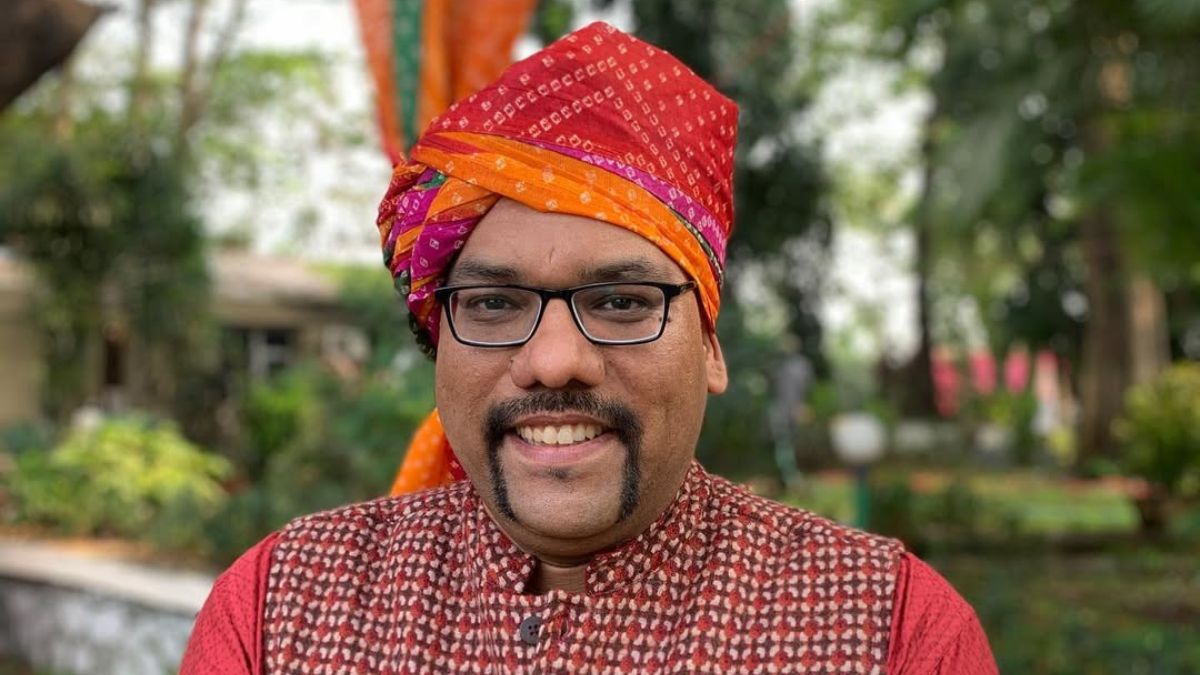
Aloke Bajpai is the co‑founder, Chairman, Managing Director and Group CEO of ixigo, one of India’s most resilient travel technology companies. Born in Allahabad and raised partly in Kenya, Bajpai’s early curiosity in technology and deep belief in India’s potential pulled him back from Europe to build something meaningful in his homeland. Alongside his IIT Kanpur batchmate Rajnish Kumar, he launched ixigo in 2007 as a travel meta‑search engine that later evolved into a full‑blown online travel booking platform serving millions of Indians.
His journey is not a straight climb to success. It’s a human story of dreamers running out of money, surviving financial crises, being doubted by investors, and staying rooted in the idea that technology could make travel easier for everyday Indians. From selling travel tools for bus and train travelers to leading the company through multiple pivots, funding droughts, and a stock market debut, Bajpai’s story reflects persistence, leadership under pressure, and a mission to build for every traveler, not just the elite.
This is the story of how a young engineer’s love for computers and a deep connection to India’s travel spirit created a company that today harnesses artificial intelligence and machine learning to empower millions of journeys each month. It’s a journey marked by human emotion, setbacks, unrelenting belief, and lessons that matter to every founder and builder in India’s startup ecosystem.
1. Background and Early Life
1.1 Roots and Childhood
Aloke Bajpai was born in Allahabad, Uttar Pradesh, into a family that valued hard work, curiosity, and self‑belief. His father, a bank employee with overseas responsibilities, brought the young Aloke to Mombasa, Kenya, where the family lived for over four years. Those early years in a multicultural port city shaped his perspective of the world beyond textbooks. Even as a child, he was different. While other kids might have played in fields, Aloke found himself drawn to technology. At eight, he took a summer course in Apple Macintosh computers. That first encounter sparked something deep in him. He loved the way software could turn ideas into action — especially when it spoke back, literally and figuratively — through speech synthesis and simple games he built.
Standing in classrooms or at home, little did he know that those days learning basic computing in Kenya would foreshadow a future where he would build technology that millions of Indians would rely on to explore the world. Technology, for Aloke, wasn’t just a skill. It became a way to connect humanity with everyday problems.
1.2 The Swades Moment
Upon returning to India, he followed the path machine‑smart students dream of: top grades, tougher exams, and acceptance at IIT Kanpur. He pursued a degree in electrical engineering, graduating in 2001. But unlike many of his classmates who rushed straight into top consulting roles or plush corporate corridors, Aloke maintained a quiet hunger for impact. After graduating, he moved to France to work at Amadeus, a European travel technology company. There he was part of the team building web‑based booking solutions. The role sharpened his technical skills and gave him exposure to building tools that served real people across the world. But something tugged at him from far away — the familiar rhythm of India.
It was an unlikely source that ignited his return: a Bollywood movie. Shah Rukh Khan’s Swades, about an Indian expat returning home to make a difference, struck a chord with him. Bajpai described that moment as transformational, stirring a longing to return to India and use his skillset to create something that mattered for his own people. This emotional pull — pride mixed with purpose — set him on a path that was anything but easy.
1.3 Education and Early Influences
After several years in Europe, Bajpai pursued his MBA at INSEAD, a world‑renowned business school. It was there he refined his leadership instincts and developed a sharper business mindset. These years shaped not just his skills, but his belief that innovation, when grounded in real needs, could transform industries. Before starting ixigo, he worked in India with FinalQuadrant Solutions, building distribution networks and developing business strategies. That stint gave him an on‑the‑ground understanding of Indian markets — a lesson many founders realize they lacked, only after launching their startups.
2. Founder and Company Overview
2.1 Meeting Rajnish Kumar and the Birth of an Idea
Aloke Bajpai didn’t start ixigo alone. His co‑founder, Rajnish Kumar, was his batchmate at IIT Kanpur. Both shared a fascination for technology and a belief that India’s travel ecosystem was fragmented, inefficient, and underserved. They had witnessed firsthand how difficult it was for Indian travelers to access reliable booking options for trains, buses, and flights. In 2007, armed with their combined technical and business expertise, they decided to launch ixigo, a name derived from “I know where I go.” The platform was designed as a travel meta-search engine, aggregating information on flights, trains, and buses to simplify planning for Indian travelers. The vision was ambitious: make travel information transparent, accessible, and actionable for everyone, not just urban elites.
2.2 Understanding ixigo’s Offerings
ixigo started small, offering price comparison and timetable searches. Unlike global players who focused on flights, Bajpai saw the untapped opportunity in train and bus bookings, where millions of Indians relied on inconsistent schedules and unreliable platforms. Over time, ixigo evolved into a full-service travel platform, allowing users to search, compare, and book tickets across trains, buses, and flights, while later adding hotel bookings, travel alerts, and AI-powered recommendations. The product’s simplicity and focus on local travel nuances distinguished ixigo from competitors. Bajpai emphasized that understanding the Indian traveler’s behavior — including last-minute bookings, mobile-first usage, and price sensitivity — was critical to product design.
2.3 Target Audience and Market Served
ixigo’s early focus was tier 2 and tier 3 cities, where travelers had limited access to reliable online tools. By addressing gaps in train and bus booking, the platform tapped into a vast, underserved market. Urban users soon followed, drawn by its user-friendly interface and accurate data. Today, ixigo serves millions of travelers across India, with its mobile app becoming the primary touchpoint for budget-conscious, tech-savvy users seeking convenience in travel planning.
2.4 Launch Year and Early Business Stage
Founded in 2007, ixigo was initially bootstrapped. Bajpai and Kumar leveraged their personal savings, supplemented by small angel investments. The first version of the platform was a lean product, built to validate the idea and test real-world adoption. The founders’ early-stage focus was on understanding user pain points rather than scaling quickly, a philosophy that would guide the company for years.
3. The Problem, Insight, and Trigger
3.1 Identifying the Core Problem
The Indian travel experience in the mid-2000s was fragmented. Information on buses, trains, and flights was scattered across websites, physical counters, and phone lines. Travelers often missed trains or overpaid for tickets, and there was no centralized source of reliable, real-time information. Bajpai recognized that this problem was universal and affected not only urban professionals but millions of middle-class and budget travelers.
3.2 Personal Insight Behind the Idea
Having traveled extensively in Europe and India, Bajpai realized that while international markets had structured travel platforms, India lagged behind. He noticed a pattern of frustration among travelers — missed buses, late ticket confirmations, opaque pricing — and understood that technology could bridge the gap. The insight was simple yet powerful: make travel predictable, convenient, and trustworthy for Indians.
3.3 The Trigger to Start ixigo
The trigger wasn’t a single event but a series of frustrations. A critical moment came when Bajpai observed a train booking failure that disrupted a friend’s business trip. Seeing the real-world impact of fragmented information sparked the idea: build a platform that gives Indian travelers control over their journey. Coupled with Rajnish Kumar’s technical capabilities and Bajpai’s business acumen, the duo decided to take the leap.
4. Early Days and Initial Struggles
4.1 Assumptions and Early Naivety
Like many first-time founders, Bajpai entered entrepreneurship with assumptions about traction and user adoption. They believed that creating a functional search engine for travel would automatically attract users. Reality, however, was harsher. User acquisition was slow, and trust in online platforms for train bookings was limited.
4.2 Entrepreneurial Struggles
The initial struggles were multi-layered. Technically, aggregating reliable train, bus, and flight data was difficult due to inconsistent APIs and unstructured data sources. Operationally, the founders had to manually verify schedules and fares, which was exhausting and time-consuming. Financially, bootstrapping meant every rupee spent was scrutinized, and early salaries were minimal.
4.3 Harder-than-Expected Challenges
Beyond technology and funding, Bajpai discovered the challenge of changing user behavior. Convincing travelers, especially from smaller towns, to trust an online platform over traditional booking counters required persistence. The founders experimented with SMS alerts, customer support calls, and local promotions to build credibility — lessons that shaped ixigo’s early strategy.
5. Failures, Setbacks, and Self Doubt
5.1 The Toughest Phase of the Journey
For Bajpai and Kumar, the initial years were filled with doubt and uncertainty. While their vision was clear, execution proved much harder than anticipated. Investors often dismissed the idea, citing India’s fragmented travel ecosystem and low internet penetration in tier 2 and tier 3 cities. Some even suggested that focusing solely on flights would be easier, but Bajpai believed in serving every type of traveler, not just urban elites. The duo faced nights of sleepless planning, trying to optimize operations while keeping the platform functional. They had to personally call bus operators, verify train schedules, and respond to frustrated users, often questioning whether this dream was achievable.
5.2 Early Failures and Setbacks
ixigo experienced product failures, technical glitches, and user trust issues. Early versions of the mobile app crashed frequently, ticket confirmations were delayed, and some partnerships with travel operators fell through. Each failure brought a wave of anxiety. There were moments when funds ran perilously low, and the founders had to dip into personal savings to keep the platform alive.
One notable setback came when a major bus operator pulled data access, leaving thousands of users unable to book tickets. The incident forced the team to rethink data sourcing strategies and build redundancy, which consumed weeks of engineering time and added stress to the team.
5.3 Moments of Self-Doubt and Emotional Lows
Bajpai often reflects on this phase as emotionally taxing. There were moments when the founders questioned their decision to return from Europe, where career paths were secure, to chase a risky dream in India. Bajpai describes walking home from office at 2 a.m., thinking, “Is this the right choice? Are we equipped to solve this?”
Yet, it was precisely these lows that built resilience. The founders realized that perseverance, focus on user needs, and small incremental improvements were more powerful than immediate success.
6. Validation and Early Traction
6.1 First Real Validation
The turning point came when ixigo successfully processed its first train ticket bookings through its online platform. Unlike any other, ixigo’s solution offered real-time fare comparisons, accurate timings, and a seamless mobile experience. User appreciation started trickling in, signaling that their product truly solved a pressing problem.
6.2 Early Revenue Growth and Feedback
Even small wins mattered. Revenue grew slowly but steadily, with repeat users becoming brand advocates. Bajpai recalls an early moment when a user from a tier 2 city emailed praise for saving hours of travel planning. That feedback was more than motivation; it was a validation that technology could genuinely empower Indian travelers, even those unfamiliar with online booking.
Early adoption in non-metro cities helped ixigo build a loyal customer base. Word-of-mouth promotion from happy travelers proved invaluable, especially given limited marketing budgets.
6.3 Changing Beliefs Through Validation
These small successes transformed Bajpai’s mindset. What began as a hopeful experiment became a mission. The validation strengthened belief in two principles: first, technology must adapt to user behavior, not the other way around; second, trust and reliability are the most critical assets in a travel business.
7. Funding, Money, and Growth Constraints
7.1 Bootstrapped Beginnings and Investor Skepticism
ixigo began its journey bootstrapped, with the founders investing personal savings. Initially, raising external capital was difficult, as investors questioned whether an Indian travel platform could scale given infrastructure and behavioral challenges. Bajpai notes, “We were often asked why we weren’t building for Europe or the US. Convincing people to believe in India’s travel market was the first fundraising battle.”
7.2 Capital Challenges and Cash Flow Issues
Running a platform that handled payments, ticket confirmations, and customer service required cash flow management skills that Bajpai had to learn on the fly. There were months when server costs and staff salaries stretched budgets to the limit. The founders often had to prioritize critical operations over expansion, delaying product features they had envisioned.
7.3 Early Growth Limitations
Even as user traction increased, growth was constrained by capital and operational bandwidth. The team had to make tough choices, such as focusing on train and bus ticketing before flights and hotels, because overextending would have compromised service quality. These constraints taught Bajpai that measured growth beats rapid expansion when building a user-centric product.
8. Team Building and Leadership Evolution
8.1 Early Hiring Mistakes
In ixigo’s early years, Bajpai learned the hard way that building the right team is as important as building the right product. Initial hires were often based on skill alone, without enough focus on cultural fit. Some engineers and support staff left within months, frustrated by the unpredictable pace and pressure. These experiences taught him that trust, shared vision, and adaptability were non-negotiable traits for team members. Bajpai later emphasized hiring for attitude first and aptitude second, ensuring that the core team shared the founders’ passion for transforming Indian travel.
8.2 Delegation Challenges
As the company grew, Bajpai had to learn to delegate decisions effectively. Initially, he tried to oversee every feature, every ticket, every call. While this worked in a tiny team, it created bottlenecks as the platform expanded. Learning to empower middle managers and trust domain experts became a turning point in his leadership journey.
8.3 Leadership Learnings Over Time
Over time, Bajpai evolved into a leader who balances vision with empathy. He actively encourages cross-functional collaboration, ensures open communication, and fosters a fail-fast, learn-fast culture. By 2015, ixigo had grown into a multi-city operation, and the leadership evolution was critical in sustaining growth and employee morale.
9. Growth, Scaling, and Operational Challenges
9.1 Brand Positioning and Go-to-Market Learnings
ixigo’s early success in trains and buses allowed it to build credibility among Indian travelers. Bajpai focused on clear brand messaging: ‘I know where you go’, emphasizing reliability and simplicity. Marketing was data-driven, frugal, and focused on word-of-mouth, leveraging the trust of early users to expand organically.
9.2 Scaling Challenges
As traffic surged, ixigo faced technical challenges in scaling servers, integrating multiple travel APIs, and managing large volumes of real-time data. Bajpai recalls moments when the system crashed during peak booking hours, causing user frustration. Each incident prompted investments in robust infrastructure and predictive algorithms, shaping ixigo’s future resilience.
9.3 Operational Breakdowns and Fixes
Operationally, expanding to buses, flights, and hotels introduced complexities in reconciliations, partner relationships, and payment settlements. The founders instituted structured processes, regular audits, and automated reporting, ensuring scalability without compromising service quality.
10. Personal Sacrifices and Burnout
10.1 Personal Costs of Entrepreneurship
Running a fast-growing startup came with a personal toll. Bajpai worked 16–18 hours a day, often skipping family events, meals, and vacations. Friends and relatives sometimes questioned his obsessive commitment. He admits, “In the early years, it felt like every decision, every failure, rested solely on our shoulders.”
10.2 Burnout Phases and Emotional Pressure
There were moments of deep exhaustion. Handling technical glitches, investor pressure, and user complaints simultaneously created emotional strain. Bajpai emphasizes that founders must acknowledge stress, delegate responsibilities, and seek support, otherwise burnout can derail even the strongest vision.
10.3 Impact on Personal Life
Despite the intense schedule, Bajpai remained grounded in his values and priorities. He often used small breaks to travel with family or read, seeking moments of clarity. These tiny anchors prevented personal life from completely collapsing under professional pressure.
11. Lessons, Beliefs, and Values
11.1 Core Lessons Learned
Aloke Bajpai’s journey with ixigo is a study in patience, resilience, and relentless focus on the user. Through the highs of funding rounds and the lows of operational hiccups, he realized that success isn’t born from sudden breakthroughs, but from consistent, thoughtful execution.
Every failure taught him something invaluable: a product feature that didn’t resonate became a lesson in understanding user behavior; a customer complaint became data for refinement and innovation. Bajpai emphasizes that building a platform used by millions of travelers requires not just technology, but the ability to listen, iterate, and adapt continuously. His philosophy shows that a startup’s growth is inseparable from the depth of understanding its users.
11.2 Beliefs That Changed Over Time
Early in ixigo’s journey, Bajpai believed that technology alone could solve travel pain points. Over time, he realized that the human element—behavioral patterns, cultural habits, and operational realities—was equally vital. For example, a train booking feature that worked perfectly in a controlled environment failed in smaller towns where users had limited internet access or unique payment habits. These experiences reshaped ixigo’s approach, leading to design choices and product flows tailored to the realities of real Indian travelers. Bajpai’s evolving beliefs illustrate a key principle: technology must serve people, not the other way around.
11.3 Non-Negotiable Values
Bajpai’s values form the backbone of ixigo’s culture. Trust, transparency, and empathy are non-negotiable, guiding every interaction with customers, partners, and employees. He also prioritizes team well-being, understanding that motivated, supported, and happy employees are the engine of sustainable growth. Bajpai believes that metrics alone—be it revenue or market share—cannot create lasting success. Instead, companies that balance human-centric values with business objectives are more resilient and capable of enduring the ups and downs of a volatile market.
12. Present Challenges and Future Vision
12.1 Ongoing Struggles Today
Despite ixigo becoming a household name in India, challenges persist. The travel tech sector is intensely competitive, with new startups constantly entering the market, evolving regulations, and user expectations that shift rapidly. Bajpai continuously monitors trends, ensuring ixigo stays ahead through AI-powered personalization, predictive insights, and thoughtful service expansion.
Real-world challenges—from managing load spikes during festival seasons to optimizing mobile experiences in rural areas—test the company’s operational resilience. Bajpai treats each obstacle as an opportunity to learn, iterate, and strengthen ixigo’s core offerings, reinforcing the company’s commitment to travelers nationwide.
12.2 Current Leadership Philosophy
Bajpai’s leadership today blends vision with pragmatism. Decisions are data-backed, but not devoid of empathy. He mentors the next generation of leaders, fostering a culture of experimentation, accountability, and collaboration.
Rather than chasing short-term wins, he focuses on building long-term loyalty—both with customers and employees. This approach has allowed ixigo to navigate volatile markets, maintain a strong brand reputation, and retain user trust, even as competitors try to lure customers with aggressive pricing or flash campaigns.
12.3 Long-Term Vision
At the heart of Bajpai’s vision is a belief in making travel seamless and inclusive for every Indian. He sees ixigo not just as a ticketing platform, but as a holistic travel ecosystem that combines predictive insights, intelligent recommendations, and real-time updates to empower travelers.
His vision extends beyond convenience: by connecting users with local businesses, optimizing travel choices, and personalizing journeys, ixigo aims to transform India’s mobility landscape. Bajpai’s ambition is deeply human—he wants every traveler, regardless of city or socio-economic background, to experience the confidence and ease of planning travel, supported by a platform they trust.
About foundlanes.com
foundlanes.com is India’s leading startup idea and deep-dive platform built for founders, operators, and serious entrepreneurs. We go beyond surface-level advice to deliver grounded, research-backed, and experience-driven startup content.
Every guide on foundlanes.com is designed to help readers think clearly, act strategically, and build sustainably. This cloud kitchen startup guide is part of our mission to document real business pathways in India’s evolving startup ecosystem.