Summary
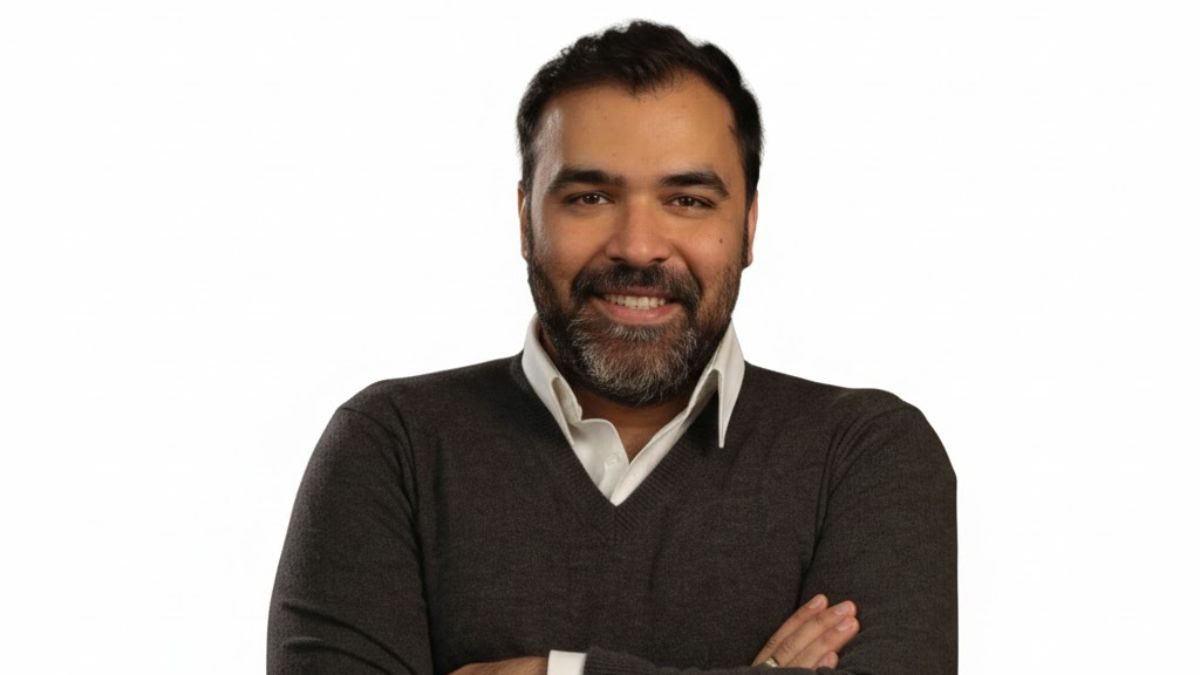
Anirudh Pandita has quietly become one of the most influential voices in India’s digital entertainment and gaming evolution. As the co‑founder of Loco, he stands at the intersection of community, creator culture, and a new generation of gaming engagement that transcends screens and social boundaries. Pandita helped design and build one of the country’s earliest and fastest‑growing gaming livestream platforms, leveraging a deep understanding of digital behaviour, entertainment tastes, and social interaction patterns.
Loco launched in the late 2010s as a live game streaming and esports destination, timed perfectly with the explosion of mobile internet, affordable smartphones, and a rapidly growing youth gaming population in India. Its mission was clear: transform gaming from isolated individual play into a shared spectator experience, while building a creator‑driven entertainment ecosystem where anyone could broadcast gameplay and connect with an audience. Under Pandita’s leadership, the platform hosted national championships and major gaming moments, becoming a cornerstone of India’s esports ecosystem.
Before Loco, Pandita co‑founded Pocket Aces, a content production house that became one of South Asia’s largest socially distributed media networks. This earlier chapter sharpened his instincts for engaging digital audiences and building scalable creator economies, lessons he carried into Loco’s design and growth. Throughout this story, we explore Pandita’s upbringing, education, professional journey, the birth of Loco, challenges he faced in shaping India’s gaming narrative, setbacks and self‑doubt, early validations, team building, monetization struggles, personal sacrifices, leadership evolution, and his vision for the future of gaming and community‑driven platforms in India and beyond.
1. Background and Early Life
Details about Anirudh Pandita’s early childhood and family background are not part of public documentation. What is well documented is his academic and early professional formation, which laid the groundwork for his entrepreneurial approach. Pandita pursued a Bachelor of Science in Electrical Engineering from University of Illinois at Urbana-Champaign, an institution known for producing technically adept graduates who blend engineering with real‑world problem solving. Following his undergraduate studies, he broadened his knowledge of finance and strategic decision‑making by completing an MBA in Finance from Wharton School at the University of Pennsylvania. These academic experiences provided him with both technical and business foundations, equipping him to navigate complex ecosystems where technology, audiences, and monetization intersect.
His early professional journey before entrepreneurship included stints in global finance. Pandita worked in investment banking and private equity roles across cities like New York, London, and Dubai. He held positions at Goldman Sachs, Bank of America, and other financial institutions, where he developed analytical skills and exposure to global market dynamics. These early experiences helped shape his perspective on scaling businesses and understanding complex industries a perspective that would later be invaluable in building digital media ventures.
The cultural memory of these environments high stakes decision‑making, financial discipline, and complex product evaluation would become a recurring theme in Pandita’s entrepreneurial instincts as he transitioned into building consumer‑facing companies.
2. Founder and Company Overview
2.1 Who Is Anirudh Pandita?
Anirudh Pandita is a serial entrepreneur, investor, and creative strategist whose ventures straddle both digital content and gaming entertainment. His name resurfaced in national business narratives when he became the co‑founder of Loco, a homegrown Indian platform that democratizes gaming entertainment through livestreaming and community building. Before Loco, his work at Pocket Aces made him one of the youngest leaders shaping digital media content in South Asia, as the company’s channels amassed billions of video views across social platforms.
As a voice advocating the growth of gaming culture in India, his views frequently touch on how technology is reshaping entertainment, community interaction, and even global sports narratives. He has emphasised that gaming is not just play it is community, shared culture, identity formation, and eventually, livelihood for creators and streamers alike.
2.2 What Is Loco?
Founded by Pandita alongside co‑founder Ashwin Suresh, Loco is India’s first major live game streaming and esports platform tailored to South Asian audiences. Officially launched in 2018 after originating under the umbrella of Pocket Aces, Loco offers a mobile and web destination where gamers broadcast gameplay, share livestreams, engage with communities, and participate in esports events. Loco has earned backing from major investors including South Korea’s Krafton Inc. and gaming funds such as Hashed and Lumikai, reflecting its potential in an expanding global entertainment category.
Today the company operates as an independent entity with headquarters in Mumbai, India, and has expanded its reach to serve global audiences and creators. It supports streaming for popular titles including Free Fire, Call of Duty Mobile, and Valorant, contributing significantly to the rise of local gaming stars and broader creator culture.
2.3 Market and Offerings
Loco’s target audience includes mobile and console gamers, esports fans, and digital creators who want to broadcast gameplay and build communities. Unlike passive video platforms, Loco’s live model enables interactive engagement between streamers and viewers, fostering real‑time conversations, fan participation, and shared competition experiences.
The platform also serves publishers and brands looking to partner for events, tournaments, and co‑branded content. By bridging gamers, creators, and commercial stakeholders, Loco has created a dynamic ecosystem where entertainment, engagement, and monetization co‑exist.
3. The Problem, Insight, and Trigger
When Pandita and his co‑founders entered the gaming space, India’s gaming community was already growing rapidly thanks to cheap data and affordable smartphones. Yet there was a glaring gap: gaming remained fragmented, with players distributed across platforms and little infrastructure for spectatorship, community building, or interactive engagement. Most storytelling around games happened on video‑on‑demand platforms or isolated chats, but nothing embodied the communal energy of gameplay in real time.
Pandita recognized that gaming isn’t just about playing; it is about sharing experiences. Watching others play skilled matches, hearing audience reactions, and participating in live conversations had become a fundamental part of what gaming meant to a new generation. This insight mirrored broader global trends where gaming livestream platforms were becoming central nodes of entertainment and social connection. The trigger for building Loco was not a single moment but an observed shift. Pandita and his co‑founders noticed that users today want more than passive content. They want community. They want participation. And they want spaces where they can belong. This gap between isolated play and communal experience inspired the platform’s core design.
A catalyst for Loco’s evolution came during the early days of the pandemic, when gaming and internet consumption surged. The conditions were perfect: millions of new gamers, abundant connectivity, and a cultural moment primed for digital community platforms. What once seemed like a niche idea live interactive game streaming suddenly became indispensable to many Indian gaming communities. Thus, Loco was built not merely as an entertainment product but as a cultural platform where creators, communities, and real‑time interaction converge.
4. Early Days and Initial Struggles
Launching Loco was not a straightforward path. While Anirudh Pandita had prior experience with Pocket Aces, creating a platform that combined live streaming, esports, and community engagement in India presented unique challenges. Internet speeds in Tier 2 and Tier 3 cities were inconsistent, monetization channels were still nascent, and gamer habits were evolving rapidly.
Initially, the founders assumed that gamers would quickly embrace the platform without extensive onboarding or guidance. They underestimated the learning curve for both content creators and casual viewers. Some early streamers struggled to broadcast effectively, while audience engagement was inconsistent. Pandita realized that technology alone could not guarantee adoption; human support and community-building initiatives were critical.
Another early struggle was content licensing and partnerships. The Indian gaming ecosystem was fragmented, and many popular titles required navigating international licensing agreements. Negotiating these deals with limited resources tested the team’s patience and strategic agility. Despite these hurdles, the founders maintained focus on user experience. They iterated constantly, learning from failed livestreams, slow adoption in certain cities, and tech glitches. These lessons helped shape Loco’s hybrid approach of combining a robust platform with direct creator support and community management.
5. Failures, Setbacks, and Self-Doubt
Entrepreneurship often comes with emotional highs and lows, and Pandita’s journey was no exception. Early setbacks included slow user acquisition, technical bugs that disrupted streams, and skepticism from investors unfamiliar with India’s gaming potential. For months, the team juggled product development, operational firefighting, and community management with limited resources. Pandita has spoken about periods of self-doubt where the long hours and uncertain revenue streams made him question whether Loco could scale. Several early pilots with popular gaming titles underperformed, creating pressure to pivot quickly. The risk of losing credibility with both creators and the emerging esports audience weighed heavily.
One notable setback involved a major partnership that fell through due to regulatory and licensing hurdles. The collapse of this deal delayed planned tournaments and growth campaigns, forcing the team to rethink how they approached partnerships. However, Pandita used these moments to emphasize learning from failure and strengthening contingency planning. These periods of uncertainty also shaped leadership style. Pandita learned the importance of transparency with the team, sharing challenges openly while motivating them to persist. The resilience cultivated during this phase became a defining characteristic of his entrepreneurial approach.
6. Validation and Early Traction
The first signs of real validation came when Loco hosted its initial live tournaments and saw engagement metrics exceed expectations. Viewers began actively participating in chat, sharing streams, and returning to the platform repeatedly. Early streamers experienced audience growth, and word-of-mouth referrals helped expand the user base organically. A particularly important milestone was hosting the first India-wide competitive gaming event that drew thousands of live viewers. The success demonstrated that the Indian market was ready for esports and interactive live streaming, reinforcing the founders’ vision. Revenue, initially modest, started to grow through sponsorships, in-app events, and brand collaborations.
Pandita recalls that this validation moment solidified belief in the business model. It proved that the hybrid approach combining technology with creator support and community engagement resonated with both streamers and audiences. This feedback loop became central to the company’s iterative development strategy.
7. Funding, Money, and Growth Constraints
In the early stages, Loco was bootstrapped using resources from Pocket Aces and personal investments from the founders. Capital was constrained, requiring careful allocation toward product development, technology infrastructure, and initial creator incentives. The team eventually raised seed funding from investors including Krafton Inc., a strategic backer that also owns PUBG. This partnership provided not only capital but credibility and access to global gaming insights. Subsequent funding rounds included investments from early-stage funds like Lumikai and Hashed, enabling more ambitious expansion and talent acquisition.
Cash flow management remained a challenge. Live streaming platforms require consistent investment in servers, bandwidth, moderation, and creator incentives. Pandita emphasized strategic prioritization, focusing on features and events that would deliver the highest engagement per dollar spent. This disciplined financial approach allowed Loco to scale sustainably despite initial capital constraints.
8. Team Building and Leadership Evolution
Building the right team was critical for Loco’s growth. Early hiring mistakes included underestimating the complexity of community moderation and overestimating technical skill sets for live streaming demands. Pandita learned to balance technical, operational, and creative hires, ensuring the team could execute both product development and creator support efficiently. Leadership evolution was shaped by necessity. Pandita transitioned from being deeply involved in day-to-day operations to focusing on strategy, vision, and external partnerships. He cultivated a culture of mentorship, encouraging senior team members to take ownership while maintaining alignment with the company’s core philosophy of community-driven gaming.
Delegation proved challenging initially, particularly during live events where split-second decisions were required. Over time, Pandita implemented structured processes and empowered regional managers and technical leads to make autonomous decisions. This distributed leadership approach became crucial as Loco expanded into Tier 2 and Tier 3 cities across India. The team-building strategy also emphasized creator support. Dedicated creator success managers ensured streamers could navigate technology, understand monetization, and grow their audiences. By embedding support into the organizational DNA, Pandita ensured Loco scaled alongside its community, maintaining quality even during rapid growth.
9. Growth, Scaling, and Operational Challenges
As Loco gained traction, scaling the platform presented new operational complexities. Streaming infrastructure had to support thousands of simultaneous viewers, which required robust servers and low-latency solutions. Pandita prioritized technology investments to ensure streams remained stable during high-traffic events like tournaments or celebrity streamer sessions. Brand positioning evolved from being a niche gaming tool to a broader Indian gaming startup growth brand. Marketing campaigns highlighted not just gameplay but community interaction, competitive spirit, and creator empowerment. Loco’s events strategy, including collaborative tournaments and influencer partnerships, helped the platform differentiate from global competitors attempting to enter India.
Operationally, moderating live chat, enforcing content guidelines, and managing creator disputes became major challenges. Pandita introduced structured workflows and AI-assisted moderation while maintaining human oversight. Scaling required balancing automation with personalized support, particularly for creators in Tier 2 and Tier 3 cities, where digital literacy varied widely.
10. Personal Sacrifices and Burnout
Building Loco demanded extreme commitment. Pandita often worked 14–16 hour days, balancing technology development, community engagement, investor relations, and strategic partnerships. Personal life took a backseat, and moments of burnout were frequent, especially during critical launches and high-stakes tournaments.
Pandita has openly shared that the emotional pressure of managing growth, retaining talent, and ensuring creator satisfaction tested his resilience. Early periods of self-doubt coincided with technical failures or delayed events, amplifying stress. Yet, these challenges reinforced his belief in disciplined routines, delegation, and the importance of mental health support within the company culture.
11. Lessons, Beliefs, and Values
Several lessons emerged from Pandita’s journey:
- Community drives sustainable growth. Platforms must empower users and creators, not just deliver content.
- Technology must be human-centric. Automation is valuable, but personalized support remains essential.
- Resilience and adaptability define entrepreneurial success. Early failures inform better systems, processes, and culture.
- Long-term vision must guide short-term execution. Pandita consistently emphasized aligning product decisions with the platform’s mission to build India’s esports and live gaming ecosystem.
Core beliefs include a commitment to creator-first principles, transparency with the team, and fostering a culture where learning from failure is celebrated. Pandita maintains that values, not just metrics, have guided Loco’s sustained growth.
12. Present Challenges and Future Vision
Today, Loco faces a competitive landscape with both global and domestic streaming platforms entering India. Pandita remains focused on sustaining creator engagement, increasing monetization opportunities, and expanding into new esports verticals.
The long-term vision involves building an integrated ecosystem where creators, brands, and viewers coexist sustainably. Pandita continues to obsess over how to make gaming both a social and financial opportunity for creators, while growing India’s presence in global esports. Future expansion may include more structured esports leagues, gamified social features, and deeper integration with educational content to develop professional gaming skills among young users.
About foundlanes.com
foundlanes.com is India’s leading startup idea discovery platform. It helps entrepreneurs find actionable startup opportunities, market insights, and industry-specific guidance to turn ideas into real businesses. With deep research and practical resources, foundlanes supports founders at every stage, from idea validation to launch and growth.