The Invisible Pain That Demanded Attention
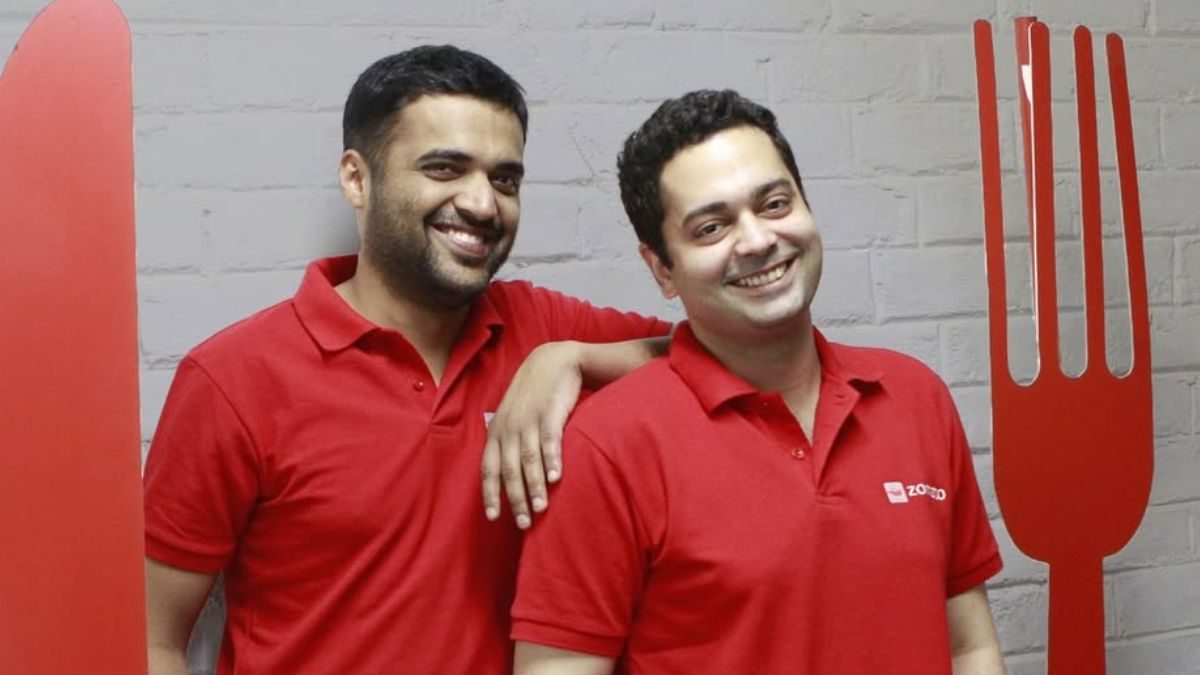
Meet Deepinder Goyal & Pankaj Chaddah, Zomato Founder—not as billion-dollar entrepreneurs, but as two young engineers who first noticed something most people ignored: inefficiency.
In 2008, inside the corporate offices of Bain & Company in Gurgaon, Deepinder watched employees struggle with something as mundane as ordering lunch. Menus were scattered. Information was inconsistent. Decisions were delayed. Frustration silently accumulated.
For many, this was trivial. For Deepinder and Pankaj, it was unbearable. That quiet irritation became the seed for a platform that would transform India’s food landscape.
What followed was not glamour. It was uncertainty, struggle, and relentless nights spent scanning menus, convincing skeptical restaurant owners, and patching together a solution nobody asked for—but everyone would eventually need. From Foodiebay to Zomato, their journey reflects a truth about Indian entrepreneurship: success is built not just on ideas, but on enduring invisible pressure long before anyone applauds.
1. Background and Early Life
1.1 Deepinder Goyal: Growing Up with Structure and Restraint
Deepinder Goyal grew up in a middle-class household in Punjab, where rules were respected and risk was discouraged. Achievement was defined narrowly: academic excellence, a stable job, and no deviation from the expected path. Intelligence was nurtured, but curiosity beyond the safe was rare. Yet Deepinder quietly cultivated it. He observed patterns others overlooked, and he questioned processes people accepted blindly.
1.2 Academic Formation and Early Influences
Goyal cracked IIT Delhi, studying Mathematics and Computing. There, brilliance was normalized; competition was constant. What stood out to him was not raw intelligence, but initiative—the courage to act when others waited. This mindset, combining analytical rigor with impatience for inefficiency, would become the foundation of Zomato.
1.3 Pankaj Chaddah: The Complementary Mind
Pankaj Chaddah also came from a disciplined, middle-class background. Practical, steady, and observant, he approached problems differently. Where Goyal leaned toward vision, Chaddah excelled at execution.
Their contrast was subtle but critical: one imagined the platform, the other ensured it survived.
2. Founder and Company Overview
2.1 Two Engineers, One Persistent Frustration
Meet Deepinder Goyal & Pankaj Chaddah, Zomato Founder—two people who did not start with ambition, but with irritation. They didn’t seek to disrupt India’s food industry. They wanted clarity in something mundane, a problem they experienced personally. This restraint would define Zomato’s early identity: simple, useful, and credible.
2.2 Foodiebay: From Menu Scans to Consumer Platform
The first iteration, Foodiebay, was humble. It hosted scanned menus online. No branding. No fundraising. flashy tech. Yet it addressed a pain that was universal: finding what to eat without wasted time.
2.3 The Market They Entered Accidentally
India’s restaurant ecosystem was chaotic. Fragmented menus, inconsistent service, missing information. Consumers had to navigate guesswork.
By organizing menus online, Zomato created an unintentional platform of trust, long before trust became a startup cliché.
3. The Problem, Insight, and Trigger
3.1 A Problem Invisible to Others
The friction wasn’t in food. It was in information. Every lunch hour, employees struggled to decide. Menus were outdated. Prices fluctuated. Choices were opaque. For most, inconvenience was normal. For Goyal and Chaddah, it was intolerable.
3.2 The Insight That Refused to Leave
The founders noticed a pattern: inefficiency leads to frustration, and frustration creates opportunity. This wasn’t about being entrepreneurial. It was about responding to something that annoyed them persistently.
3.3 Acting Without Permission or Plan
They had no investors, no playbook, no guarantee. Only a quiet decision: fix the problem and see what happens. Sometimes, starting without knowing is the hardest—and bravest—step.
4. Early Days and Initial Struggles
4.1 Naivety as Fuel
The first months were powered by ignorance. If they had understood how hard scaling would be, they might have quit. Instead, naivety became courage.
4.2 Convincing the Skeptics
Restaurants were resistant. Why would anyone need menus online?
Goyal and Chaddah visited establishments personally, explaining, persuading, convincing. Rejection became routine, almost ritualized.
4.3 Operational Reality Hits
Menus changed constantly. Prices updated daily. Restaurants opened and closed unexpectedly. Maintaining accuracy became a full-time obsession. Trust, they realized, required work that never ended.
5. Failures, Setbacks, and Self-Doubt
5.1 The Quietest Lows
There were months with little growth. Weeks where no new restaurants signed up. Days when they questioned if they should continue. Success felt distant. Visibility was zero. Pressure was constant.
5.2 Emotional Weight of Uncertainty
This was not failure that made headlines. It was failure felt in silence. Weeks passed in unseen effort. Nights filled with anxious calculations and quiet doubt. The weight stayed private. Both founders carried it alone, without applause or sympathy. Outsiders saw little of the strain. Yet the pressure was constant, personal, and deeply felt. It tested resilience more than any public setback ever could.
5.3 The Pervasive Question
Was this worth it? The repeated internal question never left. Yet they kept scanning menus, updating pages, and answering emails—alone and determined.
6. Validation and Early Traction
6.1 The First Signs That It Worked
Users started returning. Not because they were paid to, not because there was hype, but because they found clarity and consistency. This was validation in its purest form: voluntary adoption.
6.2 Restaurants Notice the Change
Some restaurant owners began to see the value. Customers referenced Zomato before ordering. Footfall and inquiries started to reflect online presence. This subtle recognition was enough to instill belief.
6.3 Belief Replaces Doubt
For the first time, Goyal and Chaddah felt a shift. This was no longer a small experiment or a side project. Demand was rising fast. Users were returning. Restaurants were committing time and trust. Orders showed clear patterns. The idea had crossed a line. It was becoming real. What began as a test now showed scale, direction, and momentum. In that moment, they understood this could grow into something lasting, not just another short-lived startup attempt.
7. Funding, Money, and the Weight of Expectations
7.1 The First Venture Money That Changed Everything
When Zomato raised its first round from Info Edge, the atmosphere shifted. Suddenly, the founders were no longer only accountable to themselves. Every decision carried the weight of someone else’s capital.
The room was full of possibility—but also quiet tension. Funders believed in their idea, yet expected speed, scale, and returns. With funding came an invisible pressure, heavier than the cash itself.
7.2 Capital Amplifies Anxiety
Funding gave them the ability to expand—but it didn’t give them clarity. Every city expansion became a calculated risk. Some paid off. Others drained resources with no visible result. Mistakes no longer felt personal—they were now public, expensive, and amplified by investor expectations. Goyal recalls nights spent staring at spreadsheets, imagining worst-case scenarios, unable to sleep.
7.3 Learning That Money Isn’t a Cure
Despite capital injections, uncertainty persisted. Even when Zomato seemed to grow, nothing felt guaranteed. They learned early that money accelerates both success and chaos, and survival required emotional endurance, not just cash.
8. Team Building and Leadership Evolution
8.1 Early Hiring Mistakes
In the rush to scale, Zomato hired rapidly. Some hires fit the vision, others did not. Some were brilliant on paper but lacked grit, empathy, or alignment with the company’s culture. The founders had to unlearn pride and fire early hires—painful, humbling, but necessary.
8.2 Delegation: Trusting Without Losing Control
Deepinder Goyal struggled with delegation. Every decision felt personal. Letting go meant risking failure—but staying in control meant bottlenecking the organization. Learning to trust leaders while maintaining product integrity became a painful, years-long lesson.
8.3 Leadership That Survives Pressure
Over time, Goyal’s leadership evolved. Less impulsive, more measured. Less ego, more empathy. Culture wasn’t just written on slides; it was modeled daily. He learned that leadership is endurance as much as vision.
9. Growth, Scaling, and Operational Chaos
9.1 When Discovery Couldn’t Sustain Growth
Zomato’s early model—restaurant discovery—had a ceiling. Engagement plateaued. They needed more frequent interactions to survive in the venture-backed ecosystem.
9.2 Entering Food Delivery: A Hard Pivot
The food delivery pivot was not glamorous. It was survival. Logistics were brutal. Margins were razor-thin. Operations were unforgiving. Every delayed order, misplaced meal, or angry customer felt like a personal failure to the founders. This wasn’t a pivot—it was a test of stamina.
9.3 Operating in Daily Chaos
Operational complexity multiplied. Complaints surged. Cash burn increased. Decision fatigue became constant. Deepinder and his team absorbed stress silently, often working alone late into the night, unsure if their fixes were enough.
10. Personal Sacrifices and Burnout
10.1 The Physical and Emotional Toll
Years of relentless growth took a visible toll. Sleep was scarce. Anxiety was constant. Emotional resilience was tested daily. Founders don’t talk about it publicly, but burnout is real. The work becomes all-consuming, and personal life recedes into shadows.
10.2 Public Scrutiny and Private Pressure
Zomato’s growth attracted headlines, social media criticism, and investor scrutiny. Mistakes were amplified. Praise was rare. The founders learned to carry pressure silently. To act decisively even when unsure. To endure alone.
10.3 The Personal Life That Waited
Relationships were tested. Personal time was sacrificed. Every milestone achieved felt bittersweet because it came at personal cost. They realized that building a company that millions rely on comes with invisible debt.
11. Lessons, Beliefs, and Values
11.1 Resilience Over Brilliance
The founders realized that survival mattered more than raw genius. Ideas could fail, and plans could change. What truly separated winners was persistence. They stayed through doubt, slow growth, and uncertainty. While others quit early, they adapted and learned. Each setback strengthened resolve. Over time, consistency beat brilliance. Endurance became their edge. That willingness to continue, even without clarity, proved to be the real differentiator in the journey.
11.2 Discipline Over Optimism
Early optimism slowly gave way to discipline. Rapid growth looked exciting, but it carried hidden risks. Scaling without profitability felt tempting, yet it was unsustainable. The founders paused and reassessed priorities. They focused on unit economics and long-term stability. Careful decisions replaced impulsive moves. As a result, thoughtful scaling took center stage, ensuring the business grew with control, resilience, and a clear path to sustainable success.
11.3 Non-Negotiables That Guided Decisions
Transparency, customer obsession, and operational rigor became non-negotiable principles. Even when these choices felt uncomfortable or unpopular, the founders stood firm. Clear communication built credibility. Customer focus strengthened loyalty. Operational discipline reduced risk. Together, these values protected trust during tough phases and steady growth periods alike. Over time, this commitment created long-term stability and resilience, proving that strong fundamentals matter more than short-term approval.
12. Present Challenges and Long-Term Vision
12.1 The Struggle That Persists
Profitability remains fragile despite progress. Competition grows more intense each quarter. New rivals emerge, while existing players push harder. Margins face constant pressure. Costs demand tight control. Every quarter feels like a stress test for strategy, execution, and endurance. The team measures success carefully, knowing that one misstep can undo gains. In this environment, focus and discipline matter more than celebration.
12.2 Leadership Philosophy Today
Deepinder Goyal leads with clarity and restraint. Fewer experiments, more focus. Experience tempers urgency. Decisions are made for longevity, not applause.
12.3 Obsession That Remains
The obsession hasn’t changed: make everyday consumption simpler, reliable, and seamless. Build trust with users and partners. Reduce friction in a world full of chaos. Zomato is no longer only about menus or delivery—it’s about a commitment to dependability in everyday life.
Future Outlook: The Quiet Power Behind Zomato
Meet Deepinder Goyal & Pankaj Chaddah, Zomato Founder, not as icons, but as survivors. Their story is not just about a food-tech unicorn. It is about endurance, patience, and silent courage. It is about listening to problems others ignore and persisting long enough to solve them. Zomato’s journey reminds us that Indian startup success is rarely instantaneous. It’s painstaking, personal, and profoundly human.
The FoundLanes View
At foundlanes, Culture Circle’s journey stands out not just for its headline-grabbing numbers but for what it reveals about building modern Indian startups—where trust, verification, and transparency can drive rapid adoption, even as losses widen. The Culture Circle 10x revenue growth reflects a clear market insight executed at speed, alongside the inevitable pressure of scaling through heavy spending on technology, hiring, and marketing. Stories like this matter because they show entrepreneurship as it truly unfolds: fast, demanding, and full of trade-offs, where short-term financial strain is often the price paid for long-term relevance and scale.