Summary
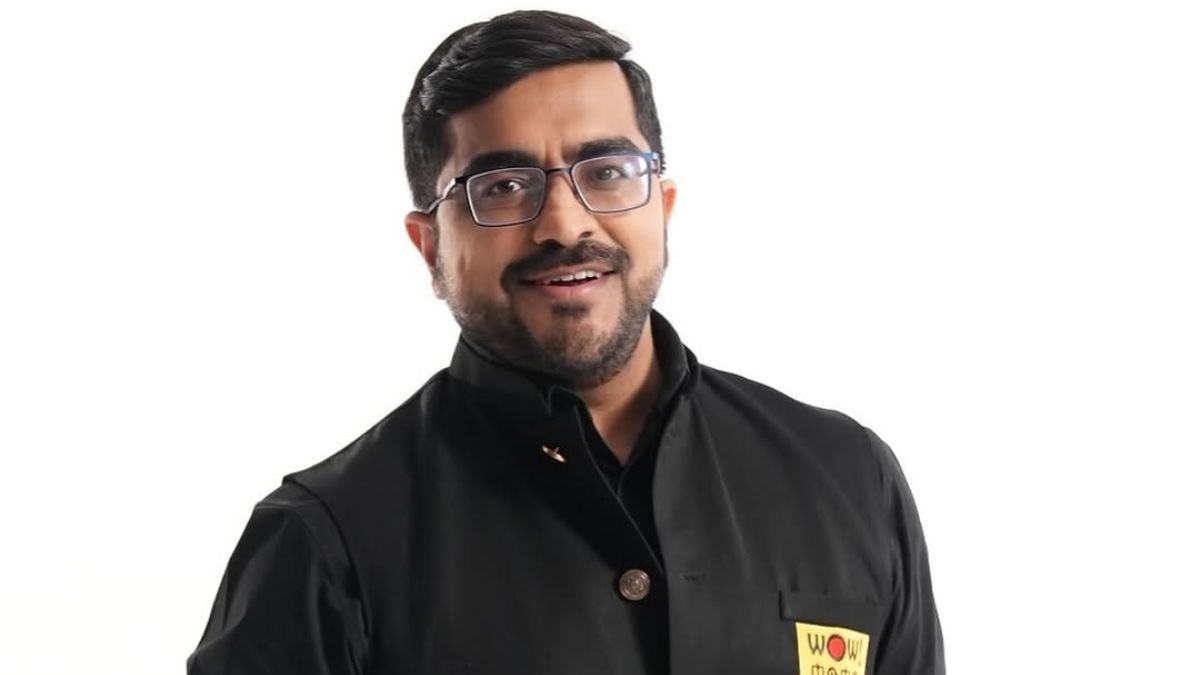
In 2008, a young commerce graduate from Kolkata with a borrowed ₹30,000 stood at a small kiosk inside a busy hypermarket with nothing but a tray of freshly steamed momos and an unshakable belief in his idea. That young man was Sagar Daryani, co-founder and CEO of Wow! Momo, the one-time humble momo stall that grew into one of India’s most talked-about homegrown Quick Service Restaurant (QSR) brands. In fewer than two decades, Daryani turned a modest startup into a multi-city, multi-crore food empire one that is rewriting how Indians think about momos, street food, and brand building in the food space.
Born and raised in Kolkata, West Bengal, Daryani learned the basics of business early, helping in his family’s garments business as a child. These early experiences interacting with customers, negotiating sales, and understanding consumer behaviour would later inform his entrepreneurial instincts. After completing his education at St. Xavier’s College, Kolkata, along with his friend Binod Kumar Homagai, Daryani launched Wow! Momo at the age of 21 with a simple vision: turn a beloved street food into a nationwide, scalable brand.
What started as a tiny kiosk inside Spencer’s hypermarket in Kolkata soon transformed into a fast-growing cafe-style QSR chain with outlets in over 30 cities across India, generating hundreds of crores in revenue and drawing interest from marquee investors such as Tiger Global and Indian Angel Network. Daryani’s story is one of relentless hustle, strategic risk-taking, and brand innovation a quintessential modern startup journey that turned a beloved snack into a category definer. In this in-depth profile, we explore the full arc of Sagar Daryani’s story from his early life and struggles to founding Wow! Momo, overcoming setbacks, scaling operations, managing growth, and imparting lessons for the next generation of Indian entrepreneurs.
1. Background and Early Life
Sagar Jagdish Daryani was born and raised in Kolkata, West Bengal, in a business-oriented family. Long before he became an entrepreneur, he learned to interact with customers, persuade buyers, and manage sales simply by helping out in his father’s garments business. These early formative years gave him practical lessons in negotiation, observation, and customer behaviour that later proved invaluable in building his own brand.
As a child, Daryani was drawn to entrepreneurship rather than conventional corporate roles. He pursued his education at St. Xavier’s College, Kolkata, where he met his future business partner, Binod Homagai. Kolkata, a city known for its rich food culture and street food heritage, offered Sagar exposure to a wide range of culinary experiences. Street stalls, local markets, and the daily hustle of the city breathed life into his dream of building something rooted in Indian flavours but presented with quality and consistency.
While academic success was important, it was the instinct to observe business opportunity around him that distinguished young Daryani. The confluence of food culture, street traditions, and his early lessons in selling helped shape his instinctive understanding of consumer needs long before he ever thought of starting a business.
2. Founder and Company Overview
Sagar Daryani is the Co-founder and Chief Executive Officer of Wow! Momo Foods Private Limited, an Indian fast-food restaurant chain that specializes in momos, momo burgers (known as “MoBurgs”), momo chats, Chindian cuisine under Wow! China, and other innovative quick-service food segments.
Founded in 2008 along with his college friend Binod Kumar Homagai, Wow! Momo began as a single momo stall in Kolkata. The company later expanded its offerings to include a wide variety of products and diversified its brand portfolio to include Wow! China and Wow! Chicken. Today, under Daryani’s leadership, Wow! Momo operates across 30+ Indian cities with hundreds of outlets, delivering millions of momos annually. The brand is recognised for its focus on innovation, quality, and affordable pricing, appealing to young urban consumers seeking hygienic, tasty, and convenient food options.
3. The Problem, Insight, and Trigger
When Sagar and Binod conceived Wow! Momo, the Indian fast food landscape was dominated by pizza, burgers, and fried chicken segments largely driven by international or foreign brands. There was no strong, homegrown chain dedicated to Indian street food snacks with consistent quality and professional service standards. The founders spotted a gap: momos were ubiquitous in Indian cities, loved by all, but mostly offered in informal, unbranded setups without standard processes or quality control.
The insight was simple yet powerful mom os had the cultural cachet and mass appeal of a national snack, but the market had not seen a consumer-facing, branded version that could scale like pizza or burgers. India’s growing urban middle class wanted hygiene, consistency, and innovation, and Sagar believed that momos could fill that space. It was this insight that momos could be elevated from roadside carts to a scalable quick-service restaurant category that triggered the idea to start Wow! Momo. With ₹30,000 borrowed from his father and a simple kiosk space rented inside Spencer’s, they took the plunge. That willingness to bootstrap and test their hypothesis on the ground marked the beginning of a long and challenging entrepreneurial journey.
4. Early Days and Initial Struggles
The first Wow! Momo kiosk was tiny a six by six-foot space inside Spencer’s Retail in Kolkata’s Tollygunge area and served steamed momos for around ₹40 per plate. The founders had little marketing budget, limited staff, and no formal operations. In the initial months, they relied on grassroots marketing wearing Wow! Momo T-shirts and offering free samples to passing customers to spark curiosity and drive footfall. Those early days were marked by relentless hustle. Sagar himself would wake up early to source ingredients, prepare momos in makeshift conditions, and personally engage with customers to gather feedback. These hands-on efforts turned into informal user research they were selling while learning what worked and what didn’t.
Funds were so constrained that the founders would take credit from local grocery shops for raw materials and even economize on transport walking back home in the evenings to save money. Every rupee saved mattered. Those constraints instilled a culture of frugality that would stay with the company even as it scaled. Sales in the first few months averaged around ₹2,000 per day a modest figure compared to later successes but it was enough to keep the belief alive and push for a second outlet. The transition from kiosk to standalone stores required learning new skills, from rent negotiations to staff hiring and supply chain management. Those skills came through trial and error, often under financial pressure.
5. Failures, Setbacks, and Self Doubt
Growth was not linear. As long as they operated within Kolkata, the founders faced rejection from mall owners and landlords who initially doubted their concept. In some places, there were no consumers willing to try momos from a branded outlet. These early refusals tested their resolve. Moreover, while they managed to secure investments later, the first years were self-financed and debt-free meaning every operational error directly impacted cash flow. There were moments when Sagar and Binod questioned whether they had made the right choice turning down salaried job offers from international banks during campus placements because those paths promised stable income.
During the 2020 COVID-19 pandemic, Wow! Momo, like many restaurant businesses, faced a significant downturn. Revenues dipped sharply, and the company experienced losses that tested management’s adaptability. However, their laser-focus on quality and brand equity helped them bounce back, with investments and strategic partnerships supporting recovery. Self-doubt, resource constraints, and the relentless cycle of opening new outlets often weighed heavily on the founders, but their long-term vision kept them focused.
6. Validation and Early Traction
The first real proof that Wow! Momo had something special didn’t come from loud marketing or hype. It came from customers willingly paying for the product again and again. When the second outlet opened inside Kolkata’s South City Mall, everything changed. Footfall spiked, and the monthly revenue climbed from a humble ₹2 lakh to nearly ₹7–8 lakh. For the founders, this wasn’t just a financial jump. It felt like the moment the dream stepped out of the notebook and into the real world.
Between 2008 and 2011, the company quietly but steadily expanded to 43 outlets across major cities like Bangalore, Chennai and Pune. Every new outlet added more than sales; it added legitimacy. Momos, once a pocket-friendly street food, started evolving into a modern, indulgent category that young urban India embraced wholeheartedly. Placing stores in tech parks and malls proved transformational. Office-goers grabbed quick bites between meetings. Families discovered new flavours on weekends. Food lovers saw the brand as a fun, approachable place to dine. This wasn’t niche anymore. This was mass appeal unfolding in real time and validating that Wow! Momo had tapped into something deeper than just a trending snack.
7. Funding, Money and Growth Constraints
For years, Wow! Momo grew the hard way: through grit, reinvestment and careful spending. The founders resisted the urge to chase investors early on. Instead, they built a business sturdy enough to stand on its own legs. That discipline paid off. In 2015, when they finally raised their first external funding ₹10 crore from Indian Angel Network it unlocked expansion into Delhi NCR and strengthened the company’s base. Two years later, Lighthouse Funds came on board, helping tighten operations, build systems and scale intelligently.
Then came the game changers.
In 2019, Tiger Global invested ₹130 crore, pushing the company’s valuation past ₹860 crore. Five years later, Khazanah Nasional Berhad and Oaks Capital infused ₹410 crore, taking Wow! Momo beyond a ₹2,400 crore valuation. These weren’t just big cheques. They were votes of confidence from investors who saw a category-defining brand in the making. This capital allowed Wow! Momo to invest in supply chain reliability, expand into new cities, diversify the menu and push toward becoming a national quick service restaurant force. What started as two college friends steaming momos in a small kitchen had grown into one of India’s most dynamic food chains.
8. Team Building and Leadership Evolution
In the beginning, Wow! Momo was Sagar and Binod. They cooked, served, cleaned, purchased supplies, tracked accounts everything. But as the brand started scaling, they realised that passion alone couldn’t run a national business. Bringing in the right leaders became essential. Professionals like CFO Shah Miftaur Rahman and CMO Muralikrishnan played key roles in sharpening financial discipline, brand strategy and long-term planning. Slowly, the founders moved from doing every task themselves to empowering capable teams.
This wasn’t an easy transition. It required trust, vulnerability and learning to let go. But it was necessary. Sagar shifted toward brand-building, investor relationships, category innovation and steering the business through high-level decisions. Delegation became their competitive advantage, not a compromise. This evolution from entrepreneurial hustle to structured leadership became one of the most important factors behind Wow! Momo’s ability to scale without losing its soul.
9. Growth, Scaling, and Operational Challenges
Scaling Wow! Momo wasn’t just about opening more outlets. From early on, Sagar and Binod knew that replicating their success meant building systems that worked everywhere whether in Kolkata or Bangalore. Kitchens had to run like clockwork, supply chains needed ironclad reliability, and quality control had to be consistent down to the last momo. A single misstep in taste or hygiene could ripple across the brand’s reputation.
Despite careful planning, challenges were relentless. Training staff to maintain consistent taste, hygiene, and service standards required dozens of SOPs, repeated sessions, and hands-on supervision. Real estate costs in high-footfall areas were always pressing, forcing tough decisions about which locations were worth the investment. Competition from local street vendors and established QSR brands added another layer of pressure. Even small customer service slip-ups could spark complaints amplified by social media, requiring quick, thoughtful responses.
Innovation became a key differentiator. The team introduced creative offerings MoBurgs, chocolate momos, fusion flavors that were playful but grounded in taste. These menu experiments kept curiosity alive among customers and helped build a broader, loyal audience. Partnering with online delivery platforms amplified this effect, particularly among young, urban consumers who were discovering Wow! Momo not just as a snack, but as an experience.
10. Personal Sacrifices and Burnout
Behind the rapid growth lay personal sacrifices few outsiders saw. Sagar’s days often started before dawn and ended well after midnight. He was constantly traveling between cities to supervise new store launches, manage supplier relationships, and troubleshoot operational bottlenecks. Personal plans family gatherings, vacations, even small celebrations were frequently postponed or canceled.
Burnout was real. Balancing the long-term growth strategy with the daily operational grind dozens of outlets, hundreds of staff, supply chain audits, quality checks, and investor meetings was physically and emotionally exhausting. Yet, these pressures were part of the founder’s journey, shaping his resilience, patience, and attention to detail. They forged the leadership that could simultaneously steer high-level strategy and remain intimately aware of on-the-ground realities.
12. Lessons, Beliefs, and Values
Through it all, Sagar’s guiding principle has remained simple: customers come first. From offering free samples in the early days to responding to demands for outlets abroad, he has consistently let customer feedback guide decisions rather than relying solely on assumptions. Frugality and relentless focus on product consistency defined the early years. Creative branding and marketing were important, but the founders never compromised on the core product. Each momo had to deliver on taste, quality, and value. That discipline created trust, which became the brand’s strongest asset.
Another lesson was patience in scaling. Expanding too fast without strengthening systems risked compromising quality and customer experience. By growing prudently and reinforcing brand identity at every step, Wow! Momo avoided dilution of its promise while steadily building a loyal customer base across cities. These experiences are more than business lessons; they are lived truths about entrepreneurship. They show that scaling a beloved brand requires not just capital and ideas, but sweat, sleepless nights, tough decisions, and an unyielding commitment to the people who matter most—the customers.
13. Present Challenges and Future Vision
Today, Wow! Momo aims to scale beyond 1,000 outlets and hit ₹1,000+ crore revenue, with plans for an IPO between 2028 and 2029. Daryani has expressed his belief that Indian QSR brands can go global, competing with giants like Domino’s and McDonald’s. Recent initiatives include the launch of frozen foods, quick commerce partnerships, and continued menu diversification, signaling a shift towards blending QSR with FMCG and retail distribution. Operationally, enhancing digital ordering platforms, improving supply chain tech, and expanding workforce capabilities remain strategic priorities. Yet, maintaining consistent service quality while expanding in Tier 2 and Tier 3 cities continues to test leadership and operational frameworks.
About foundlanes.com
foundlanes.com is India’s leading startup idea discovery platform. It helps entrepreneurs find actionable startup opportunities, market insights, and industry-specific guidance to turn ideas into real businesses. With deep research and practical resources, foundlanes supports founders at every stage, from idea validation to launch and growth.