How Nayka Built and Scaled in India — Building Trust in a Category That Thrived on Touch
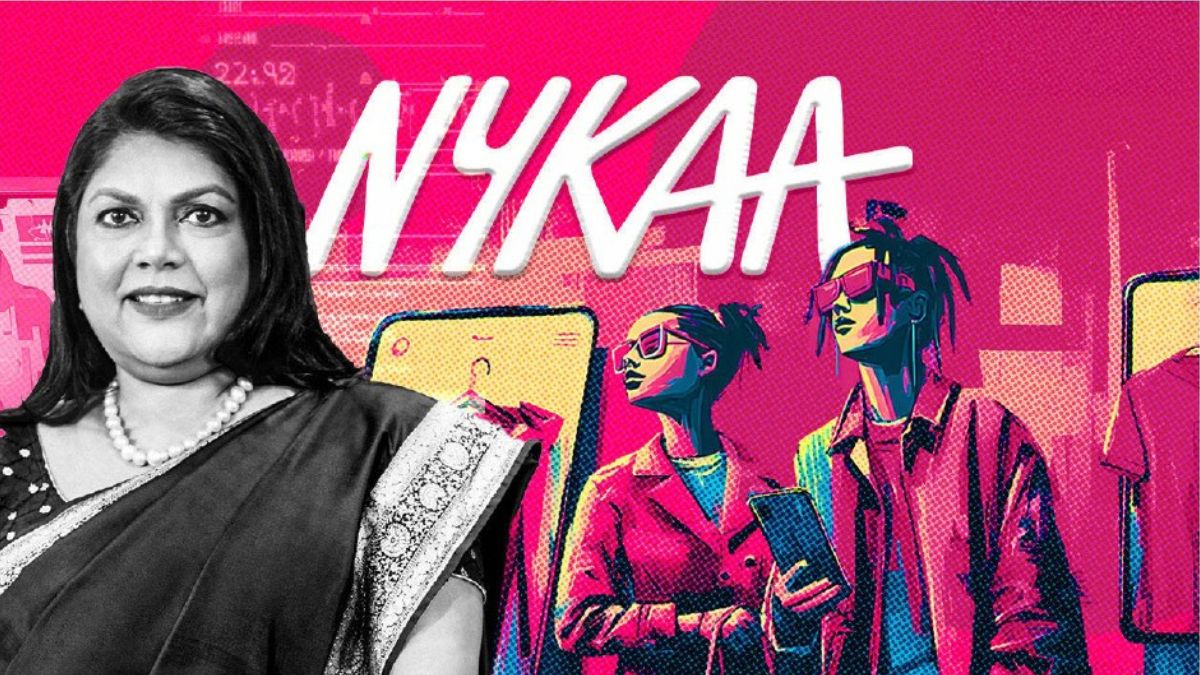
How Nayka built and scaled in India is not a story about speed. It is a story about patience, credibility, and a founder who chose timing over trend. Long before beauty became an ecommerce category and long before influencer-led consumption defined Indian buying behavior, Nykaa was quietly asking a more difficult question: Will Indian consumers trust the internet with something as personal as their skin?
Founded in 2012 by Falguni Nayar, Nayka — formally branded as Nykaa — entered a market where beauty retail was deeply offline, fragmented, and often opaque. The company was built to sell authentic beauty and personal care products online, directly to Indian consumers, at a time when counterfeit cosmetics, unverified sellers, and inconsistent pricing had eroded trust across the category.
Nykaa is headquartered in Mumbai, Maharashtra, and was launched when ecommerce in India was still finding its footing. Unlike marketplaces that focused on electronics or books, Nykaa entered one of the most trust-sensitive categories imaginable. Makeup, skincare, and wellness are not impulse purchases; they involve identity, health, and self-perception.
Nykaa operates through an inventory-led ecommerce model, later expanding into omnichannel retail through physical stores and private labels. Over the years, the company has raised capital from institutional investors and eventually went public, making its revenues, profitability, and growth metrics available through public disclosures.
How Nayka built and scaled in India is ultimately a story about resisting shortcuts. It chose authenticity over discounts, education over virality, and control over speed — decisions that shaped one of India’s most distinctive ecommerce startups.
1. India Before Nykaa: A Beauty Market Built on Mistrust
Before Nykaa, buying beauty products in India was an exercise in compromise. Consumers relied on neighborhood stores, duty-free shops, or international travel to access trusted brands. Online listings existed, but authenticity was uncertain. Prices fluctuated wildly. Expiry dates were questionable. Returns were rare. The beauty ecommerce space lacked structure. Brands were hesitant to sell online. Consumers were hesitant to buy. This was not an obvious startup opportunity. It was a reputational minefield. Most ecommerce players avoided beauty or treated it as an add-on. Nykaa did the opposite. It made beauty the core.
1.1 Falguni Nayar’s Late but Decisive Leap
Falguni Nayar did not fit the stereotype of a startup founder. She was not in her twenties. She was not experimenting. not chasing valuation. had spent nearly two decades building a career in investment banking, including senior leadership roles at Kotak Mahindra. When she decided to leave corporate life at the age of 50, it was not to “try something.” It was to build something enduring. Her insight was rooted in observation, not disruption theory. Indian women were becoming brand-aware, ingredient-conscious, and globally exposed — but the supply chain had not evolved to match that awareness. Nykaa was born from that mismatch.
1.2 Choosing the Hardest Category First
Beauty was not a safe choice. Products are regulated. Consumer expectations are emotional. Brand partnerships are delicate. Counterfeits destroy credibility instantly. Nykaa embraced these challenges instead of working around them. The company decided early that it would control inventory, verify sourcing, and build direct relationships with brands. This meant slower expansion and higher costs — but it also meant control. How Nayka built and scaled in India depended on this early willingness to say no to scale without trust.
2. The Product Was Not the Website — It Was Assurance
Nykaa’s earliest product decisions were not about UI or speed. They were about reassurance. Clear product descriptions. Verified images. Transparent pricing. Return policies that acknowledged hesitation. The platform was designed to answer doubts before they surfaced. This approach slowed growth initially. But it attracted a specific kind of user — someone willing to return.
2.1 Education Before Conversion
Nykaa invested heavily in content. Tutorials, ingredient explainers, routine guides, and expert-backed advice became central to the platform. This was not marketing fluff. It was category-building. Consumers learned how to use products, not just buy them. This education-first approach became a moat. Trust compounds quietly.
3. Early Traction and the First Signals of Validation
Nykaa’s early customers were urban, digitally curious, and cautious. Repeat purchases mattered more than daily active users. Basket size mattered more than traffic spikes. Brands noticed something unusual — products sold on Nykaa were returned less frequently. Complaints were fewer. Reviews were detailed. These signals mattered. They indicated that Nykaa was not just selling products; it was shaping purchase intent.
4. Business Model: Control Over Convenience
Nykaa chose an inventory-led business model at a time when marketplaces were celebrated. This meant owning stock, managing warehousing, and absorbing risk. It also meant ensuring authenticity. Margins were tighter. Operations were harder. But customer trust deepened. In the long run, this control enabled Nykaa to scale without eroding brand credibility.
4.1 Revenue Before Valuation
Nykaa focused on revenue early. Beauty products offered repeat purchase behavior. Consumables replenished naturally. Loyalty built over time. This allowed Nykaa to grow without burning capital at unsustainable rates — a rare trait among ecommerce startups in the Indian startup ecosystem.
5. Brand Positioning: Calm, Confident, Credible
Nykaa’s branding avoided noise. There was no urgency-driven language. No aggressive discounting as identity. No exaggerated claims. The tone was confident, instructional, and inclusive. Beauty was positioned as personal, not aspirational. This emotional restraint set Nykaa apart in a crowded ecommerce landscape.
5.1 Trust as a Growth Lever
Customer trust became Nykaa’s primary customer acquisition engine. Word-of-mouth mattered. Reviews mattered. Consistency mattered. How Nykaa scaled its business in India was less about viral growth and more about dependable experience.
6. Competitive Landscape: Standing Apart by Standing Still
While competitors chased assortment breadth, Nykaa focused on depth. While others raced to onboard sellers, Nykaa curated brands. This focus attracted global beauty brands seeking controlled entry into India. Nykaa became a gateway, not a marketplace.
7. When Trust Met Ambition: The Decision to Go Omnichannel
For years, Nykaa resisted physical retail. The internet was working. Customer trust was growing. Repeat purchases were increasing. By most startup logic, the next step should have been faster digital expansion, more categories, more cities. But beauty behaves differently. Consumers still wanted to touch, test, and feel. Shades looked different on screens. Textures mattered. Advice still carried more weight when spoken face-to-face. Nykaa understood something critical before most ecommerce startups did: online trust does not eliminate offline desire. This realization shaped the next phase of how Nayka built and scaled in India.
7.1 Offline Stores as Trust Amplifiers, Not Revenue Experiments
Nykaa’s offline stores were not built as standalone profit centers. They were designed as extensions of the brand’s credibility. Clean layouts. Trained staff. Controlled assortment. No clutter. Every store reinforced the same promise customers experienced online — authenticity, education, and calm confidence. Instead of cannibalizing ecommerce, offline stores deepened engagement. Customers who discovered products offline often reordered online. Omnichannel commerce became a loop, not a funnel.
8. Private Labels: The Shift From Retailer to Brand Builder
Once Nykaa controlled customer relationships, data, and trust, a new opportunity emerged. Private labels. Nykaa did not rush into this. It waited until it understood consumer gaps — shade ranges missing in India, formulations not suited to local skin, price points underserved by global brands. When Nykaa launched its own brands, they were not experiments. They were responses. This move altered the company’s margin structure, bargaining power, and long-term economics. How Nykaa scaled its business in India accelerated meaningfully after this point.
8.1 Learning to Compete With Partners Without Alienating Them
Launching private labels introduced tension. Nykaa was now both retailer and competitor to global brands on its platform. Managing this balance required restraint. The company maintained clear segmentation. Global brands retained prominence. Private labels filled gaps rather than replacing anchors. This careful choreography preserved ecosystem trust — a recurring theme in Nykaa’s India scaling journey.
9. Funding, Capital, and Choosing When to Accelerate
Nykaa raised external capital later than most ecommerce startups. This was not due to lack of interest, but lack of urgency. Revenue visibility, repeat customers, and improving margins reduced dependency on venture capital. When funds were raised, they were used to accelerate proven models, not subsidize uncertainty. This discipline insulated Nykaa from extreme volatility during market downturns. In an Indian startup ecosystem often shaped by capital cycles, Nykaa moved at its own pace.
9.1 The IPO: Validation and Exposure at Once
Nykaa’s decision to go public marked a moment of collective validation. The company had achieved something rare — an ecommerce business built on trust, profitability visibility, and brand loyalty. But public markets also brought exposure. Growth expectations intensified. Margins were dissected. Every decision was scrutinized. The IPO did not end Nykaa’s journey. It changed its accountability.
10. Operating Under Public Scrutiny
Post-listing, Nykaa entered a more demanding phase. The narrative shifted from potential to performance. Quarterly results mattered. Governance mattered. Predictability mattered. For a founder-led company, this transition can be destabilizing. Nykaa responded by leaning into transparency, process, and institutional discipline — without diluting its brand ethos. This balance remains central to how Nayka built and scaled in India beyond startuphood.
11. Leadership and Culture: Calm as a Competitive Advantage
Nykaa’s internal culture mirrored its external brand. Decisions were deliberate. Communication was measured. Speed was important, but not reckless. Leadership emphasized long-term brand equity over short-term spikes. Teams were encouraged to understand the “why” behind actions, not just the “what.” This cultural consistency reduced internal churn during periods of rapid expansion.
12. Technology, Supply Chain, and Invisible Complexity
Behind Nykaa’s calm interface lies operational complexity. Inventory forecasting across thousands of SKUs. Cold-chain considerations. Expiry management. Returns handling. Technology enabled precision, but discipline enabled scale. Unlike categories where speed alone wins, beauty punished mistakes quietly — through loss of trust. Nykaa optimized not for velocity, but for reliability.
13. Competitive Landscape: Why Nykaa Remained Difficult to Displace
Many players entered beauty ecommerce after Nykaa proved demand. Few matched its control over sourcing, content depth, and omnichannel execution. Competitors offered discounts. Nykaa offered assurance. Competitors chased traffic. Nykaa cultivated loyalty. This differentiation was not accidental. It was cumulative. How Nykaa expanded across India was shaped by staying true to this positioning, even when alternatives promised faster growth.
14. The Present-Day Nykaa
Today, Nykaa operates as a multi-brand beauty platform, an omnichannel retailer, and a house of private labels. Its customer base spans metros and emerging cities. Its brand partnerships include global and domestic names. financials are publicly tracked. Nykaa is no longer proving viability. It is defending relevance. That distinction changes how decisions are made.
15. Future Outlook: How Nayka Built and Scaled in India Continues to Evolve
How Nayka built and scaled in India is not a template for speed. It is a case study in restraint. The future will demand sharper execution. Consumer expectations will rise. Competition will intensify. Margins will face pressure. Nykaa’s long-term vision appears anchored in deepening trust rather than broadening noise. More personalization. More private labels. disciplined expansion. The company’s greatest advantage remains unchanged — credibility earned slowly is hard to replicate quickly. Nykaa did not teach India how to buy beauty online. It taught India how to trust the process.
About foundlanes.com
foundlanes.com is an editorial platform that documents and analyzes India’s startup ecosystem through deeply researched case studies, founder journeys, and business insights. It focuses on how startups are built, scaled, corrected, and sustained, offering long-form, context-driven understanding for founders, operators, and decision-makers.