
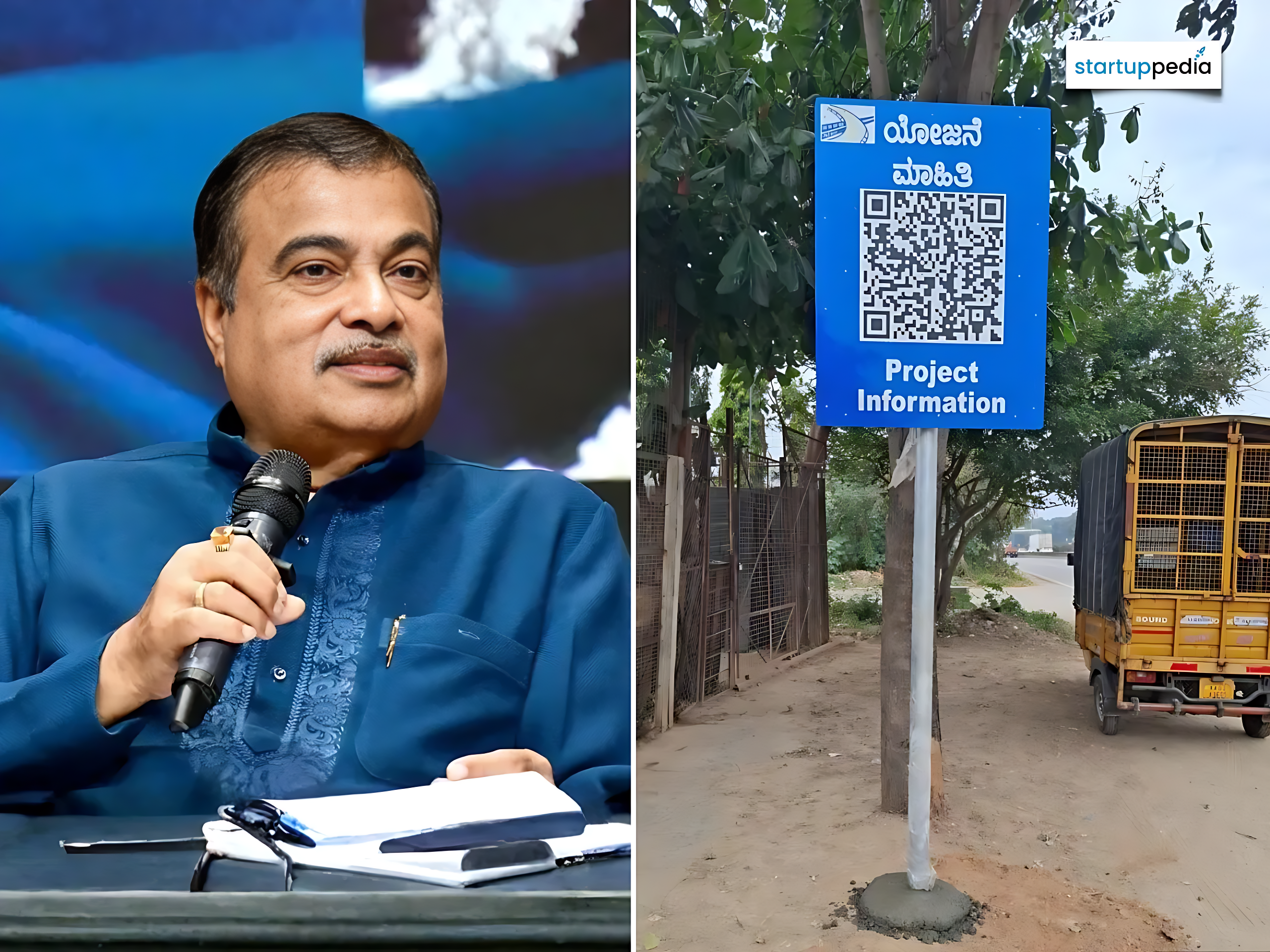
The National Highways Authority of India (NHAI) has rolled out a new move to improve information access for road users by installing QR code-based information boards along key national highways in Bengaluru. The move, titled NHAI Installs QR Code Boards, places scannable codes on roads such as the Bengaluru–Nelamangala stretch of NH‑48 and the Bengaluru–Kolar–Mulbagal stretch of NH‑75. When commuters scan these codes with a smartphone, they get instant access to essential travel details such as nearby toll plazas, wayside amenities, and emergency services information. The QR codes also link travelers to emergency contacts, including highway patrol teams, engineers, police stations, hospitals, and the National Highway helpline.
The initiative is presented by NHAI as a transparency and safety boost. Officials said the move reflects efforts to use technology for safer and better-informed journeys. The QR code boards are part of a larger push to bring more digital resources to road users. However, the public response online has been mixed. Several netizens have questioned the initiative’s transparency value, arguing that the information provided through the QR portals does not include key project details such as contractor names, project cost, maintenance accountability, and MLA information. These reactions refer to earlier commitments attributed to Union Minister Nitin Gadkari, where similar QR efforts were said to display full project information.
Critics on social media also raised concerns about practical issues like the need to stop vehicles to scan codes and possible physical obstruction of the codes. Despite these barriers, many agree that using digital tools on highways could be beneficial if expanded. The NHAI Installs QR Code Boards initiative has opened a debate on how technology is used to inform commuters and increase accountability in infrastructure projects.
1. Introduction
1.1 Overview of NHAI Initiative
The NHAI Installs QR Code Boards project is a new digital information effort by the National Highways Authority of India. The project aims to provide immediate, scanned access to key travel and emergency details for people on national highways around Bengaluru. QR code signboards are placed on major routes like NH‑48 and NH‑75.
1.2 Context in Indian Road Management
In recent years, India has focused on improving road infrastructure quality and safety. The use of digital tools has grown in government systems. The idea behind the NHAI Installs QR Code Boards move is to combine digital access with physical infrastructure.
2. What the QR Code System Does
2.1 How It Works
When a commuter scans one of the QR codes installed on highway signboards using a smartphone camera or scanner app, they are taken to a mobile portal. This portal provides information about the highway section, nearby toll plazas, rest areas, and emergency contacts.
2.2 Information Provided
According to NHAI, the portal includes:
- Highway stretch details
- Nearby toll plaza listings
- Wayside amenities
- Emergency contacts for patrol teams
- Contacts for engineers, police stations, and hospitals
- National Highway helpline information
This system is intended to allow both regular commuters and occasional travelers to quickly get basic information while on the road.
3. Public Reaction
3.1 Support and Praise
Some users welcomed the idea of easily accessible emergency information. Many said that linking digital details to physical road signs shows a willingness to use modern tools for public benefit.
3.2 Criticism and Concerns
However, online reactions were mixed. Several netizens on platforms like X argued that the NHAI Installs QR Code Boards initiative does not deliver on earlier promises of full project transparency. Use of clear project cost, contractor names, maintenance details, and MLA involvement were the missing parts, they said.
Some critics also questioned practicality, saying drivers may have to stop to scan the code. Others asked how NHAI plans to ensure the codes are not blocked or defaced.
4. NHAI’s Background and Role
4.1 What Is NHAI?
The National Highways Authority of India is the government agency responsible for planning, building, maintaining, and operating India’s national highways. NHAI operates under the Ministry of Road Transport and Highways. Its work includes project implementation, road safety, and exploring new technologies for traffic management and infrastructure maintenance.
4.2 NHAI’s Digital Moves
Over the past decade, NHAI has used digital tools like electronic toll collection, online project dashboards, and now QR codes to provide information to the public. These moves tie into a broader national trend toward digital governance and information access.
5. Why the Initiative Matters
5.1 Improving Road Transparency
One aim of the NHAI Installs QR Code Boards project is to improve transparency for travelers. Information like toll plazas and amenities can help users plan stops and manage travel time.
5.2 Emergency Preparedness
The fact that the QR codes link to emergency services is a key point. Having quick access to contacts for highway patrol, police, hospitals, and helpline numbers may help drivers in urgent situations.
5.3 National Trend for Digital Road Info
This initiative follows similar digital adaptations in road systems worldwide. Countries use QR codes and apps to link travelers to maps, construction updates, and safety tools.
6. Industry and Technology Trends
6.1 Digital Tools in Infrastructure
Governments around the world are using digital tools to connect physical infrastructure with online information. India’s push for digital governance supports measures like the NHAI Installs QR Code Boards project.
6.2 Road Safety and Tech
Connected highway systems that provide real‑time data and alerts are part of the future of smart transportation. QR codes are one entry‑level method for linking users to digital information.
7. Startup and Tech Comparisons
7.1 Comparing With Startup Models
While the QR code project is not a startup, its design has similarities to digital service platforms created by tech startups. Many startups focus on delivering information through mobile portals or apps. In the context of India’s tech ecosystem, many digital travel support and navigation apps exist, offering related services.
7.2 Competitors and Digital Alternatives
Direct competitors to this approach are mapping and travel apps like Google Maps, Waze, and other route planning tools. They already provide traffic, amenities, and emergency information without physical codes.
8. Challenges and Opportunities
8.1 What Works Well
The approach gives instant information access without needing an app, which is helpful for users without good mobile data plans or who prefer simple tools.
8.2 What Could Improve
Many users think the initiative would be stronger if it included project details, contractor information, and clear accountability. Adding real‑time traffic and construction updates could make the systems more useful.
9. Long‑Term Impact
9.1 Road Information Systems
This could be a first step toward more comprehensive smart roads that link physical infrastructure with rich data streams. It could also open doors to future services like real‑time alerts, road quality reporting, and user feedback.
9.2 User Empowerment
If expanded well, linking digital info to tangible road points could help drivers make better decisions, feel safer, and stay informed.
About FoundLanes
Even though NHAI Installs QR Code Boards is a government initiative, it aligns with trends seen in the startup world. Many Indian startups are building solutions for travel information, emergency support, and digital governance. TheStartupsNews.com covers how emerging companies innovate in areas like navigation tools, safety apps, and technology that aids public infrastructure. Readers will find stories about mobile platforms solving real problems for travelers and show how private innovation complements public efforts. foundlanes.com is a dedicated news and startup stories platform covering the latest trends, insights, and stories from the Indian and global startup ecosystem.