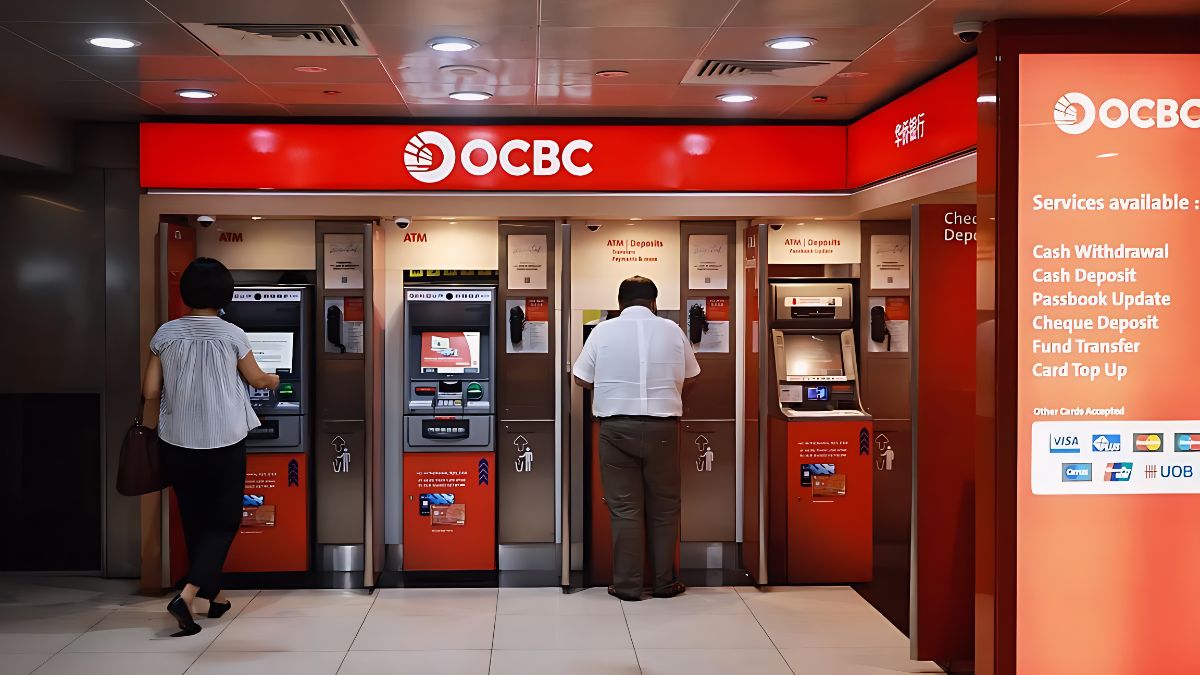
The bank OCBC will allow its Singapore customers to pay merchants in mainland China using WeChat Pay QR codes through the OCBC mobile banking app. The functionality will roll out in the first quarter of 2026. This follows a fresh partnership between OCBC and UnionPay International, formalised on November 28, 2025 in Shanghai, and will rely on the NETS cross‑border payment infrastructure.
With this change, travellers from Singapore can use OCBC’s “Scan & Pay” feature to scan any merchant QR in China that supports WeChat Pay, Alipay+ or UnionPay and pay directly from their OCBC Singapore bank account. No separate wallet top‑ups, no currency exchange, no third‑party apps.
This move underscores the growing trend of cross‑border digital payments. OCBC already supports multiple digital wallets and plans further global expansion. The bank said QR‑based transactions via its app among its customers rose 11% year‑on‑year, with active users jumping 67%. Mainland China remains the top destination for those payments.
This article explores how the update works, why it matters, the broader payments landscape, and what the rollout means for global digital banking and fintech-savvy travellers.
1. Introduction
The payment world is going cashless especially in China. Digital wallets such as WeChat Pay and Alipay have revolutionised how people pay for everything from food to transport.
Now, OCBC is preparing to let its Singapore customers pay merchants in mainland China with a simple QR code scan via the OCBC app. This removes friction for travellers who would otherwise need to download foreign payment apps or carry cash. The new feature aims to make payments “as local as possible” for Singapore‑based customers visiting or shopping in China.
This article explains the new capability, how OCBC’s broader digital‑wallet strategy evolved, why it matters in the global fintech and travel context, and what lessons entrepreneurs and startups can take from this move.
2. What the New Feature Means: Scan‑and‑Pay in China
2.1 What OCBC is rolling out
OCBC will soon let its Singapore customers use WeChat Pay QR codes to pay merchants in mainland China. The payment will be deducted directly from their OCBC Singapore bank account. No need to top up a separate wallet.
This functionality builds on OCBC’s existing ability to scan and pay merchant codes from Alipay+ and UnionPay. With the addition of WeChat Pay (Weixin Pay), OCBC becomes the first Singapore bank to allow scan-and-pay for essentially all major merchant QR codes in China.
The change stems from a formal partnership with UnionPay International, finalised on November 28, 2025. The bank will use NETS’ cross-border payment infrastructure to enable the feature. OCBC expects to roll out the feature in the first quarter of 2026.
2.2 Who benefits and how
Singapore customers travelling to China for business or leisure gain a seamless, hassle-free way to pay. No need to manage foreign-currency cash or download multiple foreign e-wallet apps. Payments will be at real‑time exchange rates with no extra fees.
Frequent travellers purchasing food, shopping, using taxis, or visiting attractions in China will find this particularly useful. Instead of juggling wallets and currencies, they can simply scan a QR code via OCBC’s app.
For OCBC, the move helps increase adoption of its digital banking services and pushes its Scan & Pay feature deeper into cross‑border payments. It strengthens OCBC’s position as a cross-border banking and payments facilitator in Southeast Asia and beyond.
3. Background: OCBC’s Digital Payments Strategy
3.1 Early steps: Cross‑border QR payments
Before this new announcement, OCBC had already laid groundwork for cross-border digital payments. As of 2024, it offered QR payment products to travellers from Singapore using Alipay+ and UnionPay QR codes. OCBC aimed to quadruple the number of cross-border QR payments in 2024 a sign of rising demand among travellers and expatriates.
In 2023, mainland China already accounted for 57 per cent of cross-border QR payments made using the OCBC Digital app. Thailand and Malaysia followed, but China remained the top market by a significant margin.
This showed that many OCBC customers travel to, or transact in, China making it logical for the bank to deepen its payment integrations there.
3.2 Expansion into digital wallets
In November 2025, OCBC expanded its app’s capability to connect to eight major digital wallets across Southeast Asia. Through a partnership with Visa, customers can now send money directly from their OCBC bank account to popular wallets such as GoPay (Indonesia), Ovo (Indonesia), GCash (Philippines), PayMaya (Philippines), Touch ‘n Go (Malaysia), MoMo (Vietnam), among others. With Chinese wallets WeChat Pay (Weixin Pay) and Alipay, that brings the total to ten wallets. OCBC aims to connect to 50 digital wallets worldwide by 2026.
The year‑on‑year growth in usage of its Scan & Pay service has been strong: payment volume rose 11 per cent while active users grew by 67 per cent. Mainland China remains the largest single market for those transactions. Taken together, this rollout reflects OCBC’s push to become a truly global cross‑border payment hub for Singapore customers and beyond.
4. Why This Matters: China’s Digital Payments Boom
4.1 Dominance of QR payments in China
In China, digital wallets especially WeChat Pay and Alipay dominate payments. Combined, they handle the vast majority of mobile payments. QR codes form the backbone of this system. Many transactions from grocery shopping to taxi rides rely on scanning QR codes rather than cash or cards.
For international travellers, this often means downloading local apps or carrying cash. By enabling WeChat Pay QR payment via OCBC (a foreign bank), OCBC removes that hassle.
4.2 Rising cross‑border travel and remittances
Cross‑border travel and remittance flows are returning to pre‑pandemic growth. As more Singaporeans travel to China, or foreign workers send money back home, demand for seamless payment and remittance solutions rises. OCBC’s expansion — both in merchant QR payments and wallet-to-wallet transfers aims to capture this opportunity.
By linking to multiple digital wallets and supporting QR payments in many countries, OCBC positions itself as a central node in an increasingly global, digital payments ecosystem.
5. Analysis: What OCBC Gains and Issues It Addresses
5.1 Reducing friction for travellers
Previously, Singapore customers travelling to China had to rely on local wallets, carry cash, or handle foreign currency. These options are cumbersome. With the new feature, they can pay directly via their OCBC account, with no need for extra apps.
This reduces friction, improves convenience, and enhances the travel experience. For merchants in China, it opens up a stream of foreign spending without the need for complex setups.
5.2 Boosting adoption of OCBC’s digital banking
By expanding payment capabilities, OCBC strengthens its value proposition. Customers who travel, remit, or shop across borders get a more seamless experience. That can drive higher usage of the OCBC app, bigger transaction volumes, and more steady fee‑free revenue from cross‑border transactions.
It also bolsters OCBC’s position in the competitive fintech-driven banking space.
5.3 Meeting broader fintech and globalization trends
Globalization of payments, cross-border remittances, and the rise of digital wallets are reshaping finance. OCBC’s integration with multiple wallets and QR payment networks reflects these larger industry trends.
This move aligns with increasing demand for cross-border payment solutions and positions OCBC as a forward‑looking bank adapting to evolving consumer needs.
6. Challenges and Considerations
While the launch is promising, there are challenges. OCBC will need to ensure smooth execution when it launches in Q1 2026. That includes exchange‑rate transparency, transaction security, and a robust user experience.
Moreover, regulatory and compliance considerations for cross‑border payments currency conversion, reporting, fraud prevention will need careful handling.
Finally, customer education is important. Many users may not be familiar with QR‑code payments or may expect to use established local wallets in China. OCBC will need to communicate clearly how the new feature works, what its benefits are, and any safeguards they have in place.
7. What This Means for Fintech, Travel, and Global Banking
The rollout by OCBC signals that banking institutions are embracing digital wallet networks and QR‑based payments to meet global travel and remittance demand. It blurs the lines between traditional banking and fintech.
Travelers get a simpler experience with fewer apps to manage and no currency-exchange hassle. Banks benefit too, since it cuts dependence on cash and supports a shift toward digital banking.
Across the wider fintech ecosystem, the move could spur more institutions to adopt cross-border wallet integrations, strengthening financial connectivity throughout the region.
8. Conclusion
OCBC’s decision to enable WeChat Pay QR payments in China via its Singapore banking app marks a major step forward in cross‑border digital payments. The move brings convenience and simplicity for travellers and expands OCBC’s global payments footprint.
As QR‑based payments continue to dominate daily life in China, this integration can significantly improve the user experience for travellers and expatriates. It demonstrates how traditional banks can evolve and partner with digital payment networks to stay relevant in a fast‑changing fintech world.
In the coming years, as OCBC expands to 50+ wallets globally, we may see digital banking and cross‑border payments become as seamless as local transactions.
Learning for Startups and Entrepreneurs
The story of OCBC’s integration with WeChat Pay QR codes shows how legacy institutions can innovate effectively by partnering strategically rather than building everything from scratch. For startups and entrepreneurs:
- Look for existing platforms/networks to integrate with partnerships can accelerate growth.
- Solve friction points for cross-border users travel, remittance and payments are pain points many face.
- Offer simplicity and convenience removing extra apps or currency exchanges adds real value.
- Think global: digital payments and wallets are increasingly borderless. Design solutions with scalability and cross‑market reach.
This model combining banking infrastructure with wallet/payment networks offers a template for fintech startups aiming to serve global customers.
About FoundLanes
At foundlanes.com, we cover stories like this because they reflect fundamental shifts in how money moves across borders. This update from OCBC shows how established financial players and fintech networks come together to simplify global payments. Such developments matter to entrepreneurs building payment, travel, remittance, or fintech platforms — and to startups exploring cross‑border business models.
We will continue tracking how this rollout affects user behaviour, cross‑border remittance volumes, and the adoption of digital wallets across Asia and beyond. Stay tuned for detailed coverage of global fintech trends, startup-inspired payment solutions, and innovations shaping tomorrow’s financial ecosystem.