In a significant development for the Indian startup ecosystem, Razorpay has officially converted into a public limited company for IPO. This strategic move, announced in April 2025, marks a crucial step in its journey towards an Initial Public Offering (IPO) expected in the fiscal year 2026–27. While the company has no immediate plans to go public, becoming a public limited entity aligns with strong governance practices and ensures early IPO readiness. Razorpay, which was initially headquartered in the United States, is now redomiciling to India, highlighting its commitment to the local economy and regulatory landscape. This move follows the merger approval between Razorpay Inc. and Razorpay India by the Hyderabad Regional Director, setting the stage for the fintech major’s deeper integration with Indian operations.
Founded in 2014, Razorpay has emerged as a leading digital payments and neo-banking platform in India. With annual transaction volumes of nearly $180 billion and a customer base that spans startups, small businesses, and large enterprises, the company stands as one of the country’s top fintech unicorns. Over the years, it has raised over $800 million in funding and was last valued at $7.5 billion. Razorpay’s transition into a public limited company also places it in the league of fintech giants like Paytm and MobiKwik, which have already gone public. With an eye on India’s growing digital economy and evolving fintech regulations, Razorpay is making well-calibrated moves to stay ahead of the curve. The Startups News brings you this comprehensive breakdown of Razorpay’s IPO roadmap, its business model, revenue streams, funding history, and the implications of this pivotal change.
1. Understanding Razorpay’s Business Model and Offerings
1.1 Working Model of Razorpay
Razorpay operates as a comprehensive fintech platform catering to businesses of all sizes. It offers digital payment solutions, payment gateway integration, and neo-banking services. Businesses use Razorpay to accept, process, and disburse payments using methods like UPI, credit and debit cards, net banking, and wallets. Its customer base spans e-commerce companies, SaaS firms, logistics providers, and retail businesses.
1.2 Revenue Model
The company’s primary revenue comes from transaction fees charged to merchants for payment processing. Additionally, it earns from value-added services such as subscriptions, automated vendor payouts, payroll automation, and lending through RazorpayX, its neo-banking platform. In FY24, Razorpay’s core payments business generated revenue of Rs 2,501 crore, with a net profit of Rs 34 crore. Another data point suggests revenue stood at Rs 2,068 crore with a Rs 35 crore profit, depending on the source cited.
1.3 Product Portfolio
Razorpay offers a full-stack fintech platform including:
1.3.1 Razorpay Payment Gateway
Accepts payments via UPI, cards, wallets, EMI, net banking.
1.3.2 RazorpayX
Neo-banking platform providing current accounts, corporate cards, payroll, and vendor payouts.
1.3.3 Razorpay Capital
Credit and working capital financing services to small and medium businesses.
1.3.4 International Expansion
Available in Singapore and Malaysia with features like multi-currency transactions and cross-border payment solutions.
1.4 Founders and Team
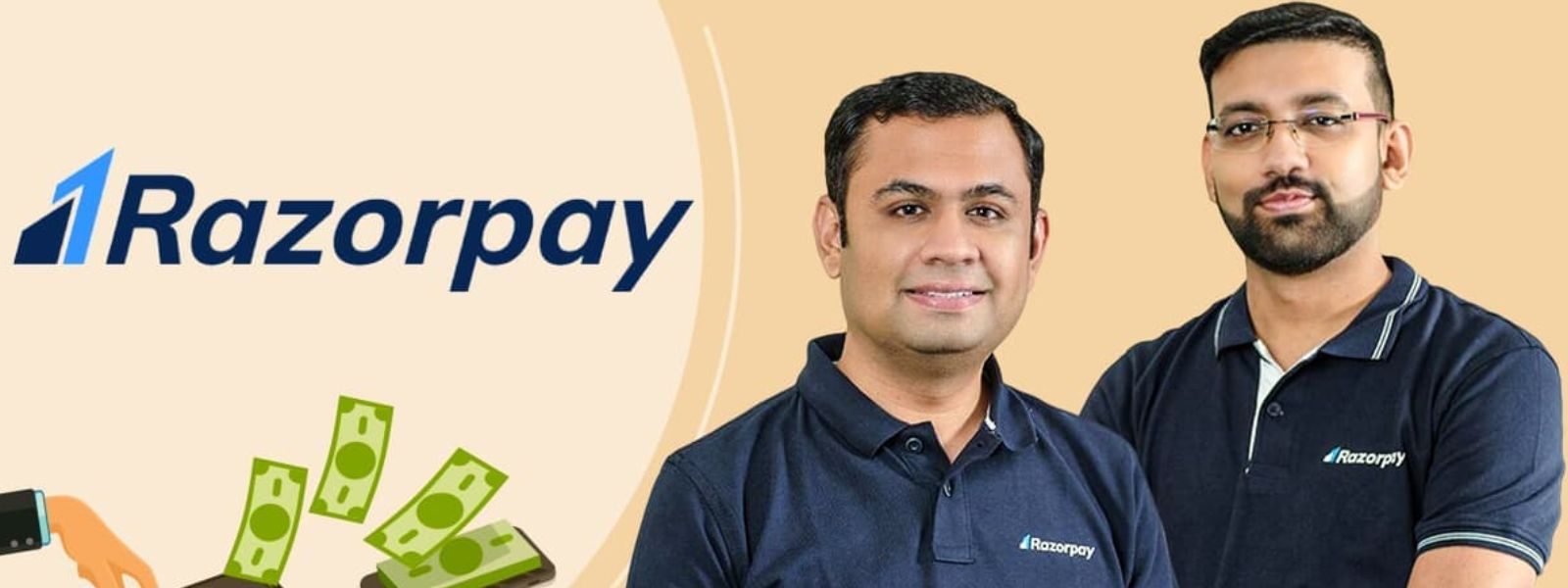
Razorpay was founded in 2014 by Harshil Mathur and Shashank Kumar. Both alumni of IIT Roorkee, the duo launched Razorpay after identifying the inefficiencies in India’s online payment landscape. Under their leadership, the company has grown rapidly, earning the trust of investors and regulators alike.
2. Razorpay IPO Public Limited: The Strategic Transition
2.1 Redomiciling from the US to India
Razorpay is transitioning its parent entity’s domicile from the US back to India. The company began this reverse flip process after the Regional Director in Hyderabad approved the amalgamation of Razorpay Inc. with Razorpay India. The redomicile aims to align with Indian compliance, taxation, and corporate governance frameworks.
2.2 Conversion into a Public Limited Company
The fintech unicorn has secured board approval to convert into a public limited company. This strategic step doesn’t imply an immediate listing but prepares Razorpay for its IPO, projected to happen around FY26 or FY27. The move is aimed at building early IPO readiness and adopting best governance practices well in advance.
2.3 IPO Timeline and Readiness
Razorpay CEO Harshil Mathur has stated that the company aims to become fully profitable within 18 months and is working towards going public in the next two years. The conversion to a public company is a preparatory step for the IPO journey, which will involve regulatory filings, due diligence, and investor engagement.
3. Financial Performance and Industry Position
3.1 Financial Overview
In FY24, Razorpay reported a revenue range of Rs 2,068 crore to Rs 2,501 crore depending on reporting segments. Net profit figures hover around Rs 34–35 crore. With nearly $180 billion in annual transaction volume, Razorpay is among the most dominant players in India’s digital payments ecosystem.
3.2 Competitors
Razorpay competes with other major fintech platforms like:
3.2.1 PayU
Revenue of Rs 3,800 crore in FY24.
3.2.2 Cashfree
Revenue of Rs 642 crore in FY24.
3.2.3 MobiKwik and Paytm
Both already listed on Indian stock exchanges.
4. Funding History and Valuation
4.1 Capital Raised
Over the years, Razorpay has raised more than $800 million across several rounds. Key investors include:
- Peak XV Partners (formerly Sequoia India)
- Z47 (formerly Matrix Partners India)
- GIC
- Ribbit Capital
4.2 Latest Valuation
As of its last funding round in 2021, Razorpay was valued at $7.5 billion. The valuation reflects investor confidence in its business fundamentals and market potential.
5. Broader Implications of the Razorpay IPO Public Limited Transition
5.1 Fintech Trends and Governance
The Razorpay IPO public limited transition mirrors a broader fintech trend where startups are prioritizing compliance, governance, and profitability before IPOs. This shift is essential, especially in a regulatory environment like India’s, where the Reserve Bank and SEBI are increasing scrutiny on digital finance operations.
5.2 What It Means for the Ecosystem
Razorpay’s journey encourages other Indian startups—especially those previously domiciled abroad—to consider redomiciling. It also shows that IPO preparedness requires more than profitability; governance and compliance need equal focus.
6. Learning for Startups and Entrepreneurs
6.1 Plan for Long-Term Sustainability
Profitability, governance, and compliance must be part of every startup’s growth journey.
6.2 Consider Redomiciling
Redomiciling can align your business with local policy advantages and unlock new capital routes.
6.3 IPO Preparation Begins Early
Shifting to a public limited company well in advance is a smart move, offering operational readiness and investor confidence.
About The Startups News
When it comes to covering transformative startup journeys and strategic milestones like the Razorpay IPO public limited transition, The Startups News leads with depth, clarity, and insights. As India’s most dynamic startup media hub, we empower founders and investors with trusted news, actionable trends, and in-depth business intelligence. Whether you’re following the latest fintech unicorns or tracking startup policy updates, The Startups News is your go-to destination for everything shaping the startup world.