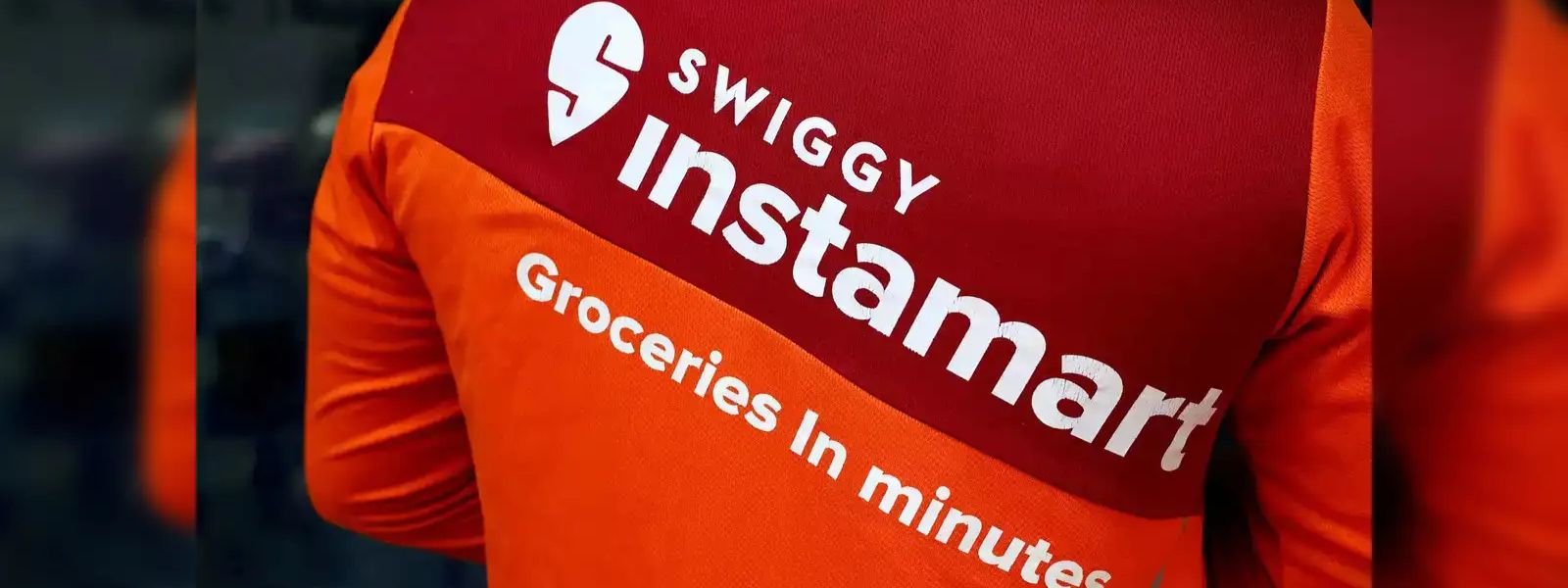
Swiggy Instamart has expanded its rapid delivery service to 100 cities across India , responding to rising demand for 10-minute deliveries in Tier-II and Tier-III cities. With the addition of 32 new cities, including Raipur, Jodhpur, and Siliguri, it now offers over 30,000 products. The company has strengthened its infrastructure by launching ‘megapods,’ large fulfillment centers capable of stocking 50,000 SKUs. Consumer adoption has surged, with Patna crossing 1,000 daily orders in just four days.
To support expansion, Swiggy Instamart added 96 dark stores in Q3 FY25, targeting 1,000 by March 2025. However, financial losses have widened, with EBITDA margins dropping to -14.8%. Competition from Blinkit, Zepto, Flipkart Minutes, and Amazon is intensifying. Despite challenges, experts predict significant growth in quick commerce, driven by evolving consumer habits. Swiggy Instamart plans to enhance product variety, optimize logistics, and expand infrastructure, shaping the future of quick commerce in India.
1. Understanding Swiggy Instamart’s Business Model and Growth
1.1 Founding and Evolution
Swiggy, founded in 2014 by Sriharsha Majety, Nandan Reddy, and Rahul Jaimini, started as an online food delivery platform. Recognizing the potential in quick commerce, the company launched Swiggy Instamart in 2020. The platform enables ultra-fast deliveries, focusing on convenience-driven retail.
1.2 Revenue Model and Funding Background
Swiggy Instamart operates on a commission-based revenue model. It earns through service charges, product markups, advertising, and subscription services like Swiggy One. The company has raised significant funding from investors, including SoftBank, Prosus Ventures, and Accel, positioning itself as a dominant player in India’s quick commerce sector.
1.3 Services and Offerings
Swiggy Instamart provides an extensive range of products, including groceries, FMCG goods, electronics, fashion, and regional brands tailored to local demand. With its 10-minute delivery model, the platform ensures quick access to daily essentials, transforming consumer shopping habits.
2. Swiggy Instamart Across India: Key Expansion Highlights
2.1 Expansion to 100 Cities
Swiggy Instamart’s expansion into 100 cities underscores the growing consumer preference for rapid delivery. This includes 32 new cities such as Jodhpur, Raipur, Siliguri, and Thanjavur. CEO Amitesh Jha emphasized that one in four new users in 2025 came from Tier-II and Tier-III cities, highlighting the rising demand for convenience retail beyond metro areas.
2.2 Infrastructure Development: Megapods and Dark Stores
To support its aggressive expansion, Swiggy Instamart has introduced ‘megapods,’ large fulfillment centers spanning 10,000-12,000 square feet. These megapods can stock up to 50,000 SKUs, offering three times the product range available in standard dark stores. Swiggy added 96 new dark stores in Q3 FY25, bringing the total count to 705, with a target of 1,000 by March 2025.
2.3 Consumer Trends and Spending Patterns
Consumer spending on Swiggy Instamart has surged across new cities. Notable trends include:
- Thiruvananthapuram’s highest single-day spend of Rs 69,993 by a customer.
- Dehradun’s record total spend of Rs 3,34,411 by a single user.
- Patna achieving over 1,000 daily orders within four days of launch.
- Raipur reaching 300 orders on its first day.
The top-selling categories include fruits and vegetables, snacks, dairy products, and essentials like onions, tomatoes, and coriander.
3. Challenges and Competitive Landscape
3.1 Competition in the Quick Commerce Sector
Swiggy Instamart faces stiff competition from Zepto, Blinkit, and emerging players like Flipkart Minutes and Amazon. The quick commerce sector is witnessing rapid expansion, with companies aggressively scaling their operations to capture market share.
3.2 Financial Challenges and Profitability Concerns
While the expansion boosts customer reach, it has impacted Swiggy’s financials. In Q3 FY25, Swiggy Instamart’s standalone margin contribution fell to -4.6% from -1.9% in the previous quarter, and EBITDA margins dropped from -10.6% to -14.8%. Swiggy reported a net loss of INR 799 crore, a 39.1% increase year-on-year, highlighting the high operational costs associated with quick commerce expansion.
4. The Future of Quick Commerce in India
4.1 Growth Potential and Industry Trends
Experts predict sustained growth in India’s quick commerce market, driven by increased smartphone penetration, changing consumer habits, and improved logistics. Companies are focusing on hyper-local strategies, offering regional products to cater to diverse customer preferences.
4.2 Strategic Moves by Swiggy Instamart
To strengthen its market position, Swiggy Instamart is expected to:
- Expand its dark store network beyond 1,000 locations.
- Enhance product assortment with more non-grocery categories.
- Optimize delivery logistics to improve profitability.
- Leverage AI and machine learning for demand forecasting.
5. Learning for Startups and Entrepreneurs
Swiggy Instamart’s rapid expansion offers key insights for startups and entrepreneurs:
- Consumer demand dictates scalability: Businesses must adapt to shifting consumer needs and expand strategically.
- Infrastructure is key to success: Investing in logistics and supply chain management can provide a competitive edge.
- Sustainable growth is essential: Rapid expansion must be balanced with financial sustainability to ensure long-term viability.
- Data-driven decision-making: Leveraging analytics and AI can optimize inventory, demand forecasting, and pricing strategies.
About The Startups News
At The Startups News, we bring you the latest insights on India’s startup ecosystem, covering business funding news, venture capital trends, and innovation updates. Whether you’re an entrepreneur seeking guidance or an investor tracking industry shifts, our platform provides in-depth reports on the fastest-growing startups, market trends, and strategic business moves shaping the future of Indian startups.