The Future of Digital Marketing: A New Era of Human-Led Engagement
When we talk about The Future of Digital Marketing, it helps to start by leaving old assumptions behind. For more than a decade, brands chased algorithms, impressions, “likes,” and reach. But as 2025 unfolded, many of those playbooks stopped working the way they used to. The emphasis shifted from chasing platforms to focusing on people — real human beings with emotions, preferences, and communities of their own. That’s the core lesson Vishal Sharijay Garg, founder and CEO of Hobo.Video, shared in his recent interview looking back at the year’s seismic shifts.
In this first part of our deep-dive, we explore how digital marketing is evolving beyond traditional metrics and polished advertising, toward something far more human, community-centered, and driven by authentic storytelling. As marketers, creators, and brands rethink digital engagement, four forces are now shaping how marketing works: creator communities, user-generated content (UGC), short-form video formats, and AI-powered insights.
1. A Shift from Platform First to People First
For years, many brands built strategies around platforms — Facebook, Instagram, TikTok, YouTube — optimizing to hit every algorithm tweak. But as Vishal explains, 2025 marked a turning point. The Future of Digital Marketing no longer revolves around platforms. It revolves around people. Audiences now expect brands to understand them beyond demographic labels. They want relevance, context, and messaging that feels human. Generic campaigns that attempt to tick algorithm boxes feel stale. Brands that succeeded in 2025 focused instead on real connections, language that resonates, and narratives that feel personal.
This people-first shift is significant. It signals that metrics like follower count, raw reach, and production glossiness are losing their power. Instead, authenticity — the unpolished, unfiltered voice of real creators — has become a dominant force. This is not nostalgia for “realness.” It’s strategic: audiences now engage more deeply with content that feels relatable, genuine, and rooted in community dialogue.
2. Creator Communities: The New Powerhouses of Influence
At the heart of this transformation are creator communities — networks of nano and micro influencers who speak directly to niche audiences with high trust and intimacy. These groups are not massive celebrity accounts. They are smaller pockets of passionate, connected followers who trust recommendations from someone they feel “know.” What makes creator communities powerful is not their follower count. It’s their influence. A creator with 10,000 followers who engages deeply with their audience often drives more meaningful action than someone with a million passive subscribers. That’s because smaller creators often reflect their audiences’ identities, speak their language, and share real experiences — elements that forged stronger bonds in 2025.
For brands, this means changing who they collaborate with and how those collaborations are structured. Instead of paying big influencers for one-off shoutouts, brands now partner with multiple smaller creators who produce authentic content that feels less like advertising and more like recommendation. This is a central tenet of creator marketing — a key piece of The Future of Digital Marketing.
3. User-Generated Content (UGC): Authenticity as Strategy
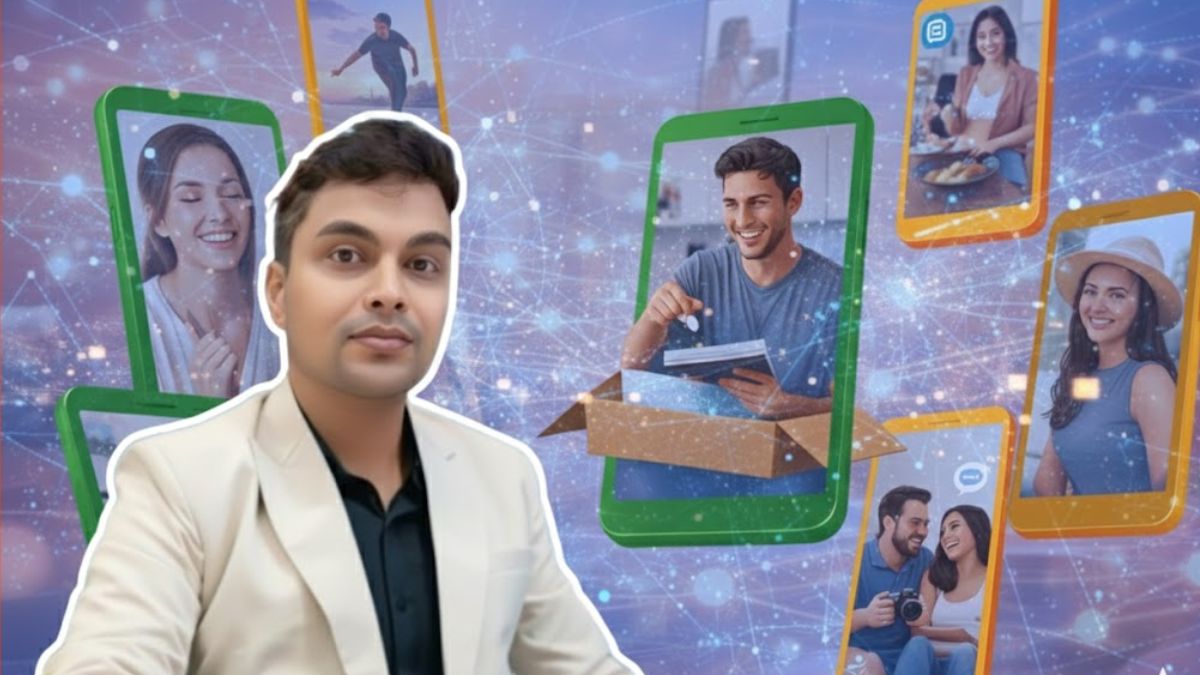
User-generated content has quietly, but decisively, emerged as the heartbeat of modern digital storytelling. It’s no longer enough for brands to craft slick campaigns from behind polished studio walls; audiences are hungry for the raw, lived-in reality of other humans’ experiences. When real users — people who are just like us, with ordinary routines and unfiltered opinions — share their stories, they create a resonance that scripted ads simply cannot match. This is not theory; it’s human psychology. People trust stories that feel real because they see themselves reflected in them.
In 2025, the data began to confirm what intuition had long suggested: campaigns anchored in UGC consistently outperformed traditional advertising in both engagement and conversion. A study from Hobo.Video revealed that content created by everyday users generated up to 60% higher engagement rates than professionally produced content, with trust metrics climbing in parallel. Viewers reacted to the imperfections — the shaky hand, the casual voiceover, the laughter or surprise in the background — because it mirrored their own experiences. These small, authentic moments, once overlooked by marketers, became the currency of connection.
3.1 a campaign where real customers shared how a fitness tracker seamlessly fit into their daily routines
Consider a campaign where real customers shared how a fitness tracker seamlessly fit into their daily routines. Instead of being passive observers, audiences felt like participants in a shared journey. Comments poured in, experiences were mirrored, and viewers even began sharing their own stories, creating a ripple effect that extended far beyond the initial campaign. The result? Not just engagement, but emotional investment — a sense that the brand was inviting audiences into a living, breathing community rather than simply talking at them.
The rise of UGC has also fundamentally democratized influence. Marketing is no longer the exclusive playground of celebrities and megainfluencers. Every creator, every everyday user who understands how to tell stories that resonate, becomes a beacon of trust. Brands that embrace this shift are not only expanding their reach but also deepening their impact. UGC isn’t just marketing; it’s human connection amplified, and it reminds us that influence belongs to anyone willing to tell the truth in a compelling way.
4. Short-Form Video: The Dominant Storyteller
If there was a single format that crystallized the pulse of 2025’s digital attention economy, it was short-form video. In a world where the human attention span feels measured in seconds, these bite-sized narratives have become the most potent medium for storytelling. But the power of short-form content is not rooted in speed alone; it is rooted in intimacy. Each second carries the potential to spark recognition, laughter, or empathy — a fleeting but profound emotional exchange that resonates longer than the clip itself.
What sets effective short-form video apart is its relatability. Audiences are no longer swayed by glossy production alone; they seek something that mirrors life as it is — imperfect, spontaneous, and, above all, human. A 20-second clip of a creator fumbling while demonstrating a recipe or reacting to a product doesn’t just entertain; it validates the audience’s own experience, making them feel seen. Brands that leaned into these moments saw engagement rates soar, with viewers not just watching, but responding, sharing, and internalizing the story.
Short-form video also bridges the gap between information and emotion. From quick tutorials to lifestyle montages, every frame becomes a micro-story that carries meaning. One Hobo.Video analysis highlighted that campaigns leveraging creator-led short-form narratives achieved twice the retention rates of traditional advertising, proving that humans are wired to connect with content that feels alive. For many marketers, short-form storytelling has become the backbone of modern campaigns, combining efficiency, creativity, and emotional depth in a way that traditional formats cannot match.
5. AI in Marketing: Insight, Not Replacement
Artificial intelligence has quietly become the scaffolding behind the most successful modern marketing campaigns. But its role is subtle, almost invisible: it doesn’t replace the human touch; it amplifies it. At Hobo.Video, AI is used not to write the story, but to help understand who will hear it, how they will respond, and when it will land most effectively. It’s the difference between shouting into a crowded room and having a precise conversation with someone who actually cares.
One of the most profound applications is in influencer discovery. Gone are the days when brands relied solely on follower counts or surface-level metrics to choose partners. AI now evaluates engagement quality, audience relevance, and behavioral signals that truly predict impact. It can differentiate between a creator whose audience is passive and one whose followers act, comment, and share — a distinction that can make the difference between a campaign that fizzles and one that moves markets.
AI also transforms execution in real time. Campaigns no longer need to wait weeks for post-mortem reports. Budgets can be redirected on the fly, content that resonates is amplified instantly, and underperforming posts are adjusted or paused. The result is efficiency, yes, but also a heightened alignment between storytelling and human response.
Yet, perhaps the most important insight is that AI cannot replace intuition, empathy, or creativity. Instead, it strengthens them. When human insight combines with algorithmic precision, marketing becomes more than an exchange of messages; it becomes a dialogue, an experience, a reflection of human desires and emotions. In this way, AI doesn’t automate connection — it enhances it. The Future of Digital Marketing, as Vishal Sharijay Garg notes, will be built not on machines alone, but on the profound interplay between human storytelling and intelligent insight.
6. Why Traditional Marketing Metrics Stopped Working
By 2025, digital marketing had matured, but with maturity came clarity — and a harsh awakening. Brands that had relied for years on surface-level metrics like impressions, views, and follower counts discovered a painful truth: these numbers often lied. They suggested influence, reach, and engagement, yet in reality, they masked disengagement and indifference. Vishal Sharijay Garg, founder of Hobo.Video, highlighted how many campaigns were winning on paper but failing in the hearts of their audiences. (startuptalky.com)
The problem was twofold. First, volume metrics created the illusion of influence. A video could rack up a million views, yet only a fraction of viewers would care enough to click, comment, or take action. Reach had become a vanity metric — impressive, but shallow. Second, audiences had evolved. They became increasingly adept at spotting content that was overly polished or sales-driven. People no longer wanted to feel like they were being sold to; they wanted to feel understood, acknowledged, and engaged. Campaigns that ignored this shift, no matter how sophisticated or well-funded, struggled to connect on a meaningful level.
This disconnect revealed the limitations of traditional performance metrics. Marketing could no longer be evaluated solely by numbers; it had to be measured by the depth of human connection. The Future of Digital Marketing required a fundamentally new model — one rooted in emotional resonance, trust, and shared experiences.
7. Engagement Quality: The New King of Performance
If 2025 proved anything, it was that quality had eclipsed quantity. The campaigns that achieved true impact were rarely the ones with the largest audiences; they were the ones that engaged audiences in ways that felt personal, relevant, and emotionally grounded. Garg observed that content which sparked dialogue, curiosity, or reflection often outperformed high-reach campaigns by a wide margin. Brands began to shift their evaluation framework. No longer was raw reach sufficient. Success was now measured by how deeply users interacted with content, whether conversations organically formed around a campaign, if creators established trust rather than hype, and how many viewers transformed from passive watchers into engaged participants or customers.
This approach inherently favored creators who cultivated real relationships with their audiences. Nano and micro creators, often overlooked in earlier marketing strategies, became linchpins of brand influence. Their content was rarely flawless, but it carried authenticity — and authenticity built trust. Consumers responded not to the gloss of production but to the sincerity of experience. It was storytelling that breathed life, not scripts that dictated it. In practice, this meant a single, intimate review from a nano creator could outweigh a million impressions from a celebrity shoutout. A heartfelt moment shared in a short video could drive conversation, shares, and loyalty in ways traditional campaigns never could. Quality became the currency of engagement, and trust became the metric that mattered most.
8. The Failure of “One-Size-Fits-All” Campaigns
Perhaps the most revealing insight from Vishal’s interview was the growing recognition that broad, generic campaigns no longer resonated. The audience landscape had splintered into countless micro-communities, each with its own language, values, and expectations. Mass messaging — a staple of marketing for decades — simply could not reach them effectively.
In 2025, many brands faltered because they clung to outdated playbooks. They recycled identical scripts across platforms, prioritized follower counts over alignment, treated creators as mere distribution channels rather than collaborators, and ignored the nuanced motivations of niche audiences. The result? Campaigns that looked polished, ticked all the boxes on corporate checklists, but failed to resonate on a human level.
Creator-led marketing emerged as the antidote to this shortcoming. By leveraging voices already trusted within communities, brands could bypass skepticism and speak directly to lived experiences. When a creator shared a product in their own tone, routine, and context, it no longer felt like marketing — it felt like advice from a friend. It was authentic, relatable, and human. In essence, the lesson was profound: the era of one-size-fits-all messaging was over. Marketing had to become adaptive, responsive, and deeply human. The brands that succeeded were those willing to step out of the boardroom, listen to their audiences, and collaborate with creators who knew those communities best.
9. How Creator-Led Campaigns Actually Work
Creator-led campaigns represent a fundamental shift in marketing philosophy. They are not about hiring an influencer to hold a product and smile for the camera. They are about embedding the brand into stories that feel lived-in, genuine, and inseparable from the creator’s own narrative. This subtle, almost invisible distinction has redefined the rules of engagement, turning audiences from passive observers into active participants.
In practice, a creator-led campaign unfolds like a carefully choreographed yet fluid dance. Creators interpret brand briefs through the lens of their own personality, humor, and voice. The stories are not dictated by scripts or corporate mandates — they grow organically from real experiences, everyday struggles, and authentic moments. Viewers instinctively sense this authenticity. They don’t feel marketed to; they feel understood. And that emotional alignment drives behavior in ways traditional ads cannot replicate.
Measuring success in this world also requires a new mindset. Campaigns are evaluated not just on raw views or follower counts, but on the depth of engagement, conversation quality, and emotional resonance. How many viewers shared their own stories in response? How many felt compelled to act, click, or convert? These qualitative metrics became more telling than anything quantitative ever could.
Platforms like Hobo.Video were instrumental in enabling this transformation in India. They allowed brands to collaborate with hundreds of creators at once, while still preserving the uniqueness of each voice. Their AI-driven matching ensured campaigns reached creators whose audiences genuinely aligned with brand objectives. This precision gave brands confidence that scaling would not dilute authenticity — a challenge that had previously hampered influencer marketing at large.
9.1. Authenticity at Scale
The real power of creator-led campaigns lies in making authenticity scalable. Even when brands work with dozens, hundreds, or thousands of creators, each story feels personal and unique. This human-first approach allows large campaigns to maintain intimacy — viewers feel like content is speaking directly to them, not at them.
9.2. Higher Conversion
Trust is the invisible currency of digital marketing. Audiences are far more likely to act on recommendations from creators who speak their language and share their realities. A well-integrated story from a trusted creator can drive conversion rates far higher than a polished ad with celebrity endorsement. This isn’t speculation — numerous campaigns in 2025 tracked conversion lifts of 30–50% when using creator-led content versus traditional advertising, proving the impact of relational influence over reach alone.
9.3. Faster, Data-Driven Optimization
Short-form creator content provides a laboratory for rapid testing and iteration. Campaigns can be monitored in real-time, with insights into what resonates, what flops, and where attention spikes. Brands can then optimize messaging, adjust creative, and redistribute budgets on the fly. It is a system where storytelling meets analytics — fast, responsive, and deeply human.
10. UGC vs Influencer Content: Why 2025 Blurred the Line
By 2025, the distinction between user-generated content (UGC) and influencer marketing began to dissolve. Previously, UGC was the unpolished, authentic voice of everyday users, while influencers brought reach, structure, and visibility. Audiences now stopped categorizing content by its creator; they responded to how real, relevant, and relatable it felt.
Vishal Sharijay Garg observed that UGC became even more critical than traditional influencer endorsements. (startuptalky.com) Why? Because authenticity had become the decisive factor in engagement. When viewers saw real people navigating products in real life, it sparked empathy, trust, and a sense of shared experience. Influencer content, meanwhile, provided the structure and strategic amplification that ensured stories reached the right eyes at scale.
When these forces combined — authentic user experiences amplified by creators’ reach and storytelling skill — marketing achieved a powerful new synergy. Campaigns became more than messaging; they became conversations. Audiences didn’t just watch; they contributed, shared, and created their own narratives in response. Short-form videos acted as the glue that held this ecosystem together. In mere seconds, a creator could tell a story, evoke emotion, and invite participation. Every laugh, surprise, or fleeting moment became a bridge between brand and audience, between commerce and culture. In this way, 2025 marked the moment when marketing stopped being a broadcast and became a human-centered dialogue, deeply rooted in trust, empathy, and shared experience.
11. Short-Form Videos: From Entertainment to Conversion Engine
Short-form videos were once dismissed as fleeting entertainment, little more than a way to kill time between tasks. By 2025, however, they became a critical engine for conversion — not because the format changed, but because human behavior did. Viewers increasingly craved immediacy, relevance, and authenticity. A 15-second story could now spark emotions, create trust, and drive action in ways a two-minute polished ad never could.
Audiences were no longer passive. They gravitated toward content that was quick, visually compelling, and informative. They craved stories that felt lived-in — real moments from real people. Ignored the generic, highly polished ads and responded instead to narratives that mirrored their own daily experiences. And crucially, they were far more willing to act on authentic recommendations. Data from campaigns in India in 2025 showed that short-form videos featuring genuine creator narratives drove purchase intent rates 40–60% higher than traditional ad formats.
Creators who mastered this micro-storytelling became brand powerhouses. With just 15–30 seconds, they could communicate a product’s utility, demonstrate lifestyle fit, and build emotional resonance. Brands quickly recognized that these videos were not just tools for awareness; they were instruments of influence and conversion. Short-form content’s brilliance lies in its simplicity. It empowers creators to experiment freely, keeps production costs low, and allows campaigns to be agile. Micro-moments — a laugh, a surprise, a small interaction — become emotionally charged touchpoints that resonate long after the video ends. In a world where attention spans are shrinking and content floods every feed, short-form storytelling is the most human, immediate, and effective bridge between brand and audience.
12. Why AI Became the “Silent Partner” in Modern Marketing
Artificial intelligence didn’t replace marketers; it elevated them. Vishal Sharijay Garg calls AI “an invisible enabler” because its power lies not in creating content, but in illuminating insight and amplifying human judgment. AI reshaped marketing in three critical ways, each redefining the relationship between data, creators, and human intuition.
12.1. Audience Relevance Tracking
No longer were demographics sufficient to understand an audience. AI began analyzing behavioral patterns, emotional responses, and nuanced engagement signals — the subtle cues that reveal what content truly resonates. It could detect the difference between a passive viewer and someone likely to comment, share, or take action. Campaigns that leveraged AI-driven relevance tracking consistently outperformed traditional targeting, generating higher engagement and a deeper understanding of audience needs.
12.2. Creator Discovery and Fit
Matching brands with creators had long been guesswork. AI changed that entirely. Algorithms now evaluated creators based on engagement authenticity, audience interests, interaction history, and consistency of content quality. Instead of betting on large followings alone, brands could collaborate with creators whose audiences aligned naturally with the campaign goal. The result? Authentic storytelling at scale, with measurable increases in ROI and trust metrics, all without sacrificing the creator’s voice.
12.3. Real-Time Campaign Optimization
Perhaps the most transformative impact was AI’s ability to enable real-time campaign optimization. Campaigns no longer ended in post-mortem reports; they evolved as they ran. Budgets could be redirected toward high-performing creatives instantly, while underperformers could be paused or adjusted. This marriage of analytics and creativity allowed brands to be responsive in ways impossible just a few years prior.
As Garg succinctly puts it, The Future of Digital Marketing is human-led and AI-assisted. Creators inject emotion, culture, and relatability into content. AI brings precision, insight, and efficiency. Together, they form a symbiotic relationship where storytelling and strategy intersect seamlessly.
13. When Creator Communities Become Movements
The most profound shift in 2025 wasn’t just in formats or technology — it was in the rise of creator communities as cultural forces. Brands that understood this didn’t see creators as disposable gig workers; they treated them as partners, collaborators, and co-creators of cultural narratives. Creator communities don’t merely promote products. They influence behavior, shape trends, and guide aspirations. Each community has its own internal language, trust systems, and shared values. In sectors from fashion to gaming, fitness to food, parenting to finance, campaigns anchored in creator communities consistently outperformed brand-driven campaigns by creating genuine emotional resonance.
These communities become self-reinforcing ecosystems. A recommendation from a trusted creator triggers conversation, emulation, and ultimately adoption. Audiences don’t just observe; they participate. They contribute to trends, share feedback, and even co-create content. Trust within these communities is deeper and more resilient than any paid media could achieve.
This is why Garg argues that creator communities are the next brand powerhouses. They are not passive audiences; they are tribes. And in the future of marketing, trust — the kind built over time through authentic interactions and shared experiences — will outweigh reach, impressions, and mass advertising. In essence, the brands that succeed will be the ones who learn to listen, collaborate, and embed themselves within these living, breathing ecosystems of influence.
14. The Future of Digital Marketing: Where We Go From Here
If 2025 was the year digital marketing broke its old rules, the years ahead promise a complete reinvention. Vishal Sharijay Garg emphasized one truth that is impossible to ignore: we are not merely entering a new campaign cycle. We are witnessing a cultural transformation in how people discover, trust, and engage with brands.
The coming era will be defined by four pillars: human trust, creator-driven influence, AI-powered insight, and community-led interaction. Brands that cling to old hierarchies — treating marketing as one-way broadcasting — will struggle. The future belongs to those who can speak the language of creators, embed themselves in communities, and tell stories that feel alive rather than constructed. This next decade will not just test creativity; it will test empathy. Brands must understand not only what audiences want, but why they care. They must listen, learn, and participate in human conversations at scale.
15. Prediction #1: Communities Will Become the New Distribution Networks
For decades, the marketing ecosystem revolved around selling products. Then platforms emerged as intermediaries, a bridge connecting brands to users. Now, communities are replacing platforms as both the bridge and the destination. Creators are no longer solitary content producers. They are hubs of influence, shaping conversations, trends, and even purchasing behavior. The people who follow these creators do more than watch videos — they adopt their values, humor, and lifestyle, letting creators influence their choices in ways that traditional advertising never could.
The implications are profound. Brand loyalty is gradually being replaced by community loyalty. Purchase intent is increasingly creator-driven, as audiences trust recommendations from individuals they identify with. Product discovery is migrating from search bars to niche tribes, where relevance is dictated not by SEO or ads, but by shared interests and values.
In practical terms, this means that the consumer journey is shifting. Instead of “search and discover,” it’s now “follow and adopt.” A viewer doesn’t just look for a product; they find it embedded in stories, conversations, and experiences that already resonate with their identity. Early results in campaigns leveraging creator communities show 30–50% higher engagement rates and significant upticks in organic conversion, proving that the path to purchase is increasingly human and relational.
16. Prediction #2: AI Will Personalize Every Step of the Consumer Experience
Artificial intelligence will define the next era of digital marketing — not as a replacement for human creativity, but as its most powerful amplifier. Garg explained that AI’s influence extends far beyond analytics, transforming the very way brands communicate with audiences.
AI now enables hyper-personalized experiences at scale. Every viewer sees the right creator at the right time. Campaigns adjust dynamically based on real-time behavior. Content formats adapt to individual consumption habits, and product recommendations feel less like advertising and more like guidance from a trusted friend.
For instance, a beauty brand using AI-driven insights might show a skincare tutorial from a micro creator only to users whose prior engagement patterns indicate interest in natural remedies. Meanwhile, a different audience segment might receive a short lifestyle story featuring the same product, tailored to their visual and emotional preferences. The effect is astonishing: personalization becomes so natural that advertising no longer feels like advertising — it feels like a human connection.
Brands employing this approach have already seen measurable impact. Campaigns optimized with AI for creator fit and audience relevance consistently outperform traditional campaigns by 25–40% in conversion rates, with engagement patterns that indicate long-term loyalty rather than one-off attention. In short, AI allows marketing to evolve from a blunt instrument into a finely tuned conversation that respects human attention, emotions, and intent.
17. Prediction #3: Short-Form Video Will Evolve Into Multi-Layered Storytelling
Short-form video is not a passing trend — it is the foundation of contemporary digital narratives. But its future extends far beyond quick entertainment or simple product demonstrations. In the next five years, short-form content will evolve into multi-layered, interconnected storytelling, where micro-narratives stretch across creators, formats, and even episodes.
Consider a skincare brand working with ten different creators. One might unbox the product with excitement, another could document the daily routine, a third might show long-term results, while yet another creates a comedic twist about real-life struggles. Each piece stands alone, yet collectively, they form a coherent, cinematic journey that unfolds in micro-moments of 15–30 seconds. Audiences don’t just watch content; they follow a story, anticipating the next chapter, engaging with each installment emotionally, and feeling invested in the narrative.
This evolution changes the role of creators. They no longer act as isolated messengers but as co-authors of a living story, collaborating with each other to maintain consistency, suspense, and authenticity. Brands, in turn, become part of cultural narratives instead of just campaigns — woven into conversations, rituals, and experiences that audiences value and remember. Early pilots of multi-creator arcs already demonstrate striking results: campaigns with interconnected storytelling generate 40–50% higher engagement and audience retention than standalone short videos, proving that human brains crave continuity, empathy, and relational context, even in micro-content.
18. Prediction #4: Marketing Will Shift From Attention to Participation
For decades, marketing measured success by attention — clicks, impressions, and reach. But 2025 marked a pivotal realization: attention alone is hollow. Real impact comes from participation, from audiences actively engaging, responding, and contributing to a story.
Garg observed that campaigns succeed when audiences feel involved rather than targeted. Creator-led initiatives achieve this naturally. By embedding products and narratives within a creator’s lived experience, audiences feel like participants in a larger cultural moment. They don’t just consume content; they comment, share, remix, and integrate it into their own lives.
The future of participation-driven marketing looks like this: UGC becomes co-creation, with audiences helping shape product stories. Campaigns pivot around user actions instead of passive metrics. Every like, share, or comment becomes an indicator of genuine resonance. Participation builds trust; trust fosters influence; influence drives real-world adoption and sales. Brands that master this shift are no longer broadcasters; they become facilitators of culture, enabling communities to express themselves while amplifying authentic narratives. In practice, early campaigns that encouraged user co-creation recorded engagement spikes up to 60% higher than static campaigns, illustrating that human involvement cannot be replaced by any algorithm or ad spend.
19. Prediction #5: Creators Will Become Long-Term Partners, Not Temporary “Slots”
The era of treating influencers as interchangeable ad placements is ending. The next generation of marketing will be built on partnerships, not transactions. Creators who cultivate authentic communities will move beyond one-off campaigns to become strategic brand collaborators with multi-year relationships. These partnerships will extend into core business areas. Creators will influence product design, shaping offerings based on real-time feedback from their communities. They will co-develop brand strategy, contribute to narrative arcs, and help position brands culturally. They will participate in feedback loops that refine messaging, content, and even market positioning. The power dynamic shifts: instead of brands dictating campaigns, creators help guide the story, ensuring it resonates deeply with audiences.
The implications are profound. Marketing becomes human-centered, iterative, and trust-driven. The next iconic brand ambassadors won’t necessarily be celebrities with wide reach. They will be creators who have earned loyalty through authenticity, relatability, and consistent engagement. Brands that understand this early will harness the unparalleled influence of these communities, turning narrative into culture, campaigns into movements, and fleeting attention into lasting relationships. Early case studies in India show that multi-year creator partnerships increase not just sales but long-term brand affinity, with audiences perceiving products as “endorsed by someone who understands me,” a level of emotional connection no traditional celebrity campaign can replicate.
20. Prediction #6: Smaller Creators Will Outperform Big Influencers
The traditional belief that “bigger is better” is crumbling. Nano and micro creators are emerging as the most potent forces in modern digital marketing. Their power does not come from massive followings or glossy production, but from trust, relatability, and intimate engagement. Audiences follow these creators for their personality, authenticity, and voice, not for high-budget visuals. Every post, video, or story feels like a personal recommendation from a friend rather than a scripted advertisement. As a result, engagement rates for nano and micro creators often exceed those of celebrities, sometimes by two to three times. Campaigns measured in 2025 showed that these creators could drive conversions at lower cost per acquisition, outperforming large influencers whose audiences often reacted passively.
Brands are starting to respond by reallocating budgets across hundreds of smaller creators instead of investing in a single mega-influencer. Platforms like Hobo.Video make this scalable, matching brands to creators whose audiences naturally align with campaign goals. The strategy pays off not only in metrics but in community loyalty and long-term trust, creating a marketing ecosystem where influence is relational, not transactional.
21. Prediction #7: Commerce Will Happen Inside Content
The line between content and commerce is disappearing. In the future, the act of buying will be frictionless, immediate, and inseparable from storytelling.
Imagine a viewer watching a creator unbox a new gadget or demonstrate a skincare routine. Instead of navigating away, they can click, interact, and purchase instantly — all without leaving the platform. This is already happening in markets like China, and India is now catching up, with shoppable short videos, AI-triggered product suggestions, and creator-led storefronts becoming increasingly mainstream.
This integration transforms the role of content from passive entertainment to active commerce engine. Marketing, retail, and storytelling are converging, and brands that embrace this early can turn every piece of creator content into a potential sales opportunity. It’s not about pushing ads anymore; it’s about weaving commerce into experiences that audiences trust and want to participate in. Early pilots in 2025 indicate that conversion rates from shoppable creator content can be up to 5x higher than traditional digital ads, proving that commerce embedded in narrative resonates on a deeply human level.
22. What Brands Must Do Today to Stay Relevant in the Future
Preparing for the next decade of digital marketing requires three essential shifts:
22.1. Invest in Authenticity, Not Packaging
Audiences are no longer persuaded by glossy, corporate-style content. They crave honesty, relatability, and human connection. Brands must pivot from perfection to genuineness, creating narratives that feel lived-in and emotionally resonant.
22.2. Build an Always-On Creator Pipeline
Creators are not campaign tools; they are partners in shaping perception over time. Brands that cultivate ongoing relationships, providing creators with creative freedom and strategic alignment, benefit from sustained influence and community loyalty. Multi-year collaborations outperform one-off activations, driving measurable engagement, long-term trust, and repeat conversions.
22.3. Use AI for Insight, Not Replacement
Artificial intelligence is most effective when it supports human judgment. It should analyze audience behavior, optimize campaigns in real-time, and recommend creator fit, but the heart of storytelling remains human. Creativity, emotion, and culture cannot be automated — they must be felt, interpreted, and delivered by people.
23. Garg’s Final Message: The Future Is Human-Led and AI-Assisted
The most profound insight from Vishal Sharijay Garg’s interview is simple, yet transformative: the future of digital marketing is human-centered, not media-centered.
Creator communities are no longer assets to be bought. They are cultural forces, shaping behavior, building trust, and amplifying meaning across networks. Brands that fail to integrate into these ecosystems risk irrelevance; those that succeed can achieve influence at a scale previously unimaginable.
In this new world:
- AI enhances strategy, enabling smarter decisions and rapid optimization.
- Creators deliver emotion, authenticity, and cultural relevance.
- Communities amplify meaning, spreading trust organically through shared narratives.
Together, they form the backbone of tomorrow’s marketing — a system that is relational, adaptive, and human. Success will no longer be measured merely by impressions or clicks. It will be measured by trust, participation, and the depth of human connection. Brands that understand this, and act on it, will not only survive the next decade — they will shape it.
About foundlanes.com
foundlanes.com is India’s leading startup idea and deep-dive platform built for founders, operators, and serious entrepreneurs. We go beyond surface-level advice to deliver grounded, research-backed, and experience-driven startup content.
Every guide on foundlanes.com is designed to help readers think clearly, act strategically, and build sustainably. This cloud kitchen startup guide is part of our mission to document real business pathways in India’s evolving startup ecosystem.