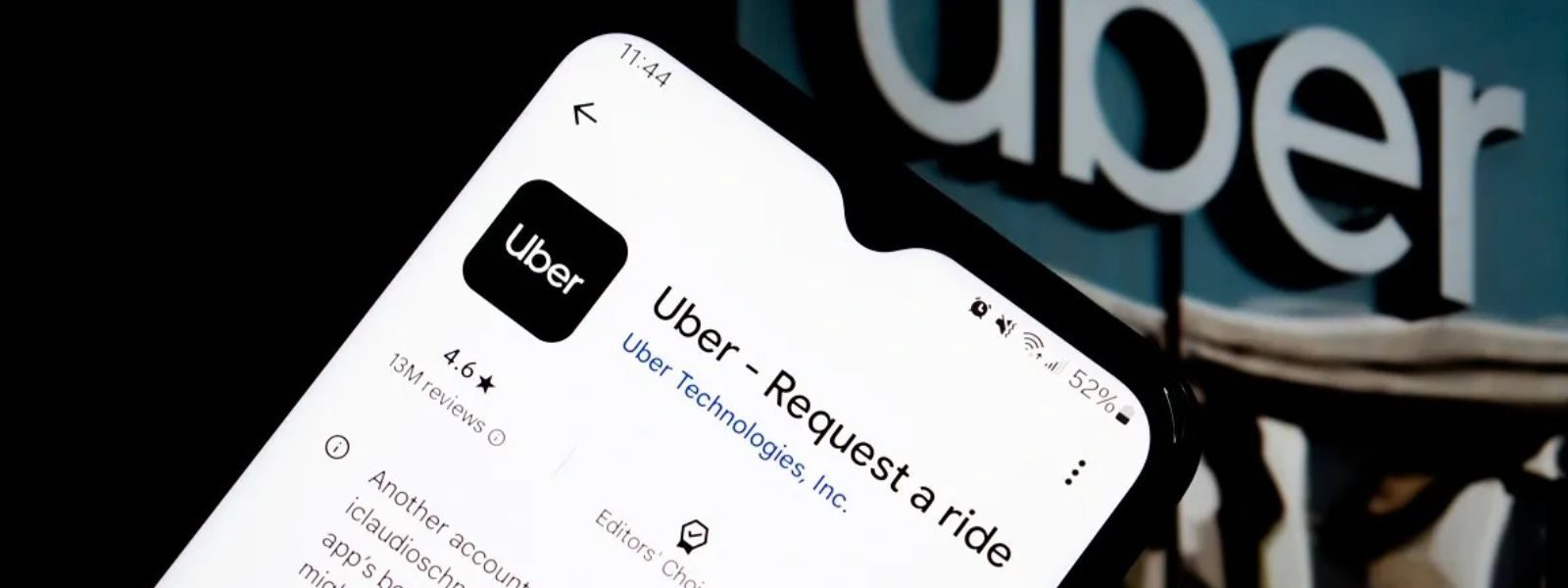
In a strategic shift, Uber has unveiled a zero-commission model for auto rickshaw drivers across India, transitioning from its traditional commission based system to a subscription-based framework. This move aligns Uber with local competitors like Rapido and Namma Yatri, who have already adopted similar models. Under this new approach, Uber will function solely as a technology platform, connecting riders with drivers without intervening in fare negotiations or ride execution. Drivers will retain the full fare from each trip, with payments made directly to them, as Uber will no longer process transactions or track payments. This initiative aims to address driver concerns over high commissions and enhance service reliability for riders.
Uber’s Operational and Revenue Model
Founded in 2009 by Garrett Camp and Travis Kalanick, Uber Technologies Inc. has transformed transportation with its ride-hailing services, operating in over 10,000 cities worldwide. It offers diverse services, including UberX for affordable rides, UberXL for larger groups, Uber Black for premium travel, Uber Eats for food delivery, and Uber Freight for logistics. Traditionally, Uber’s revenue model relied on a commission based structure, charging drivers 20% to 30% per ride. While this system generated significant revenue, it also led to driver dissatisfaction due to reduced earnings.
Transition to a Subscription Based Model
On February 18, 2025, Uber announced a significant change in its operational strategy for auto rickshaw services in India. The company shifted from a commission-based model to a subscription based model, allowing drivers to retain the entire fare from each trip. Instead of deducting a percentage from each ride, Uber now charges drivers a fixed subscription fee for access to its platform. This change positions Uber as a Software-as-a-Service (SaaS) provider in the auto rickshaw segment, focusing on connecting drivers and riders without intervening in fare negotiations or ride execution. An Uber spokesperson stated, “Given the industry’s shift towards a subscription-based model for drivers, we have decided to align our approach accordingly so as not to be at a competitive disadvantage.”
Implications for Drivers and Riders
Under the new model, Uber’s role is limited to providing a platform through its app. The driver and rider will agree on the final fare through negotiation, and Uber will not be responsible for how the ride is carried out. This means the company will not intervene in cases of ride cancellations or refusals by the driver. The app will continue to suggest a fare, but it will no longer enforce any commission charges. Notably, the company also mentioned that all payments will be made directly to the driver partner, as it will not charge any commission, process transactions, or track payments.
Industry Context and Competitive Landscape
Uber’s move follows similar steps by other platforms, including Rapido and Namma Yatri, which have been offering zero commission or subscription based models to auto drivers. Rapido started such a system for cab drivers in late 2023 and extended it to auto drivers in early 2024. Ola has also reportedly piloted subscription features in several cities. These changes stem from growing complaints by drivers over commissions charged by ride hailing services and repeated strikes in cities such as Chennai. By eliminating commissions, companies hope to reduce driver unrest and improve service reliability for riders.
Regulatory Considerations
The transition to a subscription-based model also comes amid ongoing confusion over GST applicability on ride hailing services. Both Uber and Ola had approached the finance ministry last year seeking clarity on the issue. The tax treatment of ride hailing platforms has been inconsistent. While Karnataka’s AAR ruled that Bengaluru-based Namma Yatri was not liable to pay GST on rides booked through its platform, Tamil Nadu’s tax authority held a contrary view. Later, Karnataka AAR ruled that Rapido was liable to pay GST on cab rides booked through its app.
Background of Uber’s Auto Rickshaw Services in India
Uber launched its auto rickshaw services in India in 2015, aiming to tap into the country’s vast three-wheeler market. The service, known as “Uber Auto,” allowed riders to book auto rickshaws through the Uber app, offering upfront pricing and digital payment options. Over the years, Uber Auto expanded to multiple cities across India, becoming a popular choice for affordable and convenient transportation. However, the commission based model led to dissatisfaction among drivers, resulting in protests and strikes. In response, Uber piloted a subscription-based plan for auto rickshaw drivers in select cities in April 2024, starting with Chennai, Kochi, and Visakhapatnam. The success of this pilot program influenced Uber’s decision to implement the zero commission model nationwide.
Learning for Startups and Entrepreneurs
Uber’s shift to a zero commission or subscription based model underscores the need to adapt business strategies to industry trends for competitiveness. Addressing stakeholder concerns, especially those of service providers, fosters sustainable models. Navigating regulatory landscapes ensures compliance and strategic success. Flexibility in business models allows companies to explore new growth opportunities while improving stakeholder satisfaction. Leveraging pilot programs helps test innovative approaches before full scale implementation, reducing risks and enhancing adaptability.
About The Startups News
At The Startups News, we bring the latest startup news today, covering venture capital trends and business funding updates. Our platform provides deep insights into startup strategies and tech industry developments. We deliver breaking tech stories, business news live, and the latest funding announcements. Stay updated with startup ecosystem growth and innovation updates to navigate the fast-changing business landscape.