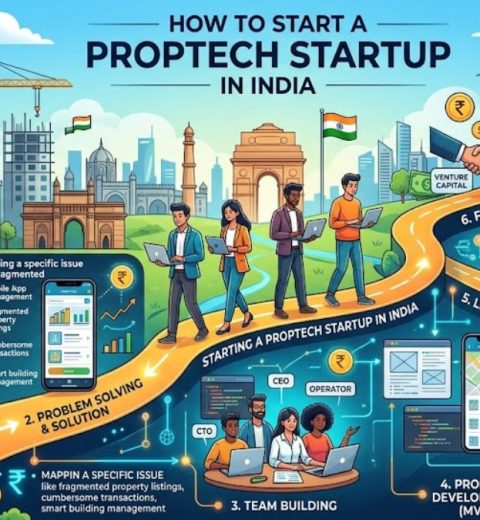
Summary
A few years ago, the idea of building a real estate app would’ve sounded like something only big companies could pull off. You’d think of large property portals, huge budgets, and teams spread across cities. But things have changed quietly. With smartphones everywhere and more people getting comfortable doing serious transactions online, that gap has started to shrink. Today, even a small team with the right approach can build something meaningful in this space.
At its simplest, a real estate app is just a place where buyers, sellers, renters, and agents come together. But if you’ve ever tried finding a house the traditional way, you know how messy it can get. Calling brokers who don’t pick up. Visiting properties that look nothing like the photos. Dealing with half information and a lot of confusion. That frustration is exactly why these apps make sense. When done right, they bring everything into one place, clean listings, clear filters, proper details, and a way to directly connect without running in circles.
The demand is real because the old way still has too many gaps. People waste days, sometimes weeks, just trying to find the right option. And even then, there’s always a doubt, “Is this information even accurate?” A good app solves that by focusing on trust. Verified listings, proper images, maybe even virtual tours. Small things, but they change the experience completely. You move from guessing to actually deciding.
What makes this even more interesting is who you’re building for. Urban millennials who don’t have time to deal with offline chaos. NRIs trying to manage property decisions from another country. Buyers in Tier 2 and Tier 3 cities who are now exploring options online more than ever before. India’s real estate market is growing, and digital habits are growing with it. It creates a space where new ideas can actually work if they’re built with real user problems in mind.
Of course, building something like this isn’t free or effortless. Depending on how far you want to go, the investment can range anywhere between ₹10 lakh to ₹1 crore. And it’s not just about building the app once. There’s research, development, branding, partnerships, and then the ongoing work of improving it. Because once users start using it, expectations rise quickly.
But here’s what it really comes down to. Starting a real estate app today isn’t just about putting listings online. That part is easy. The real challenge is creating something people actually trust and want to return to. Something that makes a stressful process feel a little more manageable. If you can do that, even in small ways, you’re not just building an app, you’re changing how people experience one of the biggest decisions of their lives.
1. Startup Idea Overview
If you’ve ever helped someone look for a house, or even tried it yourself, you know how scattered the whole process feels. One lead comes from a broker, another from a random listing site, and somehow you’re juggling calls, visits, and confusion all at once. That’s really where the idea of building a real estate app begins. Not from some big vision, but from a very real problem people deal with every day.
At its core, the idea is simple. Bring the entire property journey into one place. From discovering options to comparing them, talking to owners or agents, and even moving toward a deal. Right now, most of this still happens in pieces. You search in one place, verify in another, and rely on people you’re not always sure about. A well-built app tries to fix that by making the process feel connected instead of scattered.
The traditional system in India still leans heavily on brokers and offline networks. Sometimes that works, but often it leads to confusion. Information isn’t always clear. Listings aren’t always updated. And you end up spending more time figuring things out than actually making a decision. A digital platform changes that by bringing structure. Verified listings, clear details, and a smoother way to explore options without constantly second-guessing what you’re seeing.
What makes this idea stronger today is how people are already used to doing everything on their phones. So building a mobile-first experience just makes sense. Imagine searching for a home the same way you search for a hotel, filters for budget, location, amenities, and property type, all in a few taps. Add features like virtual tours, smart recommendations, and instant chat, and suddenly the process feels less stressful. It becomes less about chasing information and more about making a confident choice. In a way, the app stops being just a listing platform. It becomes something more useful, a place where people don’t just find properties, but actually figure out what works for them.
2. Problem Statement & Solution
2.1 What’s Broken in the Market
Talk to anyone who has searched for a house recently, and you’ll hear the same kind of stories. Listings that look great online but don’t match reality. Brokers who promise one thing on the phone and show something completely different in person. And the worst part is the time it takes. Weekends spent visiting places that were never the right fit to begin with.
A big issue is that information isn’t reliable. Listings are often outdated or repeated across platforms. Prices sometimes don’t feel consistent. And for someone new to the process, it’s hard to know what to trust. On the other side, sellers and property owners face their own challenges. They either depend on brokers or spend heavily just to get genuine inquiries. It’s inefficient from both ends. The whole system feels like it’s working, but not smoothly. There’s effort everywhere, but not enough clarity. And that’s where frustration builds.
2.2 The Practical Solution
This is where a well-designed property app can actually make a difference. Not by doing something extraordinary, but by fixing the basics properly. Start with verified listings so users know what they’re seeing is real. Add smart filters so they don’t have to scroll endlessly through irrelevant options. Even something as simple as accurate photos and details can save hours of effort.
Then comes the smarter layer. Using AI to suggest properties based on what users are actually looking at or interacting with. It’s like the app slowly understands your preferences and starts showing better options over time. Add direct chat, scheduling visits, and clear communication, and suddenly the need to depend completely on middlemen starts reducing.
The goal isn’t to remove people from the process entirely. It’s to make the process clearer, faster, and more reliable. When that happens, the experience changes. What used to feel tiring and uncertain starts feeling manageable. And that’s really what makes the difference, not just finding a property, but feeling confident about the choice you’re making.
3. Target Audience & Customer Persona
If you sit in on a few real conversations about buying or renting a home, you’ll notice something quickly, everyone approaches it differently. Some people are glued to their phones, comparing options late at night. Others rely on calls and personal contacts. A real estate app has to quietly fit into all of these behaviors.
Urban millennials are usually the first ones to adapt. They’re used to booking cabs, ordering food, even managing finances through apps, so searching for a home online feels natural to them. They don’t want to spend weekends chasing brokers unless it’s absolutely necessary. They’d rather scroll, compare, shortlist, and then step out only when something actually looks worth it.
Then there are NRIs. Their situation is different. They’re making decisions from a distance, sometimes in completely different time zones. For them, a platform isn’t just convenient, it’s essential. They rely heavily on what they see online, photos, details, pricing, everything has to feel reliable because they can’t physically verify things easily. You also have young families and first-time buyers. This group is usually more cautious. There’s excitement, of course, but also a lot of hesitation. Questions about budget, location, long-term value, all of it matters deeply. They’re not just looking for options, they’re looking for clarity. Something that helps them feel a bit more sure about a decision that’s honestly quite big.
And on the other side, there are the people listing properties. Owners, developers, brokers. For them, it’s about visibility and genuine leads. They don’t just want clicks, they want serious inquiries. So the platform has to work both ways, helping users discover properties and helping sellers connect with the right audience.
4. Market Opportunity & Timing
If you look around, it’s clear something is shifting in how people approach real estate. Not all at once, but steadily. More people are starting their search online. Even in smaller cities, you’ll find someone scrolling through property options on their phone instead of waiting for a broker to call.
India’s real estate space is slowly going through this digital change. The rise of proptech startups has already shown that there’s demand. It’s not a question of “if” people will move online, it’s already happening. And with smartphones becoming more common and internet access improving in Tier 2 and Tier 3 cities, the audience is only getting bigger. There’s also a growing sense of trust compared to a few years ago. Regulations like RERA have made things a bit more structured. People feel slightly more confident exploring options digitally. It’s not perfect, but it’s better than before. And that matters.
What makes this moment interesting is the role of technology. AI, data insights, mobile-first design, these aren’t just buzzwords anymore. They’re actually shaping how platforms work. For a new startup, this creates a fair chance to stand out. You don’t always need to be the biggest player. Sometimes, doing things smarter and more thoughtfully is enough to get noticed.
5. USP & Value Proposition
If you think about it, there are already plenty of platforms where people can search for properties. So the real question becomes, why would someone choose yours? It usually comes down to two things, trust and ease. If users feel like the information is accurate, the pricing is clear, and they’re not being misled, that’s already a big win. Verified listings might sound like a small feature, but in this space, it makes a huge difference. It removes a lot of doubt right from the start.
Then there’s the experience itself. Features like smart recommendations, virtual walkthroughs, or even simple things like faster search results can change how people interact with the app. When everything feels smooth, when you don’t have to struggle to find what you need, you’re more likely to stay and explore.
Speed also plays a role here. Nobody wants to wait for pages to load or responses to come in. Quick communication, easy navigation, and a clean interface make the whole process feel lighter. In the end, the real value isn’t just in listing properties. It’s in making a complicated, often stressful decision feel a little more manageable. If the app can reduce confusion, save time, and build even a bit of confidence in the user’s mind, that’s where it truly stands out.
6. Business Model & Pricing Strategy
If you’ve ever listed something online or even tried to sell through a broker, you already know one thing, visibility costs money. Real estate apps work in a pretty similar way, just more structured. The most common way they earn is through listing fees. A property owner or broker pays to put their listing on the platform or to make sure it shows up higher when someone searches. Think about it like this, if ten similar flats are listed, the one that’s more visible usually gets attention first. People are willing to pay for that edge because it saves them time and increases their chances of closing a deal.
Then comes subscriptions. Some agents are not just listing one or two properties, they’re handling dozens. For them, basic access isn’t enough. They want insights, better reach, maybe data on how many people are viewing their listings. So platforms offer premium plans. It’s not very different from paying for better tools in any profession. If it helps you do your job better, it feels worth it.
Advertising also plays its part. Builders launching a new project don’t want to wait months for visibility. They want people to notice it immediately. So they pay to feature their properties more prominently. You’ve probably seen those listings that stand out a bit more, that’s usually paid placement.
And then there’s lead generation, which is honestly one of the more valuable parts. Instead of just charging for visibility, the platform can charge for actual interested buyers or renters. If the leads are genuine, people don’t mind paying because it cuts down a lot of wasted effort.
What makes this model interesting is how it grows. In the beginning, costs feel heavy, building the app, setting everything up. But once it starts running, adding more users or listings doesn’t increase costs in the same way. If done right, the business becomes more efficient over time. But that only works if users keep finding value in it.
7. Execution Plan & Launch Strategy
7.1 Building the MVP
When you start building something like this, it’s very easy to get carried away. You start thinking, “Let’s add this feature, and that one too.” Before you know it, you’re trying to build everything at once. That usually leads to delays and frustration.
A better way is to keep the first version simple. Just focus on what really matters, property listings, basic filters, user login, and a way for people to connect. That’s enough to get started. I’ve seen many early products struggle because they tried to be perfect from day one. It’s much better to launch something simple that actually works. Once real people start using it, you learn quickly. You notice what they use, what they ignore, and what confuses them. That feedback is far more useful than guessing in the beginning.
7.2 Technology Stack
Tech decisions don’t always feel exciting, but they quietly shape everything. If the foundation isn’t strong, problems show up later when you least expect them.
Since most people will use the app on their phones, building for both Android and iOS is important. Nobody wants to feel left out. On the backend side, the system has to handle a lot, images, listings, user activity, all happening at the same time. If it slows down or crashes, users lose trust quickly. It’s one of those things where if everything works smoothly, nobody notices. But the moment something breaks, it becomes obvious. So it’s worth getting this part right early.
8.3 Launch Strategy
Launching everywhere at once sounds exciting, but it’s usually not practical. A more realistic approach is to start with one city. Focus on it properly. Understand how people search, what kind of properties are in demand, how brokers operate there.
This also helps in maintaining quality. You can personally ensure listings are accurate, build relationships with local brokers, and create a strong base. Those early connections matter more than people think. Early users are also important. They’re usually more patient, but they’ll tell you honestly what’s not working. Sometimes a small suggestion from a user can lead to a big improvement. That early feedback shapes the product in ways planning never can.
9. Budget, Resources & Infrastructure
Let’s not sugarcoat it, building a real estate app does need money. But it doesn’t mean you have to go all in from day one. If you’re starting small, a basic version might cost around ₹10–20 lakh. That’s enough to get something functional out there. If you want more advanced features, better design, and a smoother experience, the cost can go beyond ₹50 lakh pretty quickly. Most of the spending goes into development, design, and marketing. And honestly, marketing is just as important as building the app. Because even the best product won’t matter if people don’t know it exists.
You’ll also need the right people. Developers to build it, designers to make it usable, someone to manage the product, and people to handle marketing. It’s not something one person can do alone, at least not effectively. And then there’s infrastructure. Cloud services make things easier because you don’t have to worry about scaling from day one. As more users come in, the system can grow with them.
In the end, it’s not about spending the most money. It’s about spending it where it actually makes a difference. Starting simple, learning from users, and improving step by step usually works better than trying to build something perfect right from the beginning.
10. Brand Strategy
Think about the last time you opened a new app while searching for a house. Before you even read anything, you probably had a gut feeling. Something like, “This looks okay… I can trust this,” or the opposite, “Hmm, not sure about this one.” That reaction happens in seconds, and it’s hard to explain, but it matters a lot.
That’s where the name comes in. It sounds like a small thing, but it isn’t. If the name is confusing or forgettable, people won’t even remember it the next time. But if it’s simple, something that feels natural when you say it out loud, it sticks. And when someone is dealing with something as important as buying or renting a home, even that small sense of familiarity helps.
The design plays its part too. Not flashy, not overdone, just clean and easy to understand. You don’t want users to feel lost or overwhelmed. Colors like blue or green tend to work because they feel calm. It’s subtle, but it creates a sense of stability. If the app looks messy or too complicated, people don’t always say it, they just quietly close it.
And then there’s the tone. The way the app “speaks.” No one wants to read heavy, technical language when they’re already trying to figure out prices, locations, and options. It should feel simple. Clear. Almost like someone explaining things to you without rushing or trying to sell you something. At the end of the day, branding isn’t just about how things look. It’s about how someone feels while using your app. If they feel comfortable, if things make sense without effort, they stay. And slowly, without even realizing it, they start trusting it.
11. Vendor & Partner Strategy
Here’s something people don’t always talk about enough. You can have a great idea, but you won’t build it alone. At some point, you’ll depend on other people, and that’s where things can either move smoothly… or get frustrating. Take development. If you’re working with a team that has already built something similar, you notice the difference almost immediately. They don’t ask basic questions again and again. They understand how listings should work, how filters should behave, what users expect. It saves time, and honestly, it saves your energy too.
Marketing is another area where things can go wrong if you’re not careful. It’s easy to spend money and get traffic. But traffic alone doesn’t mean much. You need people who are actually interested, people who might genuinely use your app. A good marketing partner understands that difference. They don’t just bring numbers, they bring the right audience.
Legal stuff is something most people delay. It feels like something you’ll handle “later.” But later has a way of showing up early. Contracts, agreements, compliance, these things can become stressful if they’re not sorted in time. What really matters, though, is reliability. You want people who respond when things get stuck, who communicate clearly, who don’t disappear when things aren’t going smoothly. Because there will be moments when things don’t go smoothly. And in those moments, the right partners make all the difference.
12. Go-to-Market & Customer Acquisition Channels
Getting those first few users… that part is harder than it sounds. You might build something good, something that actually solves a problem. But if no one knows about it, it just sits there.
In the beginning, most people rely on digital marketing. SEO helps you show up when someone is searching. Paid ads give you that initial push when you need visibility quickly. Social media helps people start recognizing your name, even if they don’t use the app immediately. But what really stays with people is content. When someone is seriously looking for a home, they don’t just scroll listings. They read. They try to understand things, pricing, locations, what to look for. Simple blogs or guides can bring in users who are actually interested. It takes time, but it builds a different kind of trust.
Then there’s partnerships. Without listings, your app is empty. Working with brokers and developers helps you build that base. It’s not the most exciting part, but it’s necessary. Without supply, nothing else works. And honestly, one of the most powerful things is still word of mouth. When someone finds your app helpful, they tell someone else. Maybe a friend, maybe family. A small referral push can encourage that. And those recommendations feel real in a way ads never do.
13. Growth & Retention Strategy
Getting someone to download your app feels like progress. But the real question is, do they come back? Because when people search for a home, they don’t decide in one sitting. They come back again and again. They compare, they rethink, sometimes they even change their mind completely. Staying connected during this time matters. Something as simple as a notification, a new listing, a price drop, can bring them back at the right moment. Not too many notifications, though. Too many, and people get annoyed. It’s a balance.
Personalization makes a big difference here. When the app starts showing options that actually match what someone is looking for, it feels helpful. It saves time. And when something saves time, people notice. Small improvements also matter more than they seem. Faster loading, smoother scrolling, better filters, these things don’t sound big, but they change how the app feels. Users might not say it out loud, but they feel it.
Some platforms add small extras, maybe exclusive listings or simple offers, just to give users a reason to come back. It doesn’t have to be huge. Just enough to keep them engaged. And behind all of this, there’s data. Watching how people use the app, where they stop, what they ignore, helps you understand what’s working. It’s not about guessing anymore. It’s about learning slowly and adjusting. In the end, growth isn’t just about getting more people in. It’s about making sure the ones who come in feel like staying.
14. Team Structure & Responsibilities
When you start building something like a real estate app, one thing becomes clear pretty fast. You can’t do it alone, no matter how much you try. In the beginning, founders usually end up doing a bit of everything. You might spend your morning thinking about long-term plans, then jump into product decisions by afternoon, and by evening you’re on calls trying to close a partnership. It’s not very organized, and honestly, it can feel overwhelming at times, but that’s part of the early phase.
Developers are the ones holding everything together behind the scenes. They’re fixing things when they break, building new features, and dealing with issues that most users will never even notice. Designers, on the other hand, think about how the app feels in someone’s hand. Whether it’s easy to navigate, whether it looks clean, whether someone actually enjoys using it.
Marketing is where things get real. You might have a solid product, but getting people to even try it is a different challenge altogether. It takes patience, experiments, and sometimes a few failed attempts before something starts working. And once users come in, support becomes more important than you’d expect. A simple reply at the right time, or helping someone solve a small issue, can quietly build trust. In the early days, it’s okay if you don’t have a full team. A lot of people outsource certain roles just to keep things moving without burning through money too quickly.
15. Risks, Challenges & Mitigation
The real estate market can feel tough, especially when you’re just starting out. There are already big names in the space, and they’ve built strong positions over the years. Trying to compete with them directly can feel like hitting a wall. That’s why many new players don’t go head-on. Instead, they look for smaller openings. Maybe a specific area, a certain type of user, or a feature that others haven’t focused on yet. Finding that space isn’t always quick, it takes some trial and error.
One thing that often becomes frustrating is data accuracy. Listings change, prices update, properties get sold, and if your app shows outdated information, users notice immediately. Even a couple of bad experiences can make them hesitate the next time.
And then there’s trust. People don’t make property decisions casually. They take their time, they compare, they question. So building trust is slow. It comes from being clear, being honest, and showing consistency over time, not from big promises. Money is another constant concern in the background. It’s easy to overspend early on, especially when you’re trying to grow fast. That’s why many teams choose to move step by step, investing carefully and expanding only when they see things working. It may feel slower, but it usually keeps things more stable in the long run.
16. Legal, Compliance & Fundamentals
This is one part you really can’t afford to ignore, even if it feels a bit dry compared to building the product. Getting the basics right early saves a lot of trouble later. That means registering your business properly, whether it’s a Pvt Ltd or an LLP, instead of putting it off. It might seem like paperwork now, but it gives you structure and credibility when things start moving.
If your app deals with property listings, RERA compliance becomes important too. It’s not just a rule to follow, it actually helps build confidence for users who are already cautious. Then there are things like terms of service and privacy policies. Most people don’t read them fully, but the moment something goes wrong, they matter. Keeping them clear and honest is always a better approach than copying generic templates. And of course, payments and data security. People are sharing personal details and sometimes making big financial decisions on your platform. If they don’t feel safe, they won’t stick around. Simple as that.
17. Long-Term Vision & Goals
If things start working, a real estate app rarely stays “just an app” for long. It slowly turns into something bigger. In a few years, the natural next step is expansion. New cities, different types of properties, maybe even new user segments. Growth doesn’t happen overnight, but once you find what works, it makes sense to build on it. What really adds depth is offering more than just listings. Things like home loans, legal help, or even interior design services can make the platform more useful. Instead of users going to five different places, they start relying on one.
There’s also a quiet shift happening with technology. AI and data aren’t just buzzwords anymore, they’re slowly shaping how users discover properties, what gets recommended to them, and how decisions are made. At the core, the long-term goal is pretty simple. Become that one place people trust when they think about real estate. Not just for searching, but for everything around it.
18. Future Outlook
If you look around, more people are already comfortable doing things online that they once avoided. Real estate is moving in the same direction, just a bit slower. Starting a real estate app today actually fits well with where the market is heading. People prefer browsing options on their phones, comparing before making decisions, and avoiding unnecessary offline hassle.
What’s coming next will likely feel even more different. AI, automation, maybe even immersive experiences like virtual tours will start becoming normal. The apps that adopt these early will naturally stand out. For someone building in this space, it’s more than just entering a growing market. There’s a real chance to improve how things are done, to make the process simpler, more transparent, and less stressful for users. In the end, the ones who get it right won’t just rely on technology. They’ll balance it with trust and a smooth user experience. That’s what will shape the next phase of real estate platforms in India.
About foundlanes.com
foundlanes.com is India’s leading startup idea discovery platform. It helps entrepreneurs find actionable startup opportunities, market insights, and industry-specific guidance to turn ideas into real businesses. With deep research and practical resources, foundlanes supports founders at every stage, from idea validation to launch and growth.