
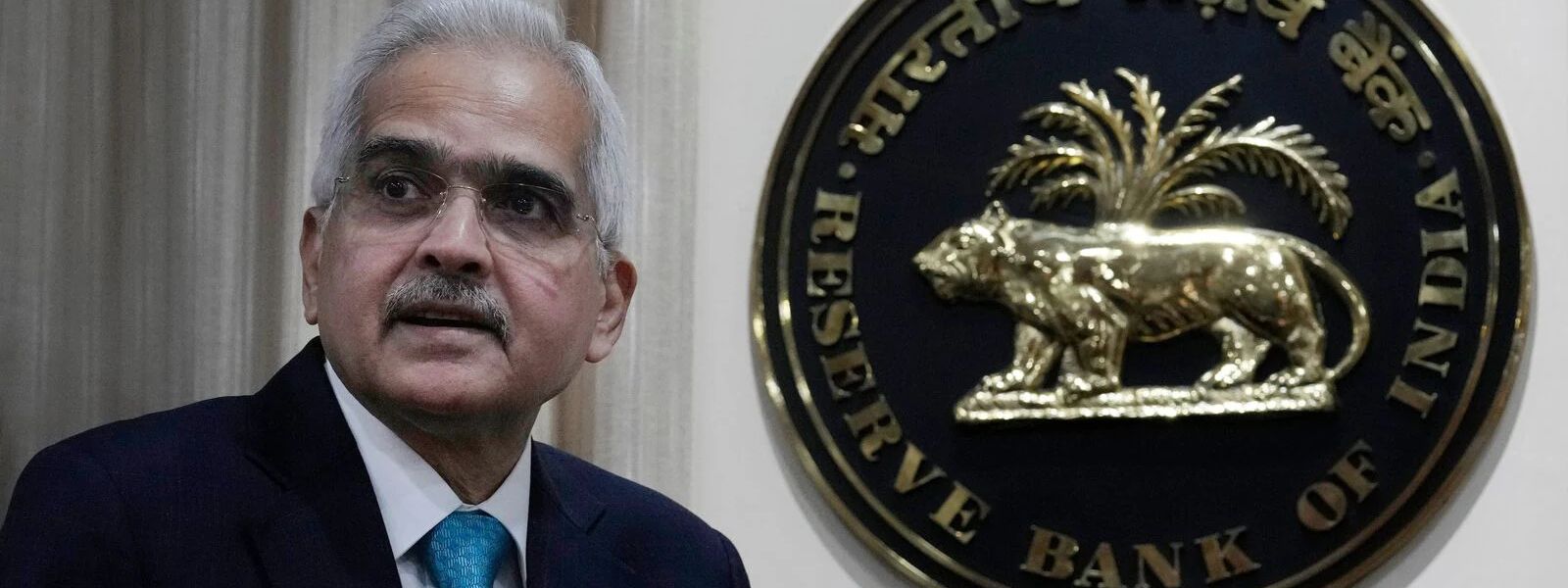
The Reserve Bank of India (RBI) has imposed penalties totaling Rs 76.6 lakh on four Non-Banking Financial Companies (NBFCs) for failing to comply with regulatory guidelines related to peer-to-peer (P2P) lending platforms. The penalized companies include Fairassets Technologies India Pvt Ltd (Faircent), Bridge Fintech Solutions Pvt Ltd (Finzy), Rang De P2P Financial Services, and Visionary Financepeer Pvt Ltd. Faircent received the highest fine of Rs 40 lakh, while Finzy and Rang De P2P Financial Services were each fined Rs 10 lakh. Visionary Financepeer was penalized Rs 16.6 lakh. The RBI clarified that these fines do not question the validity of transactions between the companies and their customers but highlight lapses in compliance with NBFC-P2P lending platform directions issued in 2017.
1. Understanding the Working Model of Penalized NBFCs
1.1 Faircent
Faircent, a leading peer-to-peer lending platform in India, operates as an intermediary between lenders and borrowers. The platform enables individuals and businesses to access credit without traditional banking institutions. By leveraging technology, Faircent provides risk assessment tools to match borrowers with potential lenders.
1.2 Finzy
Finzy follows a similar P2P lending model, facilitating direct loans from individual lenders to borrowers. It emphasizes simplified loan processing, data-driven risk evaluation, and an efficient repayment structure. The company generates revenue through transaction fees, loan origination charges, and management fees.
1.3 Rang De P2P Financial Services
Rang De focuses on social impact lending, connecting lenders with underprivileged borrowers. Its model aims at financial inclusion, offering microloans with lower interest rates compared to traditional lending institutions.
1.4 Visionary Financepeer
Visionary Financepeer operates within the P2P lending ecosystem, enabling students and entrepreneurs to access funding. It ensures that investors earn returns while supporting education and startup financing.
2. Revenue Models of Penalized NBFCs
2.1 Transaction and Service Fees
All four companies earn revenue through transaction fees levied on lenders and borrowers. They charge a percentage of the loan amount as processing fees, ensuring revenue at both ends of the lending spectrum.
2.2 Interest Rate Margins
While P2P platforms do not directly set interest rates, they influence borrower-lender agreements, enabling earnings through service fees and risk-based pricing structures.
2.3 Subscription and Membership Fees
Some platforms, including Faircent and Finzy, offer premium services, charging lenders subscription fees for access to high-rated borrower profiles.
3. RBI’s Regulatory Framework and Non-Compliance Issues
3.1 Specific Regulatory Violations
- Faircent disbursed loans without individual lender approvals and failed to disclose borrower credit assessments to lenders.
- Finzy failed to comply with P2P lending guidelines by not ensuring proper loan agreements and repayment mechanisms.
- Rang De P2P provided loans without required approvals and neglected borrower-lender agreement mandates.
- Visionary Financepeer did not maintain an RBI-compliant policy for pricing and risk management.
3.2 RBI’s Justification for the Penalties
The penalties were imposed due to violations of the ‘Non-Banking Financial Company – Peer-to-Peer Lending Platform (Reserve Bank) Directions, 2017.’ The RBI emphasized that the fines aim to enforce compliance rather than challenge the legitimacy of borrower-lender agreements.
4. Industry Insights and Trends
4.1 Growth of P2P Lending in India
The Indian P2P lending market has witnessed significant growth, with multiple platforms emerging to cater to small businesses and individual borrowers. The sector is expected to expand further, driven by increased digital penetration and alternative credit demand.
4.2 Regulatory Challenges
Despite growth, regulatory compliance remains a challenge. The RBI’s strict guidelines ensure transparency, risk mitigation, and lender protection, highlighting the importance of adherence to financial norms.
4.3 Future of P2P Lending in India
The industry is poised for further evolution, with tighter regulations and enhanced compliance measures. Companies investing in technology-driven risk assessment and regulatory compliance are likely to thrive.
5. Learning for Startups and Entrepreneurs
5.1 Regulatory Compliance is Non-Negotiable
Startups operating in financial services must prioritize compliance with RBI norms. Any deviation can result in heavy penalties, affecting business credibility.
5.2 Transparency Builds Trust
P2P lending platforms must ensure borrower-lender transparency, providing all necessary disclosures to maintain credibility and trust.
5.3 Technology-Driven Compliance Solutions
Startups should leverage artificial intelligence and blockchain for real-time compliance monitoring, reducing the risk of regulatory breaches.
About The Startups News
At The Startups News, we bring you the latest insights on fintech, startups, and regulatory developments shaping the Indian entrepreneurial landscape. Whether you’re an investor, founder, or enthusiast, stay informed with our in-depth news coverage. Explore more at The Startups News.