
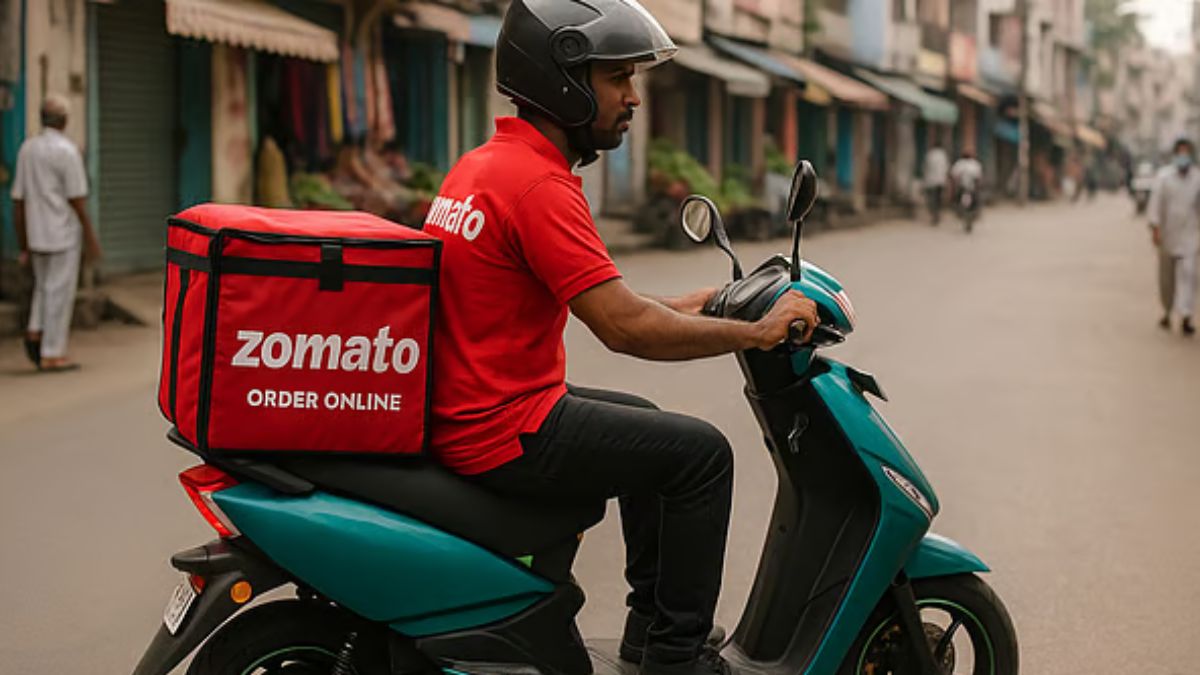
On June 5, 2025—coinciding perfectly with World Environment Day—Zomato launched a pilot in Delhi-NCR, offering 300 electric bikes for rent to its delivery partners to promote greener food deliveries. The move screams green ambitions: full EV adoption for food deliveries by 2030 and net-zero emissions by 2033. Lofty goals? Sure. But this is Zomato we’re talking about—a company that’s made disruption its calling card. The idea is simple but bold: ditch noisy, polluting gas bikes for cleaner, zippier electric ones and make them affordable for the everyday delivery partner.
By March 2025, the company had already onboarded over 37,000 EV-based delivery folks, and thanks to a solid tie-up with SUN Mobility, it added more than 15,000 battery-swappable e-bikes. India’s chasing its own EV dream (30% penetration by 2030), and Zomato’s clearly decided to lead from the front.
1. Introduction
1.1 Embracing Sustainable Delivery Solutions
Let’s call it what it is: a gutsy move. Zomato renting out EVs to its fleet isn’t just a token sustainability effort—it’s a real attempt to change the game. Fuel costs are brutal, pollution is choking our cities, and delivery partners often bear the brunt. An electric bike rental option? It’s the kind of smart, scalable solution the industry desperately needs.
1.2 Aligning with National Sustainability Goals
India’s EV push is more than just policy jargon—it’s survival strategy. Zomato knows this. Their shift to electric delivery is more than corporate box-ticking. It’s a timely sync-up with national climate targets. By pivoting its fleet towards electric two-wheelers, Zomato’s not just riding the wave—it’s helping steer it.
2. Zomato’s EV Rental Program: A Detailed Overview
2.1 Pilot Launch in Delhi-NCR
Rolling out a fleet of 300 EVs in Delhi-NCR wasn’t just symbolic—it was a stress test in the heart of India’s urban chaos. These bikes, rented by gig workers, are the foundation of something much bigger: a potential rewire of the food delivery ecosystem. And let’s be real—it’s about time.
2.2 Features of the EV Bikes
These aren’t your average battery-powered scooters. We’re talking ergonomic seats (no backaches after 8 hours on the road), puncture-resistant tyres (thank the heavens), and a design that actually makes sense for real-world deliveries. These details matter. They’re the difference between “nice idea” and “I’ll actually use this.”
2.3 Expansion Plans Based on Uptake
Zomato’s playing it smart: test first, scale second. If the Delhi-NCR trial clicks with riders—both in terms of usage and cost-effectiveness—this thing’s going national. No overpromising, just data-backed decision-making.
3. The Startup Behind the Initiative: Zomato’s Evolution
3.1 Founding and Growth Trajectory
Back in 2008, Deepinder Goyal and Pankaj Chaddah probably didn’t imagine Zomato morphing from a humble restaurant listing site to a full-blown logistics and sustainability trailblazer. But here we are—nearly two decades in—with Zomato’s presence felt across continents and kitchens.
3.2 Revenue Model and Services
Zomato’s making money in all the ways you’d expect from a food-tech behemoth—restaurant commissions, delivery charges, paid promos, subscription perks. It’s a multi-tentacled revenue machine that doesn’t just connect diners and dishes—it also reshapes how food gets from stove to doorstep.
3.3 Funding and Financial Performance
FY25 was a mixed bag. Revenue shot up by 67% to ₹20,243 crore. Not too shabby. But profits? Took a nosedive—down 78%. Why? Rising costs, aggressive EV push, and betting on long-term sustainability over short-term margins. Risky? Definitely. Visionary? Possibly.
4. Addressing Challenges in the Food Delivery Ecosystem
4.1 Environmental Impact of Traditional Deliveries
You don’t need to be an environmentalist to realize how badly internal combustion engines are messing up urban air. Food delivery fleets—ubiquitous, fast, and fossil-fueled—are a big part of the problem. Zomato’s betting big that EVs can flip the script.
4.2 Operational Costs for Delivery Partners
Ask any delivery rider—fuel is a wallet-bleeder. Zomato’s EV rental option could finally lighten that burden. With fewer trips to the gas station and less maintenance stress, riders might actually keep more of their earnings. Revolutionary? Not quite. Necessary? Absolutely.
4.3 Accessibility to Sustainable Transportation
Let’s face it—most gig workers can’t afford to buy their own EVs. Zomato knows this and is meeting them halfway. Rental beats ownership when you’re living week-to-week, and this model makes the green shift something riders can actually opt into.
5. Industry Trends and Competitive Landscape
5.1 Growing Emphasis on Sustainability
Food delivery isn’t just about speed anymore. It’s about sustainability, too. With customers asking tougher questions—What’s your carbon footprint? Are your riders burning fuel?—companies are scrambling to stay relevant. EVs aren’t a choice anymore. They’re the future.
5.2 Competitor Initiatives
Swiggy’s not sitting idle either. They’ve teamed up with SUN Mobility to throw over 15,000 e-bikes into the mix. Translation: this isn’t a solo race. It’s a green arms race. The question is—who gets it right faster?
5.3 Government Support for EV Adoption
Thankfully, the Indian government isn’t just cheerleading from the sidelines. Subsidies, infrastructure boosts, and policy nudges are making it easier for companies to go electric. Zomato’s just making the most of that tailwind.
6. Strategic Partnerships Enhancing EV Integration
6.1 Collaboration with SUN Mobility
SUN Mobility isn’t just a tech partner—it’s Zomato’s pit crew in this EV transition. Their battery-swapping stations could kill one of EV’s biggest pain points: charging downtime. With over 15,000 electrified bikes already in the mix, the results are speaking for themselves.
6.2 Association with Yulu
Another solid move: tying up with Yulu to deploy up to 35,000 purpose-built e-scooters. These aren’t hobbyist toys—they’re rugged, range-ready, and perfect for city deliveries. Last-mile logistics just got a serious upgrade.
7. Impact Assessment and Future Outlook
7.1 Environmental Benefits
Swap out tens of thousands of fuel-guzzling bikes with EVs, and yes, you’ll see a dent in emissions. Zomato’s already got over 37,000 EVs zipping around. It’s not just optics—it’s measurable impact.
7.2 Economic Advantages for Delivery Partners
Lower maintenance. No fuel. Predictable rentals. That’s real money staying in delivery partners’ pockets. Over time, that kind of financial breathing room could improve retention, satisfaction, and maybe even work-life balance.
7.3 Scalability of the EV Rental Model
This isn’t some one-off CSR stunt. It’s a blueprint. If Delhi-NCR proves viable, Zomato will likely scale this to every metro it operates in. And let’s be honest—if they don’t, someone else will.
8. Learning for Startups and Entrepreneurs
8.1 Aligning Business Models with Sustainability
Zomato’s strategy offers one big takeaway: you can do good and do business. Sustainability isn’t a side project—it can sit at the heart of your model. Smart startups are baking that into their DNA early.
8.2 Leveraging Partnerships for Innovation
Going green at scale isn’t a solo journey. Zomato leaned on SUN Mobility, Yulu, and likely more behind the scenes. The lesson? Find the right collaborators, and you move faster and smarter.
8.3 Adapting to Regulatory and Market Trends
Markets shift. Laws evolve. Consumers wake up. Zomato’s real skill here isn’t just innovation—it’s timing. The company saw where things were headed and moved early. That kind of foresight is gold.
About Foundlanes
At foundlanes.com, we don’t just share news—we dive deep into the stories that matter. Zomato’s electric vehicle initiative is more than a corporate announcement; it’s a powerful example of real-world sustainability and bold innovation. This effort shows grit and a willingness to experiment for a greener future. We’re committed to following how startups like Zomato are transforming industries and driving change. Together, these stories inspire a better, cleaner world for everyone.