Launching a footwear brand has become one of the most compelling entrepreneurial ideas in India today. Consumers are buying more shoes than ever, design preferences are shifting fast, and homegrown brands are gaining serious traction across retail and e-commerce. Anyone planning to start a footwear startup right now is entering a market that blends fashion, utility, and performance in equal measure. It is a category shaped by lifestyle changes, rising income, and a cultural shift toward health, fitness, and personal style. Shoes are no longer just functional. They are an identity marker.
The question for aspiring founders is simple. What exactly does it take to build a footwear startup in India? The answer lies in understanding why this opportunity matters, who the first customers are, what gaps remain in the market, and how a new brand can solve them. The best footwear startups begin with a clear idea of what consumers lack today: better fit, better quality, better design, better value, or better performance. The industry is full of unorganized manufacturing hubs and generic imports, but only a handful of brands actually focus on comfort engineering, locally relevant sizing, sustainable materials, or lifestyle-centric designs.
The footwear category attracts a wide mix of founders
The footwear category attracts a wide mix of founders. Some come from family-run trading businesses. Some are designers. D2C-first entrepreneurs. manufacturing professionals looking to move into branding. This business can start anywhere Tier 1 cities, Tier 2 cities with strong retail clusters, or industrial belts such as Agra and Kolkata, which are known footwear manufacturing hubs. A brand can launch at any time during the year, but founders usually choose periods before gifting seasons, festive cycles, or back-to-school demand.
Costs vary widely based on the model. A lean D2C footwear startup can begin with ₹12–25 lakh. A small-batch manufacturing line requires ₹30–75 lakh. A full-scale brand with retail ambitions can exceed ₹1 crore. The process involves research, prototyping, design, sampling, vendor selection, packaging, inventory planning, marketing, and distribution. Success depends on your unique value proposition, the clarity of your story, and how well you solve the customer’s daily problems.
This article breaks down the full journey of how to start a footwear startup in India from idea to brand building to distribution written specifically for FoundLanes readers looking for actionable clarity rather than generic advice.
1. Startup Idea Overview
A footwear startup begins with a simple idea: making better shoes for a customer who is underserved. Most consumers face the same issues. Shoes are either too expensive, too poorly made, too generic, or not designed for local weather and lifestyle. Many brands focus heavily on style but ignore comfort. Some focus on comfort but compromise on design. Several low-cost manufacturers flood the market with cheap products, but the quality rarely lasts.
A modern footwear startup solves this by crafting a focused product line built on comfort engineering, thoughtful design, and pricing that does not feel inflated. The idea is to combine performance with affordability. For example, creating sandals that support long walking hours in humid cities, or sneakers that feel premium without premium pricing, or formal shoes that do not cause pain after a full workday. The startup idea is not only about manufacturing shoes. It is about creating an identity consumers trust. A good footwear brand reflects what people need daily: durability, comfort, style, and a dependable fit. As Indian consumers spend more on fashion and lifestyle products, the market welcomes newcomers who build with intention, transparency, and thoughtful engineering.
2. Problem Statement & Solution
The footwear market in India is large but heavily fragmented. For decades, local markets have depended on unorganized manufacturers who produce cheap but inconsistent footwear. Meanwhile, global brands cater to the premium or luxury segment, leaving a wide middle gap where customers want better design and reliability but cannot justify premium pricing. The problems can be summarized simply. Sizing consistency is poor. Cushioning technology is missing in most low-cost footwear. Imported designs often fail in Indian weather or terrain. Quality checks are inconsistent. Many retailers sell products that look good at first glance but break down after weeks. Customers want dependable options but do not have enough choices in the mid-price bracket.
A footwear startup that positions itself clearly whether in comfort-first walking shoes, eco-friendly casual shoes, stylish formal footwear, or versatile athleisure can solve these problems effectively. By focusing on better raw materials, proper cushioning, and consistent sizing, the brand becomes a trustworthy alternative to both overpriced global brands like Nike and unstable local shops. The solution works because consumers recognize authenticity and feel the difference instantly when the product is engineered for real needs.
3. Target Audience & Customer Persona
A footwear startup appeals to a varied customer base depending on its positioning. Young working professionals who want stylish yet comfortable shoes form a large group. College students buying sneakers are another key audience. Fitness-conscious consumers look for running shoes that are durable, breathable, and fairly priced. Parents buy school shoes for children and want long-lasting quality. Formal footwear customers want premium appearance without high-end prices. The core persona usually falls within the 18–45 age range. This group actively follows influencers, product reviews, and sneaker trends online. They value comfort and practicality but still want styles that match everyday fashion. Price sensitivity remains a factor, but customers are willing to pay more if they trust the brand and understand the product’s benefits.
Urban consumers in India’s top cities tend to adopt new footwear brands faster. Tier 2 city customers look for affordability and durability. Both segments actively compare products online before visiting stores. A startup must design for consistent fit, everyday usability, and local climate challenges.
4. Market Opportunity & Timing
The Indian footwear market is one of the fastest-growing in the world. Rising incomes, broader fashion awareness, and lifestyle upgrades have pushed demand in every category sneakers, sandals, formals, athleisure, and kidswear. India manufactures footwear at scale but also imports heavily, especially in fashion and sportswear. This creates a wide middle segment where homegrown players can innovate. Urbanization, fitness culture, and digital-first consumption have reshaped how people buy shoes. Consumers follow global sneaker trends, performance technology, and aesthetic design narratives. The pandemic era shifted people toward walking, running, and outdoor comfort, further expanding the footwear category.
There has never been a better time for a founder to start a footwear startup in India. The market rewards brands that bring fresh designs, modern storytelling, and strong value. Local manufacturing expertise is expanding. Raw materials and specialized factories are more accessible than ever. Indian customers are ready to adopt homegrown brands that offer global-standard comfort and style.
5. USP & Value Proposition
A footwear startup succeeds when its USP is sharp. The brand must be clear about what problem it solves for the consumer. For example, a USP could focus on comfort-first engineering, sustainable materials, waterproofing solutions, antimicrobial fabrics, vegan leather innovation, or advanced sole technology adapted for Indian roads. The value proposition must be simple and honest. Customers want shoes that feel comfortable from the first wear, last long, and match their style preferences. If the startup offers a unique blend of fit, cushioning, durability, and affordability, customers will choose it over corporates and local competitors.
The best brands build value through storytelling why these materials, why this construction, why this design philosophy. Transparency on quality builds trust. When the product performs consistently, customers naturally become loyal.
6. Business Model & Pricing Strategy
Footwear startups have to make a deliberate choice about how they reach customers. Direct-to-consumer (D2C) models are often ideal for new brands, allowing control over margins, pricing, and brand narrative. Selling online directly to customers avoids middlemen, giving startups the flexibility to reinvest profits into product innovation or marketing. Hybrid models launching online first, testing traction, and then moving into offline retail offer the best of both worlds, allowing brands to validate demand before committing to high rental and operational costs. Franchise-based or wholesale distribution can accelerate geographic reach but requires careful management to maintain quality and brand consistency.
Pricing strategy is just as critical as the business model. The cost of manufacturing varies dramatically depending on materials and design complexity. Sneakers with advanced cushioning or ergonomic support may cost significantly more than a pair of casual sandals. Formal leather footwear demands skilled craftsmanship and precise finishing. Margins in footwear typically range from 35–60%, but founders must avoid frequent discounting, which can erode brand value. Successful startups maintain predictable pricing while delivering tangible value: customers are willing to pay a premium when quality, design, and durability align with expectations.
7. Execution Plan & Launch Strategy
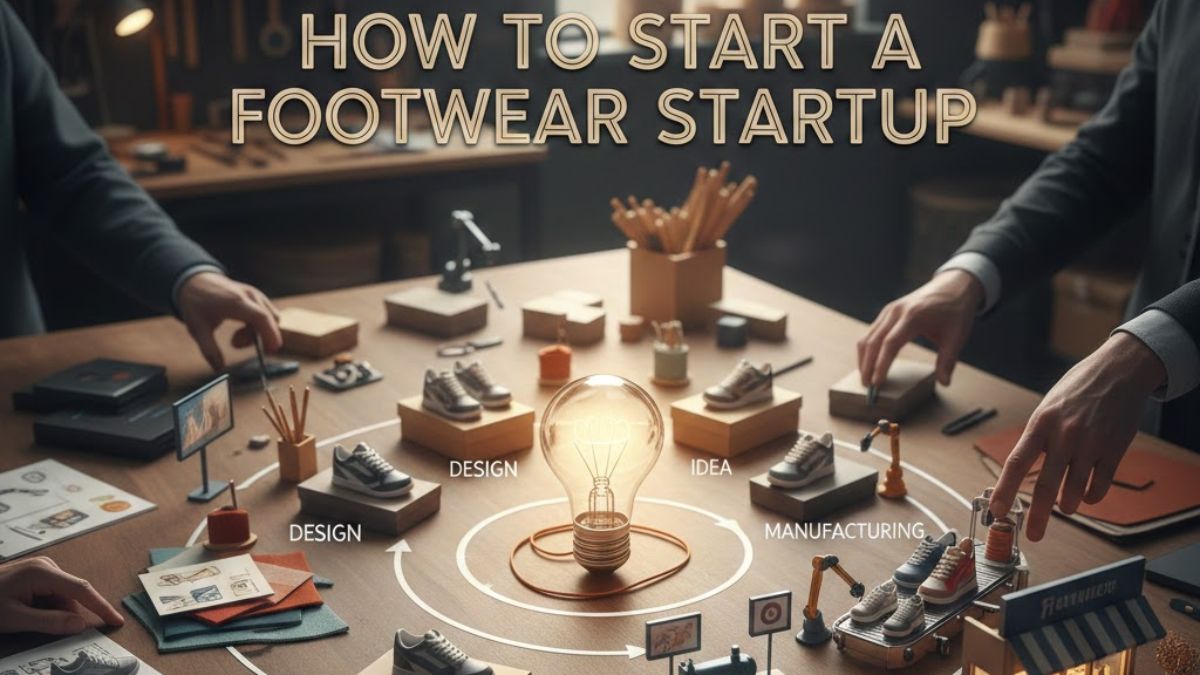
Launching a footwear startup is a meticulous process that blends creativity, craftsmanship, and operational discipline. It begins with research observing customer frustrations, analyzing competitor offerings, and understanding material and design trends. Prototyping follows, where sketches, lasts, sole construction, insole cushioning, upper material selection, and quality tests come together. Multiple iterations usually two to five rounds help refine fit, comfort, and aesthetics. The MVP stage involves testing these prototypes with real users, gathering feedback, and iterating further until the product meets both functional and stylistic expectations.
Production planning then sets in: batch sizes, colorways, packaging, barcoding, and inventory management are finalized. Launch strategy depends on positioning. D2C brands prioritize website optimization, social media storytelling, influencer reviews, and early community building. Retail-focused startups scout high-footfall locations and craft an in-store experience that reflects the brand’s personality. Soft launches allow founders to catch operational gaps, gauge customer reactions, and refine messaging before wider distribution. Every touchpoint from the first product image online to the first pair delivered must communicate trust, quality, and brand identity.
8. Budget, Resources & Infrastructure
The financial blueprint for a footwear startup varies based on ambition and scale. A small D2C operation without owning manufacturing facilities can begin with ₹12–25 lakh, covering design, prototyping, initial production, packaging, website development, and marketing. Establishing a small-scale in-house production unit can require ₹30–75 lakh depending on machinery, labor, and factory setup. A full-scale manufacturing facility may exceed ₹1 crore.
Key expenditures include tooling, lasts, moulds, raw materials, quality control teams, warehousing, logistics, and partnerships with influencers or marketing agencies. Startups must also invest in a modest studio for product photography, CRM platforms, inventory management software, and a customer support infrastructure. Infrastructure is more than physical assets—it encompasses supply chain discipline, reliable vendor relationships, and consistent communication. A single misalignment in sourcing, production, or delivery can cascade into customer dissatisfaction and lost trust, making operational rigor essential for survival and growth.
9. Vendor & Partner Strategy
In a footwear startup, the choice of vendors can make or break the brand. India’s footwear ecosystem is mature, with clusters in Kanpur, Chennai, and other manufacturing hubs producing everything from casual sneakers to high-performance athletic shoes. But raw capability isn’t enough—a startup must evaluate vendors for consistent quality, reliable turnaround times, and a willingness to engage with design innovation.
Strong partnerships go beyond transactional relationships. Component suppliers for soles, insoles, EVA foam, synthetic leather, upper fabrics, and accessories become extensions of the brand. When a vendor understands a startup’s vision, production becomes smoother, experiments in design and materials can happen faster, and final products consistently meet customer expectations. Long-term collaborations also help mitigate delays, improve product durability, and allow the brand to scale confidently without compromising on quality. Successful startups invest time in nurturing these relationships, visiting factories, testing samples rigorously, and building trust that translates into every pair of shoes delivered.
10. Go-to-Market & Customer Acquisition Channels
Footwear is a tactile, highly personal product, which means customers need to see, feel, and experience it before committing. Modern discovery often begins online: social media platforms like Instagram and YouTube dominate fashion and lifestyle decisions. Engaging product videos, influencer collaborations, and real-life testimonials can spark early traction, particularly for sneakers, athleisure, and performance footwear.
A well-optimized website and clear marketplace presence on platforms like Amazon, Flipkart, and Myntra expand reach while driving search visibility. But online touchpoints alone are rarely enough in footwear. Multi-brand retail outlets, pop-up stores, local events, and community engagement activities such as sneaker meets or collaborations with gyms and fitness clubs allow potential customers to experience the product directly. First-hand interaction builds trust, informs word-of-mouth, and accelerates repeat purchase behavior. Early-stage startups often find that combining digital storytelling with offline trials yields the most reliable path to traction.
11. Growth & Retention Strategy
Sustainable growth in footwear comes from thoughtful expansion and a relentless focus on product quality. Broadening categories adding women’s sneakers, kids’ sandals, or performance-oriented athletic footwear diversifies revenue streams and strengthens brand appeal. Scaling geographically through new cities, franchise models, or kiosk partnerships allows startups to reach untapped markets efficiently. Private-label development and exclusive collaborations improve margins while reinforcing brand identity.
Retention, however, hinges on the product itself. Comfort, durability, and fit are non-negotiable; a satisfied customer becomes a repeat buyer, often without prompting. Loyalty programs, limited-edition collections, seasonal drops, and excellent customer support reinforce these relationships, turning first-time buyers into brand advocates. Continuous design iteration, material innovation, and responsiveness to customer feedback keep the brand relevant in a fast-moving market. Footwear consumers crave novelty but reward consistency: delivering quality with creativity is the secret to long-term growth and a devoted customer base.
12. Team Structure & Responsibilities
In a footwear startup, every team member plays a role that directly impacts product quality, customer experience, and brand identity. Initially, the founder wears multiple hats—overseeing product development, coordinating with vendors, defining the brand vision, and often handling early marketing and sales. This hands-on involvement sets the tone for quality and operational discipline.
The designer is critical, translating ideas into sketches, selecting materials, and crafting colour palettes that resonate with target customers. Footwear is highly detail-driven: fit, last shape, material quality, and comfort define whether a product succeeds. A sourcing manager builds and nurtures vendor relationships, ensuring reliability in manufacturing and timely deliveries. The marketing lead focuses on building awareness through storytelling, social media campaigns, and community engagement, while a customer support executive becomes the frontline, handling queries, returns, and feedback with empathy.
In early stages, functions like photography, content creation, paid advertising, and website development are often outsourced to specialists. As the startup scales, adding roles such as merchandising head, operations lead, and retail manager becomes essential to manage growing complexity. Experienced team members bring insights that reduce errors in fit, material choice, and production decisions that directly influence customer satisfaction and brand reputation.
13. Risks, Challenges & Mitigation
Footwear startups operate in a landscape full of tangible risks. Manufacturing delays can disrupt product launches, inventory mismanagement can tie up capital, and quality inconsistencies or design failures can erode customer trust. Sizing errors are particularly costly, often leading to high return rates and negative reviews. Rapid expansion without operational readiness adds strain to logistics, vendor communication, and production schedules.
Mitigation is a combination of foresight, discipline, and hands-on management. Tight quality control processes, regular factory visits, and iterative prototype testing across diverse customers minimize errors in fit and comfort. Maintaining relationships with backup vendors ensures that production hiccups don’t halt operations. Financial prudence careful cash flow management and conservative inventory planning—helps the brand navigate seasonal demand fluctuations and unforeseen disruptions. Success in this space comes from balancing creativity with execution discipline, staying customer-focused, and ensuring every pair of shoes meets a consistent standard.
14. Legal, Compliance & Fundamentals
A solid legal foundation is critical for long-term success. Footwear startups must register under an appropriate business structure, obtain GST and other tax registrations, and secure vendor contracts that clearly define production standards, timelines, and quality expectations. If the brand plans to export, additional regulatory compliance is required, including international safety and labelling standards.
Trademarking the brand name protects intellectual property and long-term identity, while adherence to labour laws ensures ethical and sustainable operations. Footwear products must meet basic safety and material standards to avoid liability and maintain consumer trust. Keeping clear, organized documentation contracts, registrations, certifications not only safeguards the business but also signals credibility to investors, partners, and customers. Strong compliance and legal structures allow the startup to scale confidently without risk of operational or regulatory setbacks.
15. Long-Term Vision & Goals
The long-term vision for any footwear startup should combine scale with innovation. Within three years, the brand should aim for category expansion, stronger margins, and regional reach. Within five years, the startup should aim to enter national retail networks, build a strong e-commerce presence, and create a recognizable identity similar to evolving Indian brands competing against global giants like Adidas. A successful footwear startup eventually builds its own design language. It becomes known for a signature fit, consistent comfort, and a storytelling approach that resonates with customers. As Indian fashion sophistication increases, brands that focus on authenticity and engineering will thrive. The category offers long-term opportunity. The market is large, fragmented, and ready for disruption. This is the right moment to start a footwear startup and build a brand that consumers trust for years.
About foundlanes.com
foundlanes.com is India’s leading startup idea discovery platform. It helps entrepreneurs find actionable startup opportunities, market insights, and industry-specific guidance to turn ideas into real businesses. With deep research and practical resources, foundlanes supports founders at every stage, from idea validation to launch and growth.