News Summary
When Culture Circle quietly launched its app in January 2024, few expected the young startup to scale at the speed it did. Barely a year later, the Delhi NCR–based luxury fashion marketplace has reported operating revenue of Rs 3.4 crore in FY25, marking a remarkable Culture Circle 10x revenue growth compared to Rs 31.4 lakh in FY24. For a company incorporated only in September 2023, FY25 was its first complete year of operations. Yet, in those twelve months, Culture Circle moved from an early-stage idea to one of India’s most talked-about fashion startups. Including other income of Rs 45 lakh, the startup’s total income reached Rs 3.8 crore.
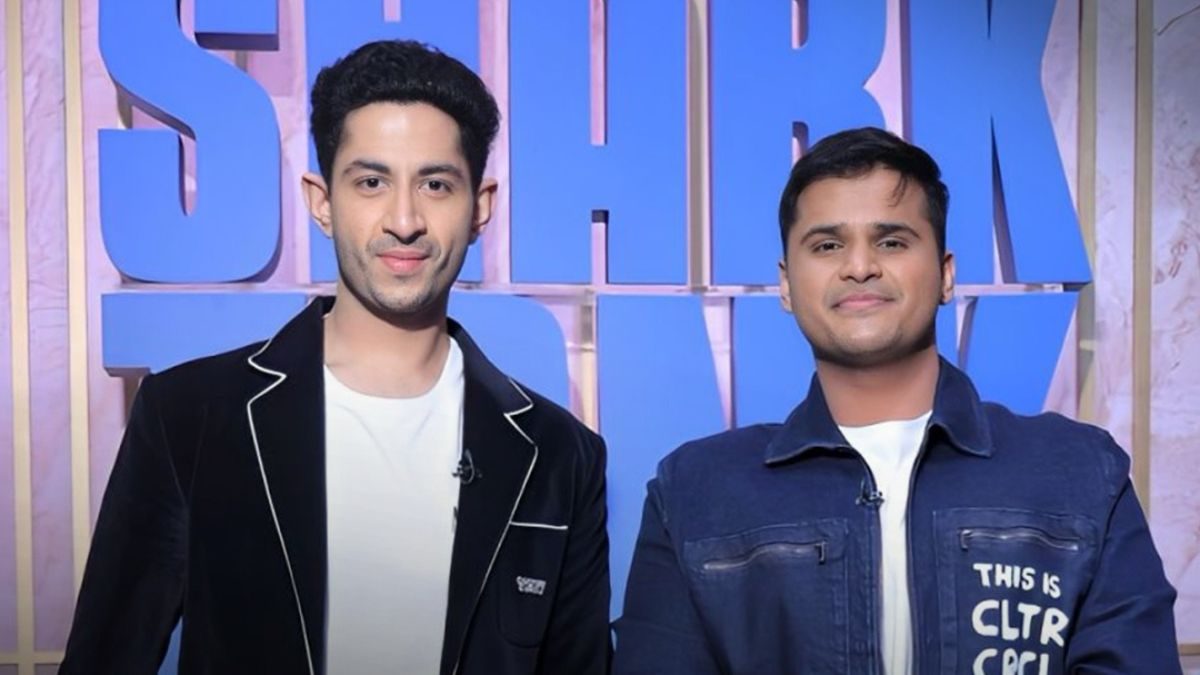
However, rapid growth came at a cost. As Culture Circle pushed hard on marketing, hiring, and technology, its expenses climbed sharply. Total costs rose to Rs 7.1 crore, and net losses widened to Rs 3.3 crore, compared to a modest loss of Rs 11.4 lakh the year before. Founded by Devansh Jain Nawal and Ackshay Jain, Culture Circle operates an inventory-free luxury ecommerce marketplace focused on sneakers, streetwear, and high-end fashion. The platform connects buyers with more than 3,500 verified sellers offering products from global brands such as Nike, Yeezy, Dior, Supreme, and Louis Vuitton.
The startup’s appearance on Shark Tank India Season 4 further pushed it into the spotlight. After receiving the highest-ever offer on the show, the founders chose a strategic Rs 3 crore investment from Kunal Bahl and Ritesh Agarwal. Today, Culture Circle’s story reflects both the promise and pressure of building a fast-growing startup in India’s competitive ecommerce ecosystem.
1. A Defining Year for Culture Circle 10x Revenue Growth
FY25 will always stand out in Culture Circle’s journey. It was the year the startup proved its idea could work at scale. The reported Culture Circle 10x revenue growth was not driven by hype alone. Instead, it came from a deep understanding of what Indian luxury buyers truly want trust, transparency, and fair pricing.
In a market flooded with counterfeits and resellers, Culture Circle positioned itself as a platform built on verification. That focus resonated. As more users joined, transaction volumes increased, and revenue followed. At the same time, the year also revealed the realities of scaling. Marketing costs rose. Teams expanded. Losses widened. Yet, for an early-stage, venture-backed startup, this phase is often unavoidable.
2. The Origin Story: From Frustration to Startup
2.1 A Personal Problem Sparks an Idea
Culture Circle did not begin as a polished startup pitch. It began with frustration. Co-founder Ackshay Jain’s experience buying his first pair of Jordans exposed a broken market. Authenticity was uncertain. Prices were inflated. Options were limited.
Devansh Jain Nawal shared similar concerns. Together, they saw a gap that traditional ecommerce platforms were not solving. Instead of selling products, they decided to build trust.
2.2 From Campus Project to National Platform
What started as a college project soon took shape as a business. Culture Circle was incorporated in September 2023. By January 2024, the app went live. Within months, it expanded beyond sneakers into apparel and accessories. By the end of FY25, the platform hosted around 35 lakh listings, reflecting how quickly sellers embraced the model.
3. The Founders Behind the Brand
3.1 Devansh Jain Nawal: Building with Discipline
As Co-Founder and CEO, Devansh Jain Nawal brought structure to the startup. An IIM Ahmedabad graduate with experience at Goldman Sachs, he understood both numbers and narrative. His role focused on growth strategy, partnerships, and long-term vision. During Shark Tank India, his calm handling of tough valuation questions stood out.
3.2 Ackshay Jain: Technology at the Core
Ackshay Jain, Co-Founder and COO, shaped Culture Circle’s technical backbone. With prior experience at Google and a background in machine learning, he led the platform’s authentication systems and operations. His belief was simple. If users trust the product, they return. That belief became central to Culture Circle’s design.
4. The Core Problem Culture Circle Solves
4.1 Authenticity in a Confusing Market
India’s luxury fashion market suffers from a credibility gap. Fake sneakers and replica luxury goods are common. Many buyers hesitate before making high-value purchases online. Culture Circle addressed this head-on. Every product listed on the platform goes through a strict verification process. This assurance became its strongest selling point.
4.2 Price Transparency for Buyers
Another major issue was pricing. Luxury sneakers often sell at inflated rates. Culture Circle’s compare-and-shop model allows buyers to view multiple seller prices in one place. This transparency played a direct role in the Culture Circle 10x revenue growth, as buyers felt confident completing transactions.
5. How Culture Circle Works
5.1 An Inventory-Free Marketplace
Culture Circle does not hold stock. Instead, it connects verified sellers with buyers. This inventory-free model reduces capital risk and allows rapid expansion. The platform manages discovery, authentication, and transaction support, while sellers handle inventory.
5.2 Technology-Led Authentication
At the heart of the platform is its AI-driven system, SourceX. Products pass through a five-step authentication process that blends technology with human expertise. This focus on verification helped build loyalty and repeat usage.
6. Revenue Model and FY25 Financials
6.1 How the Startup Makes Money
Culture Circle earns through commissions ranging from 9% to 30% per transaction. Sneakers remain the largest revenue contributor, followed by apparel and accessories. This diversified category mix helped stabilise revenue as demand fluctuated.
6.2 Breaking Down FY25 Numbers
In FY25, operating revenue reached Rs 3.4 crore. Including other income, total income stood at Rs 3.8 crore. This marked clear Culture Circle 10x revenue growth from the previous year. Yet, expenses climbed to Rs 7.1 crore. Losses widened to Rs 3.3 crore as the company invested heavily in scale.
7. Rising Costs: The Price of Growth
7.1 Hiring to Support Scale
Employee benefit expenses rose sharply to Rs 1.8 crore. The startup expanded teams across engineering, operations, and marketing. For a young company, building the right team often comes before profits.
7.2 Marketing for Visibility
Advertising expenses jumped to Rs 2.6 crore. Culture Circle spent aggressively to build brand awareness and attract users in a competitive market. This push helped fuel growth but also increased cash burn.
8. Shark Tank India and Investor Backing
8.1 A High-Stakes Pitch That Changed Everything
Culture Circle’s appearance on Shark Tank India was more than just a television moment it was a turning point that validated the startup’s business model under immense scrutiny. The founders faced intense questioning on valuation, scalability, and revenue projections, testing both their preparation and conviction. When the highest-ever offer on the show was made, many expected them to take it. Instead, they made a calculated choice, prioritizing strategic alignment over immediate cash. Accepting Rs 3 crore for 3% equity from investors Kunal Bahl and Ritesh Agarwal demonstrated a clear understanding of long-term growth over short-term gain. This decision not only brought capital but also credibility, signaling to the Indian startup ecosystem that Culture Circle was serious about trust, value, and sustainable expansion.
8.2 Seed Funding to Expand Horizons
Following the Shark Tank spotlight, Culture Circle closed a $2 million seed funding round in December 2024, led by Info Edge Ventures. This capital was strategically deployed to enhance their technological backbone and expand international pilots. The investment allowed the startup to scale operations without compromising on quality verification processes—a critical differentiator in the premium resale market. Early adoption of technology, backed by investor confidence, positioned the company to accelerate its growth curve and prepare for both domestic and international market challenges.
9. Industry Trends Fueling Growth
9.1 Capitalizing on a Growing Luxury Market
India’s fashion and luxury market is projected to hit $17.24 billion by 2025, driven by young, digitally native consumers who value premium experiences and trust-based platforms. Culture Circle entered at a moment when online luxury resale was gaining traction, particularly among Gen Z shoppers who demand authenticity, price transparency, and verified quality. This timing was not coincidental—founders studied consumer behavior, digital adoption patterns, and e-commerce trends to position the brand where demand was poised to outpace supply.
9.2 Riding the Right Wave at the Right Time
The company’s 10x revenue growth is a testament to its ability to harness these macro trends. Digital adoption, rising discretionary income, and the shift from offline to online luxury shopping created a perfect environment. Unlike competitors who relied purely on marketing hype, Culture Circle combined technology, verification processes, and a trust-first approach, giving consumers confidence to transact in high-value luxury resale. This alignment of product-market fit and timing proved critical in accelerating growth faster than many traditional startups.
10. Competition in the Market
10.1 Direct Competition: Platforms and Marketplaces
Culture Circle operates in a competitive landscape with luxury resale platforms and sneaker marketplaces. Yet, very few competitors offer comprehensive price comparisons, authentication services, and curated listings, giving Culture Circle a clear edge. By focusing on accuracy, reliability, and customer trust, the platform transformed perceived friction points verification delays, pricing doubts into differentiators that strengthened consumer loyalty.
10.2 Indirect Competition: Global Giants and Social Sellers
The startup also faces indirect pressure from global e-commerce players, offline luxury stores, and social media sellers, all vying for the same audience. Despite this, Culture Circle’s “trust-first” philosophy and tech-enabled verification system created a moat. Customers increasingly prefer platforms where authenticity and transparency are guaranteed, especially for high-value luxury products.
11. Global Ambitions
Culture Circle’s vision extends well beyond India. The company has piloted operations in six international markets, including the UAE, UK, and Singapore. These pilots demonstrate the startup’s commitment to building a global presence while testing operational scalability in diverse markets. Expansion is capital-intensive and challenging, requiring local partnerships, logistics management, and regulatory compliance. Yet, the startup approaches it methodically, balancing ambition with operational discipline proof that global growth is feasible when combined with strong domestic execution.
12. Challenges Ahead
Even with rapid growth, Culture Circle faces persistent challenges. Managing losses while investing in technology, customer acquisition, and international expansion will be critical. Competition in luxury resale is intensifying, and consumer expectations are evolving. However, the startup’s track record of executing quickly, making strategic investment decisions, and prioritizing trust and verification gives it a unique edge. The next phase will test not just the team’s operational skills but their ability to sustain growth while maintaining quality and reliability.
13. Learning for Startups and Entrepreneurs
Culture Circle’s journey offers lessons that go beyond luxury resale:
- Solve Real Problems: The platform addressed a critical pain point trust in high-value secondhand luxury items—rather than chasing trendy ideas.
- Build Trust Early: Verification, transparency, and reliability became core differentiators, proving that long-term credibility matters more than short-term revenue.
- Strategic Investment Choices Matter: Opting for investors who align with vision, rather than taking the biggest offer, can create lasting value.
- Accept Short-Term Losses for Long-Term Scale: Growth requires patience, resource allocation, and calculated risks.
The 10x revenue growth underscores that clarity of purpose, customer-centric solutions, and strategic execution can accelerate adoption, even in highly competitive markets. For aspiring entrepreneurs, Culture Circle exemplifies how a bold idea, combined with careful planning and trust-building, can transform an industry.
14. The FoundLanes View
At foundlanes, Culture Circle’s journey stands out not just for its headline-grabbing numbers but for what it reveals about building modern Indian startups—where trust, verification, and transparency can drive rapid adoption, even as losses widen. The Culture Circle 10x revenue growth reflects a clear market insight executed at speed, alongside the inevitable pressure of scaling through heavy spending on technology, hiring, and marketing. Stories like this matter because they show entrepreneurship as it truly unfolds: fast, demanding, and full of trade-offs, where short-term financial strain is often the price paid for long-term relevance and scale.