News Summary
“JioHotstar just added ChatGPT” is now a headline shaping the Indian entertainment and tech ecosystem. JioHotstar has introduced an AI-powered conversational search experience in partnership with OpenAI. This collaboration marks the first large-scale rollout of a natural-language streaming assistant on a major Indian OTT platform. The move arrives at a time when streaming platforms are fighting for engagement, retention, and deeper audience stickiness.
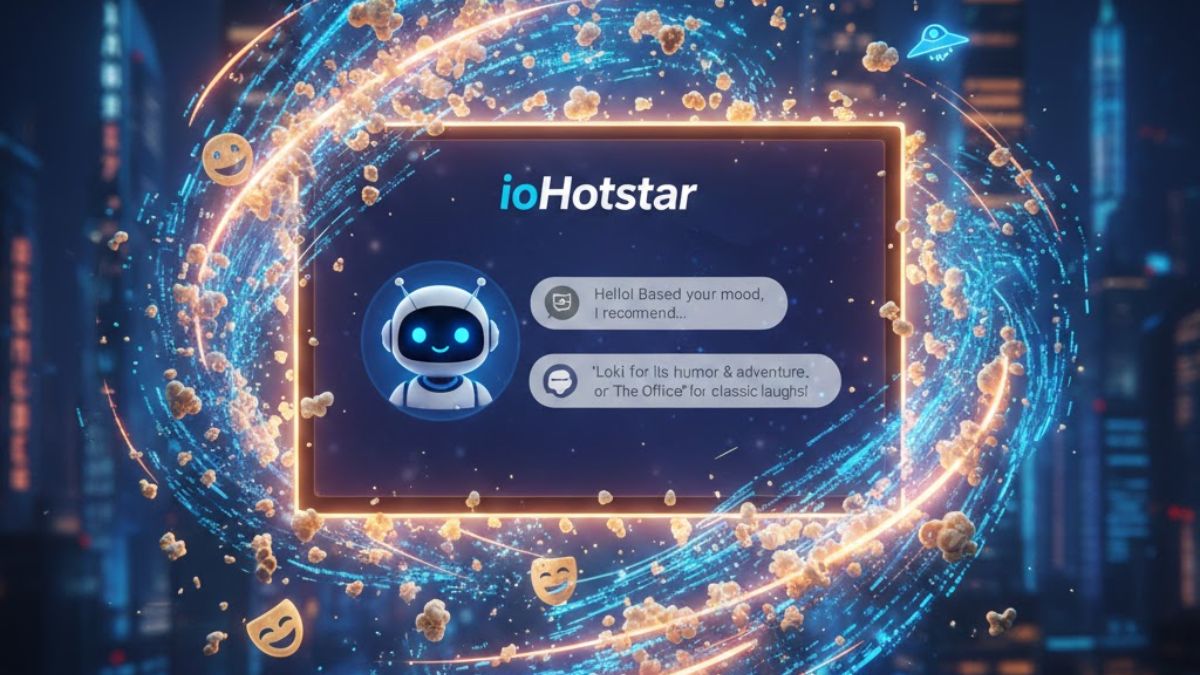
With this launch, users can speak or type queries like “find me a crime thriller set in Mumbai,” “suggest light shows for a weekend binge,” or “recommend a family drama like earlier,” and receive instant, context-aware suggestions powered by the latest ChatGPT-based multimodal models. The feature also supports live sports queries, including match schedules, score lookups, and athlete details, which strengthens JioHotstar’s hold over India’s sports-driven streaming markets.
Industry reports show that the partnership aims to help users navigate the clutter of thousands of movies, web series, documentaries, and sports streams. According to coverage from the Indian Express, Economic Times, and other major outlets, the new assistant is embedded deeply into the JioHotstar interface, offering a hands-free, personalized recommendation system that adapts to individual viewing patterns over time. Analysts see this as a step toward integrating AI with mass-scale consumer entertainment in India, where more than 450 million OTT viewers represent one of the world’s fastest-growing digital content markets. As this innovation enters mainstream use, it strengthens the competitive position of India’s largest streaming service while showcasing how strategic AI adoption can reshape search, discovery, and user engagement across tech, media, and startup sectors.
1. Introduction: Why “JioHotstar just added ChatGPT” is a turning point
The statement “JioHotstar just added ChatGPT” signals a major shift in India’s tech and media landscape. The integration brings conversational AI into a platform used by more than 100 million monthly viewers. This update arrives as global tech news, startup news, and industry trends point toward AI-led personalization as a defining force in digital consumption. By adopting natural-language search, JioHotstar enters a new technology cycle where discovery, navigation, and engagement depend on intelligent systems that understand context rather than simple keyword filters.
The partnership with OpenAI introduces a new level of relevance at a time when OTT platforms compete to reduce churn. The new assistant helps users deal with content overload, one of the biggest challenges in the streaming economy. As digital markets grow, AI startups and venture-backed startups are setting new standards for personalized interfaces, making this collaboration a major example of tech disruption in India.
2. Background of the Companies Behind the Innovation
2.1 The Story of JioHotstar
JioHotstar is the result of a merger and rebranding of two major entities: JioCinema and Disney+ Hotstar. It represents one of India’s largest digital platforms, with strong ownership support from Reliance Industries. Over the years, the platform grew through aggressive content acquisitions, including blockbuster movies, regional cinema, and Indian Premier League sports rights. This scale has long created a discovery challenge. Users often struggle to find relevant material among thousands of titles.
The new AI-driven initiative aims to solve this. As consumer expectations evolve, platforms need smarter tools. This collaboration aligns with broader industry growth trends where personalization, AI-enabled curation, and adaptive interfaces shape streaming experiences. JioHotstar’s journey mirrors India’s startup ecosystem, where innovation, acquisitions, growth strategies, and transformation efforts continue to reshape user behavior.
2.2 The Rise of OpenAI
OpenAI, founded by entrepreneurs including Sam Altman, has evolved from a research-focused nonprofit to one of the world’s fastest-growing AI companies. Supported by venture capital, tech investment, and global funding momentum, OpenAI’s success stems from its aggressive model development and commitment to driving real-world applications.
Its flagship models, including ChatGPT, have become global examples of successful startups that drive AI adoption in businesses across sectors like fintech, media, clean energy, and enterprise platforms. Today, OpenAI stands at the intersection of innovation, business strategies, and disruptive tech. Its partnership with JioHotstar marks a significant move into India’s consumer entertainment market, adding a new chapter to its international partnerships and expansion stories.
3. How the ChatGPT-Powered Discovery System Works
3.1 Natural-Language Search Engine
At the heart of JioHotstar’s latest upgrade lies a multimodal voice and text assistant powered by ChatGPT’s cutting-edge architecture. Unlike traditional search engines that rely on rigid filters and menus, this system interprets the user’s intent, preferences, moods, and even past interactions. It doesn’t just find content—it understands the person behind the query.
For example, a user asking, “Recommend suspense shows like last month,” receives suggestions tailored not only to genre but also to patterns in their viewing history, trending content, and similar audience behavior. This depth of understanding transforms discovery from a mechanical process into an intuitive conversation. Users feel understood rather than directed, which builds trust and makes engagement effortless. Early tests and reports indicate that such AI-led personalization can increase session times dramatically, giving platforms a meaningful edge in user retention and satisfaction.
3.2 Integration With Live Sports and On-Demand Content
Another breakthrough lies in the assistant’s ability to handle real-time, live-content queries. Users can now ask about live scores, player statistics, or match schedules in natural language and receive instant, accurate responses. For a sports-loving nation like India, this integration is more than convenience—it’s a game-changer.
JioHotstar has long relied on live sports as a core driver of engagement. By combining ChatGPT’s natural-language capabilities with real-time data, the platform strengthens its sports ecosystem, ensuring fans never miss a moment. The system also seamlessly bridges live events and on-demand content, suggesting related highlights, recaps, or behind-the-scenes footage. This creates a richer, more immersive experience, keeping viewers invested across multiple types of content and increasing the overall stickiness of the platform.
3.3 Why This Matters for the Market
The rise of AI-powered discovery addresses a fundamental friction point in digital entertainment: the overwhelming choice of content. Users no longer have to scroll endlessly through thousands of titles, guessing what might appeal to them. The system reduces cognitive overload, anticipates needs, and fosters exploration in a way that feels human.
For startups, accelerators, and tech investors, this is a clear signal of where global and Indian markets are heading. AI-driven personalization is no longer optional; it has become a baseline expectation. Platforms that can interpret and respond intelligently to natural queries gain measurable advantages in user engagement, retention, and monetization. This positions JioHotstar not just as a streaming service but as a model for how technology can transform user interaction, merging empathy, efficiency, and intelligence.
4. Business and Revenue Implications for JioHotstar
4.1 Strengthening the Advertising and Subscription Model
JioHotstar’s business model thrives on a careful balance of subscriptions, advertising, and strategic partnerships. By embedding ChatGPT-driven guidance into the platform, every user interaction becomes a potential revenue opportunity.
Personalized recommendations increase watch time, allowing advertisers to target audiences more precisely, improving the value of ad slots. At the same time, users are more likely to explore premium content, boosting subscription conversions. In a competitive market where streaming costs are rising and wallet share is limited, these gains are crucial. Reports from similar global deployments show that conversational AI can improve engagement metrics by 20–30%, a significant impact on both top-line revenue and long-term brand loyalty.
4.2 Position in the Startup Markets and OTT Competition
OTT platforms in India face fierce competition. Global giants like Netflix, Amazon Prime Video, and Disney+ invest heavily in algorithmic recommendations, while local players such as Zee5 and SonyLIV focus on regional content and user experience. JioHotstar’s integration of ChatGPT gives it a unique differentiator: human-like interaction with content libraries that feels intuitive, responsive, and personalized.
This technological leap aligns with broader trends in India’s startup ecosystem. Investors, accelerators, and venture-backed companies increasingly expect AI-led solutions to enhance user engagement, improve operational efficiency, and create defensible market advantages. By harnessing AI in a meaningful way, JioHotstar demonstrates that innovation is not just about having cutting-edge tools—it’s about transforming user experiences into moments of delight, understanding, and lasting loyalty.
5. Competitive Landscape and Industry Dynamics
5.1 Direct Competitors in the Indian Market
India’s OTT sector has seen rapid activity with aggressive expansion by global and domestic players. Platforms such as Amazon Prime Video, Netflix, and Zee5 continue to invest in recommendation algorithms and personalization. These services rely heavily on machine learning for content sorting, but none have deployed a conversational engine of comparable scale in India. This gap gives JioHotstar a temporary competitive advantage.
The new assistant offers a more intuitive discovery process during a period of rising acquisition costs and slowing subscription growth in some categories. As tech disruptions reshape global startups, companies across entertainment and sports streaming face constant pressure to innovate. This is where conversational search becomes more than a feature. It becomes a driver of business transformation, user loyalty, and differentiated positioning.
5.2 Indirect Competitors and Adjacent Sectors
Beyond OTT rivals, indirect competition arises from short-form video apps, mobile gaming, and social media platforms. These ecosystems engage users in ways that reduce streaming watch time. As startup ecosystems grow, digital attention becomes harder to secure. This makes frictionless discovery essential. JioHotstar’s AI interface seeks to reduce the decision-making burden that often leads to drop-off. It aligns with global industry trends where recommendation engines, content analytics, and real-time personalization form the backbone of engagement.
6. Funding, Revenue Model, and Business Structure
6.1 The Funding Story of the AI Partner
Over the years, the AI partner in this collaboration has attracted major investors across venture capital, tech investment, and global funding networks. Its trajectory reflects a wave of investment into AI startups, disruptive tech, and enterprise intelligence systems. Many of these funding rounds aimed to develop scalable models for applications across fintech, media, education, and productivity tools. The rapid rise of AI capabilities signals a maturing ecosystem where ideas move quickly from research stages into commercial products.
6.2 JioHotstar’s Business and Revenue Strategy
JioHotstar follows a multi-layered revenue model supported by subscription fees, ad-supported access, and partnerships with telecom networks. As India’s internet base expands, this hybrid model allows the platform to serve mass and premium audiences. The addition of a conversational assistant could increase ad efficiency by improving targeting precision. It may also expand premium conversions among users who seek smoother discovery experiences. Stronger retention supports long-term revenues and balances the cost of large content acquisitions.
6.3 Impact on Growth Strategies
This upgrade fits into the broader strategy of building a flexible OTT environment that adapts to viewer habits. The move supports growth strategies centered around personalization. For emerging startups, this highlights how technology can strengthen user experience without requiring constant content expansion. Instead, optimizing the path to content becomes a competitive advantage. In markets where startup jobs, innovation, and market share fluctuations move quickly, such improvements help platforms stay ahead.
7. Industry Growth Trends and Market Outlook
7.1 The Rise of AI in Consumer Media
Across global markets, AI integration is becoming a core part of digital entertainment. As more international startups adopt conversational systems, recommendation engines are shifting from static lists to interactive systems. This change reflects broader startup trends, where automation supports personalization. In India, the number of OTT users continues to grow, while demand for niche genres expands. These conditions create opportunities for platforms that can guide users through overwhelming libraries.
7.2 Influence of Tech Innovations on Streaming
Advances in multimodal intelligence, speech processing, and contextual search are pushing platforms to rethink their interfaces. Innovations born in research labs now play a commercial role in startups, unicorn companies, and high-growth ventures worldwide. As digital markets mature, user expectations rise. People want intuitive tools that help them navigate vast content. This shift encourages platforms to invest in AI not only for engagement but for operational efficiency as well.
7.3 Regulatory, Market, and Investment Trends
The Indian digital economy continues to draw interest from angel investors, accelerators, and venture-backed startups. OTT regulations, data policies, and consumer-protection frameworks evolve in parallel. Content discovery tools that support transparency and ease of use could become even more important as compliance grows more complex. Investors increasingly focus on platforms that can scale personalized services without heavy manual curation.
8. What Problem Does the New System Solve?
8.1 Overcoming Content Overload
In today’s OTT landscape, users face a paradox of choice. Libraries often contain thousands of movies, series, and shows, yet finding something relevant can feel like searching for a needle in a haystack. Traditional row-and-genre layouts, while familiar, fail to guide users meaningfully, leaving them frustrated and disengaged.
The introduction of conversational search changes this experience fundamentally. Instead of scrolling endlessly, users can ask for specific moods, themes, or eras, and receive tailored recommendations instantly. For instance, someone looking for “feel-good weekend comedies in Hindi from the 2010s” can access precise results without trial-and-error. This approach doesn’t just save time; it enhances engagement, increases session duration, and builds a sense of trust and delight with the platform. For startups, this is more than a tech feature it is a way to humanize digital experiences, making technology feel intuitive and empathetic.
8.2 Bridging Language and Accessibility Gaps
India’s OTT ecosystem is uniquely complex, with multiple languages, dialects, and regional content preferences. Many users are more comfortable speaking queries than typing them, and accessibility remains a key concern for visually impaired or digitally less-experienced audiences. Conversational AI can interpret natural speech, handle local language nuances, and adapt to informal phrasing that traditional search fails to recognize.
By enabling users to simply “ask” for what they want, platforms reduce friction and invite broader participation. This is particularly impactful in smaller towns and regional markets, where digital literacy may vary but enthusiasm for content is high. The experience feels personal users feel understood rather than forced to navigate rigid menus. For startups, such solutions highlight how thoughtful AI integration can democratize access and extend reach across diverse demographics.
8.3 Improving Retention and Discovery Efficiency
Retention remains one of the toughest challenges for subscription-driven platforms. High churn often results from user frustration in locating content, while poor recommendations can erode trust over time. Conversational discovery addresses this directly. By delivering relevant content quickly, users are more likely to remain engaged, watch longer, and return frequently.
From a business perspective, this creates a virtuous cycle. Longer watch times improve ad inventory value and subscription stickiness. Better discovery reduces operational costs spent on customer support or manual curation. In markets where competition is fierce, platforms that make users feel seen, heard, and understood gain a clear advantage. Startups adopting these tools are not just solving search problems—they are building loyalty, trust, and sustainable engagement.
9. Broader Implications for the Startup Ecosystem
9.1 A Blueprint for AI Adoption in Media
The integration of conversational discovery offers a tangible blueprint for startups across industries. It illustrates how AI can streamline complex processes, improve user satisfaction, and reduce operational overhead. Entertainment, e-commerce, fintech, and educational platforms can all borrow lessons from this model: AI-driven natural language interactions make services feel human, reduce friction, and provide measurable business impact.
This is not abstract theory it’s a proven strategy for converting data into meaningful experiences. Startups observing these results see that intelligent automation and personalization are not just trendy features but essential differentiators in competitive markets.
9.2 Opportunities for Emerging Startups
For startups exploring new frontiers, conversational AI opens doors to innovative business ideas. Companies focusing on content analytics, voice technology, or user behavior modeling can leverage similar systems to enhance engagement and create smarter recommendations. The rising demand for intuitive, data-driven tools means accelerators, incubators, and mentorship programs are increasingly supporting AI-powered ventures.
This alignment with global trends and funding movements creates fertile ground for growth. Startups that can turn complex datasets into simple, human-friendly experiences not only capture market attention but also cultivate lasting user relationships. Ultimately, platforms that blend empathy, intelligence, and seamless interaction set new standards showing that the most powerful technology is the kind that feels personal and human at every touchpoint.
11. Learning for Startups and Entrepreneurs
Entrepreneurs can learn several important lessons from this launch. First, personalization is now central to digital products. Startups across sectors should focus on reducing user friction. Second, partnerships between established companies and AI innovators can accelerate adoption. Even fast-growing startups benefit from external expertise when entering unfamiliar technical territory. Third, conversational AI is shifting from novelty to necessity. Businesses that adopt such tools early can enhance customer experience. Finally, the rollout shows the value of scaling solutions that solve universal problems such as content overload or poor discovery. These principles support stronger business models, higher retention, and better long-term traction.
About foundlanes.com
foundlanes.com is India’s leading startup idea discovery platform. It helps entrepreneurs find actionable startup opportunities, market insights, and industry-specific guidance to turn ideas into real businesses. With deep research and practical resources, foundlanes supports founders at every stage, from idea validation to launch and growth.