News summary
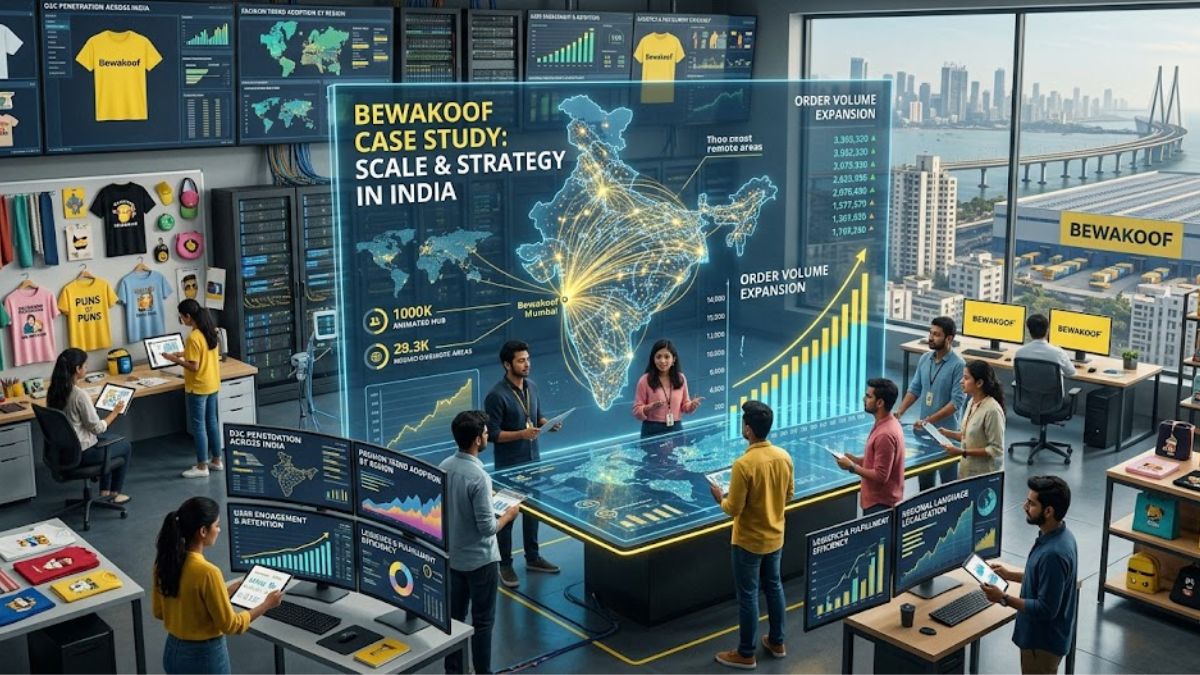
Bewakoof is a direct-to-consumer fashion brand that has built a strong identity in India’s crowded online apparel market by focusing on youth culture, humor, and affordability. Founded in 2012 by Prabhkiran Singh and Siddharth Munot, the company is headquartered in Mumbai and operates primarily as an e-commerce-first brand. The idea behind Bewakoof was simple yet strategic: create quirky, relatable fashion for India’s young population that feels personal, expressive, and accessible.
The founders identified a gap in the market where most fashion brands were either expensive or lacked personality. At a time when global brands dominated aspirational fashion and local brands struggled with differentiation, Bewakoof positioned itself as a youth-centric label with bold designs and a strong digital presence. The brand initially focused on graphic T-shirts and gradually expanded into categories like joggers, dresses, mobile covers, and accessories.
Bewakoof operates through its own website and mobile app, allowing it to maintain full control over pricing, branding, and customer experience. Over time, it has also leveraged marketplaces and offline experiments to expand its reach. The company follows a D2C model, which helps it maintain margins and build direct relationships with customers.
In terms of funding, Bewakoof has raised capital from investors including IvyCap Ventures and others, with reported funding crossing tens of millions of dollars over multiple rounds. While exact revenue figures fluctuate, the brand has consistently been recognized among India’s prominent D2C success stories. This Bewakoof Case Study explores how the brand evolved from a small online experiment into a recognized Indian streetwear brand, analyzing its strategy, growth, challenges, and long-term vision.
1. Origin Story: The Beginning of the Bewakoof Case Study
The Bewakoof success story begins in 2012, when India’s e-commerce ecosystem was still evolving. Online fashion was dominated by large marketplaces, and very few brands were building a direct relationship with consumers. Prabhkiran Singh and Siddharth Munot started Bewakoof as an experiment. Both founders had prior experience in startups and digital businesses, which gave them an understanding of online consumer behavior.
The name “Bewakoof,” which translates to “fool” in Hindi, was intentionally unconventional. It reflected the brand’s philosophy of not taking itself too seriously. This became a core part of its identity. Initially, the company started with a small catalog of graphic T-shirts. These designs were inspired by pop culture, sarcasm, and everyday humor. The idea was to create apparel that people could relate to instantly. Early operations were lean. The founders managed design, sourcing, and marketing with a small team. The focus was on testing demand rather than scaling quickly.
3. Founder Journey and Early Motivation
Prabhkiran Singh and Siddharth Munot combined complementary strengths to build Bewakoof. Singh’s digital entrepreneurship experience gave him insight into online consumer behavior, while Munot brought operational discipline and execution expertise. Together, they created a founding team capable of balancing vision with practical implementation.
Their motivation came from a clear observation: Indian youth lacked fashion options that reflected their personality. Most existing brands either mimicked international trends or focused on formal wear. Singh and Munot wanted to create a brand that spoke the language of young India—humor, relatability, and affordability became central pillars. Beyond selling clothes, they aimed to foster a community around self-expression.
4. Identifying the Market Gap
The Indian fashion market had clear segmentation: premium international brands served the upper class, budget brands offered basics, and the mid-range segment lacked innovation. Young consumers, influenced by social media, memes, and pop culture, wanted something expressive and fun—but options were limited.
Bewakoof identified this gap early and positioned itself as a brand that genuinely understood youth culture. This insight became the foundation for its growth strategy, guiding everything from product design to marketing.
5. Product Development and Evolution
- Initial Product Strategy: Bewakoof began with graphic T-shirts—simple to produce, easy to customize, and highly shareable. Designs drew inspiration from trending topics, jokes, and cultural references, allowing the brand to connect directly with its audience.
- Expansion of Product Categories: As traction grew, the brand expanded into joggers, hoodies, dresses, and accessories. Even as the catalog broadened, the brand’s identity of relatability and humor remained consistent.
- Building a Strong Design Identity: Design became a key differentiator. The team invested heavily in understanding what resonated with their audience. By continuously listening to feedback and adapting quickly, Bewakoof stayed relevant in a fast-moving market while maintaining a distinctive voice that appealed to young consumers.
6. Early Traction and Validation Phase
The initial phase of Bewakoof was less about chasing numbers and more about understanding its audience. Growth was organic, fueled by the brand’s ability to connect with young Indians on a cultural level. Social media became the lifeline Instagram and Facebook posts featuring witty, relatable content quickly went viral within niche communities.
Word-of-mouth amplified this effect. A customer who resonated with a design didn’t just buy a T-shirt; they shared it with friends, posted about it, and became an unpaid ambassador for the brand. The founders, Prabhkiran Singh and Siddharth Munot, paid close attention to these early interactions. Each repeat order, each shared post, each comment was a signal. These insights helped them refine not just products, but messaging, tone, and engagement strategies. This wasn’t luck it was the result of listening deeply to the customer, staying agile, and prioritizing loyalty over rapid scale. In a crowded market, this patience laid a foundation for sustained growth.
7. Business Model and Revenue Approach
The strength of Bewakoof’s business model lies in its direct-to-consumer approach. By selling directly through its own platform, the brand avoided commissions that marketplaces demanded, enabling it to maintain healthy margins while keeping prices accessible. The strategy was clear: high volume at affordable prices. It wasn’t about selling luxury apparel; it was about selling relatable, trendy fashion to millions of young consumers who wanted to express themselves without breaking the bank.
Repeat purchases became a cornerstone of revenue. Customers didn’t just try the brand once they returned for new collections and limited-edition designs. Over time, the company also tested partnerships and offline channels, not as a replacement, but as a way to diversify revenue and deepen customer connections. Every move was measured, ensuring sustainability alongside growth.
8. Funding Journey and Investor Support
Funding came at the right moments to accelerate growth without compromising the brand’s ethos. IvyCap Ventures was one of the early backers, recognizing the potential in a digitally native, youth-focused D2C brand. Subsequent investors shared this belief, providing both capital and strategic guidance.
These funds weren’t just numbers on a balance sheet. They were deployed thoughtfully—scaling operations, improving supply chains, investing in technology, and expanding product categories. The approach was balanced: pursue growth, but never at the cost of the brand’s core identity. This careful use of capital allowed Bewakoof to scale steadily while keeping the customer experience intact.
9. Go-to-Market Strategy and Distribution Channels
Marketing was never just advertising for Bewakoof; it was storytelling. Digital channels were the natural playground, with Instagram, Facebook, and Twitter serving as both megaphone and community space. Humor-driven posts, meme-inspired designs, and culturally relevant content created engagement that traditional marketing couldn’t replicate.
Influencer collaborations were used selectively, targeting creators whose audiences aligned with the brand’s personality. These partnerships amplified reach without diluting authenticity. Distribution strategy focused on owning the customer journey. Driving traffic to its own website ensured direct engagement, data capture, and brand loyalty, rather than ceding control to marketplaces. Eventually, offline stores were tested not as a primary channel, but as a touchpoint to strengthen brand visibility and allow customers to experience the products physically.
This combination of precise targeting, authentic content, and thoughtful channel expansion made Bewakoof more than a clothing brand it became a cultural presence among India’s youth, blending commerce with community.
10. Brand Positioning and Messaging Evolution
From the very beginning, Bewakoof’s positioning was clear: be fun, relatable, and accessible. Unlike traditional fashion brands that leaned on aspirational imagery or celebrity endorsements, Bewakoof spoke the language of its audience. Humor, sarcasm, pop culture references, and memes were woven into messaging across social media, website content, and campaigns.
This wasn’t just marketing it was a cultural connection. Young consumers didn’t just buy a T-shirt; they bought a reflection of themselves. This authenticity built loyalty and gave the brand a personality in a crowded, noisy fashion market. Every post, design, and interaction reinforced the idea that Bewakoof wasn’t about pretension it was about belonging, identity, and self-expression.
11. Key Challenges and Turning Points
Success didn’t come without friction. As demand surged, maintaining product quality while scaling became a constant challenge. The company invested heavily in supply chain upgrades, faster logistics, and real-time inventory management to ensure that growth didn’t compromise customer experience. Competition intensified as new D2C brands tried to replicate the model. Bewakoof faced pressure not just to produce, but to innovate continuously. Keeping designs fresh, culturally relevant, and shareable demanded relentless creativity. Turning points came from moments where strategy met execution. For instance, doubling down on in-house design and community-driven campaigns helped the brand maintain its edge. These challenges didn’t just test operations they defined the resilience of the team and the clarity of the brand’s vision.
12. Operational Execution and Scaling Decisions
Operations became the backbone of growth. Bewakoof optimized supply chains to reduce delivery delays, minimized stockouts through advanced inventory tracking, and implemented technology to analyze customer preferences for better recommendations.
Scaling was intentional and measured. The founders resisted the temptation to over-expand or chase trends that didn’t align with the brand identity. Every decision from expanding categories to entering offline channels was evaluated for sustainability, impact, and customer experience. This operational discipline allowed the company to grow steadily without losing its distinct voice, proving that careful execution often matters more than rapid expansion in D2C success stories.
13. Competitive Landscape and Differentiation
The Indian online fashion space is fiercely competitive, with both established players and emerging D2C brands vying for attention. Bewakoof’s advantage lies in its authentic connection with its audience. Its humor-driven, culturally relevant designs set it apart from competitors relying on generic or imitation products. The brand’s agility in spotting trends and rapidly translating them into designs allowed it to stay ahead, while other brands struggled to keep pace. The company’s positioning wasn’t just about being different it was about being genuinely relevant to the lives of young consumers, creating an emotional resonance that competitors couldn’t replicate.
14. Growth Metrics and Milestones
Over the years, Bewakoof has grown from a niche T-shirt brand into a full-fledged fashion platform. Its customer base spans across India, from metros to Tier 2 and Tier 3 cities. The product portfolio expanded into hoodies, joggers, dresses, and accessories, all while maintaining the core brand voice.
Milestones weren’t just financial they were cultural. From viral campaigns to repeat customers who became brand advocates, the metrics reflected engagement and loyalty, not just sales. Bewakoof is now cited as a leading D2C success story in India, demonstrating that a brand built on relatability and culture can scale sustainably in a competitive market.
15. Team Building and Leadership Approach
The founders prioritized culture as much as strategy. Creativity, experimentation, and ownership were encouraged, allowing the team to contribute ideas freely and innovate designs that resonated deeply with customers. Early-stage leadership was hands-on, ensuring alignment with the company vision and values. As Bewakoof grew, specialized teams were created for design, operations, marketing, and logistics. Delegation didn’t dilute culture it amplified it, creating a team that embodied the brand’s personality while executing at scale. This careful balance of leadership, empowerment, and culture-building became a critical factor in sustaining Bewakoof’s growth, proving that scaling a D2C brand is as much about people as it is about products.
16. Technology and Operational Insights
Technology became the invisible engine powering Bewakoof’s growth. The company didn’t just have a website or app it created an experience. Personalized recommendations helped customers discover products they genuinely liked, while a seamless checkout process reduced friction and increased repeat purchases. Data analytics informed every critical decision. From understanding which designs were trending to predicting inventory requirements, the team could respond quickly to changing consumer behavior. This reduced overstock and stockouts, making operations leaner and more efficient.
On the operational side, scaling wasn’t just about adding more orders it was about ensuring consistency. Streamlined warehousing, integrated logistics, and real-time order tracking allowed Bewakoof to maintain reliability even as volumes soared. Technology and operations together created a system capable of growth without sacrificing customer experience.
17. Regulatory and Industry Challenges
Operating in India’s fashion e-commerce sector meant navigating a web of regulatory requirements. Bewakoof had to ensure compliance with GST and taxation rules, proper product labeling, and quality standards that met customer expectations.
Logistics posed another layer of complexity. Delivering to Tier 2 and Tier 3 cities across India required partnerships, planning, and contingency strategies for delays or disruptions. The company also had to manage returns efficiently, maintaining customer trust while controlling operational costs. Despite these challenges, Bewakoof built a robust operational framework that balanced growth with compliance, showing that meticulous execution is as important as creative vision in a startup’s success.
18. Current Status of the Startup
Today, Bewakoof stands as one of India’s most recognized youth-oriented streetwear brands. Its identity as a D2C pioneer remains strong, while it cautiously experiments with offline touchpoints and partnerships to expand reach. The brand continues to grow its product portfolio, from apparel to accessories, while reinforcing its core identity of humor, relatability, and cultural relevance. Bewakoof’s story reflects the maturation of India’s e-commerce ecosystem and demonstrates how a small, digitally native brand can scale to a national presence while staying authentic.
19. Future Outlook: What Lies Ahead in the Bewakoof Case Study
Looking forward, Bewakoof’s growth hinges on staying ahead of consumer trends and leveraging technology to deepen engagement. Investments in personalization, AI-driven recommendations, and product innovation are likely to accelerate. Expanding into new categories while staying true to the brand voice will be a key growth lever.
As competition intensifies, maintaining differentiation will be critical. The brand’s ability to understand and reflect youth culture, adapt quickly, and deliver consistently will determine long-term success. The Bewakoof case study underscores a vital lesson for entrepreneurs: building a sustainable, relatable brand requires more than creativity it demands disciplined operations, data-driven decisions, and a relentless focus on customer experience. For founders, it’s a blueprint for balancing culture, commerce, and scale in a digital-first world.
About FoundLanes.com
foundlanes.com is a platform dedicated to documenting and analyzing startup journeys, business models, and founder insights across India’s growing startup ecosystem. It focuses on in-depth case studies and practical knowledge to help entrepreneurs understand how real businesses are built and scaled.