
Summary
The idea to start a painting studio is gaining attention as more people look for creative hobbies, experiential activities, and relaxing ways to spend their free time. A painting studio is a dedicated space where individuals can learn painting, attend workshops, explore art techniques, and participate in guided creative sessions. These studios combine education, entertainment, and community building, making them an attractive small business opportunity for entrepreneurs interested in the creative industry.
The concept has become popular in urban and semi-urban areas where working professionals, students, and families are actively searching for creative outlets beyond traditional entertainment options. Instead of simply watching movies or visiting malls, many people now prefer interactive experiences such as painting workshops, art classes, and DIY creative sessions. Entrepreneurs who want to start a painting studio business can build a community-driven environment where people come together to learn art, reduce stress, and express their creativity. These studios usually offer beginner-friendly painting classes, guided canvas painting workshops, and special events like couples painting nights or corporate team-building sessions.
The business can be launched in residential neighborhoods, commercial areas, or near educational institutions. It works particularly well in cities with a growing middle-class population and a rising interest in creative hobbies. Social media has also played a huge role in increasing the popularity of art experiences. Platforms like Instagram and Pinterest constantly inspire people to try painting even if they have never held a brush before. The investment required to start a painting studio is relatively moderate compared to many other businesses. Depending on location and studio size, the initial setup may require around ₹5 lakh to ₹20 lakh. This investment covers studio rent, art materials, furniture, branding, and marketing. With the right strategy, a painting studio can evolve into a profitable creative venture that not only generates revenue but also builds a vibrant community around art.
1. Startup Idea Overview
The concept of a painting studio business revolves around creating a welcoming space where people can explore art regardless of their skill level. Unlike traditional art schools that focus on professional training, modern painting studios emphasize accessibility and creativity. The goal is to make painting enjoyable and approachable for everyone. Many participants who attend painting workshops are complete beginners who simply want to experience the joy of creating something with their own hands.
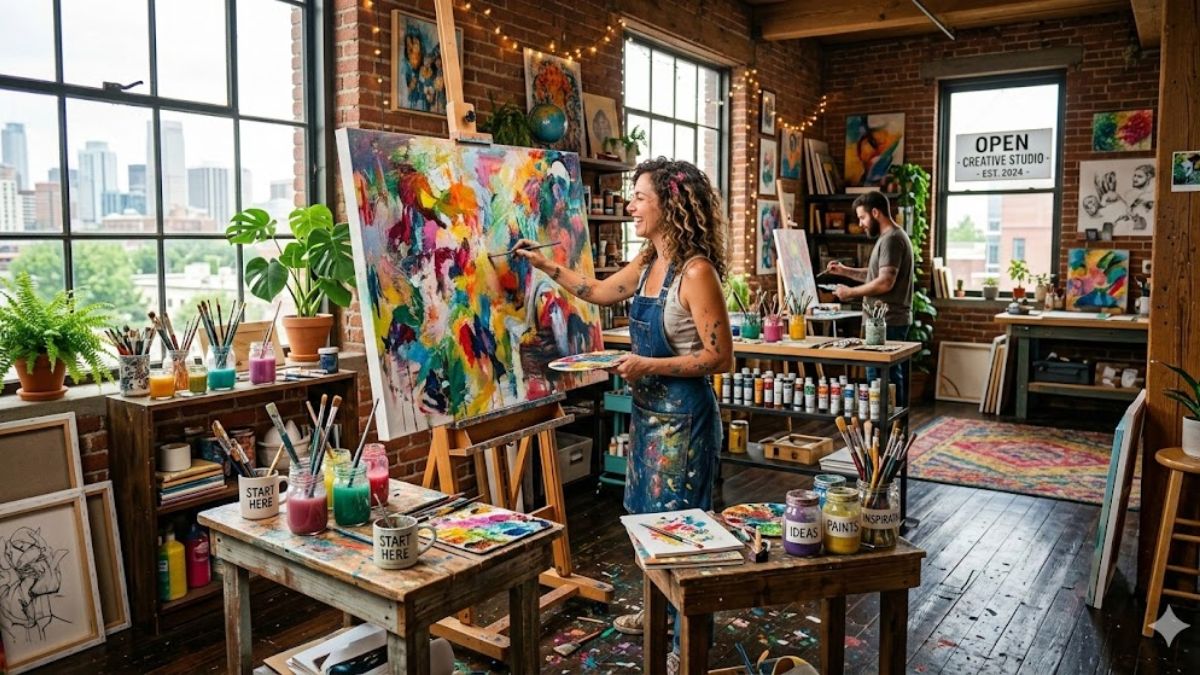
A painting studio typically offers several types of activities. These include beginner art classes, guided painting workshops, children’s art sessions, and open studio practice hours. Some studios also host themed painting events where participants recreate a specific artwork under the guidance of an instructor. The studio environment itself plays a major role in attracting customers. Bright lighting, colorful walls, displayed artworks, and organized painting stations create an inspiring creative atmosphere.
Entrepreneurs interested in how to start an art painting studio often focus on designing spaces that feel both educational and relaxing. Customers should feel comfortable experimenting with art without fear of making mistakes. In addition to classes and workshops, some studios also function as community hubs where artists and hobbyists connect with each other. This sense of belonging often becomes a strong differentiator in the creative business landscape. For individuals exploring creative business ideas, the painting studio model offers an opportunity to combine art, education, and community engagement in a sustainable business format.
2. Problem Statement & Solution
Although interest in art and creativity is growing, many people struggle to find accessible spaces where they can learn painting comfortably. Traditional art institutions usually focus on formal art education. They often require long-term commitment and may cater mainly to students pursuing professional art careers. For hobby learners, this structure can feel intimidating. Many adults who want to try painting simply want a relaxed environment where they can experiment with colors and techniques without strict academic expectations.
Another challenge is access to materials and proper workspace. Painting requires specific tools such as canvases, paints, brushes, palettes, and easels. Beginners often feel confused about what materials to buy and how to set up a painting area. Painting studios solve these problems by providing a ready-to-use creative environment. Participants can arrive without any prior preparation and start painting immediately.
Most studios provide all necessary art supplies for painting studio sessions. This includes acrylic paints, brushes, aprons, palettes, and pre-prepared canvases. Instructors guide participants step by step through the painting process. Even someone who has never painted before can complete a canvas during a session.By simplifying the learning process and removing barriers, painting studios make art accessible to a much larger audience.
3. Target Audience & Customer Persona
Understanding the target audience is essential for anyone planning how to open a painting studio. One of the largest customer groups includes young professionals aged between 22 and 35. Many of them work in corporate environments and look for creative hobbies that help them relax after busy workweeks. Weekend painting workshops have become particularly popular among this segment. These sessions provide a fun activity while also offering a break from digital screens and daily routines.
College students also represent an important audience for painting studios. Many students enjoy exploring creative hobbies but may not have access to proper studio spaces. Families with children are another major segment. Parents often enroll their kids in painting classes for beginners to encourage creativity and artistic development. Children’s painting classes also help develop patience, focus, and fine motor skills.
Corporate organizations are emerging as another valuable customer segment. Companies frequently organize creative workshops as part of team-building activities. Corporate painting sessions allow employees to collaborate and relax while participating in a shared creative experience. Finally, hobby artists and amateur painters form a loyal long-term customer base. These individuals may attend advanced classes or use the studio as a studio space for artists where they can practice their craft.Understanding these different personas helps studio founders design programs and pricing models that appeal to a wide range of customers.
4. Market Opportunity & Timing
The demand for creative learning experiences has grown significantly in the last decade. As urban lifestyles become increasingly stressful, people actively seek activities that promote relaxation and self-expression. Painting has emerged as one of the most popular creative hobbies. It is both therapeutic and rewarding, allowing participants to create tangible artwork in a short period of time. Social media platforms have played a major role in popularizing art activities. Millions of people watch painting tutorials online and feel inspired to try painting themselves.
This trend has contributed to the rising popularity of canvas painting workshops in cities across India. Another major factor driving demand is the growth of the experience economy. Consumers are increasingly willing to spend money on activities and experiences rather than physical products. Painting workshops offer exactly this type of experience. Participants leave with both memories and a completed artwork Mental wellness awareness has also boosted interest in creative activities. Many psychologists and wellness experts highlight the benefits of painting as a stress-relief activity.
Because of these trends, launching an art studio startup today presents strong market potential. Entrepreneurs who understand community building and experiential marketing can build thriving creative businesses. The increasing popularity of hobby-based education also suggests that demand for painting studios will continue to grow in the coming years.
5. USP & Value Proposition
A successful painting studio stands out not only because it teaches art but because it creates memorable experiences. The strongest studios understand that most participants are not aspiring professional artists. They are people looking for relaxation, creativity, and social interaction. The primary value of a painting studio lies in accessibility. Anyone can walk into a session and create artwork regardless of prior experience. This beginner-friendly approach removes the fear that many people associate with learning art.
Another strong differentiator is the experience-driven format. Instead of traditional classroom learning, painting studios often focus on guided sessions where participants recreate a specific artwork step by step. This ensures that every participant leaves with a finished canvas. Community building also becomes a powerful competitive advantage. Regular attendees often return because they enjoy the social atmosphere and creative environment. Over time, the studio evolves into a local creative hub where people meet, collaborate, and share ideas.
Entrepreneurs planning how to start a painting workshop studio should focus on experience quality rather than simply offering classes. The studio should feel inspiring from the moment a visitor enters the space. High-quality materials also enhance the value proposition. When participants use good paints, brushes, and canvases, the final artwork looks better, which increases satisfaction and encourages repeat visits. Another important factor is personalization. Some studios allow customers to choose painting themes or work on custom artwork projects. This flexibility makes the studio appealing to both beginners and experienced hobby artists. Ultimately, the unique value of a painting studio lies in combining creativity, relaxation, and social interaction within a single experience.
6. Business Model & Pricing Strategy
A well-structured business model is essential for building a sustainable painting class business. Painting studios usually operate through multiple revenue streams rather than relying on a single service. The most common source of revenue is workshop fees. Studios offer individual sessions where participants pay for a guided painting experience. These sessions usually last two to three hours. In many Indian cities, beginner painting sessions are priced between ₹800 and ₹2000 per participant depending on location and studio reputation.
Studios can also offer structured learning programs that run for several weeks. These programs teach foundational painting techniques and attract students who want to develop their skills more seriously. Another important revenue stream comes from themed events. Studios frequently organize special experiences such as date-night painting sessions, birthday workshops, or family painting days. Corporate workshops represent another lucrative opportunity. Many companies book creative workshops for employee engagement and team-building activities.
Corporate sessions often involve larger groups and higher pricing, which significantly increases revenue potential. Retail sales can also contribute to income. Studios may sell art kits, painting tools, and beginner materials to students who want to continue practicing at home. Membership models are another option. Customers pay a monthly fee to access studio space, participate in community sessions, and receive discounted workshop rates. By diversifying income sources, studio owners can create a stable and scalable profitable art business.
7. Execution Plan & Launch Strategy
Launching a painting studio requires careful planning and step-by-step execution. Entrepreneurs who want to start a painting studio should begin by studying their local market. Market research helps identify existing art schools, hobby workshops, and creative studios in the area. This research reveals gaps in pricing, format, or customer experience. After understanding the market, the next step is selecting a suitable location. A painting studio should ideally be located in a neighborhood with strong residential presence or near colleges and coworking hubs.
Visibility also plays a role in attracting walk-in customers. Studios located on accessible streets or inside community centers often perform better. Once the location is finalized, the space needs to be designed for creativity. Lighting is particularly important because artists need bright and comfortable environments to work. Walls can be decorated with artwork created by instructors or previous participants. This instantly communicates the studio’s purpose and inspires visitors.
The studio must then be equipped with easels, tables, stools, painting stands, and storage areas for art materials. The next step is recruiting instructors. Skilled artists who also have strong communication skills make the best workshop leaders. Before the official launch, it is often useful to run pilot workshops. These sessions allow founders to test the teaching format and gather feedback from early participants. Soft launches also help generate initial word-of-mouth marketing. Early customers who enjoy the experience often share photos of their artwork on social media. Once the format is refined, the studio can officially launch with promotional events, discounted workshops, and community art sessions.
8. Budget, Resources & Infrastructure
The investment required to start a painting studio business varies depending on the size of the studio and the city in which it is located. Rent usually represents the largest recurring expense. In major Indian cities, studio rent may range from ₹30,000 to ₹1 lakh per month depending on the location and property size. Interior design and furniture represent the next major cost. Tables, stools, storage racks, and décor elements may require an initial investment of around ₹1 lakh to ₹3 lakh.
Art materials are another essential expense. A studio must maintain a consistent supply of paints, brushes, canvases, aprons, palettes, and cleaning supplies. Initial inventory for art supplies for painting studio sessions may cost between ₹1 lakh and ₹2 lakh. Marketing expenses also need to be planned carefully. Social media promotions, website development, and launch campaigns may require around ₹50,000 to ₹1 lakh in early marketing spend.
Technology tools such as online booking systems and digital payment solutions should also be included in the budget. Overall, a small to medium-sized studio can be launched with a total investment of roughly ₹5 lakh to ₹20 lakh. The exact investment depends on factors such as studio size, location, and branding ambition.
9. Brand Strategy
Brand identity plays a major role in attracting customers to a painting studio. Because the business revolves around creativity, the brand itself must reflect artistic expression. The studio name should immediately evoke creativity and imagination. Many successful studios use words associated with painting such as palette, canvas, brush, or color. A strong brand name makes it easier for customers to remember the studio and recommend it to others.
The logo design should incorporate artistic elements such as brush strokes, paint splashes, or color gradients. These visual cues help communicate the creative nature of the business. Interior design also becomes part of the brand experience. A visually appealing studio space encourages customers to take photos and share them online. The brand voice should feel friendly, welcoming, and inspiring. Messaging should emphasize creativity, relaxation, and the joy of learning art.
Entrepreneurs building an art studio startup should also focus on visual storytelling through social media. Sharing customer artwork, workshop moments, and behind-the-scenes creative processes strengthens the brand identity. Over time, a well-developed brand can transform a simple workshop space into a recognized creative destination.
10. Vendor & Partner Strategy
Reliable suppliers are essential for running a smooth art workshop business. Painting studios depend heavily on consistent access to high-quality art materials. When selecting vendors, entrepreneurs should evaluate several factors. Product quality is extremely important because low-quality paints or brushes can negatively affect the painting experience.
Pricing stability is another key factor. Studios need predictable supply costs to maintain healthy margins. Delivery reliability also matters because studios must replenish materials regularly for workshops and classes. Many studio owners build relationships with wholesale art supply distributors. These partnerships often provide better pricing compared to retail purchases.
Studios can also collaborate with local artists and art instructors. Guest workshops hosted by experienced artists often attract new audiences and create excitement within the community. Another partnership opportunity exists with cafés, coworking spaces, and cultural centers. Joint events can introduce the painting studio to new customer segments. Event partnerships with schools and residential communities can also generate consistent demand for workshops. Building a strong network of vendors and partners helps studios operate efficiently while expanding their reach within the creative ecosystem.
11. Go-to-Market & Customer Acquisition Channels
When entrepreneurs start a painting studio, attracting the first group of customers becomes one of the most important milestones. A well-planned go-to-market strategy ensures that the studio quickly gains visibility within the local community. Social media is one of the most powerful marketing tools for a painting studio business. Platforms such as Instagram and Facebook are especially effective because art is visually appealing and easy to showcase through photos and short videos. Posting pictures of finished canvases, workshop moments, and student artwork creates organic interest among potential customers.
Many successful studios also create short tutorial clips or time-lapse painting videos. These pieces of content inspire viewers and demonstrate that painting can be easy and enjoyable even for beginners. Search engines are another major acquisition channel. People frequently search online for local art classes, painting workshops, or beginner painting lessons. Building a website optimized for phrases like guide to opening a painting studio or beginner painting classes helps attract organic traffic.
Local SEO also plays an important role. Listing the studio on Google Maps and review platforms makes it easier for nearby customers to discover the studio when searching for creative activities. Offline marketing remains effective as well. Posters, flyers, and banners placed in cafés, bookstores, schools, and coworking spaces can introduce the studio to potential participants. Community engagement also works as a strong marketing tool. Hosting free demo sessions, open house events, or small art exhibitions can attract people who are curious about painting but hesitant to commit immediately.
Corporate partnerships can also generate early traction. Companies often look for unique team-building activities, and painting workshops provide a refreshing alternative to conventional corporate events. When these marketing channels work together, a new painting studio can build a steady pipeline of customers during its early months.
12. Growth & Retention Strategy
Once a studio begins attracting participants, the next challenge is retaining customers and building long-term engagement. Many studios find that repeat customers form the backbone of their business. People who attend one painting workshop often return for more sessions once they realize how enjoyable the experience is. Creating progressive learning paths helps retain students who want to improve their skills. For example, studios can introduce beginner, intermediate, and advanced painting courses.
Seasonal workshops also help maintain excitement within the community. Holiday-themed painting sessions, festival art events, and special creative nights keep the experience fresh for returning participants Another growth strategy involves expanding the range of services offered by the studio. Some studios introduce specialized classes such as watercolor painting, portrait art, or abstract painting. Others organize canvas painting workshops focused on specific styles or techniques.
Community engagement is also essential for retention. Hosting small art exhibitions where students display their work creates a sense of achievement and belonging. Online learning can also become an additional growth channel. Virtual workshops allow studios to reach audiences beyond their local city. Email newsletters, social media groups, and loyalty programs help keep customers engaged between workshops. When participants feel connected to the studio community, they are far more likely to return regularly and recommend the studio to friends.
13. Team Structure & Responsibilities
Running a successful painting studio requires a small but dedicated team. During the early stages, the founder often manages several roles simultaneously. The founder typically oversees operations, marketing strategy, and workshop planning. They also manage vendor relationships and ensure that the studio environment remains welcoming and organized. Art instructors represent the heart of the business. These professionals conduct workshops, guide participants during painting sessions, and help create a positive learning experience.
Good instructors are not only skilled artists but also effective communicators who can simplify techniques for beginners. Administrative support is also necessary for managing daily operations. Tasks include handling bookings, scheduling workshops, responding to customer inquiries, and maintaining records. Some responsibilities can be outsourced in the early stages. Digital marketing, website design, accounting, and graphic design are often handled by freelancers or specialized agencies. As the studio grows, additional instructors and event coordinators may be hired to support expanding operations. A clear division of responsibilities helps ensure that the studio runs smoothly while maintaining a high-quality experience for participants.
14. Risks, Challenges & Mitigation
Although a painting studio can become a rewarding business, it also faces several challenges that founders must be prepared to manage. One common challenge is fluctuating demand. Attendance may vary depending on the season, holidays, or academic schedules. For example, student attendance may drop during exam periods. To address this issue, studios often diversify their offerings by introducing corporate workshops, children’s programs, and private events.
Another challenge is maintaining consistent workshop quality. If participants feel that sessions are poorly organized or rushed, they may not return. Regular instructor training and feedback sessions help maintain a high standard of teaching. Competition is also increasing as more entrepreneurs explore creative business opportunities. New studios may emerge in the same area, making it necessary to differentiate through better experiences and stronger branding.
Operational challenges may also arise. Managing art materials, scheduling classes, and maintaining studio cleanliness require constant attention. Financial planning is another important aspect. Studio owners must carefully manage expenses such as rent, instructor salaries, and supply costs to ensure profitability. By anticipating these risks and planning accordingly, entrepreneurs can build a resilient and sustainable art studio startup.
15. Legal, Compliance & Fundamentals
Anyone planning to start a painting studio must ensure that the business complies with basic legal and regulatory requirements. The first step usually involves registering the business entity. Many studio founders begin with a sole proprietorship or partnership structure. As the business grows, it may later transition into a private limited company. Depending on revenue levels, GST registration may be required. Workshops and educational services may fall under taxable categories depending on the business structure.
Rental agreements for studio spaces should clearly specify that the property can be used for commercial or educational purposes. Safety measures are also important. Studios must maintain proper ventilation and safe storage for paints and other materials. Basic liability protection is advisable in case of accidents during workshops. Clear policies regarding workshop bookings, cancellations, and refunds should also be established. These policies help prevent disputes with customers. Maintaining proper financial records and invoices ensures that the business operates smoothly from a regulatory standpoint.
16. Long-Term Vision & Future Outlook
The long-term potential of a painting studio extends far beyond running simple art classes. With the right strategy, a small studio can evolve into a recognized creative brand. Many studios eventually expand into multiple locations across a city or region. This expansion allows them to reach larger audiences while building a recognizable brand presence. Some studios diversify into art retail by selling painting kits, creative supplies, and art merchandise.
Others launch online learning platforms that allow participants from different cities to join virtual painting sessions. Hosting art exhibitions and cultural events can also elevate the studio’s reputation within the local creative community. Entrepreneurs who start a painting studio today may eventually build a thriving network of creative spaces where people gather to learn, experiment, and connect through art. The growing interest in experiential activities, creative hobbies, and mental wellness suggests that the demand for painting studios will continue to increase. As more individuals seek meaningful and creative experiences, painting studios are likely to play an important role in shaping the future of creative communities.
About foundlanes.com
foundlanes.com is India’s leading startup idea discovery platform. It helps entrepreneurs find actionable startup opportunities, market insights, and industry-specific guidance to turn ideas into real businesses. With deep research and practical resources, foundlanes supports founders at every stage, from idea validation to launch and growth.